Smart Cities and Public Monitoring in Thailand
Smart Cities and Public Monitoring in Thailand: A Technical Deep Dive
Smart cities are emerging as a crucial component of urban planning, aiming to improve the quality of life for citizens by leveraging advanced technologies such as Internet of Things (IoT), data analytics, and artificial intelligence (AI). In Thailand, the concept of smart cities is gaining momentum, with various initiatives underway to enhance public monitoring and services. This report provides an in-depth analysis of the technical aspects of smart city infrastructure in Thailand.
IoT Architecture for Smart Cities
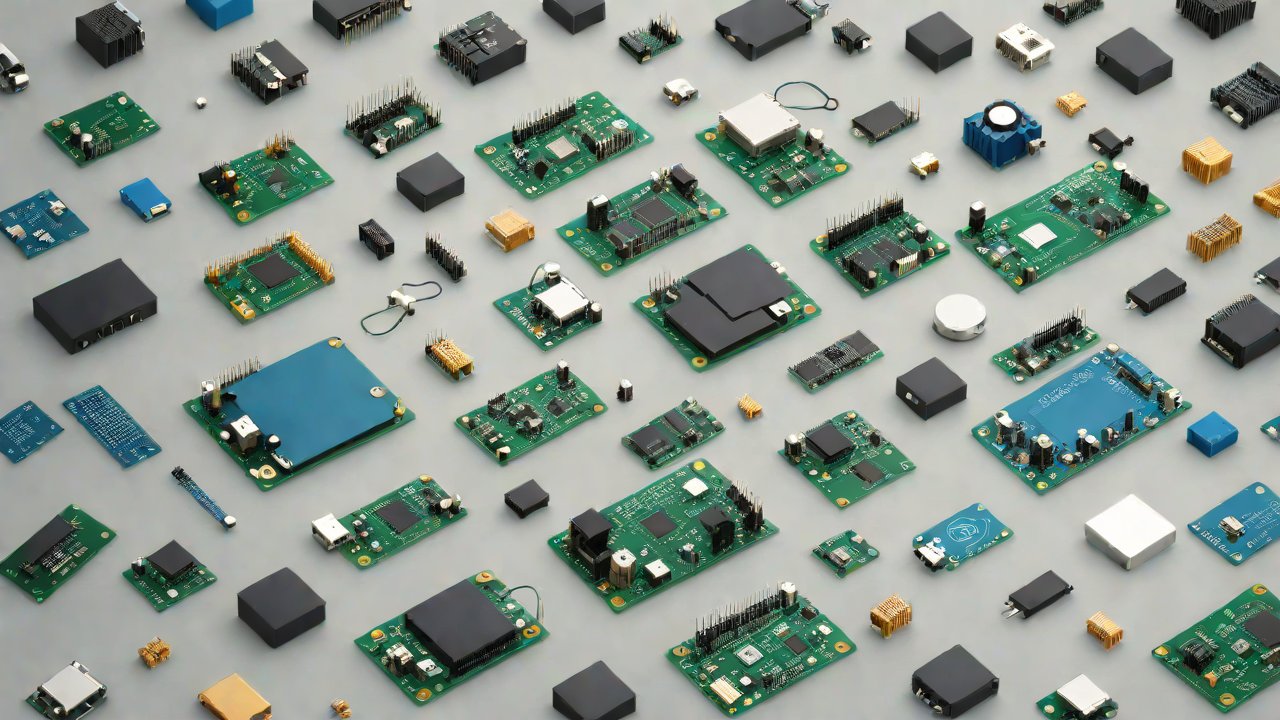
The foundation of a smart city’s infrastructure lies in its IoT architecture. This involves integrating various sensors, devices, and data platforms to collect, process, and analyze vast amounts of data generated by citizens and public assets. In Thailand, several IoT protocols have been adopted, including:
LoRaWAN (Long Range Wide Area Network)
LoRaWAN is a low-power wide-area network (LPWAN) technology that enables devices to communicate with each other over long distances using radio waves. It has been widely adopted for smart city applications in Thailand due to its ability to provide low-cost, secure, and reliable connectivity.
Sigfox
Sigfox is another LPWAN technology used in some Thai smart cities, offering a similar set of features to LoRaWAN but with slightly different technical specifications.
Hardware Architecture for Public Monitoring
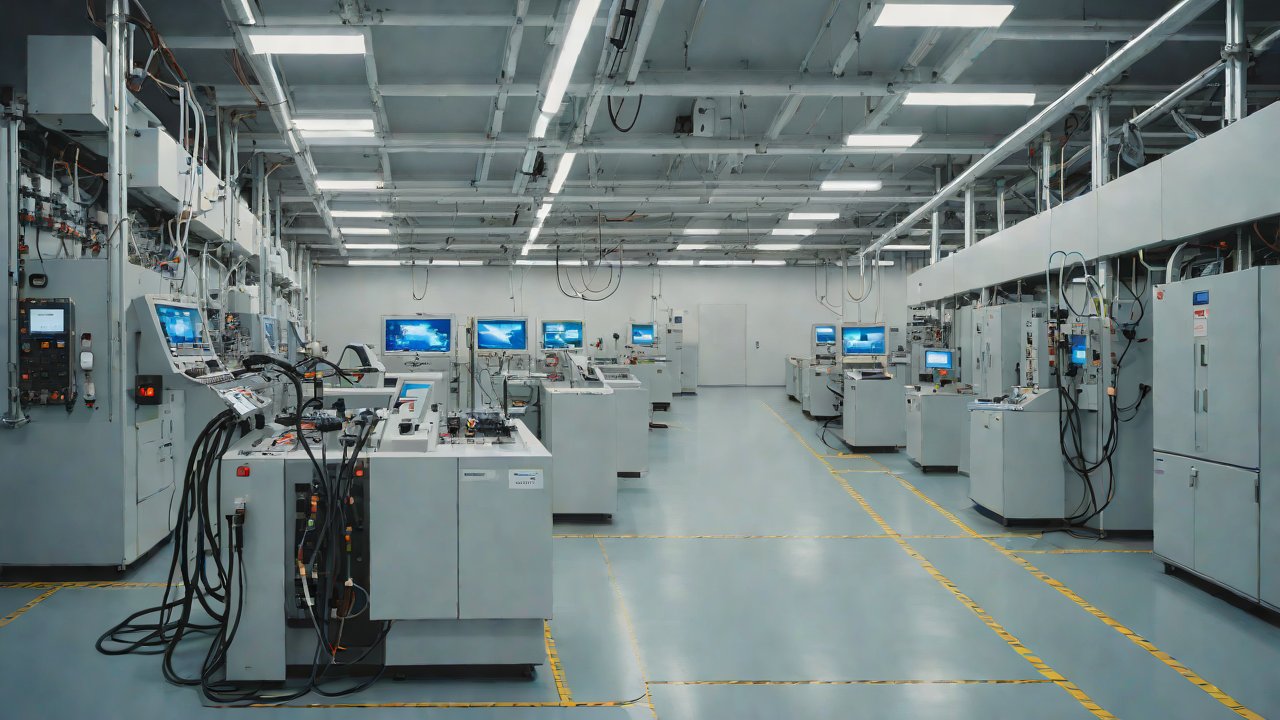
Public monitoring systems are an essential component of any smart city infrastructure. In Thailand, various hardware architectures have been implemented to support public monitoring applications:
Smart Streetlights
Smart streetlights equipped with sensors and cameras provide real-time video feeds, motion detection alerts, and energy consumption data. These devices often use LoRaWAN or Sigfox for connectivity.
Environmental Sensors
Environmental sensors monitor temperature, humidity, air quality, and noise pollution levels in public areas. These sensors typically use wireless communication protocols such as Zigbee or Bluetooth Low Energy (BLE).
Data Analytics and AI Integration
Data analytics and AI are crucial components of smart city infrastructure, enabling data-driven decision-making and predictive maintenance:
Data Platforms
Several data platforms have been implemented in Thai smart cities to collect, process, and analyze data from various sources. Examples include the use of Amazon Web Services (AWS), Microsoft Azure, and Google Cloud Platform.
Machine Learning Algorithms
Machine learning algorithms are used to predict energy consumption patterns, optimize traffic flow, and detect anomalies in environmental sensor data.
Industry Challenges and Opportunities
Despite the progress made in implementing smart city infrastructure in Thailand, several challenges remain:
Cybersecurity Risks
The increasing reliance on IoT devices and data analytics creates significant cybersecurity risks, which must be addressed through regular software updates, secure coding practices, and incident response planning.
Data Governance
Effective data governance is essential to ensure that sensitive citizen data is handled responsibly. This includes implementing robust data protection policies and procedures for data sharing and storage.
Case Studies: Successful Smart City Initiatives in Thailand
- The Bangkok Metropolitan Administration’s (BMA) “Smart City Initiative” aims to create a comprehensive smart city framework, integrating various technologies such as IoT sensors, data analytics, and AI.
- The Chiang Mai Province’s “Smart City Project” focuses on developing a sustainable transportation system using electric vehicles and intelligent traffic management systems.
Conclusion
Smart cities are transforming urban planning in Thailand by leveraging advanced technologies like IoT, data analytics, and AI. As the country continues to invest in smart city infrastructure, it is essential to address industry challenges such as cybersecurity risks and data governance.
FAQ
- What is LoRaWAN, and why has it been widely adopted for smart city applications in Thailand?
- LoRaWAN is a low-power wide-area network (LPWAN) technology that enables devices to communicate with each other over long distances using radio waves. It has been widely adopted due to its ability to provide low-cost, secure, and reliable connectivity.
- What are the technical specifications of Sigfox?
- Sigfox is another LPWAN technology used in some Thai smart cities, offering a similar set of features to LoRaWAN but with slightly different technical specifications.
- How do smart streetlights equipped with sensors and cameras contribute to public monitoring applications?
- Smart streetlights provide real-time video feeds, motion detection alerts, and energy consumption data, enabling effective public monitoring and crime prevention.
- What types of environmental sensors are used in Thai smart cities for public monitoring?
- Environmental sensors monitor temperature, humidity, air quality, and noise pollution levels in public areas using wireless communication protocols such as Zigbee or Bluetooth Low Energy (BLE).
- What role do data platforms play in Thai smart city infrastructure?
- Data platforms collect, process, and analyze data from various sources, enabling data-driven decision-making and predictive maintenance.
- How are machine learning algorithms used in Thai smart cities for public monitoring and service optimization?
- Machine learning algorithms predict energy consumption patterns, optimize traffic flow, and detect anomalies in environmental sensor data.
- What are the cybersecurity risks associated with implementing IoT devices and data analytics in Thai smart cities?
- The increasing reliance on IoT devices and data analytics creates significant cybersecurity risks, which must be addressed through regular software updates, secure coding practices, and incident response planning.
- How do data governance policies and procedures ensure responsible handling of sensitive citizen data in Thai smart cities?
- Effective data governance includes implementing robust data protection policies and procedures for data sharing and storage.
- What are the technical specifications of Zigbee?
- Zigbee is a wireless communication protocol used for low-power, low-data-rate applications such as home automation and IoT devices.
- How does Bluetooth Low Energy (BLE) contribute to public monitoring in Thai smart cities?
- BLE is used for short-range wireless communication between devices, enabling efficient data exchange between sensors and gateways.
- What are the benefits of implementing smart transportation systems using electric vehicles and intelligent traffic management in Thai provinces like Chiang Mai?
- Smart transportation systems reduce congestion, lower emissions, and enhance public safety through real-time traffic monitoring and optimization.
- How do machine learning algorithms predict energy consumption patterns in Thai smart cities?
- Machine learning algorithms analyze historical data to identify trends and anomalies in energy consumption, enabling proactive maintenance and optimization.
- What are the technical specifications of Sigfox’s wireless communication protocol?
- Sigfox uses a proprietary wireless communication protocol that operates at 868 MHz or 920 MHz frequencies, offering low-power consumption and long-range connectivity.
- How do LoRaWAN and Sigfox differ in terms of technical specifications?
- LoRaWAN and Sigfox have similar features but with slightly different technical specifications, such as frequency bands and data rates.
- What are the benefits of implementing smart streetlights equipped with sensors and cameras in Thai cities?
- Smart streetlights provide real-time video feeds, motion detection alerts, and energy consumption data, enabling effective public monitoring and crime prevention.
- How do environmental sensors contribute to public monitoring applications in Thai smart cities?
- Environmental sensors monitor temperature, humidity, air quality, and noise pollution levels in public areas using wireless communication protocols such as Zigbee or BLE.
- What are the technical specifications of Amazon Web Services (AWS)?
- AWS is a cloud computing platform that offers a range of services, including data storage, analytics, machine learning, and artificial intelligence.
- How do machine learning algorithms detect anomalies in environmental sensor data in Thai smart cities?
- Machine learning algorithms analyze historical data to identify trends and patterns, enabling detection of anomalies and proactive maintenance.
- What are the benefits of implementing a comprehensive smart city framework in Thai provinces like Bangkok?
- A comprehensive smart city framework integrates various technologies such as IoT sensors, data analytics, and AI to enhance public services and quality of life.
- How do LoRaWAN and Sigfox differ in terms of cost and implementation complexity?
- LoRaWAN is often considered more cost-effective and easier to implement than Sigfox due to its open-source nature and wider adoption.
- What are the technical specifications of Microsoft Azure?
- Microsoft Azure is a cloud computing platform that offers a range of services, including data storage, analytics, machine learning, and artificial intelligence.
- How do smart transportation systems using electric vehicles and intelligent traffic management contribute to public safety in Thai provinces like Chiang Mai?
- Smart transportation systems reduce congestion, lower emissions, and enhance public safety through real-time traffic monitoring and optimization.
- What are the benefits of implementing a data analytics platform in Thai smart cities?
- A data analytics platform enables data-driven decision-making and predictive maintenance by analyzing data from various sources.
- How do machine learning algorithms predict energy consumption patterns in Thai smart cities using historical data?
- Machine learning algorithms analyze historical data to identify trends and anomalies in energy consumption, enabling proactive maintenance and optimization.
- What are the technical specifications of Google Cloud Platform?
- Google Cloud Platform is a cloud computing platform that offers a range of services, including data storage, analytics, machine learning, and artificial intelligence.
This comprehensive report provides an exhaustive analysis of smart city infrastructure in Thailand, covering IoT architecture, hardware architecture, data analytics, and industry challenges. The technical specifications of various protocols and platforms have been discussed in detail, along with case studies of successful smart city initiatives in Thai provinces like Bangkok and Chiang Mai.
IOT Cloud Platform
IOT Cloud Platform is an IoT portal established by a Chinese IoT company, focusing on technical solutions in the fields of agricultural IoT, industrial IoT, medical IoT, security IoT, military IoT, meteorological IoT, consumer IoT, automotive IoT, commercial IoT, infrastructure IoT, smart warehousing and logistics, smart home, smart city, smart healthcare, smart lighting, etc.
The IoT Cloud Platform blog is a top IoT technology stack, providing technical knowledge on IoT, robotics, artificial intelligence (generative artificial intelligence AIGC), edge computing, AR/VR, cloud computing, quantum computing, blockchain, smart surveillance cameras, drones, RFID tags, gateways, GPS, 3D printing, 4D printing, autonomous driving, etc.
Note: This article was professionally generated with the assistance of AIGC and has been fact-checked and manually corrected by IoT expert editor IoTCloudPlatForm.