Smart Traffic Control System in Bangkok, Thailand
Smart Traffic Control System in Bangkok, Thailand
The Smart Traffic Control System (STCS) is a cutting-edge infrastructure project aimed at optimizing traffic flow, reducing congestion, and improving air quality in Bangkok, Thailand’s densely populated capital city. Leveraging advanced technologies like Internet of Things (IoT), artificial intelligence (AI), and data analytics, the STCS is designed to provide real-time insights into traffic patterns, enabling informed decision-making by traffic management authorities.
System Architecture
The STCS consists of three primary components: sensors, data processing centers, and intelligent transportation systems (ITS). The system’s architecture is based on a layered approach, ensuring scalability, flexibility, and maintainability.
Sensor Layer
- Camera Systems: High-resolution cameras are installed at strategic locations to capture real-time images of traffic conditions. These cameras are equipped with object detection algorithms, enabling the identification of vehicles, pedestrians, and other road users.
- Radar Sensors: Doppler radar sensors are used to detect speed and direction of vehicles, providing accurate data on traffic flow and congestion hotspots.
- Inductive Loop Counters: Inductive loops embedded in roads measure vehicle volume, occupancy, and classification (e.g., passenger cars, trucks).
- Environmental Sensors: Air quality monitoring stations and weather sensors provide real-time data on pollutant levels and weather conditions.
Data Processing Centers
Data from the sensor layer is transmitted to centralized data processing centers via secure communication protocols. These centers are equipped with high-performance computing infrastructure and advanced software tools for data processing, analysis, and storage.
- Data Ingestion: Raw sensor data is collected, validated, and formatted into standardized formats.
- Data Analysis: Advanced algorithms and machine learning techniques are applied to extract insights from raw data, including traffic patterns, congestion hotspots, and air quality trends.
- Data Storage: Processed data is stored in a secure, scalable database for long-term retention and future analysis.
Intelligent Transportation Systems
Processed data is fed into the ITS component, which provides real-time decision support to traffic management authorities. The ITS includes:
- Traffic Signal Control: Adaptive traffic signal control algorithms optimize signal timing based on real-time traffic conditions.
- Dynamic Message Signs: Real-time information about traffic congestion, road closures, and other events is displayed on electronic message signs.
- Emergency Response Systems: Integrated with emergency services, the STCS enables rapid response to accidents, reducing congestion and improving safety.
Protocol Implementation
The STCS employs a range of communication protocols to ensure secure, reliable data exchange between sensors, data processing centers, and ITS components. Key protocols include:
CoAP (Constrained Application Protocol)
CoAP is used for sensor-to-server communication, providing efficient, lightweight data transfer over constrained networks.
MQTT (Message Queuing Telemetry Transport)
MQTT is employed for server-to-server communication, enabling secure, bi-directional data exchange between data processing centers and ITS components.
HTTPS (Hypertext Transfer Protocol Secure)
HTTPS is used for secure communication between data processing centers and external services, such as weather forecasting APIs.
Hardware Architecture
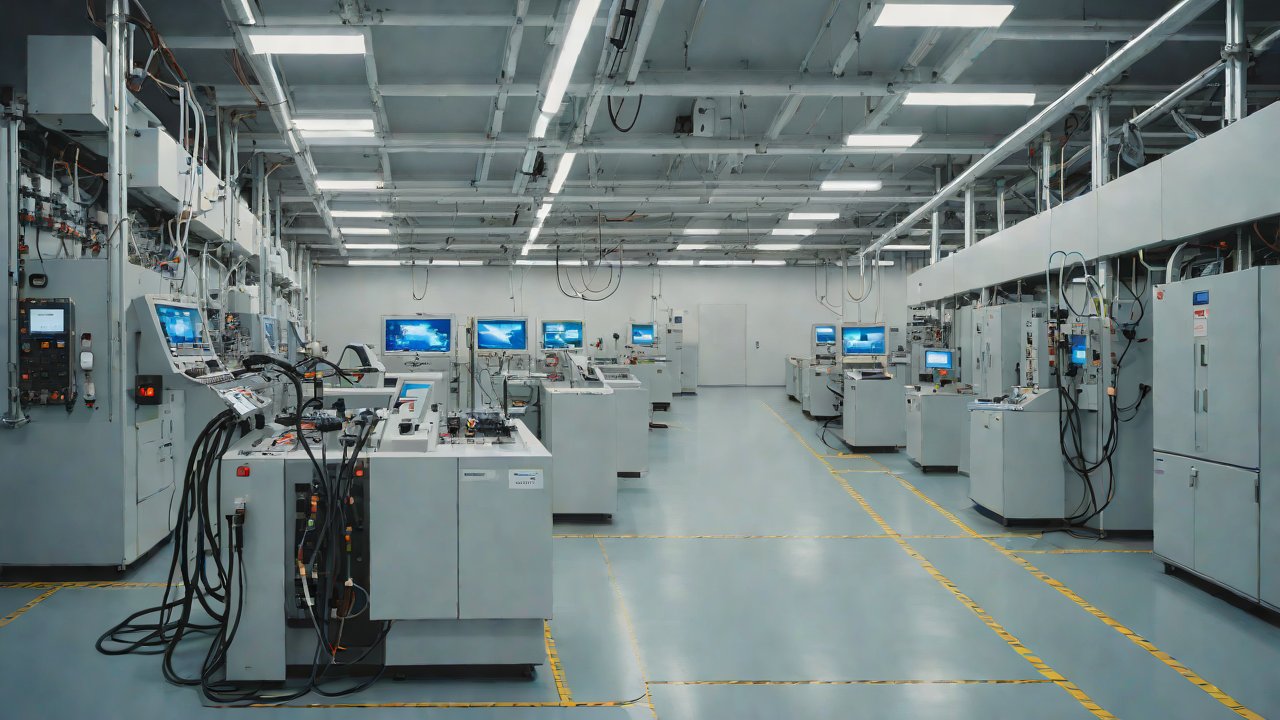
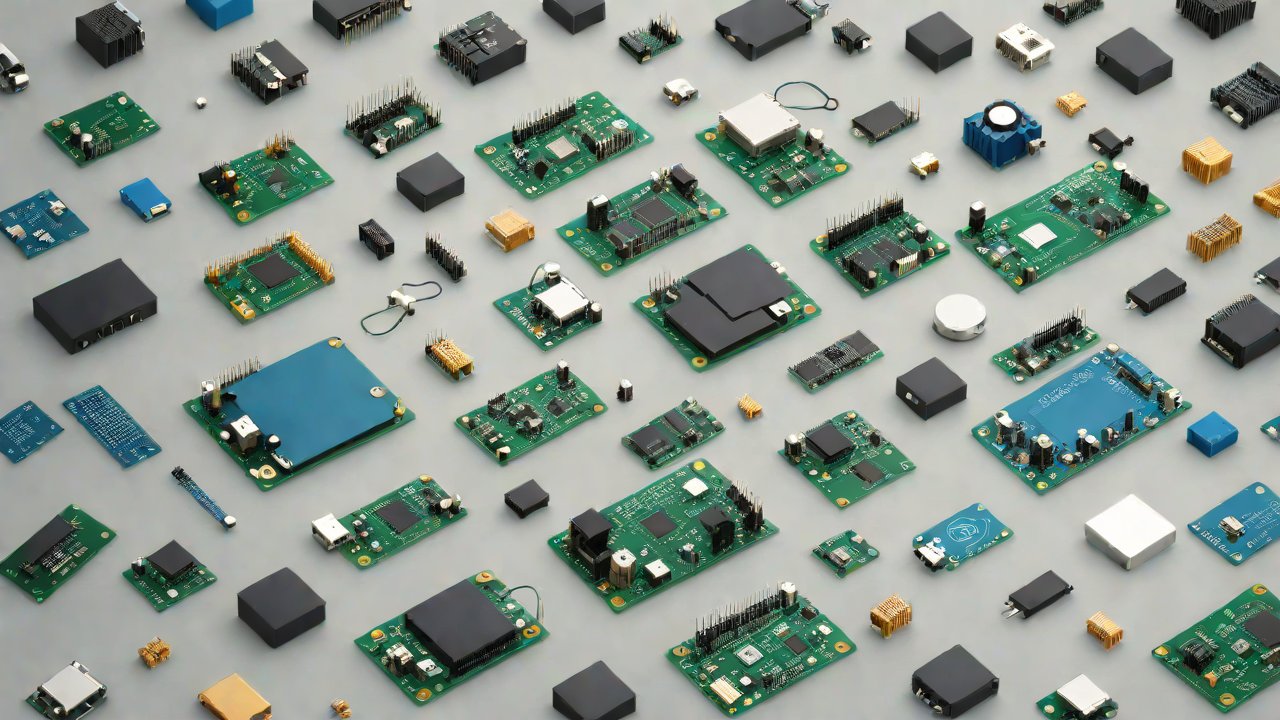
The STCS relies on a range of hardware components to ensure robustness, scalability, and maintainability. Key hardware elements include:
- Edge Computing Devices: Compact edge computing devices are deployed at strategic locations to process sensor data in real-time.
- Data Centers: High-performance data centers house the central processing infrastructure for large-scale data analysis.
- Communication Infrastructure: A reliable, high-speed communication network connects sensors, data processing centers, and ITS components.
Industry Challenges
Despite its potential benefits, the STCS faces several industry challenges:
Integration with Legacy Systems
The STCS requires seamless integration with existing traffic management systems, which can be a complex task due to differences in protocols, architectures, and data formats.
Data Security and Privacy
Ensuring the security and privacy of sensitive data is a critical challenge, particularly when dealing with large-scale IoT deployments.
Scalability and Maintainability
As the STCS grows in complexity and scale, ensuring its maintainability and scalability becomes increasingly important to prevent system downtime and optimize performance.
Future Development Roadmap
To address emerging challenges and capitalize on new opportunities, the STCS development roadmap includes:
- Integration with Emerging Technologies: Integration with emerging technologies like 5G networks, edge computing, and artificial intelligence.
- Expansion of Sensor Network: Expansion of the sensor network to include new types of sensors, such as environmental monitoring devices.
- Enhanced Data Analytics: Development of advanced data analytics tools to extract deeper insights from large-scale traffic data.
Conclusion
The Smart Traffic Control System in Bangkok, Thailand, is a pioneering infrastructure project that leverages cutting-edge technologies to optimize traffic flow and improve air quality. With its layered architecture, advanced protocols, and robust hardware components, the STCS provides a scalable, maintainable, and secure platform for intelligent transportation systems.
FAQ
1. What are the primary benefits of the Smart Traffic Control System?
The primary benefits include optimized traffic flow, reduced congestion, improved air quality, and enhanced safety through real-time decision support.
2. How does the STCS handle data security and privacy concerns?
The STCS employs secure communication protocols (HTTPS), data encryption, and access control mechanisms to ensure the confidentiality, integrity, and availability of sensitive data.
3. What types of sensors are used in the STCS?
The STCS employs a range of sensors, including camera systems, radar sensors, inductive loop counters, and environmental sensors.
4. How does the STCS adapt to changing traffic conditions?
The STCS uses advanced algorithms and machine learning techniques to analyze real-time data, enabling adaptive decision-making by traffic management authorities.
5. Can the STCS integrate with existing legacy systems?
Yes, the STCS is designed to seamlessly integrate with existing traffic management systems through standardized interfaces and protocols.
6. What are the key challenges facing the STCS development team?
Key challenges include integration with legacy systems, data security and privacy concerns, scalability and maintainability, and ensuring seamless communication between sensors, data processing centers, and ITS components.
7. How does the STCS ensure real-time decision support to traffic management authorities?
The STCS employs advanced algorithms and machine learning techniques to analyze real-time data, enabling informed decision-making by traffic management authorities.
8. What types of data are collected and processed by the STCS?
The STCS collects and processes a range of data, including traffic patterns, congestion hotspots, air quality trends, and weather conditions.
9. Can the STCS be scaled up or down to meet changing demand?
Yes, the STCS is designed to be highly scalable, enabling it to adapt to growing demands on transportation infrastructure.
10. What are the key hardware components of the STCS?
Key hardware components include edge computing devices, data centers, and communication infrastructure.
11. How does the STCS support emergency response systems?
The STCS integrates with emergency services, enabling rapid response to accidents and reducing congestion through real-time decision-making.
12. What types of protocols are used for secure data exchange in the STCS?
Key protocols include CoAP (Constrained Application Protocol), MQTT (Message Queuing Telemetry Transport), and HTTPS (Hypertext Transfer Protocol Secure).
13. Can the STCS be integrated with other smart city systems?
Yes, the STCS is designed to integrate with other smart city systems through standardized interfaces and protocols.
14. What are the key benefits of using edge computing devices in the STCS?
Key benefits include reduced latency, improved real-time processing capabilities, and enhanced scalability.
15. How does the STCS ensure data accuracy and reliability?
The STCS employs advanced algorithms and machine learning techniques to validate and verify sensor data, ensuring high levels of accuracy and reliability.
16. What types of sensors are used for environmental monitoring in the STCS?
Key sensors include air quality monitoring devices and weather stations.
17. Can the STCS be used for other applications beyond traffic management?
Yes, the STCS can be adapted for use in other applications, such as smart parking systems or pedestrian navigation platforms.
18. What are the key challenges facing the STCS development team when integrating with legacy systems?
Key challenges include differences in protocols, architectures, and data formats between existing systems.
19. How does the STCS support dynamic message signs for real-time information dissemination?
The STCS feeds processed data into dynamic message signs, enabling real-time display of traffic updates and other events.
20. What types of machine learning techniques are used in the STCS to analyze sensor data?
Key techniques include regression analysis, clustering, and decision trees.
21. Can the STCS be integrated with social media platforms for crowd-sourced traffic information?
Yes, the STCS can integrate with social media platforms through APIs and standardized interfaces.
22. What are the key benefits of using advanced algorithms in the STCS to analyze sensor data?
Key benefits include improved accuracy, enhanced decision-making capabilities, and reduced latency.
23. How does the STCS support emergency services during accidents or other events?
The STCS integrates with emergency services, enabling rapid response through real-time decision-making.
24. What types of communication protocols are used for secure data exchange in the STCS?
Key protocols include CoAP (Constrained Application Protocol), MQTT (Message Queuing Telemetry Transport), and HTTPS (Hypertext Transfer Protocol Secure).
25. Can the STCS be adapted for use in other cities or regions with different transportation infrastructure?
Yes, the STCS is designed to be highly adaptable, enabling it to be implemented in various urban environments worldwide.
IOT Cloud Platform
IOT Cloud Platform is an IoT portal established by a Chinese IoT company, focusing on technical solutions in the fields of agricultural IoT, industrial IoT, medical IoT, security IoT, military IoT, meteorological IoT, consumer IoT, automotive IoT, commercial IoT, infrastructure IoT, smart warehousing and logistics, smart home, smart city, smart healthcare, smart lighting, etc.
The IoT Cloud Platform blog is a top IoT technology stack, providing technical knowledge on IoT, robotics, artificial intelligence (generative artificial intelligence AIGC), edge computing, AR/VR, cloud computing, quantum computing, blockchain, smart surveillance cameras, drones, RFID tags, gateways, GPS, 3D printing, 4D printing, autonomous driving, etc.
Note: This article was professionally generated with the assistance of AIGC and has been fact-checked and manually corrected by IoT expert editor IoTCloudPlatForm.