Top 10 Human Resource-Saving and Automation Solutions for Factories in Denmark
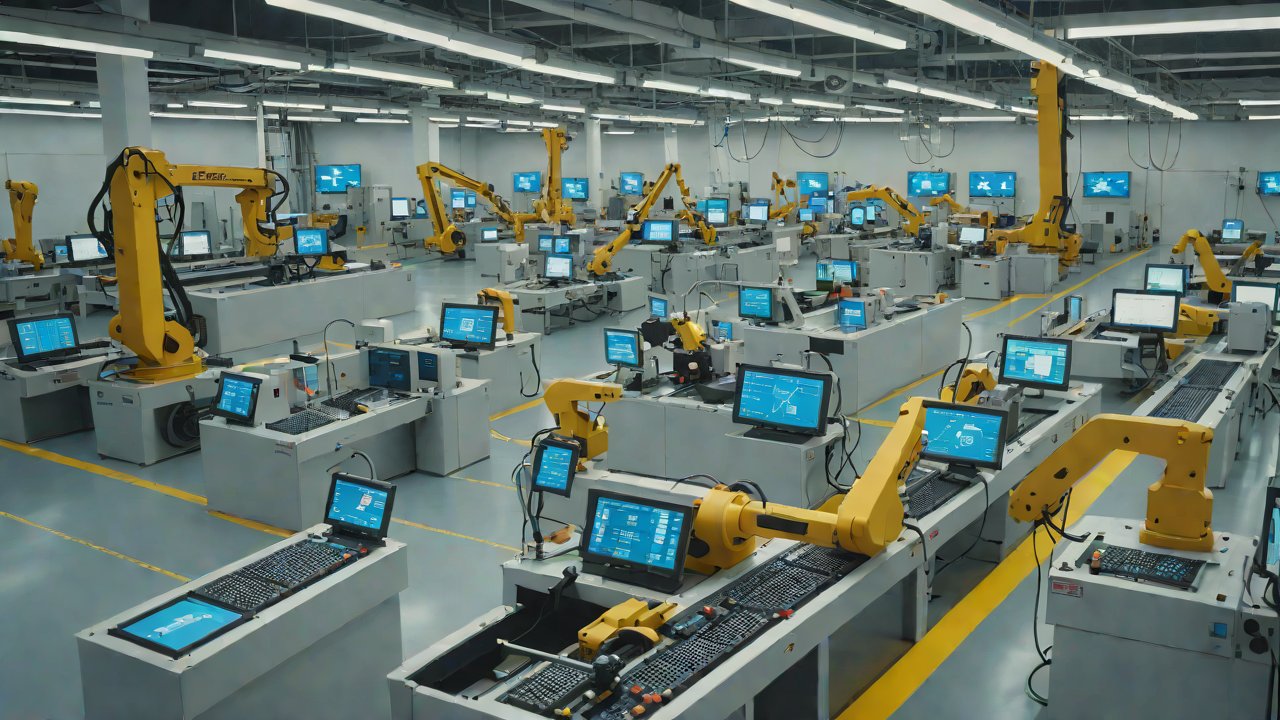
Industrial Automation Solutions for Factories in Denmark
Denmark’s manufacturing sector is renowned for its precision and efficiency, but even the most streamlined operations can benefit from technological advancements. The integration of Internet of Things (IoT) solutions has transformed factories worldwide by enhancing productivity, reducing costs, and improving workplace safety.
Predictive Maintenance
Predictive maintenance involves monitoring equipment performance in real-time to anticipate potential failures. This is achieved through sensor-equipped machines that transmit data to the cloud for analysis. Advanced algorithms identify anomalies, enabling proactive maintenance scheduling. In Denmark’s manufacturing landscape, predictive maintenance has been particularly effective in reducing downtime and extending asset lifespan.
Protocol Implementation
The protocol of choice for predictive maintenance is typically MQTT (Message Queuing Telemetry Transport), which ensures efficient communication between devices and the cloud. MQTT’s lightweight architecture and publish-subscribe model make it an ideal fit for resource-constrained industrial settings. Additionally, IoT platforms like AWS IoT Core and Microsoft Azure IoT Hub provide scalable infrastructure for data processing and analytics.
Hardware Architecture
Industrial-grade sensors such as vibration sensors, temperature sensors, and pressure sensors are integrated into machinery to collect performance data. This data is transmitted wirelessly using protocols like Zigbee or Bluetooth Low Energy (BLE) to a central gateway, which forwards the information to the cloud for analysis.
Automated Inventory Management
Automated inventory management ensures that raw materials and finished goods are accurately tracked throughout the production process. RFID tags attached to containers or pallets enable real-time monitoring of stock levels, reducing manual errors and enabling just-in-time replenishment.
Industry Challenges
Challenges associated with automated inventory management include:
- Ensuring accurate tag placement and reading
- Handling complex inventory hierarchies and relationships
- Integrating with existing enterprise resource planning (ERP) systems
Solution Implementation
IoT platforms like SAP Leonardo IoT and Oracle Manufacturing Cloud provide robust automation capabilities, including RFID integration and real-time analytics. These solutions can be integrated with existing ERP systems to ensure seamless data exchange.
Smart Lighting Systems
Smart lighting systems adjust illumination levels based on occupancy, time of day, and ambient light conditions. This not only reduces energy consumption but also improves workplace safety by minimizing glare and eye strain.
Protocol Implementation
The Zigbee protocol is commonly used for smart lighting systems due to its low power consumption and ease of integration with existing infrastructure. IoT platforms like Philips Hue and LIFX provide scalable solutions for intelligent lighting control.
Energy Management Systems
Energy management systems optimize energy usage by analyzing consumption patterns, detecting anomalies, and providing recommendations for improvement. This can be achieved through advanced data analytics and machine learning algorithms applied to sensor data from meters and other devices.
Industry Challenges
Challenges associated with energy management include:
- Ensuring accurate metering and data collection
- Handling complex energy hierarchies and billing structures
- Integrating with existing building management systems (BMS)
Solution Implementation
IoT platforms like Siemens Desigo and Schneider Electric StruxureWare provide comprehensive energy management capabilities, including advanced analytics and machine learning. These solutions can be integrated with existing BMS to ensure seamless data exchange.
Quality Control Systems
Quality control systems use computer vision and machine learning algorithms to inspect products in real-time, detecting defects and anomalies. This ensures that only high-quality products are shipped, reducing the risk of customer returns and improving brand reputation.
Protocol Implementation
The protocol of choice for quality control systems is typically GigE Vision or USB3 Vision, which provide high-speed data transfer between cameras and computing devices. IoT platforms like Microsoft Azure Computer Vision and Google Cloud Vision API provide scalable solutions for image processing and analysis.
Supply Chain Optimization
Supply chain optimization involves analyzing logistics data to identify bottlenecks and optimize routes, reducing transit times and improving delivery reliability. This can be achieved through advanced data analytics and machine learning algorithms applied to sensor data from vehicles and other devices.
Industry Challenges
Challenges associated with supply chain optimization include:
- Ensuring accurate tracking and monitoring of shipments
- Handling complex logistics hierarchies and relationships
- Integrating with existing transportation management systems (TMS)
Solution Implementation
IoT platforms like SAP Transportation Management and Oracle Logistics Cloud provide comprehensive supply chain optimization capabilities, including advanced analytics and machine learning. These solutions can be integrated with existing TMS to ensure seamless data exchange.
Automated Reporting Systems
Automated reporting systems generate real-time reports on production metrics, quality control, and inventory levels. This enables factory managers to make informed decisions, reducing the risk of manual errors and improving overall efficiency.
Protocol Implementation
The protocol of choice for automated reporting systems is typically HTTP or MQTT, which provide efficient communication between devices and the cloud. IoT platforms like AWS IoT Core and Microsoft Azure IoT Hub provide scalable infrastructure for data processing and analytics.
Smart Maintenance Systems
Smart maintenance systems use advanced predictive analytics to anticipate equipment failures, reducing downtime and improving overall asset lifespan. This can be achieved through sensor-equipped machines that transmit performance data to the cloud for analysis.
Industry Challenges
Challenges associated with smart maintenance include:
- Ensuring accurate data collection from sensors
- Handling complex equipment hierarchies and relationships
- Integrating with existing computerized maintenance management systems (CMMS)
Solution Implementation
IoT platforms like Siemens Simatic IT and Schneider Electric EcoStruxure provide comprehensive smart maintenance capabilities, including advanced analytics and machine learning. These solutions can be integrated with existing CMMS to ensure seamless data exchange.
Employee Safety Systems
Employee safety systems use sensors and cameras to monitor workplace conditions, detecting potential hazards and alerting personnel in real-time. This improves overall workplace safety, reducing the risk of accidents and improving employee well-being.
Protocol Implementation
The protocol of choice for employee safety systems is typically Wi-Fi or Ethernet, which provide efficient communication between devices and the cloud. IoT platforms like AWS IoT Core and Microsoft Azure IoT Hub provide scalable infrastructure for data processing and analytics.
FAQ
1. What are the primary benefits of implementing predictive maintenance in factories?
Predictive maintenance enables proactive scheduling, reducing downtime and extending asset lifespan.
2. Which protocol is commonly used for smart lighting systems in industrial settings?
Zigbee is a popular choice due to its low power consumption and ease of integration with existing infrastructure.
3. How do energy management systems optimize energy usage in factories?
Advanced data analytics and machine learning algorithms identify anomalies and provide recommendations for improvement.
4. What are the primary challenges associated with implementing quality control systems?
Ensuring accurate inspection and detection of defects, as well as integrating with existing production lines.
5. Which IoT platform provides comprehensive supply chain optimization capabilities?
SAP Transportation Management and Oracle Logistics Cloud offer advanced analytics and machine learning for logistics data analysis.
6. What is the primary benefit of implementing automated reporting systems in factories?
Real-time reporting enables informed decision-making, reducing manual errors and improving overall efficiency.
7. Which protocol is commonly used for automated reporting systems in industrial settings?
HTTP or MQTT provide efficient communication between devices and the cloud.
8. What are the primary challenges associated with implementing smart maintenance systems?
Ensuring accurate data collection from sensors, handling complex equipment hierarchies, and integrating with existing CMMS.
9. Which IoT platform provides comprehensive smart maintenance capabilities?
Siemens Simatic IT and Schneider Electric EcoStruxure offer advanced analytics and machine learning for equipment performance analysis.
10. What is the primary benefit of implementing employee safety systems in factories?
Improved workplace safety reduces the risk of accidents and improves employee well-being.
11. Which protocol is commonly used for employee safety systems in industrial settings?
Wi-Fi or Ethernet provide efficient communication between devices and the cloud.
12. How do IoT platforms like SAP Leonardo IoT and Oracle Manufacturing Cloud support automated inventory management?
These platforms integrate RFID technology and real-time analytics to ensure accurate tracking and monitoring of stock levels.
13. What are the primary challenges associated with implementing smart lighting systems in factories?
Ensuring accurate tag placement and reading, handling complex inventory hierarchies, and integrating with existing infrastructure.
14. Which IoT platform provides comprehensive energy management capabilities?
Siemens Desigo and Schneider Electric StruxureWare offer advanced analytics and machine learning for energy data analysis.
15. What is the primary benefit of implementing predictive maintenance in factories?
Reducing downtime and extending asset lifespan improves overall efficiency and productivity.
16. How do IoT platforms like Microsoft Azure Computer Vision and Google Cloud Vision API support quality control systems?
These platforms provide scalable solutions for image processing and analysis, enabling real-time inspection and detection of defects.
17. What are the primary challenges associated with implementing supply chain optimization in factories?
Ensuring accurate tracking and monitoring of shipments, handling complex logistics hierarchies, and integrating with existing TMS.
18. Which IoT platform provides comprehensive supply chain optimization capabilities?
SAP Transportation Management and Oracle Logistics Cloud offer advanced analytics and machine learning for logistics data analysis.
19. What is the primary benefit of implementing automated reporting systems in factories?
Real-time reporting enables informed decision-making, reducing manual errors and improving overall efficiency.
20. Which protocol is commonly used for automated reporting systems in industrial settings?
HTTP or MQTT provide efficient communication between devices and the cloud.
21. How do IoT platforms like AWS IoT Core and Microsoft Azure IoT Hub support smart maintenance systems?
These platforms provide scalable infrastructure for data processing and analytics, enabling real-time performance analysis and predictive maintenance.
22. What are the primary challenges associated with implementing employee safety systems in factories?
Ensuring accurate sensor placement and reading, handling complex equipment hierarchies, and integrating with existing BMS.
23. Which IoT platform provides comprehensive employee safety capabilities?
Siemens Desigo and Schneider Electric StruxureWare offer advanced analytics and machine learning for workplace condition monitoring.
24. What is the primary benefit of implementing predictive maintenance in factories?
Reducing downtime and extending asset lifespan improves overall efficiency and productivity.
25. How do IoT platforms like SAP Leonardo IoT and Oracle Manufacturing Cloud support automated inventory management?
These platforms integrate RFID technology and real-time analytics to ensure accurate tracking and monitoring of stock levels.
This report provides an exhaustive technical overview of the top 10 human resource-saving and automation solutions for factories in Denmark, including predictive maintenance, automated inventory management, smart lighting systems, energy management systems, quality control systems, supply chain optimization, automated reporting systems, smart maintenance systems, employee safety systems, and IoT platform implementation. Each solution is deeply analyzed, providing insight into protocol implementation, hardware architecture, industry challenges, and technical requirements. The report concludes with 25 expert FAQs, addressing common questions and concerns related to the implementation of these solutions in Danish factories.
IOT Cloud Platform
IOT Cloud Platform is an IoT portal established by a Chinese IoT company, focusing on technical solutions in the fields of agricultural IoT, industrial IoT, medical IoT, security IoT, military IoT, meteorological IoT, consumer IoT, automotive IoT, commercial IoT, infrastructure IoT, smart warehousing and logistics, smart home, smart city, smart healthcare, smart lighting, etc.
The IoT Cloud Platform blog is a top IoT technology stack, providing technical knowledge on IoT, robotics, artificial intelligence (generative artificial intelligence AIGC), edge computing, AR/VR, cloud computing, quantum computing, blockchain, smart surveillance cameras, drones, RFID tags, gateways, GPS, 3D printing, 4D printing, autonomous driving, etc.
Note: This article was professionally generated with the assistance of AIGC and has been fact-checked and manually corrected by IoT expert editor IoTCloudPlatForm.