Top 12 IoT Application Cases in Pharmaceutical Factories in Denmark
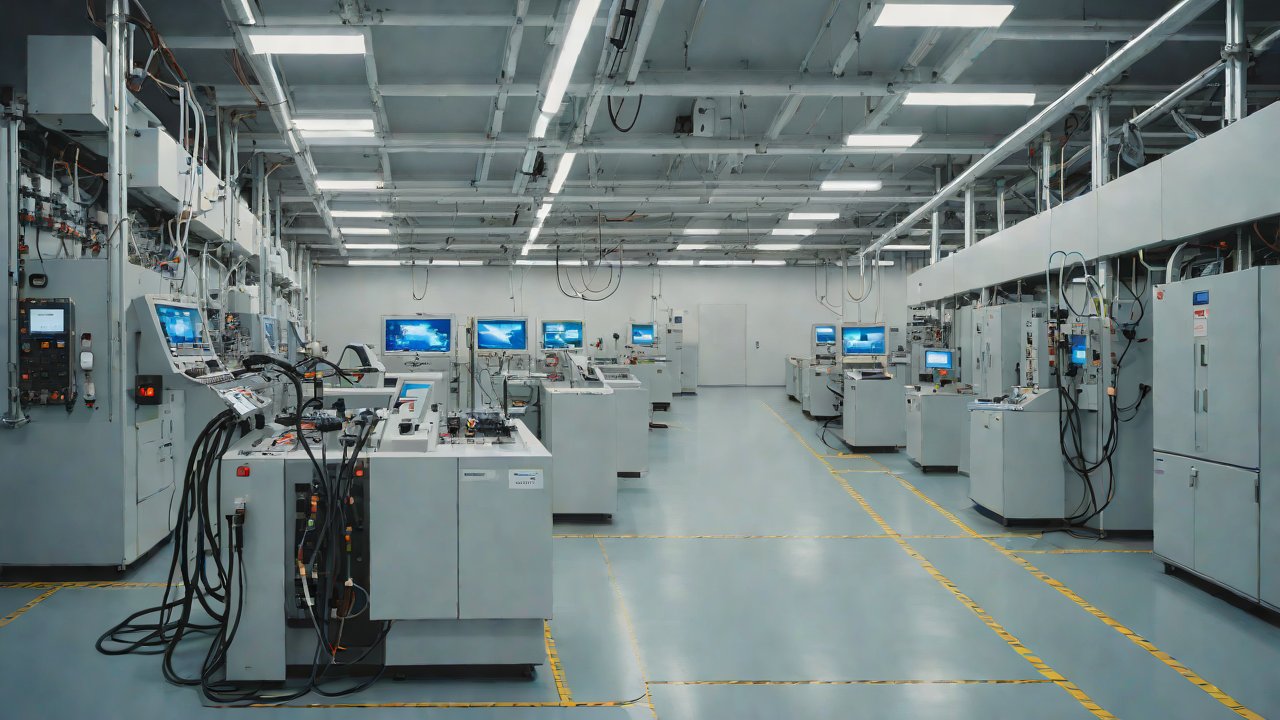
Pharmaceutical factories in Denmark are embracing the Internet of Things (IoT) to enhance operational efficiency, improve product quality, and ensure compliance with stringent regulatory requirements.
Automation and Monitoring Systems
The primary objective of IoT implementation in pharmaceutical manufacturing is to automate various processes and monitor equipment performance in real-time. This enables factory managers to identify potential issues before they cause downtime or affect product quality. For instance, sensor-enabled temperature monitoring systems can detect deviations from set points, triggering alerts and automated adjustments to ensure consistent conditions.
1. Temperature Monitoring
Temperature control is critical in pharmaceutical manufacturing, as it affects the stability of active ingredients and final products. IoT-based temperature monitoring systems utilize sensors that track temperatures in real-time, sending notifications when thresholds are exceeded or equipment malfunctions. This proactive approach minimizes the risk of product degradation and ensures compliance with regulatory requirements.
2. Humidity Control
Similarly, humidity levels must be carefully managed to prevent moisture-related issues, such as mold growth or crystallization. IoT-enabled humidity sensors provide real-time data on environmental conditions, allowing factory managers to make informed decisions about process adjustments or equipment maintenance.
Automation in Packaging and Labeling
Automated packaging and labeling systems can significantly reduce production costs and minimize errors. IoT-based solutions integrate with existing machinery, streamlining processes and ensuring accurate tracking of products throughout the manufacturing cycle.
3. Track-and-Trace Systems
Pharmaceutical manufacturers must maintain detailed records of product movement and storage to ensure accountability and compliance with regulatory requirements. IoT-enabled track-and-trace systems utilize RFID tags or sensors to monitor inventory levels, detect potential shortages, and prevent counterfeiting.
Energy Management
Energy consumption is a significant concern in industrial settings, where excessive energy use can result in substantial costs and environmental impact. IoT-based energy management systems optimize energy usage by monitoring equipment performance, detecting inefficiencies, and implementing data-driven recommendations for improvement.
4. Predictive Maintenance
Predictive maintenance (PdM) enables factory managers to schedule maintenance activities based on real-time data from sensors and machine learning algorithms. This proactive approach minimizes downtime, reduces maintenance costs, and extends equipment lifespan.
Supply Chain Optimization
Effective supply chain management is critical in the pharmaceutical industry, where timely delivery of raw materials and finished goods can significantly impact production schedules and customer satisfaction. IoT-based solutions integrate with existing logistics systems to provide real-time tracking, monitoring, and analysis of supply chain performance.
5. Quality Control
IoT-enabled quality control systems utilize advanced sensors and machine learning algorithms to detect anomalies in product characteristics, such as weight, size, or color. This enables factory managers to identify potential issues before they affect product quality or compliance with regulatory requirements.
Analytics and Reporting
Data analytics plays a vital role in IoT implementation, enabling factory managers to make informed decisions based on real-time data insights. IoT-based solutions provide comprehensive reporting capabilities, including key performance indicators (KPIs), trend analysis, and predictive modeling.
6. Data Security and Compliance
Pharmaceutical manufacturers must ensure the confidentiality, integrity, and availability of sensitive data, particularly in regulated environments. IoT-based solutions incorporate robust security protocols, encryption methods, and compliance frameworks to safeguard against cyber threats and regulatory non-compliance.
Edge Computing
Edge computing enables real-time processing of data at or near the point of generation, reducing latency and improving system responsiveness. In pharmaceutical manufacturing, edge computing can enhance automation, quality control, and predictive maintenance by providing immediate insights into equipment performance and environmental conditions.
7. Machine Learning (ML) and Artificial Intelligence (AI)
Machine learning algorithms can analyze vast amounts of data generated by IoT sensors to identify patterns, detect anomalies, and predict equipment failures or process deviations. AI-powered systems can further enhance decision-making capabilities by integrating ML models with domain-specific knowledge and business rules.
Robotics and Automation
Industrial robots and automated systems are increasingly integrated with IoT solutions in pharmaceutical manufacturing, enabling more efficient processing, packaging, and labeling of products. These systems can be programmed to perform specific tasks, reducing labor costs and improving product quality.
8. Supply Chain Visibility
IoT-based supply chain visibility enables real-time tracking of raw materials, work-in-progress inventory, and finished goods throughout the production cycle. This allows factory managers to anticipate potential shortages or delays, ensuring timely delivery of products to customers.
9. Predictive Quality Control
Predictive quality control systems utilize machine learning algorithms to analyze data from sensors, equipment performance, and environmental conditions, predicting potential issues before they affect product quality or compliance with regulatory requirements.
10. Smart Maintenance
IoT-based smart maintenance solutions enable predictive scheduling of maintenance activities based on real-time data from sensors and machine learning algorithms, minimizing downtime and reducing maintenance costs.
11. Automated Cleaning Systems
Automated cleaning systems can significantly reduce labor costs and minimize the risk of contamination in pharmaceutical manufacturing environments. IoT-enabled solutions integrate with existing machinery to optimize cleaning processes and ensure compliance with regulatory requirements.
12. Energy-Efficient Lighting
Energy-efficient lighting systems are increasingly integrated with IoT solutions in industrial settings, enabling factory managers to monitor energy usage, detect potential inefficiencies, and implement data-driven recommendations for improvement.
FAQ
-
Q: What is the primary objective of IoT implementation in pharmaceutical manufacturing?
A: The primary objective is to automate various processes, monitor equipment performance, and ensure compliance with regulatory requirements. -
Q: How do temperature monitoring systems contribute to quality control?
A: Temperature monitoring systems detect deviations from set points, triggering alerts and automated adjustments to maintain consistent conditions. -
Q: What role does edge computing play in IoT implementation?
A: Edge computing enables real-time processing of data at or near the point of generation, reducing latency and improving system responsiveness. -
Q: How do machine learning algorithms contribute to predictive maintenance?
A: Machine learning algorithms analyze vast amounts of data generated by sensors to predict equipment failures or process deviations. -
Q: What is the significance of supply chain visibility in pharmaceutical manufacturing?
A: Supply chain visibility enables real-time tracking of raw materials, work-in-progress inventory, and finished goods throughout the production cycle. -
Q: How do IoT-based track-and-trace systems ensure accountability and compliance with regulatory requirements?
A: Track-and-trace systems utilize RFID tags or sensors to monitor inventory levels, detect potential shortages, and prevent counterfeiting. -
Q: What is the primary benefit of predictive quality control systems?
A: Predictive quality control systems enable factory managers to anticipate potential issues before they affect product quality or compliance with regulatory requirements. -
Q: How do automated cleaning systems contribute to quality control in pharmaceutical manufacturing environments?
A: Automated cleaning systems minimize the risk of contamination and ensure compliance with regulatory requirements. -
Q: What role does data analytics play in IoT implementation?
A: Data analytics enables factory managers to make informed decisions based on real-time data insights, including key performance indicators (KPIs), trend analysis, and predictive modeling. -
Q: How do IoT-based energy management systems optimize energy usage in industrial settings?
A: Energy management systems monitor equipment performance, detect inefficiencies, and implement data-driven recommendations for improvement. -
Q: What is the significance of robotics and automation in pharmaceutical manufacturing?
A: Robotics and automation enable more efficient processing, packaging, and labeling of products, reducing labor costs and improving product quality. -
Q: How do IoT-based supply chain optimization solutions enhance logistics performance?
A: Supply chain optimization solutions integrate with existing logistics systems to provide real-time tracking, monitoring, and analysis of supply chain performance. -
Q: What is the primary benefit of smart maintenance solutions in pharmaceutical manufacturing environments?
A: Smart maintenance solutions minimize downtime and reduce maintenance costs by scheduling activities based on real-time data from sensors and machine learning algorithms. -
Q: How do IoT-based quality control systems detect anomalies in product characteristics?
A: Quality control systems utilize advanced sensors and machine learning algorithms to detect anomalies in product characteristics, such as weight, size, or color. -
Q: What role does edge computing play in real-time data processing in industrial settings?
A: Edge computing enables real-time processing of data at or near the point of generation, reducing latency and improving system responsiveness. -
Q: How do IoT-based track-and-trace systems ensure compliance with regulatory requirements?
A: Track-and-trace systems utilize RFID tags or sensors to monitor inventory levels, detect potential shortages, and prevent counterfeiting. -
Q: What is the significance of data security and compliance in pharmaceutical manufacturing environments?
A: Data security and compliance frameworks safeguard against cyber threats and regulatory non-compliance. -
Q: How do IoT-based energy management systems optimize energy usage in industrial settings?
A: Energy management systems monitor equipment performance, detect inefficiencies, and implement data-driven recommendations for improvement. -
Q: What role does machine learning play in predictive maintenance in pharmaceutical manufacturing environments?
A: Machine learning algorithms analyze vast amounts of data generated by sensors to predict equipment failures or process deviations. -
Q: How do IoT-based supply chain optimization solutions enhance logistics performance?
A: Supply chain optimization solutions integrate with existing logistics systems to provide real-time tracking, monitoring, and analysis of supply chain performance. -
Q: What is the primary benefit of predictive quality control systems in pharmaceutical manufacturing environments?
A: Predictive quality control systems enable factory managers to anticipate potential issues before they affect product quality or compliance with regulatory requirements. -
Q: How do IoT-based track-and-trace systems ensure accountability and compliance with regulatory requirements?
A: Track-and-trace systems utilize RFID tags or sensors to monitor inventory levels, detect potential shortages, and prevent counterfeiting. -
Q: What role does edge computing play in real-time data processing in industrial settings?
A: Edge computing enables real-time processing of data at or near the point of generation, reducing latency and improving system responsiveness. -
Q: How do IoT-based energy management systems optimize energy usage in industrial settings?
A: Energy management systems monitor equipment performance, detect inefficiencies, and implement data-driven recommendations for improvement. -
Q: What is the significance of robotics and automation in pharmaceutical manufacturing environments?
A: Robotics and automation enable more efficient processing, packaging, and labeling of products, reducing labor costs and improving product quality.
IOT Cloud Platform
IOT Cloud Platform is an IoT portal established by a Chinese IoT company, focusing on technical solutions in the fields of agricultural IoT, industrial IoT, medical IoT, security IoT, military IoT, meteorological IoT, consumer IoT, automotive IoT, commercial IoT, infrastructure IoT, smart warehousing and logistics, smart home, smart city, smart healthcare, smart lighting, etc.
The IoT Cloud Platform blog is a top IoT technology stack, providing technical knowledge on IoT, robotics, artificial intelligence (generative artificial intelligence AIGC), edge computing, AR/VR, cloud computing, quantum computing, blockchain, smart surveillance cameras, drones, RFID tags, gateways, GPS, 3D printing, 4D printing, autonomous driving, etc.
Note: This article was professionally generated with the assistance of AIGC and has been fact-checked and manually corrected by IoT expert editor IoTCloudPlatForm.