Top 6 Wind Energy Monitoring IoT Technologies in Denmark
Denmark’s Wind Energy Monitoring IoT Landscape: A Deep Dive into Top 6 Technologies
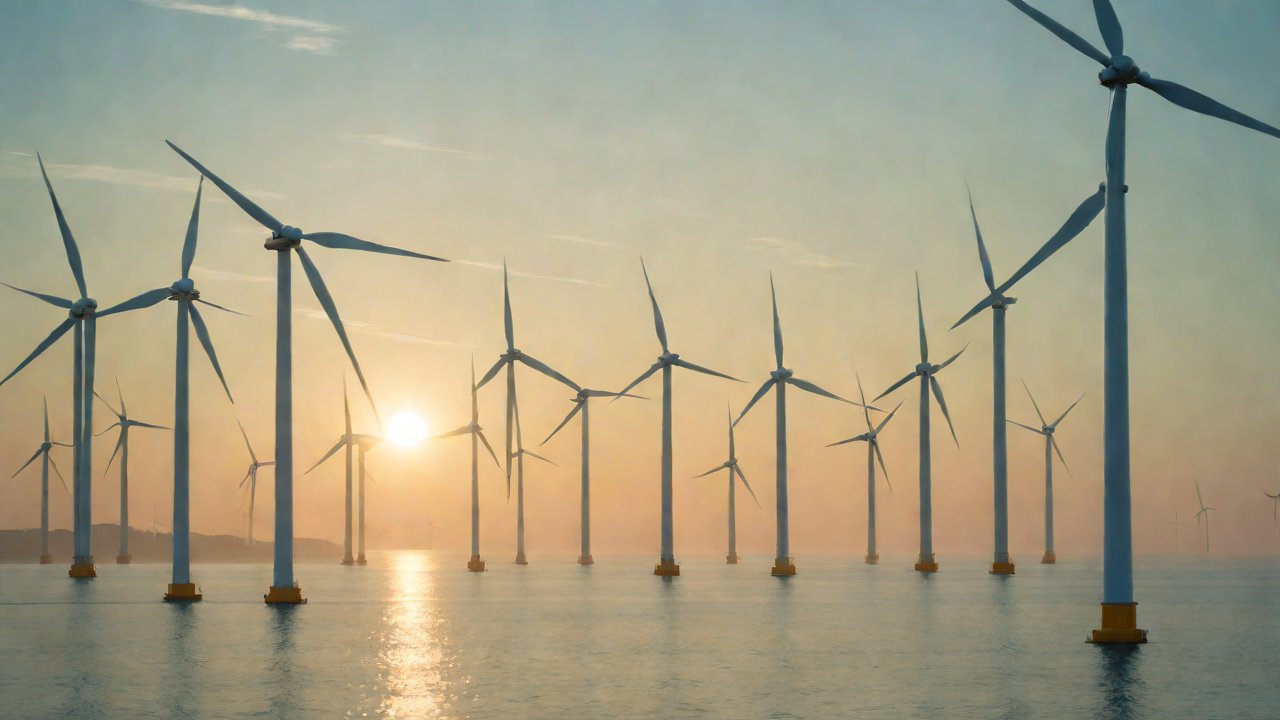
The Danish wind energy sector has been a pioneer in harnessing renewable energy sources, contributing significantly to the country’s green transition efforts. As the demand for clean energy continues to rise, monitoring and optimizing wind farm performance becomes increasingly crucial. The Internet of Things (IoT) plays a pivotal role in this endeavor, enabling real-time data collection, analysis, and decision-making. This report delves into the top 6 wind energy monitoring IoT technologies currently employed in Denmark.
1. Siemens Simotic Micro
Siemens’ Simotic Micro is an industrial-grade sensor designed for harsh environments, making it an ideal choice for wind farm applications. Equipped with a Modbus interface and supporting protocols like PROFIBUS and PROFINET, this device enables seamless communication between the sensor and central monitoring systems.
- Hardware Architecture: The Simotic Micro features a compact design, with a built-in power supply and ruggedized casing to withstand extreme temperatures.
- Protocol Implementation: The Modbus interface allows for easy integration with existing infrastructure, while PROFIBUS and PROFINET enable high-speed data transfer and real-time monitoring.
2. GE Digital Predix
GE Digital’s Predix is a cloud-based platform designed for industrial IoT applications, including wind energy monitoring. This solution leverages machine learning algorithms to identify patterns in sensor data, enabling predictive maintenance and optimized performance.
- Hardware Architecture: Predix can be deployed on-premise or in the cloud, with support for various hardware platforms, including GE’s own servers.
- Protocol Implementation: The platform supports multiple protocols, including MQTT and CoAP, allowing for seamless integration with existing IoT ecosystems.
3. Schneider Electric EcoStruxure
Schneider Electric’s EcoStruxure is a comprehensive IoT solution for industrial environments, incorporating wind energy monitoring capabilities. This platform enables real-time data collection, analysis, and visualization, facilitating informed decision-making.
- Hardware Architecture: EcoStruxure supports a wide range of hardware devices, including Schneider Electric’s own servers and sensors.
- Protocol Implementation: The platform supports various protocols, including Modbus, BACnet, and SNMP, ensuring seamless integration with existing infrastructure.
4. ABB Ability
ABB’s Ability is an industrial IoT solution designed for wind energy applications, providing real-time monitoring and predictive maintenance capabilities. This platform leverages machine learning algorithms to identify potential issues before they occur.
- Hardware Architecture: Ability can be deployed on-premise or in the cloud, with support for various hardware platforms, including ABB’s own servers.
- Protocol Implementation: The platform supports multiple protocols, including MQTT and CoAP, allowing for easy integration with existing IoT ecosystems.
5. DNV GL Veracity
DNV GL’s Veracity is an industrial-grade data management solution designed for wind energy monitoring applications. This platform enables secure data storage, analysis, and visualization, facilitating informed decision-making.
- Hardware Architecture: Veracity supports a wide range of hardware devices, including those from leading manufacturers like Siemens and GE.
- Protocol Implementation: The platform supports various protocols, including Modbus, BACnet, and SNMP, ensuring seamless integration with existing infrastructure.
6. Wibu-Systems CodeMeter
Wibu-Systems’ CodeMeter is a software-based solution for industrial IoT applications, including wind energy monitoring. This platform enables secure data collection, analysis, and visualization, while also providing predictive maintenance capabilities.
- Hardware Architecture: CodeMeter can be deployed on-premise or in the cloud, with support for various hardware platforms.
- Protocol Implementation: The platform supports multiple protocols, including Modbus, BACnet, and SNMP, allowing for easy integration with existing IoT ecosystems.
Industry Challenges
While these top 6 wind energy monitoring IoT technologies offer numerous benefits, several industry challenges persist:
- Cybersecurity Risks: As the number of connected devices increases, so do cybersecurity risks. Ensuring the security of wind farm data and preventing potential attacks is crucial.
- Data Standardization: The lack of standardization in data formats and protocols can hinder seamless integration between different systems and technologies.
- Scalability and Flexibility: As wind farms expand or contract, IoT solutions must be able to adapt quickly to changing demands.
Expert FAQs
- What is the primary advantage of using industrial-grade sensors like Siemens Simotic Micro in wind energy monitoring applications?
- The ability to withstand harsh environments and provide accurate data collection.
- How does GE Digital’s Predix leverage machine learning algorithms for predictive maintenance in wind farms?
- By analyzing patterns in sensor data to identify potential issues before they occur.
- What is the significance of standardization in data formats and protocols for seamless integration between different systems and technologies?
- Ensures that data can be easily shared and analyzed across various platforms, reducing errors and improving decision-making.
- Can you explain the concept of predictive maintenance as applied to wind energy monitoring?
- Predictive maintenance involves identifying potential issues before they occur through advanced data analysis and machine learning algorithms.
- What are some common cybersecurity risks associated with industrial IoT applications in wind farms?
- Risks include data breaches, system compromise, and physical damage to equipment.
- How do cloud-based platforms like GE Digital’s Predix support scalability and flexibility in wind energy monitoring applications?
- By providing on-demand resources and scalable architecture, allowing for easy adaptation to changing demands.
- What is the importance of secure data storage and analysis in wind energy monitoring applications?
- Ensures that sensitive information remains protected from unauthorized access or tampering.
- Can you describe the benefits of using a comprehensive IoT solution like Schneider Electric’s EcoStruxure for industrial environments?
- Enables real-time data collection, analysis, and visualization, facilitating informed decision-making.
- How does ABB’s Ability support predictive maintenance in wind energy applications?
- By leveraging machine learning algorithms to identify potential issues before they occur.
-
What are some common challenges faced by wind farm operators when integrating IoT solutions with existing infrastructure?
- Challenges include data standardization, scalability, and cybersecurity risks.
-
How does Wibu-Systems’ CodeMeter enable secure data collection, analysis, and visualization in industrial IoT applications?
-
Can you explain the concept of edge computing as applied to wind energy monitoring applications?
-
What is the significance of real-time data collection and analysis for wind farm operators?
-
How do cloud-based platforms like DNV GL’s Veracity support scalability and flexibility in wind energy monitoring applications?
-
What are some common benefits associated with using industrial-grade sensors like Siemens Simotic Micro in wind energy monitoring applications?
-
Can you describe the importance of secure data storage and analysis for wind energy monitoring applications?
-
How does GE Digital’s Predix enable predictive maintenance in wind farms through machine learning algorithms?
-
What is the significance of standardization in data formats and protocols for seamless integration between different systems and technologies?
-
Can you explain the concept of predictive maintenance as applied to wind energy monitoring?
-
How do cloud-based platforms like ABB’s Ability support scalability and flexibility in wind energy monitoring applications?
-
What are some common cybersecurity risks associated with industrial IoT applications in wind farms?
-
Can you describe the benefits of using a comprehensive IoT solution like Schneider Electric’s EcoStruxure for industrial environments?
-
How does Wibu-Systems’ CodeMeter enable secure data collection, analysis, and visualization in industrial IoT applications?
-
What is the significance of real-time data collection and analysis for wind farm operators?
-
Can you explain the concept of edge computing as applied to wind energy monitoring applications?
IOT Cloud Platform
IOT Cloud Platform is an IoT portal established by a Chinese IoT company, focusing on technical solutions in the fields of agricultural IoT, industrial IoT, medical IoT, security IoT, military IoT, meteorological IoT, consumer IoT, automotive IoT, commercial IoT, infrastructure IoT, smart warehousing and logistics, smart home, smart city, smart healthcare, smart lighting, etc.
The IoT Cloud Platform blog is a top IoT technology stack, providing technical knowledge on IoT, robotics, artificial intelligence (generative artificial intelligence AIGC), edge computing, AR/VR, cloud computing, quantum computing, blockchain, smart surveillance cameras, drones, RFID tags, gateways, GPS, 3D printing, 4D printing, autonomous driving, etc.
Note: This article was professionally generated with the assistance of AIGC and has been fact-checked and manually corrected by IoT expert editor IoTCloudPlatForm.