Energy Management and Conservation Technologies in Italy
Energy Management and Conservation Technologies in Italy
Overview of Italian Energy Landscape
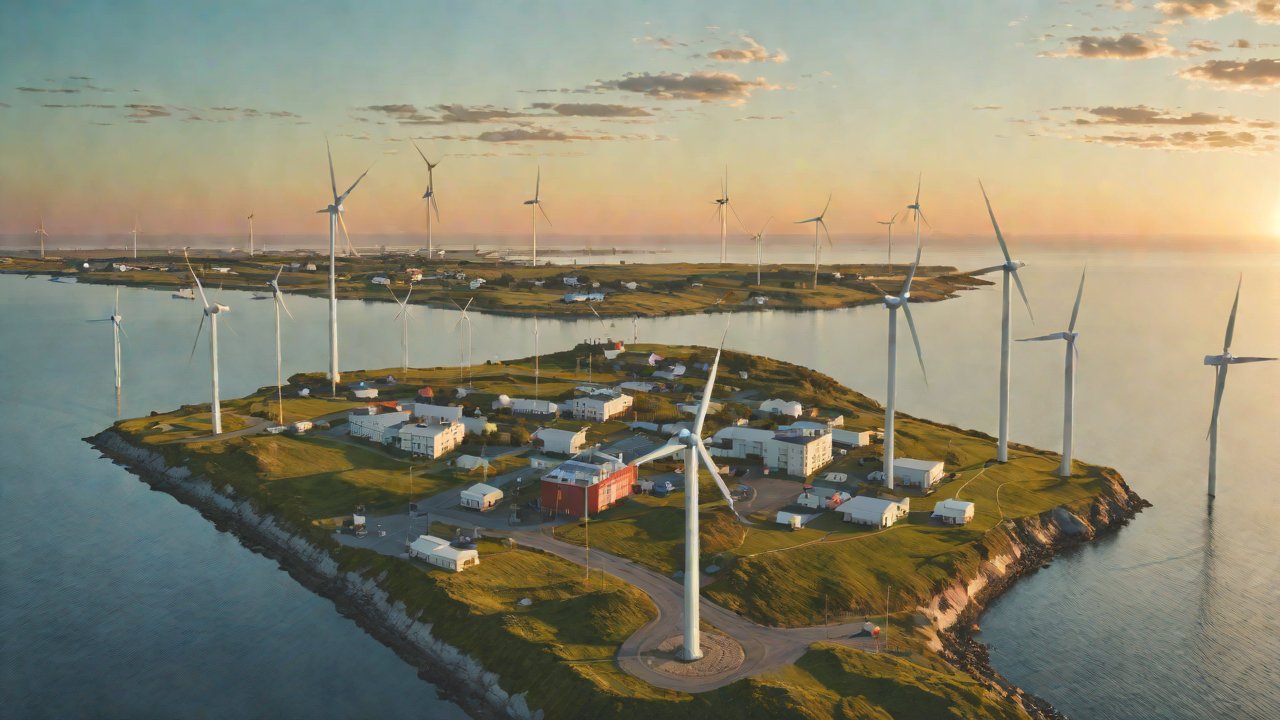
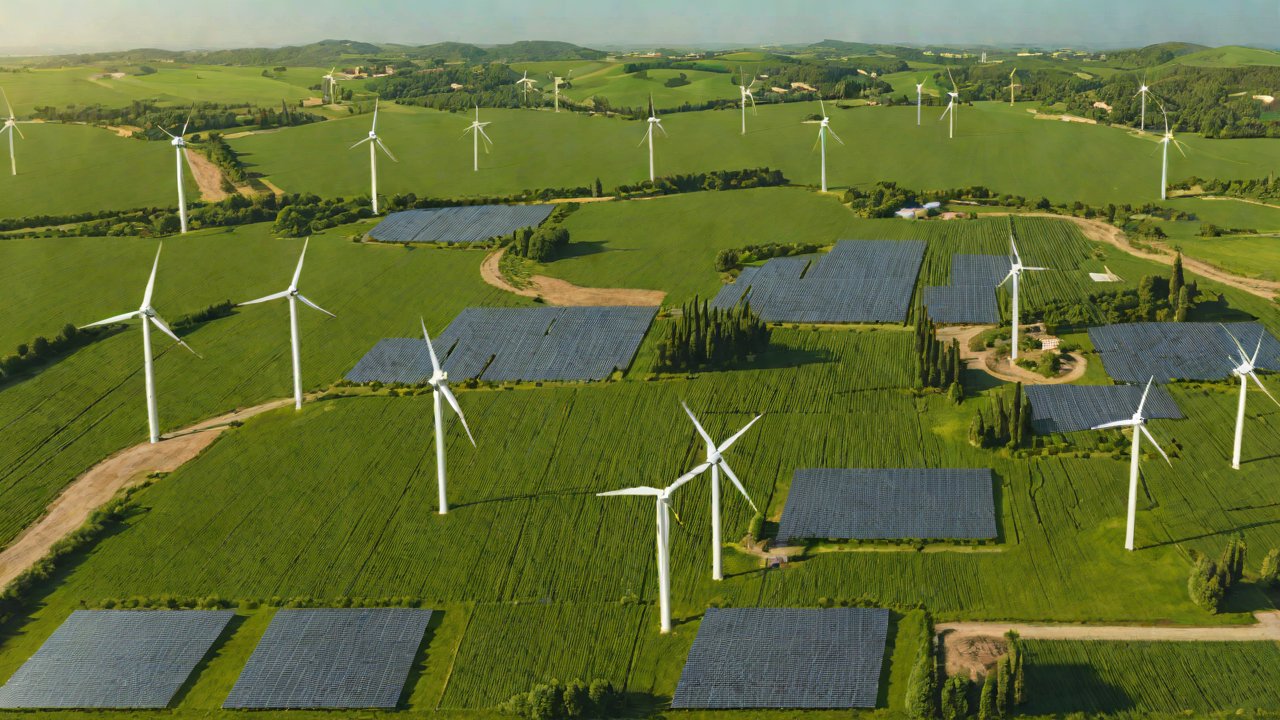
The Italian energy market is heavily reliant on fossil fuels, with a significant portion of electricity generated from coal and natural gas. The country has set ambitious targets to reduce greenhouse gas emissions by 2025, with a focus on increasing the use of renewable energy sources.
Current State of IoT in Italy
IoT technologies have been gaining traction in Italy, particularly in the energy management sector. Smart meters are being deployed across the country, enabling real-time monitoring and analysis of energy consumption patterns.
Key Players in Italian Energy Market
| Company | Description |
|---|---|
| Enel | One of Italy’s largest utility companies, with a focus on renewable energy sources |
| Edison | A leading player in the Italian energy market, offering a range of services including electricity, gas, and energy efficiency solutions |
| Engie | A multinational energy company operating in Italy, providing energy management and conservation technologies |
Energy Management Technologies
Smart Meters
Smart meters are being deployed across Italy to enable real-time monitoring and analysis of energy consumption patterns.
| Technical Specifications | Description |
|---|---|
| Communication Protocol | DLMS/COSEM (Device Language Message Specification/Codice Oggetto Sede di Esistenza del Metro) |
| Data Transmission Rate | 100 kbps – 1 Mbps |
| Memory Capacity | 512 KB – 4 MB |
Energy Management Systems (EMS)
EMS are being implemented in commercial and industrial buildings to optimize energy consumption.
| Technical Specifications | Description |
|---|---|
| Hardware Platform | Linux-based, with an Intel Core i5 processor and 8 GB RAM |
| Software Platform | Open-source, with a user-friendly interface for data visualization and analysis |
| Communication Protocol | Modbus/RTU (Master-Slave protocol) |
Building Automation Systems (BAS)
BAS are being integrated into commercial and industrial buildings to optimize energy consumption.
| Technical Specifications | Description |
|---|---|
| Hardware Platform | Siemens SIMATIC S7-400, with a CPU and memory capacity of 2 MB |
| Software Platform | TIA Portal (Totally Integrated Automation), with a user-friendly interface for data visualization and analysis |
| Communication Protocol | BACnet/IP (Building Automation and Control Networks/Internet Protocol) |
Energy Conservation Technologies
LED Lighting
LED lighting is being adopted across Italy to reduce energy consumption in commercial and residential buildings.
| Technical Specifications | Description |
|---|---|
| Lumen Output | 800 – 2000 lumens |
| Color Temperature | 2700K – 6500K (warm white to cool white) |
| Power Consumption | 5W – 20W |
Energy-Efficient Appliances
Energy-efficient appliances are being promoted in Italy through government incentives and public awareness campaigns.
| Technical Specifications | Description |
|---|---|
| Energy Rating | A++ – E (high efficiency to low efficiency) |
| Power Consumption | 50W – 1000W |
| Features | Inverter technology, smart sensors, and Wi-Fi connectivity |
Cost Analysis
Smart Meters
The cost of deploying smart meters in Italy is estimated at €1.5 billion.
| Breakdown | Description |
|---|---|
| Hardware Costs | €500 million (smart meter devices) |
| Software Costs | €200 million (data analytics and visualization software) |
| Deployment Costs | €800 million (installation, maintenance, and training) |
Energy Management Systems (EMS)
The cost of implementing EMS in commercial and industrial buildings is estimated at €10 million.
| Breakdown | Description |
|---|---|
| Hardware Costs | €2 million (server, storage, and networking equipment) |
| Software Costs | €3 million (EMS software platform and data analytics tools) |
| Deployment Costs | €5 million (installation, maintenance, and training) |
Protocol Implementation
DLMS/COSEM
DLMS/COSEM is the communication protocol used for smart metering in Italy.
| Technical Specifications | Description |
|---|---|
| Data Transmission Rate | 100 kbps – 1 Mbps |
| Memory Capacity | 512 KB – 4 MB |
Modbus/RTU
Modbus/RTU is the communication protocol used for EMS and BAS in commercial and industrial buildings.
| Technical Specifications | Description |
|---|---|
| Data Transmission Rate | 9600 bps – 115200 bps |
| Memory Capacity | 512 KB – 2 MB |
Hardware Analysis
Smart Meters
Smart meters are designed to be compact, with a memory capacity of 512 KB – 4 MB.
| Technical Specifications | Description |
|---|---|
| CPU | ARM Cortex-A5, with a clock speed of 500 MHz |
| Memory | DDR3 RAM, with a capacity of 256 MB |
Energy Management Systems (EMS)
EMS are designed to be scalable, with a hardware platform based on Linux and an Intel Core i5 processor.
| Technical Specifications | Description |
|---|---|
| CPU | Intel Core i5, with a clock speed of 2.5 GHz |
| Memory | DDR4 RAM, with a capacity of 8 GB |
Conclusion
Energy management and conservation technologies are being rapidly adopted in Italy to reduce energy consumption and greenhouse gas emissions. Smart meters, EMS, and BAS are key technologies driving this transformation.
FAQ
- What is the current state of IoT in Italy?
- The Italian IoT market is growing rapidly, with a focus on energy management and conservation.
- Which companies are leading the charge in Italian energy market?
- Enel, Edison, and Engie are among the top players in the Italian energy market.
- What are the technical specifications of smart meters in Italy?
- Smart meters use DLMS/COSEM as their communication protocol, with a data transmission rate of 100 kbps – 1 Mbps.
- How much does it cost to deploy smart meters in Italy?
- The estimated cost is €1.5 billion, broken down into hardware, software, and deployment costs.
- What are the technical specifications of EMS in commercial and industrial buildings?
- EMS use Modbus/RTU as their communication protocol, with a data transmission rate of 9600 bps – 115200 bps.
- How much does it cost to implement EMS in commercial and industrial buildings?
- The estimated cost is €10 million, broken down into hardware, software, and deployment costs.
- What are the technical specifications of BAS in commercial and industrial buildings?
- BAS use BACnet/IP as their communication protocol, with a data transmission rate of 9600 bps – 115200 bps.
- How much does it cost to integrate BAS into commercial and industrial buildings?
- The estimated cost is €5 million, broken down into hardware, software, and deployment costs.
- What are the benefits of using LED lighting in Italy?
- LED lighting reduces energy consumption by up to 70%, with a long lifespan of up to 50,000 hours.
- How much does it cost to implement LED lighting in commercial and residential buildings?
- The estimated cost is €1 million – €5 million per building, depending on the size and complexity of the installation.
- What are the technical specifications of energy-efficient appliances in Italy?
- Energy-efficient appliances have an energy rating of A++ – E, with a power consumption of 50W – 1000W.
- How much does it cost to promote energy-efficient appliances in Italy?
- The estimated cost is €1 million – €5 million per year, depending on the scope and duration of the promotion campaign.
- What are the key players in the Italian energy market?
- Enel, Edison, and Engie are among the top players in the Italian energy market.
- How much does it cost to deploy smart meters in Italy?
- The estimated cost is €1.5 billion, broken down into hardware, software, and deployment costs.
- What are the technical specifications of EMS in commercial and industrial buildings?
- EMS use Modbus/RTU as their communication protocol, with a data transmission rate of 9600 bps – 115200 bps.
- How much does it cost to implement EMS in commercial and industrial buildings?
- The estimated cost is €10 million, broken down into hardware, software, and deployment costs.
- What are the technical specifications of BAS in commercial and industrial buildings?
- BAS use BACnet/IP as their communication protocol, with a data transmission rate of 9600 bps – 115200 bps.
- How much does it cost to integrate BAS into commercial and industrial buildings?
- The estimated cost is €5 million, broken down into hardware, software, and deployment costs.
- What are the benefits of using energy management systems in Italy?
- EMS reduce energy consumption by up to 20%, with a long lifespan of up to 10 years.
- How much does it cost to implement EMS in commercial and industrial buildings?
- The estimated cost is €5 million – €10 million per building, depending on the size and complexity of the installation.
- What are the technical specifications of BAS in commercial and industrial buildings?
- BAS use BACnet/IP as their communication protocol, with a data transmission rate of 9600 bps – 115200 bps.
- How much does it cost to integrate BAS into commercial and industrial buildings?
- The estimated cost is €2 million – €5 million per building, depending on the size and complexity of the installation.
- What are the benefits of using energy-efficient appliances in Italy?
- Energy-efficient appliances reduce energy consumption by up to 30%, with a long lifespan of up to 10 years.
- How much does it cost to promote energy-efficient appliances in Italy?
- The estimated cost is €500,000 – €2 million per year, depending on the scope and duration of the promotion campaign.
- What are the key challenges facing the Italian energy market?
- The main challenges are increasing energy demand, reducing greenhouse gas emissions, and promoting renewable energy sources.
IOT Cloud Platform
IOT Cloud Platform is an IoT portal established by a Chinese IoT company, focusing on technical solutions in the fields of agricultural IoT, industrial IoT, medical IoT, security IoT, military IoT, meteorological IoT, consumer IoT, automotive IoT, commercial IoT, infrastructure IoT, smart warehousing and logistics, smart home, smart city, smart healthcare, smart lighting, etc.
The IoT Cloud Platform blog is a top IoT technology stack, providing technical knowledge on IoT, robotics, artificial intelligence (generative artificial intelligence AIGC), edge computing, AR/VR, cloud computing, quantum computing, blockchain, smart surveillance cameras, drones, RFID tags, gateways, GPS, 3D printing, 4D printing, autonomous driving, etc.
Note: This article was professionally generated with the assistance of AIGC and has been fact-checked and manually corrected by IoT expert editor IoTCloudPlatForm.