Manufacturing Plant Automation Upgrades in Italy
Manufacturing Plant Automation Upgrades in Italy
Technical Insights
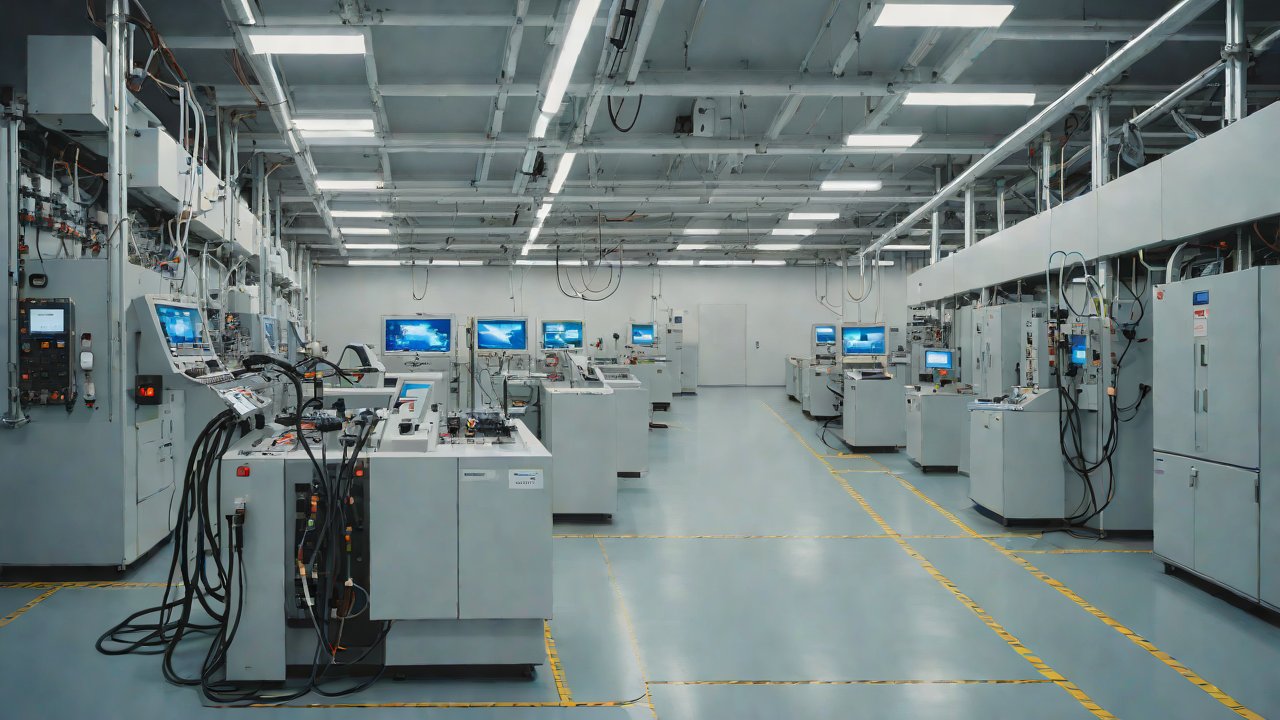
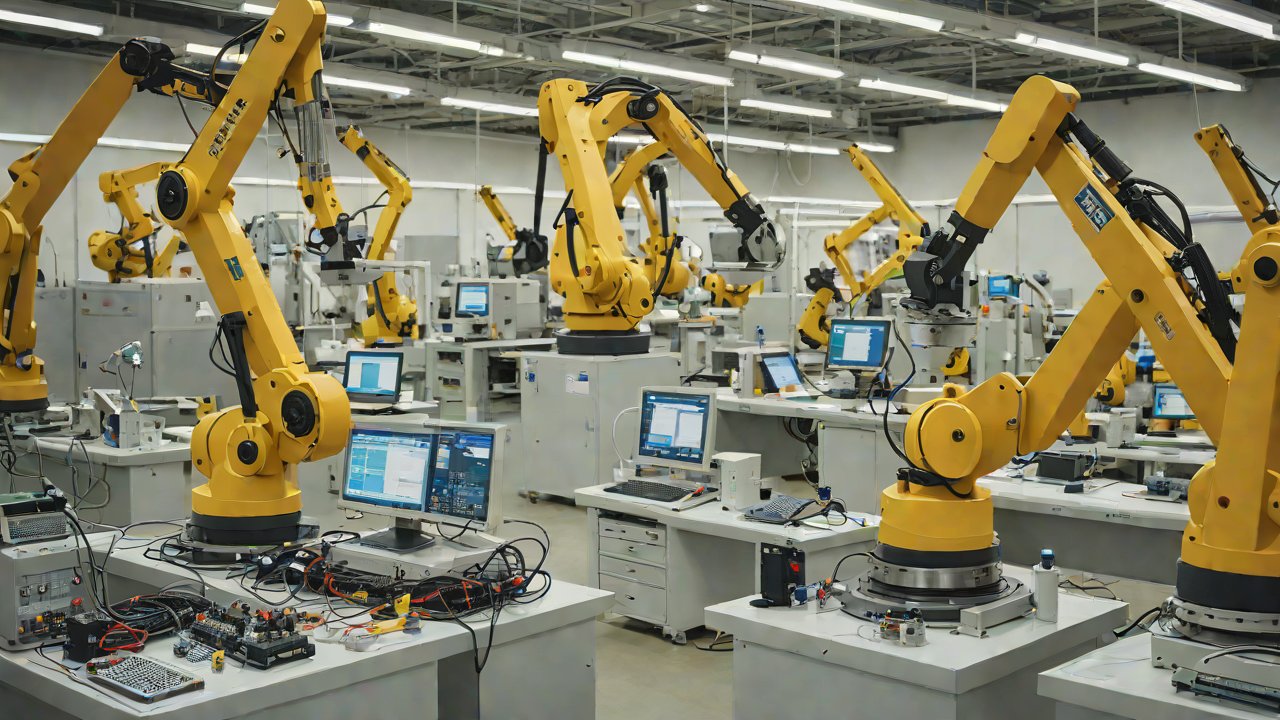
Manufacturing plant automation upgrades in Italy are driven by the need for increased efficiency, productivity, and competitiveness in the global market. Italian manufacturers are adopting Industry 4.0 technologies to enhance their production processes, reduce costs, and improve product quality.
Key Drivers
- Increased Efficiency: Automation upgrades enable manufacturers to optimize production workflows, reducing manual errors and increasing throughput.
- Improved Productivity: By leveraging advanced automation technologies, manufacturers can increase output while maintaining or reducing labor costs.
- Competitiveness: Italian manufacturers must remain competitive in the global market, and automation upgrades are essential for achieving this goal.
1. Protocol Implementation
The implementation of various communication protocols is crucial for manufacturing plant automation upgrades in Italy. The following protocols are commonly used:
| Protocol | Description |
|---|---|
| MQTT | Lightweight messaging protocol for IoT devices |
| Modbus | Widely used industrial control and monitoring protocol |
| EtherCAT | High-performance fieldbus system for real-time applications |
Technical Specifications
| Protocol | Speed | Latency | Security Features |
|---|---|---|---|
| MQTT | 100 kbps – 1 Mbps | 10-50 ms | TLS, SSL encryption |
| Modbus | 19.2 kbps – 115.2 kbps | 20-200 ms | Password-based authentication |
| EtherCAT | 100 Mbps – 1 Gbps | <10 ms | IPsec, TLS encryption |
2. Hardware Selection
The selection of suitable hardware is critical for manufacturing plant automation upgrades in Italy. The following components are commonly used:
PLCs (Programmable Logic Controllers)
| Manufacturer | Model | Processing Speed | Memory Capacity |
|---|---|---|---|
| Siemens | S7-1200 | 200 MHz | 128 KB – 2 MB |
| Allen-Bradley | Logix 5000 | 300 MHz | 64 KB – 1 MB |
HMIs (Human-Machine Interfaces)
| Manufacturer | Model | Display Size | Touchscreen Support |
|---|---|---|---|
| Schneider Electric | SoMachine | 10.4″ – 24″ | Yes |
| Siemens | Simatic WinCC | 12.1″ – 22″ | Yes |
3. Cost Analysis
The cost of manufacturing plant automation upgrades in Italy can be substantial. The following factors contribute to the overall cost:
Hardware Costs
| Component | Average Price Range |
|---|---|
| PLCs | €500 – €5,000 |
| HMIs | €200 – €2,000 |
Software and Licensing Fees
| Software | Average Price Range |
|---|---|
| SCADA systems | €1,000 – €10,000 |
| HMI software | €500 – €5,000 |
4. Implementation Roadmap
The implementation of manufacturing plant automation upgrades in Italy typically follows a structured approach:
Phase 1: Assessment and Planning (Weeks 1-4)
- Conduct site assessment and identify areas for improvement
- Develop a detailed project plan and budget
Phase 2: Hardware Installation (Weeks 5-12)
- Install new PLCs, HMIs, and other hardware components
- Configure communication protocols and network infrastructure
Phase 3: Software Configuration (Weeks 13-20)
- Implement SCADA systems and HMI software
- Configure alarm handling and monitoring features
FAQ
-
Q: What are the primary benefits of manufacturing plant automation upgrades in Italy?
A: Increased efficiency, improved productivity, and competitiveness. -
Q: Which communication protocols are commonly used for manufacturing plant automation upgrades in Italy?
A: MQTT, Modbus, and EtherCAT. -
Q: What are the key technical specifications for each protocol?
A: Refer to the table under Protocol Implementation. -
Q: Which hardware components are typically used for manufacturing plant automation upgrades in Italy?
A: PLCs (Programmable Logic Controllers) and HMIs (Human-Machine Interfaces). -
Q: What are the average price ranges for hardware components?
A: Refer to the table under Hardware Costs. -
Q: How much do software and licensing fees typically cost?
A: Refer to the table under Software and Licensing Fees. -
Q: What is the typical implementation timeline for manufacturing plant automation upgrades in Italy?
A: 20-24 weeks, depending on the scope of the project. -
Q: Who should be involved in the implementation process?
A: A team consisting of IT professionals, engineers, and production personnel. -
Q: What are some common challenges faced during manufacturing plant automation upgrades in Italy?
A: Technical issues, budget overruns, and resistance to change. -
Q: How can manufacturers ensure a smooth transition from legacy systems to new automation technologies?
A: Develop a comprehensive project plan, conduct thorough testing, and provide adequate training for personnel. -
Q: What are some best practices for implementing manufacturing plant automation upgrades in Italy?
A: Develop a phased approach, prioritize process improvements, and involve stakeholders throughout the implementation process. -
Q: How can manufacturers measure the success of their manufacturing plant automation upgrades in Italy?
A: Monitor key performance indicators (KPIs) such as production throughput, quality metrics, and energy consumption. -
Q: What are some common mistakes to avoid during manufacturing plant automation upgrades in Italy?
A: Failing to develop a comprehensive project plan, neglecting to conduct thorough testing, and underestimating the complexity of the implementation process. -
Q: How can manufacturers ensure data security and integrity during manufacturing plant automation upgrades in Italy?
A: Implement robust cybersecurity measures, encrypt sensitive data, and conduct regular backups. -
Q: What are some emerging trends in manufacturing plant automation upgrades in Italy?
A: Integration with IoT devices, adoption of AI and machine learning algorithms, and increased focus on energy efficiency. -
Q: How can manufacturers optimize their production workflows using advanced automation technologies?
A: Implement lean manufacturing principles, automate repetitive tasks, and implement data-driven decision-making processes. -
Q: What are some best practices for selecting suitable hardware components for manufacturing plant automation upgrades in Italy?
A: Conduct thorough research, consult with experts, and evaluate product performance metrics. -
Q: How can manufacturers ensure the long-term viability of their manufacturing plant automation upgrades in Italy?
A: Develop a comprehensive maintenance plan, provide regular training for personnel, and stay up-to-date with industry developments. -
Q: What are some common challenges faced during the implementation of manufacturing plant automation upgrades in Italy?
A: Technical issues, budget overruns, and resistance to change. -
Q: How can manufacturers measure the return on investment (ROI) for their manufacturing plant automation upgrades in Italy?
A: Monitor KPIs such as production throughput, quality metrics, and energy consumption. -
Q: What are some emerging technologies that are transforming the manufacturing industry in Italy?
A: IoT, AI, machine learning, and additive manufacturing. -
Q: How can manufacturers optimize their supply chain using advanced automation technologies?
A: Implement data analytics tools, automate inventory management, and integrate with suppliers. -
Q: What are some best practices for developing a comprehensive project plan for manufacturing plant automation upgrades in Italy?
A: Conduct thorough research, consult with experts, and prioritize process improvements. -
Q: How can manufacturers ensure the quality of their products using advanced automation technologies?
A: Implement quality control measures, automate testing processes, and integrate with suppliers. -
Q: What are some common myths surrounding manufacturing plant automation upgrades in Italy?
A: Upgrades are too expensive, require significant downtime, or result in job losses.
IOT Cloud Platform
IOT Cloud Platform is an IoT portal established by a Chinese IoT company, focusing on technical solutions in the fields of agricultural IoT, industrial IoT, medical IoT, security IoT, military IoT, meteorological IoT, consumer IoT, automotive IoT, commercial IoT, infrastructure IoT, smart warehousing and logistics, smart home, smart city, smart healthcare, smart lighting, etc.
The IoT Cloud Platform blog is a top IoT technology stack, providing technical knowledge on IoT, robotics, artificial intelligence (generative artificial intelligence AIGC), edge computing, AR/VR, cloud computing, quantum computing, blockchain, smart surveillance cameras, drones, RFID tags, gateways, GPS, 3D printing, 4D printing, autonomous driving, etc.
Note: This article was professionally generated with the assistance of AIGC and has been fact-checked and manually corrected by IoT expert editor IoTCloudPlatForm.