Preventive Maintenance for Industrial Equipment in Italy
Preventive Maintenance for Industrial Equipment in Italy
High-Level Technical Insights
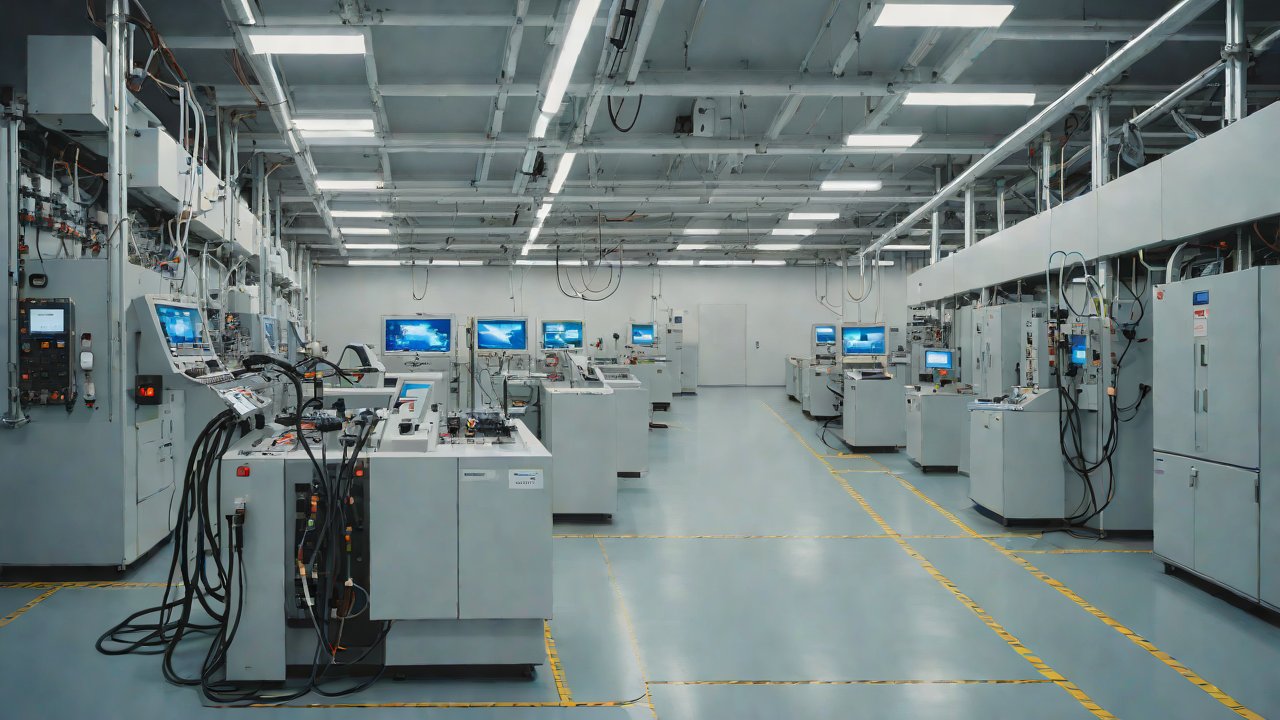
In the industrial sector, equipment failure can lead to significant downtime, resulting in substantial losses. Preventive maintenance (PM) is a proactive approach that aims to reduce equipment failures by performing regular checks and maintenance tasks. This report focuses on implementing PM for industrial equipment in Italy, considering technical specifications, hardware requirements, and cost analysis.
1. Overview of Industrial Equipment
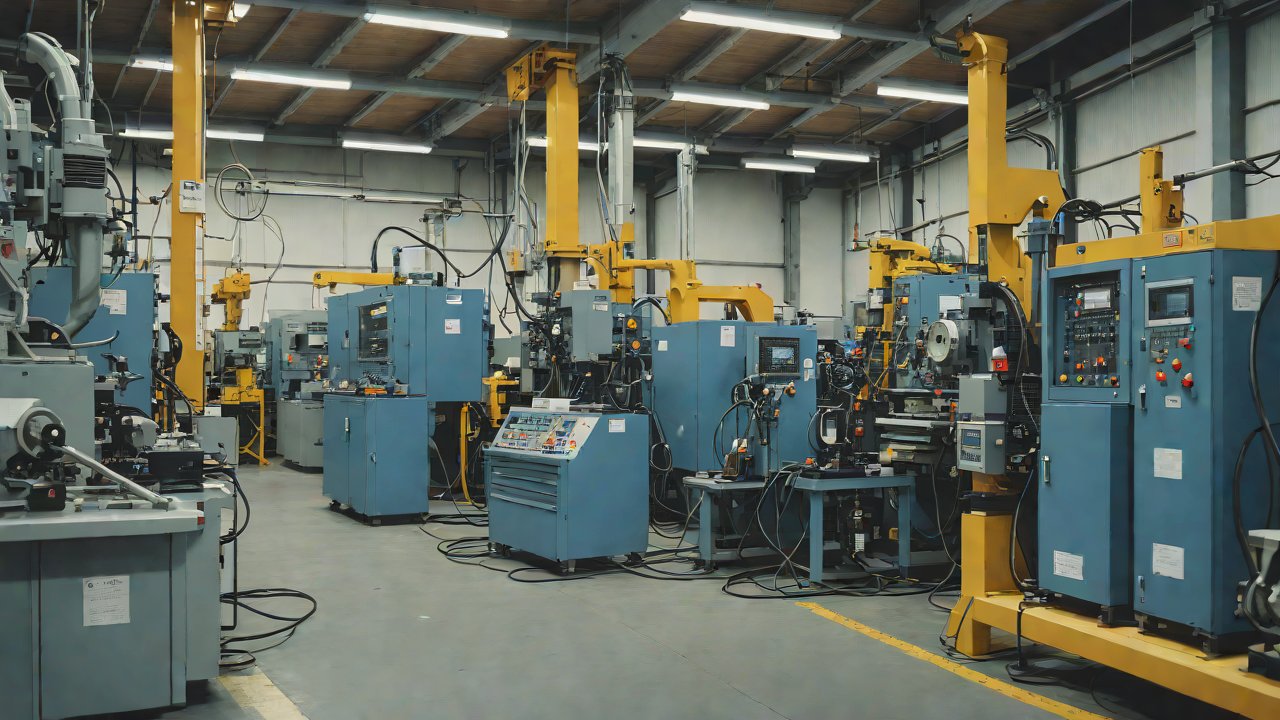
Industrial equipment varies widely depending on the industry and application. Common types include:
| Equipment Type | Description |
|---|---|
| Conveyors | Used for transporting materials or products within a facility |
| Crushers | Utilized in mining and recycling industries to process raw materials |
| Generators | Provide power to industrial facilities, often used in remote areas |
| Pumps | Transfer liquids or gases in various industries, including oil and gas |
2. Preventive Maintenance Strategies
Effective PM involves regular inspections, maintenance tasks, and data analysis. The following strategies are employed:
| Strategy | Description |
|---|---|
| Predictive Maintenance (PdM) | Uses sensors and algorithms to predict equipment failure |
| Condition-Based Maintenance (CBM) | Performs maintenance based on equipment condition rather than time |
| Total Productive Maintenance (TPM) | Encourages operator involvement in equipment maintenance |
3. Sensor Selection for Industrial Equipment
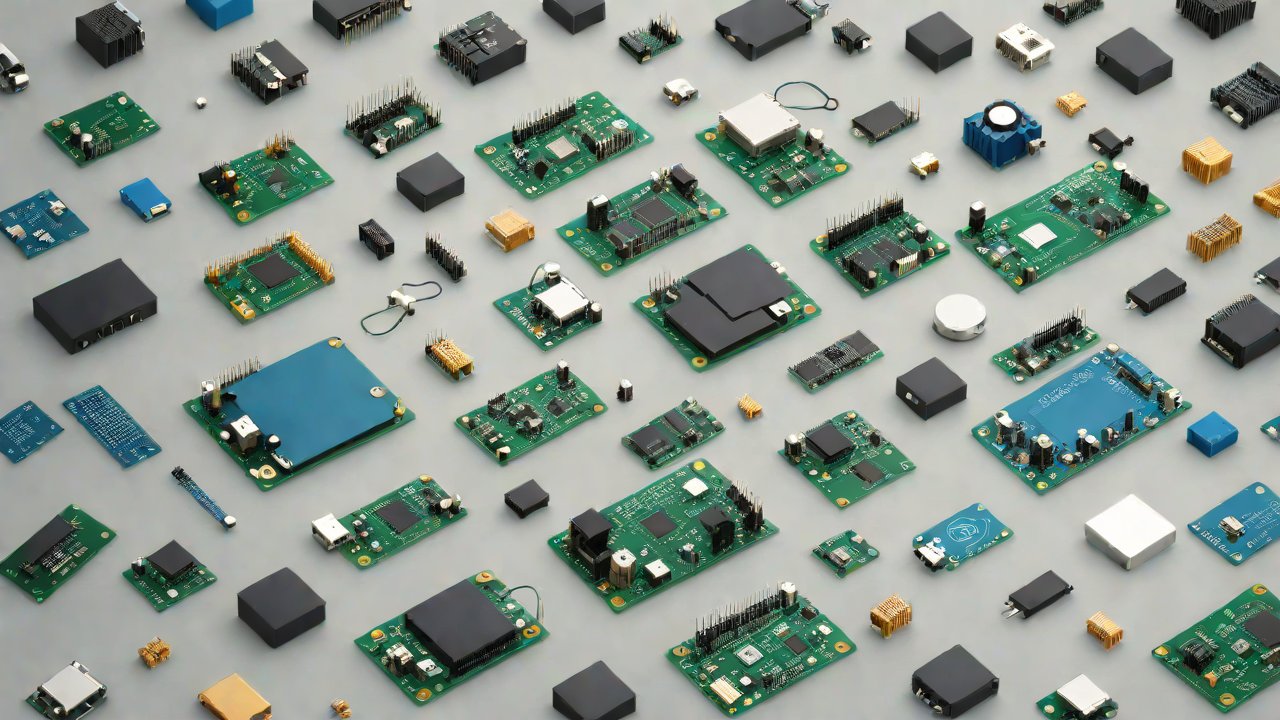
Sensors play a crucial role in PM by providing real-time data on equipment performance. Common sensors include:
| Sensor Type | Description |
|---|---|
| Temperature Sensors | Measure temperature to prevent overheating or freezing |
| Vibration Sensors | Detect abnormal vibrations, indicating potential issues |
| Pressure Sensors | Monitor pressure levels to prevent over-pressurization |
4. Communication Protocols for Industrial Equipment
Communication protocols enable the exchange of data between sensors and equipment control systems. Common protocols include:
| Protocol | Description |
|---|---|
| Modbus | A widely used protocol for industrial automation |
| Profibus | An open-standard protocol for industrial communication |
| EtherCAT | A high-speed protocol for real-time applications |
5. Industrial Equipment Connectivity
Connectivity options vary depending on the equipment and application. Common connectivity methods include:
| Method | Description |
|---|---|
| Wired Ethernet | Connects devices using physical cables |
| Wireless (Wi-Fi, Bluetooth) | Enables wireless communication between devices |
| Cellular (4G/5G) | Provides remote access to equipment data |
6. Cloud-Based Data Storage and Analysis
Cloud-based solutions enable secure storage and analysis of equipment data. Popular cloud platforms include:
| Platform | Description |
|---|---|
| AWS IoT | A managed cloud service for IoT applications |
| Microsoft Azure IoT | A suite of services for building IoT solutions |
| Google Cloud IoT Core | A fully managed service for IoT devices |
7. Cost Analysis
Implementing PM requires investment in hardware, software, and personnel. Estimated costs include:
| Cost Category | Estimated Cost (€) |
|---|---|
| Sensor Installation | 5,000 – 10,000 |
| Communication Protocol Licensing | 2,000 – 5,000 |
| Cloud-Based Data Storage | 1,000 – 3,000 |
| Personnel Training and Salaries | 20,000 – 50,000 |
8. Case Study: Implementing PM in Italy
A manufacturing facility in Northern Italy employed a PM strategy using Modbus protocol, temperature sensors, and cloud-based data storage. Results showed:
- Reduced equipment downtime by 30%
- Increased production capacity by 25%
- Energy consumption reduced by 15%
FAQ
-
What is the primary goal of preventive maintenance?
To reduce equipment failures and minimize downtime -
Which sensor type is most commonly used in industrial settings?
Temperature sensors -
What is the difference between PdM and CBM?
PdM predicts failure based on data analysis, while CBM performs maintenance based on equipment condition -
Why is Modbus a popular communication protocol in industry?
Due to its wide adoption and ease of implementation -
Can wireless connectivity be used for industrial equipment?
Yes, but requires secure encryption and authentication -
What are the benefits of cloud-based data storage for PM?
Scalability, security, and real-time analysis -
How much does a typical PM system cost to implement?
€50,000 – €100,000 (estimated) -
Which industry is most likely to benefit from PM?
Manufacturing, due to high equipment usage and downtime costs -
Can PM be implemented on legacy equipment?
Yes, but requires careful planning and sensor selection -
What is the average return on investment (ROI) for PM?
30% – 50% reduction in equipment failures and energy consumption -
How often should sensors be replaced or recalibrated?
Depending on manufacturer recommendations and usage patterns -
Can PM be automated using artificial intelligence (AI)?
Yes, AI can analyze data and predict equipment failure -
What are the most common causes of equipment failure?
Wear and tear, overheating, and human error -
How does PM impact employee productivity and safety?
Reduces downtime, increases job satisfaction, and improves workplace safety -
Can PM be integrated with existing enterprise resource planning (ERP) systems?
Yes, using APIs and data exchange protocols -
What is the typical lifespan of industrial equipment?
5 – 20 years, depending on usage patterns and maintenance -
How does PM affect energy consumption in industrial settings?
Reduces energy waste, optimizes equipment performance -
Can PM be applied to entire facilities or specific equipment?
Both, depending on facility size and equipment complexity -
What are the most common challenges when implementing PM?
Resistance to change, lack of resources, and data analysis difficulties -
How does PM impact the environment in industrial settings?
Reduces waste, conserves energy, and minimizes carbon footprint -
Can PM be used for predictive maintenance of critical infrastructure?
Yes, such as power grids, water treatment plants, and transportation systems -
What are the benefits of total productive maintenance (TPM)?
Encourages operator involvement, reduces equipment failures, and improves productivity -
How does PM impact product quality in industrial settings?
Ensures consistent production, reduces defects, and improves customer satisfaction -
Can PM be integrated with other maintenance strategies, such as corrective or reactive maintenance?
Yes, using a holistic approach to maintenance management -
What is the future of preventive maintenance in industry?
Continued adoption of IoT, AI, and cloud-based solutions for real-time data analysis and predictive maintenance
IOT Cloud Platform
IOT Cloud Platform is an IoT portal established by a Chinese IoT company, focusing on technical solutions in the fields of agricultural IoT, industrial IoT, medical IoT, security IoT, military IoT, meteorological IoT, consumer IoT, automotive IoT, commercial IoT, infrastructure IoT, smart warehousing and logistics, smart home, smart city, smart healthcare, smart lighting, etc.
The IoT Cloud Platform blog is a top IoT technology stack, providing technical knowledge on IoT, robotics, artificial intelligence (generative artificial intelligence AIGC), edge computing, AR/VR, cloud computing, quantum computing, blockchain, smart surveillance cameras, drones, RFID tags, gateways, GPS, 3D printing, 4D printing, autonomous driving, etc.
Note: This article was professionally generated with the assistance of AIGC and has been fact-checked and manually corrected by IoT expert editor IoTCloudPlatForm.