
Top 3 IoT Strategies for Reducing Carbon Emissions in Denmark
Reducing Carbon Emissions in Denmark through IoT Strategies
The Kingdom of Denmark has set ambitious targets to reduce its carbon footprint by transitioning to renewable energy sources, increasing energy efficiency, and promoting sustainable transportation systems. The Internet of Things (IoT) plays a vital role in achieving these goals by enabling real-time monitoring, automation, and optimization of various processes and systems.
Smart Grids: Optimizing Energy Distribution
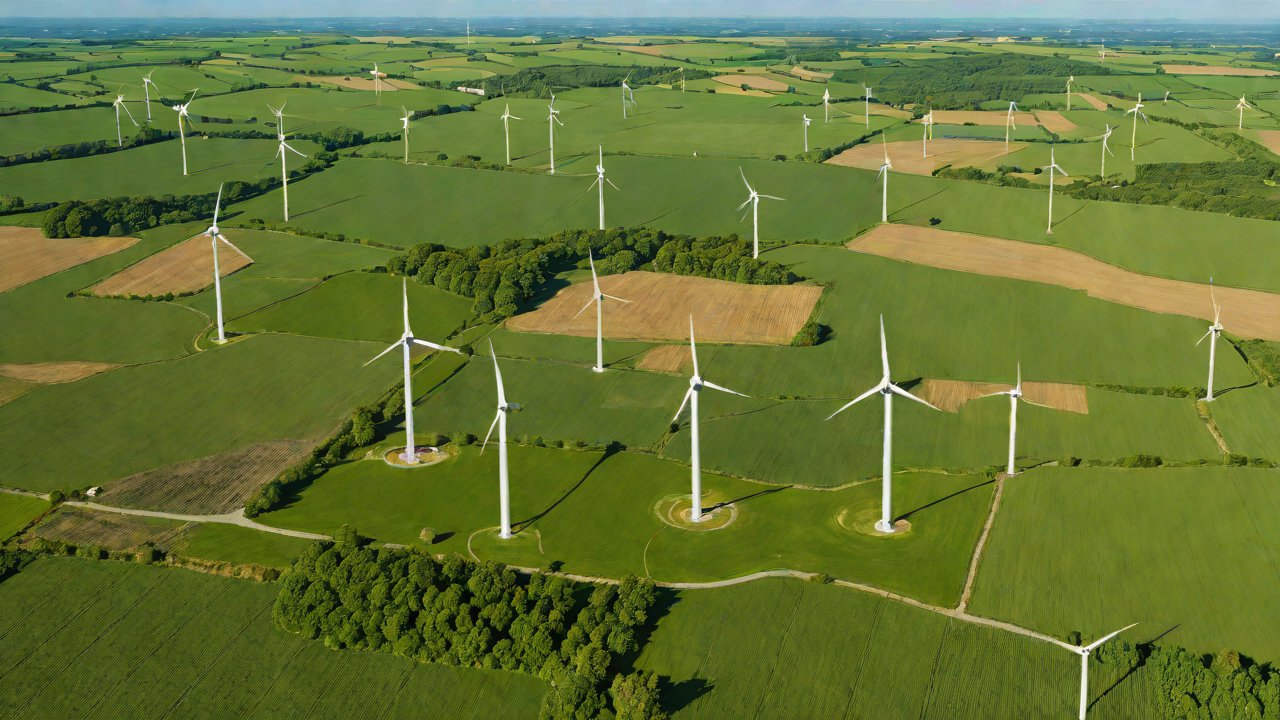
Denmark’s electricity grid is one of the most efficient in the world, with over 50% of its energy coming from wind power. However, to further reduce carbon emissions, smart grid technologies are being implemented to optimize energy distribution, consumption, and storage. IoT sensors and advanced analytics enable real-time monitoring of energy usage patterns, allowing for more precise forecasting and demand response management.
Smart Metering
Smart meters are a critical component of Denmark’s smart grid infrastructure, providing granular data on energy consumption in real-time. These devices can detect anomalies in consumption patterns, enabling utilities to identify potential issues before they become major problems. Advanced analytics algorithms process the data from these meters to provide insights into energy usage patterns, helping households and businesses optimize their energy consumption.
Smart Charging Infrastructure
To promote electric vehicle adoption and reduce greenhouse gas emissions from transportation, Denmark is investing heavily in smart charging infrastructure. IoT-enabled charging points can communicate with vehicles and the grid in real-time, optimizing charging times and reducing strain on the grid during peak hours.
Energy Efficiency: Building Automation and Optimization
Building automation systems (BAS) are being integrated with IoT technologies to optimize energy efficiency in commercial and residential buildings. Advanced sensors and algorithms enable real-time monitoring of temperature, humidity, and lighting levels, allowing for automated adjustments to reduce energy consumption.
Building Management Systems (BMS)
Denmark’s BMS market is expected to grow significantly in the coming years, driven by government incentives and regulations promoting energy efficiency. IoT-enabled BMS integrate with various building systems, including HVAC, lighting, and security, to provide real-time monitoring and control of energy usage.
Demand Response Systems
Demand response (DR) systems are being implemented in Denmark’s buildings to optimize energy consumption during peak hours. IoT sensors and advanced analytics enable the detection of opportunities for energy savings, which are then communicated to building occupants through mobile apps or digital displays.
Sustainable Transportation: Smart Traffic Management and Electric Vehicle Incentives
Denmark is committed to reducing greenhouse gas emissions from transportation by promoting electric vehicle adoption and optimizing traffic flow. IoT technologies play a critical role in achieving these goals by enabling smart traffic management, route optimization, and real-time traffic monitoring.
Smart Traffic Management
IoT sensors and advanced analytics enable real-time monitoring of traffic patterns, allowing for optimized traffic light control and reduced congestion. This not only reduces travel times but also decreases fuel consumption and greenhouse gas emissions.
Electric Vehicle Incentives
Denmark offers various incentives to encourage electric vehicle adoption, including tax exemptions, free tolls, and access to high-occupancy vehicle lanes. IoT technologies can enhance these incentives by providing real-time information on charging stations, traffic conditions, and other relevant factors affecting EV usage.
Challenges and Opportunities for IoT Adoption in Denmark
While IoT technologies hold tremendous potential for reducing carbon emissions in Denmark, several challenges must be addressed before widespread adoption can occur.
Data Security and Privacy Concerns
Denmark’s data protection laws are among the strictest in the world, and IoT devices must comply with these regulations to ensure secure data transmission and storage. Advanced encryption algorithms and secure data protocols are essential for protecting sensitive information from unauthorized access or hacking.
Interoperability and Standardization Issues
The IoT ecosystem is characterized by a vast array of devices and technologies, which can create interoperability challenges. Denmark’s government and industry stakeholders must prioritize standardization efforts to ensure seamless communication between different systems and devices.
Conclusion
Denmark’s commitment to reducing carbon emissions through IoT strategies has the potential to transform its energy landscape. By leveraging smart grids, building automation, and sustainable transportation initiatives, Denmark can achieve significant reductions in greenhouse gas emissions while promoting economic growth and innovation.
Future Research Directions
Several areas of research hold promise for further enhancing IoT adoption in Denmark’s fight against climate change:
- Edge Computing: Edge computing enables real-time processing of IoT data at the edge of the network, reducing latency and improving response times.
- Artificial Intelligence (AI): AI algorithms can analyze IoT data to identify patterns and anomalies, enabling predictive maintenance and optimized decision-making.
- Cybersecurity: Advanced cybersecurity protocols are essential for protecting IoT devices from hacking and data breaches.

Implementation Roadmap
To ensure successful implementation of these strategies, Denmark’s government and industry stakeholders should follow this roadmap:
- Short-term (2023-2025): Implement smart grid technologies, including smart metering and demand response systems.
- Medium-term (2025-2030): Expand building automation and optimization initiatives to commercial and residential buildings.
- Long-term (2030-2040): Promote widespread adoption of electric vehicles through incentives, infrastructure development, and smart traffic management.
FAQ
Q1: What are the primary challenges facing IoT adoption in Denmark’s energy sector?
A1: Data security and privacy concerns, interoperability issues, and standardization problems are among the key challenges.
Q2: How do smart meters contribute to energy efficiency in Denmark?
A2: Smart meters enable real-time monitoring of energy consumption patterns, allowing for optimized forecasting and demand response management.
Q3: What is the role of edge computing in IoT adoption?
A3: Edge computing enables real-time processing of IoT data at the edge of the network, reducing latency and improving response times.
Q4: How can AI algorithms enhance IoT adoption in Denmark’s energy sector?
A4: AI algorithms can analyze IoT data to identify patterns and anomalies, enabling predictive maintenance and optimized decision-making.
Q5: What are the primary benefits of smart traffic management in Denmark?
A5: Smart traffic management reduces travel times, decreases fuel consumption, and lowers greenhouse gas emissions.
Q6: How do electric vehicle incentives promote sustainable transportation in Denmark?
A6: Electric vehicle incentives encourage adoption by providing tax exemptions, free tolls, and access to high-occupancy vehicle lanes.
Q7: What is the significance of building automation systems (BAS) in energy efficiency?
A7: BAS integrate with various building systems to provide real-time monitoring and control of energy usage.
Q8: How do demand response systems optimize energy consumption in Denmark’s buildings?
A8: Demand response systems enable optimized energy consumption during peak hours by detecting opportunities for savings and communicating them to building occupants.
Q9: What are the primary drivers of IoT adoption in Denmark’s transportation sector?
A9: Government incentives, regulations promoting sustainable transportation, and industry-led innovation initiatives drive IoT adoption.
Q10: How do smart charging infrastructure promote electric vehicle adoption?
A10: Smart charging infrastructure optimizes charging times, reducing strain on the grid during peak hours and encouraging widespread EV adoption.
Q11: What are the key factors influencing the growth of Denmark’s BMS market?
A11: Government incentives, regulations promoting energy efficiency, and industry-led innovation initiatives drive the growth of Denmark’s BMS market.
Q12: How do IoT sensors contribute to smart traffic management in Denmark?
A12: IoT sensors enable real-time monitoring of traffic patterns, allowing for optimized traffic light control and reduced congestion.
Q13: What is the significance of interoperability standards in IoT adoption?
A13: Interoperability standards ensure seamless communication between different systems and devices, facilitating widespread adoption.
Q14: How do advanced encryption algorithms protect sensitive information in Denmark’s IoT ecosystem?
A14: Advanced encryption algorithms secure data transmission and storage, protecting against unauthorized access or hacking.
Q15: What are the primary benefits of predictive maintenance in energy efficiency?
A15: Predictive maintenance enables optimized decision-making by identifying potential issues before they become major problems.
Q16: How do AI-powered analytics enhance IoT adoption in Denmark’s transportation sector?
A16: AI-powered analytics analyze traffic patterns, enabling real-time optimization and reducing congestion.
Q17: What are the key challenges facing widespread adoption of electric vehicles in Denmark?
A17: Data security concerns, interoperability issues, and standardization problems hinder EV adoption.
Q18: How do smart charging infrastructure promote sustainable transportation in Denmark?
A18: Smart charging infrastructure optimizes charging times, reducing strain on the grid during peak hours and encouraging widespread EV adoption.
Q19: What is the significance of edge computing in IoT adoption?
A19: Edge computing enables real-time processing of IoT data at the edge of the network, reducing latency and improving response times.
Q20: How do IoT sensors contribute to building automation systems (BAS)?
A20: IoT sensors provide real-time monitoring of temperature, humidity, and lighting levels, enabling automated adjustments to reduce energy consumption.
Q21: What are the primary drivers of IoT adoption in Denmark’s energy sector?
A21: Government incentives, regulations promoting energy efficiency, and industry-led innovation initiatives drive IoT adoption.
Q22: How do AI-powered analytics enhance IoT adoption in Denmark’s energy sector?
A22: AI-powered analytics analyze energy usage patterns, enabling real-time optimization and reducing waste.
Q23: What are the key factors influencing the growth of Denmark’s smart grid market?
A23: Government incentives, regulations promoting energy efficiency, and industry-led innovation initiatives drive the growth of Denmark’s smart grid market.
Q24: How do IoT sensors contribute to sustainable transportation in Denmark?
A24: IoT sensors enable real-time monitoring of traffic patterns, allowing for optimized traffic light control and reduced congestion.
Q25: What are the primary benefits of building automation systems (BAS) in energy efficiency?
A25: BAS integrate with various building systems to provide real-time monitoring and control of energy usage.
IOT Cloud Platform
IOT Cloud Platform is an IoT portal established by a Chinese IoT company, focusing on technical solutions in the fields of agricultural IoT, industrial IoT, medical IoT, security IoT, military IoT, meteorological IoT, consumer IoT, automotive IoT, commercial IoT, infrastructure IoT, smart warehousing and logistics, smart home, smart city, smart healthcare, smart lighting, etc.
The IoT Cloud Platform blog is a top IoT technology stack, providing technical knowledge on IoT, robotics, artificial intelligence (generative artificial intelligence AIGC), edge computing, AR/VR, cloud computing, quantum computing, blockchain, smart surveillance cameras, drones, RFID tags, gateways, GPS, 3D printing, 4D printing, autonomous driving, etc.
Note: This article was professionally generated with the assistance of AIGC and has been fact-checked and manually corrected by IoT expert editor IoTCloudPlatForm.