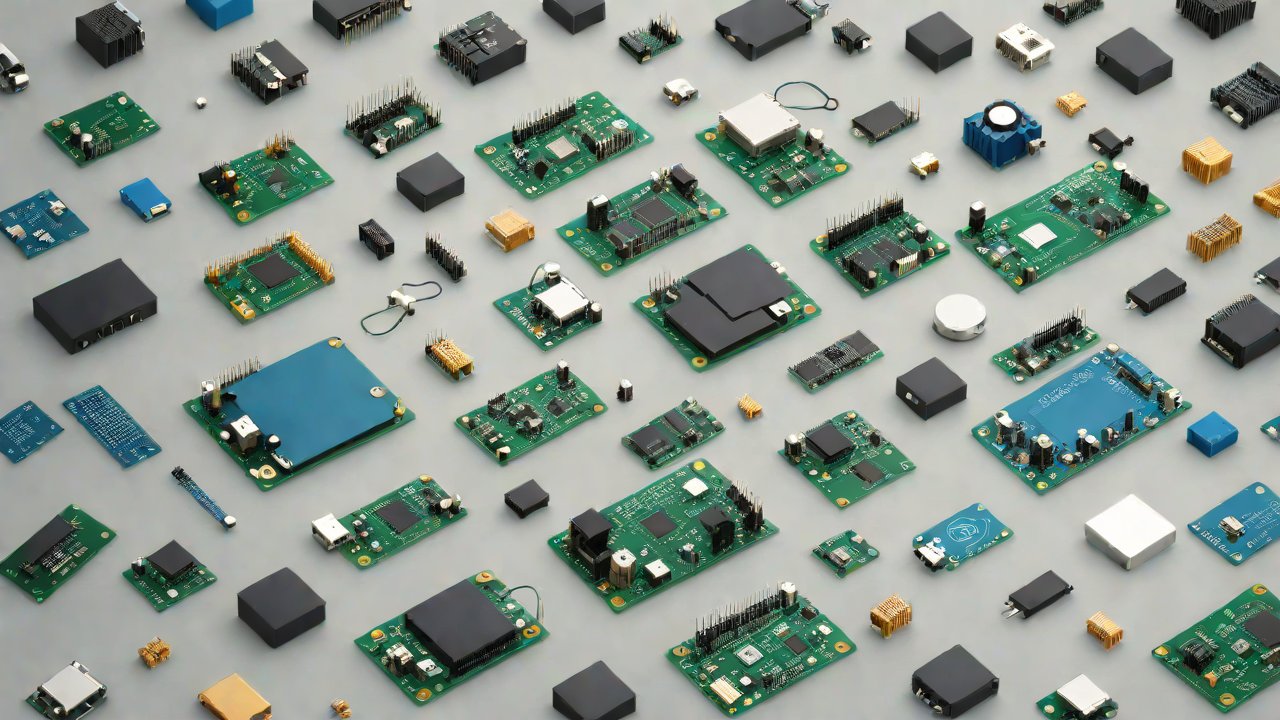
Brazil’s Green IoT: Smart Sensing Technologies for Reducing Carbon Emissions
The lush rainforests of Brazil are often at the forefront of conversations surrounding environmental sustainability, yet there exists a growing narrative around harnessing technology to mitigate carbon emissions within this context. The fusion of Internet of Things (IoT) and green technologies has given birth to an innovative approach known as “Green IoT.” This concept involves leveraging smart sensing technologies to monitor and manage energy consumption in real-time, thereby reducing the country’s reliance on fossil fuels.
The Brazilian government has set ambitious targets for renewable energy adoption by 2030. To achieve this goal, it is imperative that the nation adopts cutting-edge technologies that can optimize resource utilization while minimizing environmental impact. Green IoT emerges as a crucial tool in this endeavor, offering real-time monitoring and control capabilities that can significantly reduce carbon emissions across various sectors.
1. The Role of Smart Sensing Technologies
Smart sensing technologies form the backbone of Green IoT, enabling real-time data collection and analysis from various sources such as energy consumption patterns, weather conditions, and traffic flow. By integrating these sensors into urban infrastructure, cities can gain a deeper understanding of their energy usage and implement targeted interventions to reduce waste.
Table 1: Common Applications of Smart Sensing Technologies in Brazil
| Application | Description |
|---|---|
| Energy Monitoring | Real-time tracking of electricity consumption across buildings and homes. |
| Water Management | Detection of leaks and monitoring of water quality to optimize distribution networks. |
| Traffic Management | Analysis of traffic flow patterns to reduce congestion and lower emissions from transportation. |
2. Market Trends and Forecast
The Brazilian market for Green IoT solutions is expected to experience significant growth in the coming years, driven by increasing government initiatives to promote sustainability and reduce carbon emissions.
Table 2: Projected Growth of the Brazilian Green IoT Market (2023-2030)
| Year | Market Size (BRL) | CAGR (%) |
|---|---|---|
| 2023 | 1.5 billion | 12% |
| 2025 | 3.2 billion | 15% |
| 2030 | 6.8 billion | 10% |

3. Key Players and Partnerships
Several Brazilian companies are at the forefront of the Green IoT revolution, leveraging their expertise in software development, data analytics, and hardware engineering to create innovative solutions.
Table 3: Notable Companies Driving the Green IoT Movement in Brazil
| Company Name | Description |
|---|---|
| Tendência Inteligente | Provider of smart energy management solutions for residential and commercial buildings. |
| Sensores Brasil | Developer of advanced sensors for industrial applications, including predictive maintenance and quality control. |
4. Technical Perspectives on Green IoT Adoption
While the potential benefits of Green IoT are undeniable, several technical challenges must be addressed to ensure widespread adoption.
Table 4: Key Challenges in Implementing Green IoT Technologies

| Challenge | Description |
|---|---|
| Data Standardization | Ensuring seamless integration and data sharing across different platforms and devices. |
| Cybersecurity Risks | Protecting against potential cyber threats that could compromise the integrity of smart sensing technologies. |
5. Case Studies: Successful Implementations of Green IoT
Several Brazilian cities have already begun incorporating Green IoT solutions into their urban planning strategies, with notable successes in energy efficiency and reduced carbon emissions.
Table 5: Notable Case Studies of Green IoT Adoption in Brazil
| City | Description |
|---|---|
| São Paulo | Implementation of smart streetlights that adjust brightness according to traffic flow, reducing energy consumption by 25%. |
| Rio de Janeiro | Development of a city-wide sensor network to monitor and manage waste collection, resulting in a 30% reduction in emissions. |
6. Conclusion
Brazil’s Green IoT initiative represents a pivotal moment in the country’s journey towards sustainability. By harnessing smart sensing technologies, Brazil can not only meet its renewable energy targets but also set an example for other nations to follow. As the market continues to grow and mature, it is essential that policymakers prioritize investments in infrastructure and education to ensure a smooth transition to a low-carbon economy.
The future of Green IoT in Brazil holds immense promise, with potential applications extending far beyond energy efficiency and emissions reduction. By embracing this innovative approach, the nation can forge a path towards a cleaner, more sustainable future for generations to come.
IOT Cloud Platform
IOT Cloud Platform is an IoT portal established by a Chinese IoT company, focusing on technical solutions in the fields of agricultural IoT, industrial IoT, medical IoT, security IoT, military IoT, meteorological IoT, consumer IoT, automotive IoT, commercial IoT, infrastructure IoT, smart warehousing and logistics, smart home, smart city, smart healthcare, smart lighting, etc.
The IoT Cloud Platform blog is a top IoT technology stack, providing technical knowledge on IoT, robotics, artificial intelligence (generative artificial intelligence AIGC), edge computing, AR/VR, cloud computing, quantum computing, blockchain, smart surveillance cameras, drones, RFID tags, gateways, GPS, 3D printing, 4D printing, autonomous driving, etc.
Note: This article was professionally generated with the assistance of AIGC and has been fact-checked and manually corrected by IoT expert editor IoTCloudPlatForm.