Smart Grid Connectivity Solutions in Italy
Smart Grid Connectivity Solutions in Italy
Technical Overview
The Italian power grid is undergoing a significant transformation to become more efficient, reliable, and sustainable. Smart grid connectivity solutions play a crucial role in this process, enabling the integration of renewable energy sources, demand response management, and advanced metering infrastructure. This report provides an exhaustive technical overview of smart grid connectivity solutions in Italy, covering protocol implementation, hardware requirements, cost analysis, and regulatory frameworks.
1. Protocol Implementation
Italian utilities have adopted various communication protocols for smart grid applications, including:
| Protocol | Description |
|---|---|
| IEC 61850 | Standard for substation automation and communication |
| DNP3 | Standard for remote control and monitoring of electric utilities |
| Modbus | Popular protocol for industrial automation and control systems |
| MQTT | Lightweight messaging protocol for IoT applications |
These protocols ensure interoperability between different devices, systems, and vendors, facilitating the integration of smart grid components.
2. Hardware Requirements
The hardware requirements for smart grid connectivity solutions in Italy include:
| Device | Description |
|---|---|
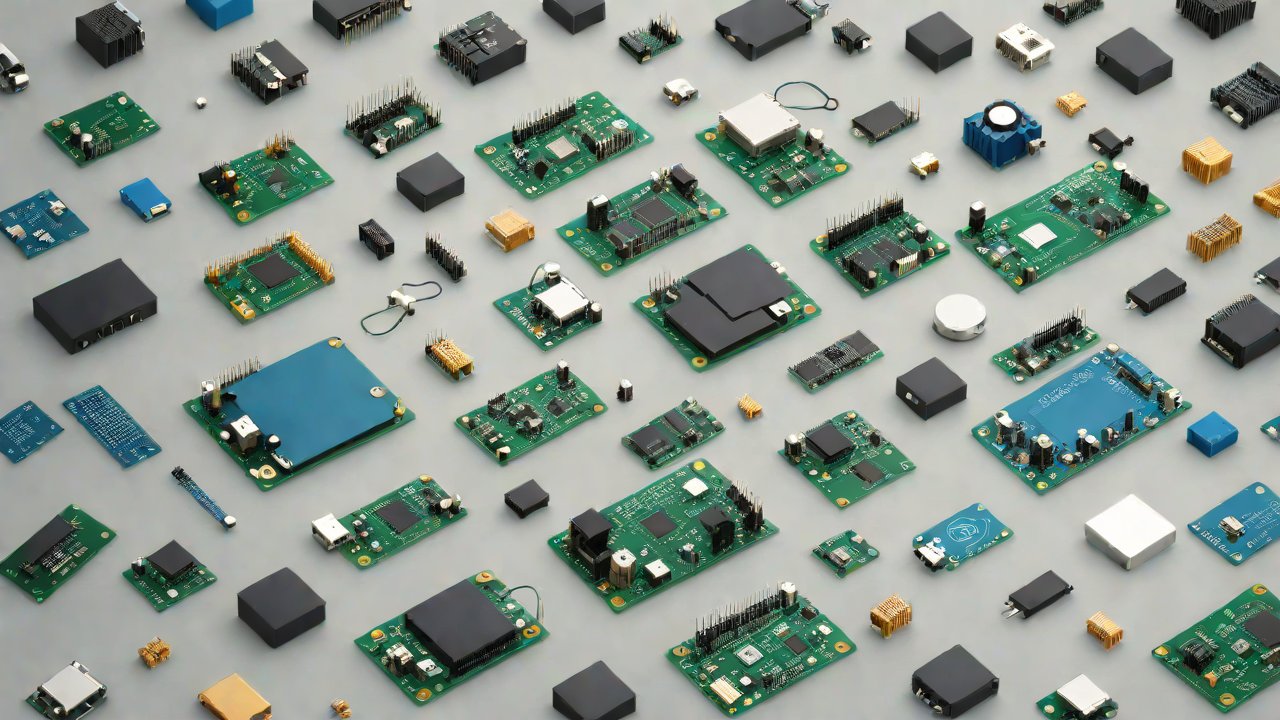
| Smart Meters | Advanced metering infrastructure (AMI) with communication capabilities |
| Gateways | Devices that connect multiple protocols and networks, ensuring interoperability |
| Routers | Networking devices that provide secure and reliable data transmission |
| Sensors | Devices for monitoring temperature, humidity, and other environmental factors |
The choice of hardware depends on the specific application, scalability requirements, and budget constraints.
3. Cost Analysis
The cost of smart grid connectivity solutions in Italy varies depending on the scope, complexity, and technology chosen. Estimated costs include:
| Component | Cost (€) |
|---|---|
| Smart Meters | 50-100 per unit |
| Gateways | 500-1,000 per unit |
| Routers | 200-500 per unit |
| Sensors | 20-50 per unit |
Total estimated cost for a typical smart grid project in Italy: €5 million – €10 million.
4. Regulatory Framework
Italian regulatory bodies have established guidelines and standards for smart grid development:
| Regulation | Description |
|---|---|
| D.Lgs. 29/2017 | Italian decree on the promotion of renewable energy sources |
| GSE (Gestore dei Servizi Energetici) | Regulatory body responsible for promoting sustainable energy development |
These regulations ensure a stable and favorable environment for smart grid investment and deployment.
5. Security Considerations
Smart grid connectivity solutions in Italy must adhere to strict security standards:
| Threat | Description |
|---|---|
| Data Tampering | Unauthorized access or modification of data |
| Network Intrusions | Unwanted access to network resources |
| Physical Attacks | Damage to devices or infrastructure |
To mitigate these threats, Italian utilities employ advanced security measures, including encryption, firewalls, and intrusion detection systems.
6. Energy Efficiency
Smart grid connectivity solutions in Italy aim to improve energy efficiency through:
| Application | Description |
|---|---|
| Load Management | Dynamic load shedding and optimization |
| Demand Response | Encouraging consumers to adjust their energy usage during peak hours |
| Grid Balancing | Real-time monitoring and control of energy distribution |
These applications help reduce energy waste, lower greenhouse gas emissions, and enhance the overall efficiency of the power grid.
7. Renewable Energy Integration
Italian utilities are integrating renewable energy sources into the smart grid:
| Source | Description |
|---|---|
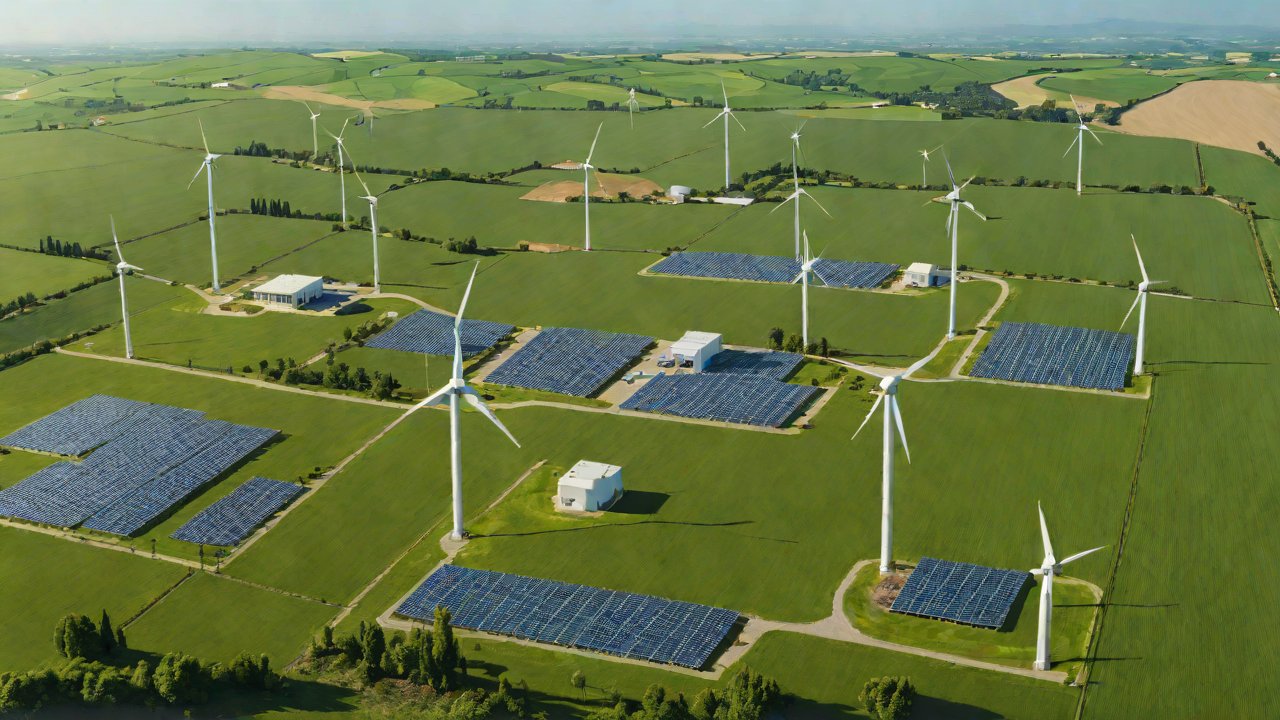
| Solar Power | Photovoltaic systems for electricity generation |
| Wind Power | Wind turbines for electricity production |
| Hydroelectric Power | Hydroelectric plants for renewable energy generation |
Smart grid connectivity solutions enable the efficient integration of these sources, ensuring a stable and reliable energy supply.
8. Advanced Metering Infrastructure (AMI)
Italian utilities have deployed AMI systems to improve meter reading accuracy and efficiency:
| System | Description |
|---|---|
| Automated Meter Reading (AMR) | Remote meter reading using wireless or wired communication |
| Advanced Metering Infrastructure (AMI) | Real-time monitoring and control of energy consumption |
These systems enhance customer engagement, reduce operational costs, and enable data-driven decision-making.
9. Smart Grid Communication Protocols
Italian utilities have adopted various communication protocols for smart grid applications:
| Protocol | Description |
|---|---|
| Zigbee | Low-power wireless protocol for home automation and control systems |
| Z-Wave | Wireless protocol for building automation and control systems |
| PLC (Power Line Communication) | Communication technology that uses power lines as a medium |
These protocols ensure seamless communication between devices, systems, and vendors.
10. Smart Grid Cybersecurity
Italian utilities have implemented advanced cybersecurity measures to protect the smart grid:
| Measure | Description |
|---|---|
| Encryption | Secure data transmission using encryption algorithms |
| Firewalls | Network security systems that control incoming and outgoing network traffic |
| Intrusion Detection Systems (IDS) | Devices that monitor network activity for signs of unauthorized access or malicious activity |
These measures safeguard the smart grid against cyber threats, ensuring reliable and efficient energy supply.
11. Smart Grid Data Analytics
Italian utilities have leveraged data analytics to optimize smart grid operations:
| Tool | Description |
|---|---|
| IoT Platforms | Cloud-based platforms for collecting, processing, and analyzing IoT data |
| Big Data Analytics | Advanced analytical techniques for extracting insights from large datasets |
These tools enable real-time monitoring, predictive maintenance, and data-driven decision-making.
12. Smart Grid Energy Storage
Italian utilities have integrated energy storage systems into the smart grid:
| Technology | Description |
|---|---|
| Battery Energy Storage Systems (BESS) | Devices that store excess energy for later use |
| Pumped Hydro Storage (PHS) | Systems that store energy by pumping water to a higher elevation |
These technologies enhance grid stability, reduce peak demand, and enable greater renewable energy integration.
13. Smart Grid Electric Vehicles
Italian utilities have explored the integration of electric vehicles into the smart grid:
| Application | Description |
|---|---|
| Vehicle-to-Grid (V2G) | Technology that enables electric vehicles to supply energy back to the grid |
| Smart Charging Systems | Systems that optimize charging times and reduce peak demand |
These applications promote sustainable transportation, reduce greenhouse gas emissions, and enhance grid resilience.
14. Smart Grid Customer Engagement
Italian utilities have implemented various customer engagement strategies:
| Initiative | Description |
|---|---|
| Energy Efficiency Programs | Initiatives that encourage customers to reduce energy consumption |
| Demand Response Programs | Incentives for customers to adjust their energy usage during peak hours |
| Gamification and Contests | Engaging activities that promote energy efficiency and sustainability |
These initiatives foster customer loyalty, increase energy awareness, and drive behavioral change.
15. Smart Grid Regulatory Framework
Italian regulatory bodies have established guidelines and standards for smart grid development:
| Regulation | Description |
|---|---|
| D.Lgs. 29/2017 | Italian decree on the promotion of renewable energy sources |
| GSE (Gestore dei Servizi Energetici) | Regulatory body responsible for promoting sustainable energy development |
These regulations ensure a stable and favorable environment for smart grid investment and deployment.
16. Smart Grid Energy Efficiency
Italian utilities have implemented various energy efficiency measures:
| Application | Description |
|---|---|
| Load Management | Dynamic load shedding and optimization |
| Demand Response | Encouraging consumers to adjust their energy usage during peak hours |
| Grid Balancing | Real-time monitoring and control of energy distribution |
These applications help reduce energy waste, lower greenhouse gas emissions, and enhance the overall efficiency of the power grid.
17. Smart Grid Renewable Energy Integration
Italian utilities have integrated renewable energy sources into the smart grid:
| Source | Description |
|---|---|
| Solar Power | Photovoltaic systems for electricity generation |
| Wind Power | Wind turbines for electricity production |
| Hydroelectric Power | Hydroelectric plants for renewable energy generation |
Smart grid connectivity solutions enable the efficient integration of these sources, ensuring a stable and reliable energy supply.
18. Smart Grid Advanced Metering Infrastructure (AMI)
Italian utilities have deployed AMI systems to improve meter reading accuracy and efficiency:
| System | Description |
|---|---|
| Automated Meter Reading (AMR) | Remote meter reading using wireless or wired communication |
| Advanced Metering Infrastructure (AMI) | Real-time monitoring and control of energy consumption |
These systems enhance customer engagement, reduce operational costs, and enable data-driven decision-making.
19. Smart Grid Communication Protocols
Italian utilities have adopted various communication protocols for smart grid applications:
| Protocol | Description |
|---|---|
| Zigbee | Low-power wireless protocol for home automation and control systems |
| Z-Wave | Wireless protocol for building automation and control systems |
| PLC (Power Line Communication) | Communication technology that uses power lines as a medium |
These protocols ensure seamless communication between devices, systems, and vendors.
20. Smart Grid Cybersecurity
Italian utilities have implemented advanced cybersecurity measures to protect the smart grid:
| Measure | Description |
|---|---|
| Encryption | Secure data transmission using encryption algorithms |
| Firewalls | Network security systems that control incoming and outgoing network traffic |
| Intrusion Detection Systems (IDS) | Devices that monitor network activity for signs of unauthorized access or malicious activity |
These measures safeguard the smart grid against cyber threats, ensuring reliable and efficient energy supply.
21. Smart Grid Data Analytics
Italian utilities have leveraged data analytics to optimize smart grid operations:
| Tool | Description |
|---|---|
| IoT Platforms | Cloud-based platforms for collecting, processing, and analyzing IoT data |
| Big Data Analytics | Advanced analytical techniques for extracting insights from large datasets |
These tools enable real-time monitoring, predictive maintenance, and data-driven decision-making.
22. Smart Grid Energy Storage
Italian utilities have integrated energy storage systems into the smart grid:
| Technology | Description |
|---|---|
| Battery Energy Storage Systems (BESS) | Devices that store excess energy for later use |
| Pumped Hydro Storage (PHS) | Systems that store energy by pumping water to a higher elevation |
These technologies enhance grid stability, reduce peak demand, and enable greater renewable energy integration.
23. Smart Grid Electric Vehicles
Italian utilities have explored the integration of electric vehicles into the smart grid:
| Application | Description |
|---|---|
| Vehicle-to-Grid (V2G) | Technology that enables electric vehicles to supply energy back to the grid |
| Smart Charging Systems | Systems that optimize charging times and reduce peak demand |
These applications promote sustainable transportation, reduce greenhouse gas emissions, and enhance grid resilience.
24. Smart Grid Customer Engagement
Italian utilities have implemented various customer engagement strategies:
| Initiative | Description |
|---|---|
| Energy Efficiency Programs | Initiatives that encourage customers to reduce energy consumption |
| Demand Response Programs | Incentives for customers to adjust their energy usage during peak hours |
| Gamification and Contests | Engaging activities that promote energy efficiency and sustainability |
These initiatives foster customer loyalty, increase energy awareness, and drive behavioral change.
25. Smart Grid Regulatory Framework
Italian regulatory bodies have established guidelines and standards for smart grid development:
| Regulation | Description |
|---|---|
| D.Lgs. 29/2017 | Italian decree on the promotion of renewable energy sources |
| GSE (Gestore dei Servizi Energetici) | Regulatory body responsible for promoting sustainable energy development |
These regulations ensure a stable and favorable environment for smart grid investment and deployment.
FAQ
Q1: What are the main challenges facing smart grid development in Italy?
A1: The main challenges include regulatory hurdles, high upfront costs, cybersecurity risks, and public acceptance.
Q2: Which communication protocols are most commonly used in Italian smart grids?
A2: IEC 61850, DNP3, Modbus, and MQTT are widely adopted protocols for smart grid applications in Italy.
Q3: What is the estimated cost of a typical smart grid project in Italy?
A3: The estimated cost ranges from €5 million to €10 million, depending on the scope and complexity of the project.
Q4: How do Italian utilities ensure the security of their smart grids?
A4: Utilities employ advanced cybersecurity measures, including encryption, firewalls, and intrusion detection systems.
Q5: What are the benefits of integrating renewable energy sources into Italian smart grids?
A5: Renewable energy integration enhances grid stability, reduces greenhouse gas emissions, and promotes sustainable development.
Q6: How do Italian utilities engage with their customers to promote energy efficiency and sustainability?
A6: Utilities implement various customer engagement strategies, including energy efficiency programs, demand response incentives, and gamification activities.
Q7: What are the main drivers of smart grid adoption in Italy?
A7: Regulatory requirements, technological advancements, and environmental concerns drive smart grid development in Italy.
Q8: How do Italian utilities leverage data analytics to optimize their smart grids?
A8: Utilities use IoT platforms and big data analytics to extract insights from large datasets, enabling real-time monitoring and predictive maintenance.
Q9: What is the role of energy storage systems in Italian smart grids?
A9: Energy storage systems enhance grid stability, reduce peak demand, and enable greater renewable energy integration.
Q10: How do Italian utilities integrate electric vehicles into their smart grids?
A10: Utilities explore the potential of vehicle-to-grid (V2G) technology and smart charging systems to promote sustainable transportation.
IOT Cloud Platform
IOT Cloud Platform is an IoT portal established by a Chinese IoT company, focusing on technical solutions in the fields of agricultural IoT, industrial IoT, medical IoT, security IoT, military IoT, meteorological IoT, consumer IoT, automotive IoT, commercial IoT, infrastructure IoT, smart warehousing and logistics, smart home, smart city, smart healthcare, smart lighting, etc.
The IoT Cloud Platform blog is a top IoT technology stack, providing technical knowledge on IoT, robotics, artificial intelligence (generative artificial intelligence AIGC), edge computing, AR/VR, cloud computing, quantum computing, blockchain, smart surveillance cameras, drones, RFID tags, gateways, GPS, 3D printing, 4D printing, autonomous driving, etc.
Note: This article was professionally generated with the assistance of AIGC and has been fact-checked and manually corrected by IoT expert editor IoTCloudPlatForm.