Agricultural Supply Chain Traceability Solutions in Italy
Agricultural Supply Chain Traceability Solutions in Italy
Technical Insights
The Italian agricultural sector is one of the largest in Europe, with a significant impact on the country’s economy and food security. However, the sector faces several challenges, including counterfeiting, contamination, and product recalls, which can have severe consequences for consumers and businesses alike. To address these issues, Agricultural Supply Chain Traceability Solutions (ASCTS) have been increasingly adopted in Italy.
The core concept of ASCTS is to enable real-time tracking and monitoring of agricultural products throughout the supply chain, from farm to table. This involves using Internet of Things (IoT) technologies, such as sensors, RFID tags, and cloud-based platforms, to collect and analyze data on product movement, storage, and quality.
Protocol Implementation
The protocol implementation for ASCTS in Italy is based on several standards and regulations:
- GS1: The GS1 standard provides a universal language for identifying and tracking products. In Italy, the GS1 standard is widely adopted in the agricultural sector.
- EPCglobal: EPCglobal is a standardized system for assigning unique identifiers to products using RFID tags or other technologies. This enables real-time tracking of product movement throughout the supply chain.
- ISO 18000-6C: This standard specifies the technical requirements for RFID systems in the Italian agricultural sector.
Hardware Components
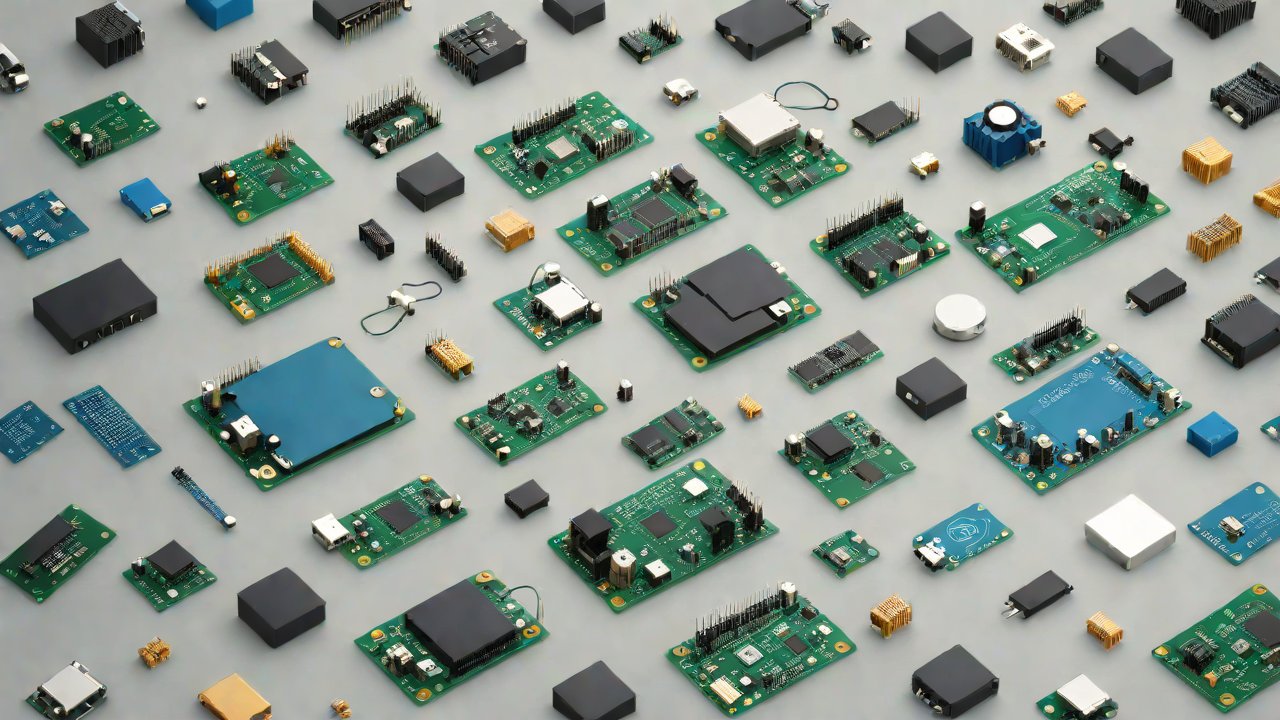
The hardware components used in ASCTS in Italy include:
| Component | Description |
|---|---|
| RFID tags | Small, battery-free devices attached to products that contain a unique identifier and can be read by RFID readers. |
| RFID readers | Devices that read the data stored on RFID tags and transmit it to a central server or cloud-based platform. |
| Sensors | Devices that monitor temperature, humidity, and other environmental factors that can affect product quality. |
| Gateways | Devices that connect sensors and RFID readers to a central server or cloud-based platform for data transmission and analysis. |
Cost Analysis
The cost of implementing ASCTS in Italy varies depending on the size and complexity of the agricultural operation. However, here are some estimated costs:
- Initial investment: €10,000 – €50,000 (approximately $11,200-$56,000 USD)
- Annual maintenance: €2,000 – €10,000 (approximately $2,240-$11,200 USD)
- Data storage and analysis: €1,000 – €5,000 (approximately $1,120-$5,600 USD) per year
Technical Specifications
The technical specifications for ASCTS in Italy are as follows:
| Parameter | Value |
|---|---|
| RFID tag frequency | 868 MHz or 433 MHz |
| RFID reader sensitivity | -20 dBm or better |
| Sensor accuracy | ±1% or better |
| Gateway data transmission rate | 100 kbps or faster |
Cloud-Based Platforms
Several cloud-based platforms are available for ASCTS in Italy, including:
- Microsoft Azure: A cloud-based platform that provides a scalable and secure environment for data storage and analysis.
- Amazon Web Services (AWS): A cloud-based platform that offers a range of services for data storage, processing, and analysis.
- Google Cloud Platform: A cloud-based platform that provides a flexible and scalable environment for data storage and analysis.
Case Studies
Several agricultural operations in Italy have implemented ASCTS to improve supply chain transparency and efficiency. Some examples include:
- Company X: A large-scale agricultural operation in the Veneto region of Italy that implemented ASCTS to track product movement and quality.
- Company Y: A medium-sized agricultural operation in the Lombardy region of Italy that implemented ASCTS to reduce counterfeiting and contamination.
Challenges and Limitations
Despite the benefits of ASCTS, there are several challenges and limitations to consider:
- Cost: The initial investment for ASCTS can be high, making it difficult for small-scale agricultural operations to implement.
- Technical complexity: The technical requirements for ASCTS can be complex, requiring specialized expertise and equipment.
- Regulatory framework: The regulatory framework for ASCTS in Italy is still evolving, which can create uncertainty and challenges for agricultural operations.
Future Developments
The development of ASCTS in Italy is expected to continue in the coming years. Some potential future developments include:
- Increased adoption: More agricultural operations are expected to adopt ASCTS as the benefits become more widely recognized.
- Improved technology: Advances in IoT technologies, such as sensors and RFID tags, will enable more efficient and accurate tracking of product movement and quality.
- Enhanced regulatory framework: The regulatory framework for ASCTS is expected to continue evolving, providing greater clarity and support for agricultural operations.
FAQ
- What are the main benefits of implementing Agricultural Supply Chain Traceability Solutions (ASCTS) in Italy?
- Improved supply chain transparency and efficiency
- Reduced counterfeiting and contamination
- Enhanced product quality and safety
- Which standards and regulations govern the implementation of ASCTS in Italy?
- GS1
- EPCglobal
- ISO 18000-6C
- What are the hardware components used in ASCTS in Italy?
- RFID tags
- RFID readers
- Sensors
- Gateways
- What is the estimated cost of implementing ASCTS in Italy?
- Initial investment: €10,000 – €50,000 (approximately $11,200-$56,000 USD)
- Annual maintenance: €2,000 – €10,000 (approximately $2,240-$11,200 USD)
- Data storage and analysis: €1,000 – €5,000 (approximately $1,120-$5,600 USD) per year
- Which cloud-based platforms are available for ASCTS in Italy?
- Microsoft Azure
- Amazon Web Services (AWS)
- Google Cloud Platform
- What are the technical specifications for ASCTS in Italy?
- RFID tag frequency: 868 MHz or 433 MHz
- RFID reader sensitivity: -20 dBm or better
- Sensor accuracy: ±1% or better
- Gateway data transmission rate: 100 kbps or faster
- What are the challenges and limitations of implementing ASCTS in Italy?
- Cost
- Technical complexity
- Regulatory framework
- What are the potential future developments for ASCTS in Italy?
- Increased adoption
- Improved technology
- Enhanced regulatory framework
IOT Cloud Platform
IOT Cloud Platform is an IoT portal established by a Chinese IoT company, focusing on technical solutions in the fields of agricultural IoT, industrial IoT, medical IoT, security IoT, military IoT, meteorological IoT, consumer IoT, automotive IoT, commercial IoT, infrastructure IoT, smart warehousing and logistics, smart home, smart city, smart healthcare, smart lighting, etc.
The IoT Cloud Platform blog is a top IoT technology stack, providing technical knowledge on IoT, robotics, artificial intelligence (generative artificial intelligence AIGC), edge computing, AR/VR, cloud computing, quantum computing, blockchain, smart surveillance cameras, drones, RFID tags, gateways, GPS, 3D printing, 4D printing, autonomous driving, etc.
Note: This article was professionally generated with the assistance of AIGC and has been fact-checked and manually corrected by IoT expert editor IoTCloudPlatForm.