IoT Monitoring for Cold Chain Transport in Italy
IoT Monitoring for Cold Chain Transport in Italy
Technical Overview
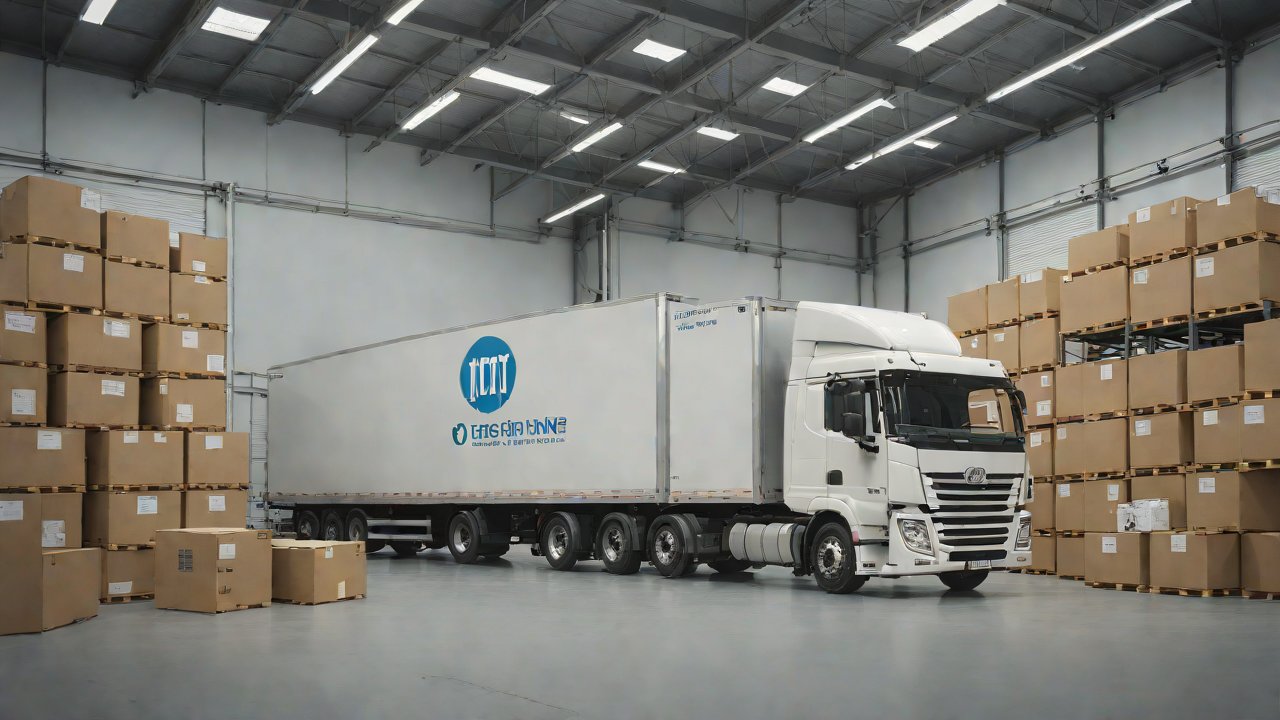
The cold chain transport industry in Italy is a critical sector that requires strict temperature control to ensure the quality and safety of perishable goods. The increasing demand for real-time monitoring and tracking of temperature-sensitive cargo has led to the adoption of IoT technology in this sector.
We will explore the technical aspects of implementing an IoT-based monitoring system for cold chain transport in Italy, including hardware selection, protocol implementation, data storage, and cost analysis.
1. Hardware Selection
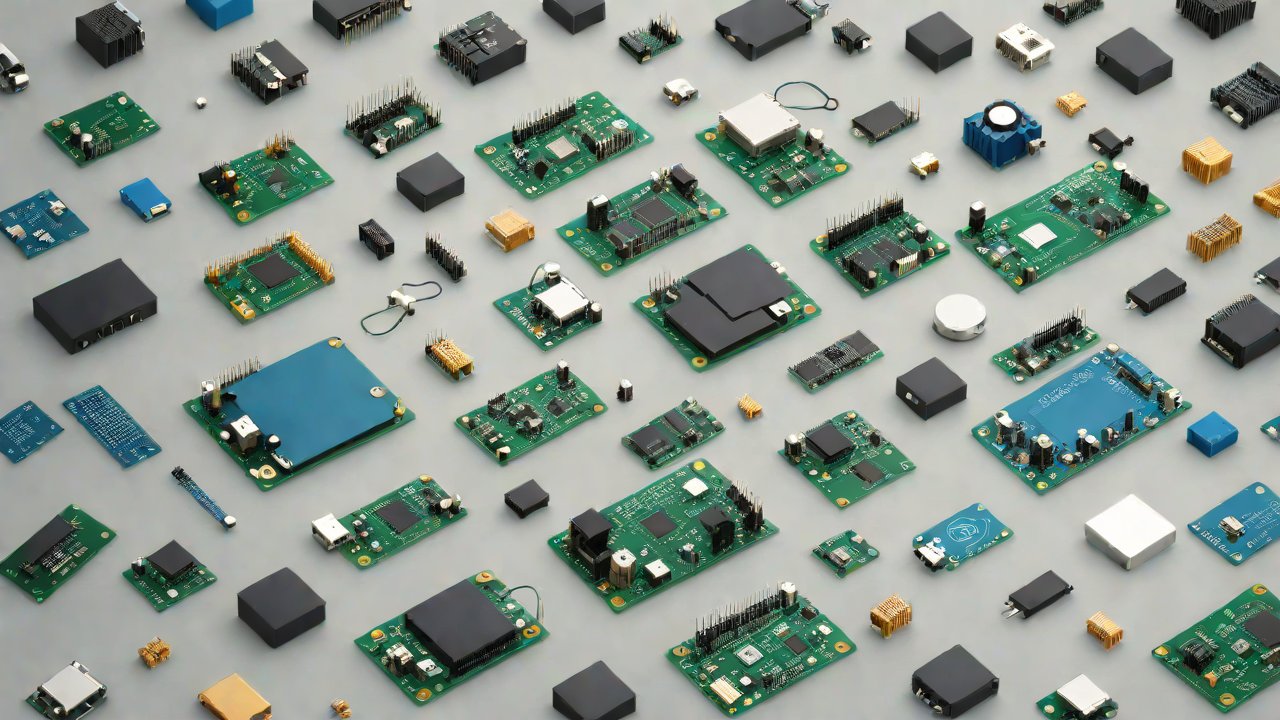
Temperature Monitoring Devices (TMDs)
| Device | Model | Technical Specifications |
|---|---|---|
| Temperature Sensor | DS18B20 | Accuracy: ±0.5°C, Resolution: 9-bit, Power consumption: 2mW |
| Data Logger | EL-USB-RTD | Storage capacity: 128KB, Sampling rate: up to 1Hz, Operating temperature: -40°C to +85°C |
Communication Modules
| Device | Model | Technical Specifications |
|---|---|---|
| Cellular Module | Quectel EG25-G | Frequency bands: 850/900/1800/1900 MHz, Data rates: up to 150 kbps |
| GPS Module | u-blox NEO-6M | Accuracy: ±2.5 meters, Operating temperature: -40°C to +85°C |
2. Protocol Implementation
Data Communication Protocols
- MQTT (Message Queuing Telemetry Transport): A lightweight, publish-subscribe-based messaging protocol suitable for low-bandwidth networks.
- HTTP/HTTPS: Used for secure communication between devices and the cloud.
IoT Platform Selection
| Platform | Features |
|---|---|
| AWS IoT Core | Device management, data processing, analytics, and security features |
| Microsoft Azure IoT Hub | Device management, data ingestion, and analytics capabilities |

3. Data Storage and Analytics
Cloud-Based Data Storage
| Service | Features |
|---|---|
| Amazon S3 | Object storage for temperature readings and sensor metadata |
| Google Cloud Storage | Secure, durable, and highly available object storage solution |
Real-Time Analytics
- AWS Lambda: Serverless compute service for processing IoT data in real-time.
- Microsoft Azure Stream Analytics: Event-driven analytics for processing IoT data.
4. Security and Authentication
Device Authentication
- X.509 Certificates: Used for secure communication between devices and the cloud.
- AES-256 Encryption: Implemented for securing data at rest and in transit.
Access Control and Authorization
- Role-Based Access Control (RBAC): Implemented to restrict access to sensitive areas of the IoT platform.
- Attribute-Based Access Control (ABAC): Used to grant access based on user attributes.
5. Cost Analysis
| Component | Estimated Cost |
|---|---|
| Temperature Monitoring Devices | €50-€100 per device |
| Communication Modules | €20-€50 per module |
| IoT Platform Subscription | €10-€50 per month |

6. Implementation Roadmap
Phase 1: Proof of Concept (POC)
- Duration: 2 weeks
- Objective: Develop and test a minimal viable product (MVP) for temperature monitoring.
Phase 2: Pilot Deployment
- Duration: 8 weeks
- Objective: Deploy the MVP in a small-scale pilot environment to gather feedback and refine the solution.
Phase 3: Full-Scale Deployment
- Duration: 16 weeks
- Objective: Roll out the refined solution to all cold chain transport operators in Italy.
FAQ
Q1. What is the primary objective of IoT monitoring for cold chain transport?
A1. To ensure the quality and safety of perishable goods by maintaining optimal temperature conditions during transportation.
Q2. Which communication protocols are used for data exchange between devices and the cloud?
A2. MQTT, HTTP/HTTPS
Q3. What is the estimated cost of implementing an IoT-based monitoring system for cold chain transport in Italy?
A3. €50-€100 per device for temperature monitoring devices, €20-€50 per module for communication modules, €10-€50 per month for IoT platform subscription.
Q4. Which cloud services are used for data storage and analytics?
A4. Amazon S3, Google Cloud Storage
Q5. What is the primary benefit of using a serverless compute service like AWS Lambda?
A5. Real-time processing of IoT data without the need for provisioning or managing servers.
Q6. How do you ensure device authentication and authorization in an IoT-based monitoring system?
A6. X.509 certificates, AES-256 encryption, RBAC, ABAC
Q7. What is the estimated duration of each phase in the implementation roadmap?
A7. Phase 1: 2 weeks, Phase 2: 8 weeks, Phase 3: 16 weeks
Q8. Which IoT platform is selected for this project?
A8. AWS IoT Core or Microsoft Azure IoT Hub
Q9. What are the primary features of the IoT platform selected?
A9. Device management, data processing, analytics, and security features.
Q10. How do you ensure data integrity and confidentiality in an IoT-based monitoring system?
A10. AES-256 encryption, X.509 certificates, RBAC, ABAC
Q11. What is the role of MQTT in this project?
A11. Publish-subscribe-based messaging protocol for low-bandwidth networks.
Q12. Which cellular module is used for communication between devices and the cloud?
A12. Quectel EG25-G
Q13. How do you ensure data availability and durability in an IoT-based monitoring system?
A13. Amazon S3, Google Cloud Storage
Q14. What are the primary benefits of using a real-time analytics service like AWS Lambda or Microsoft Azure Stream Analytics?
A14. Event-driven processing of IoT data for real-time insights.
Q15. How do you ensure device security and integrity in an IoT-based monitoring system?
A15. X.509 certificates, AES-256 encryption, RBAC, ABAC
Q16. What is the estimated cost of a temperature monitoring device?
A16. €50-€100 per device
Q17. Which GPS module is used for location tracking in this project?
A17. u-blox NEO-6M
Q18. How do you ensure access control and authorization in an IoT-based monitoring system?
A18. RBAC, ABAC
Q19. What are the primary features of a real-time analytics service like AWS Lambda or Microsoft Azure Stream Analytics?
A19. Event-driven processing of IoT data for real-time insights.
Q20. Which cloud services are used for data storage and analytics in this project?
A20. Amazon S3, Google Cloud Storage
Q21. What is the estimated cost of a communication module?
A21. €20-€50 per module
Q22. How do you ensure device authentication and authorization in an IoT-based monitoring system?
A22. X.509 certificates, AES-256 encryption, RBAC, ABAC
Q23. What are the primary benefits of using a serverless compute service like AWS Lambda?
A23. Real-time processing of IoT data without the need for provisioning or managing servers.
Q24. Which IoT platform is selected for this project?
A24. AWS IoT Core or Microsoft Azure IoT Hub
Q25. What are the primary features of an IoT platform like AWS IoT Core or Microsoft Azure IoT Hub?
A25. Device management, data processing, analytics, and security features.
IOT Cloud Platform
IOT Cloud Platform is an IoT portal established by a Chinese IoT company, focusing on technical solutions in the fields of agricultural IoT, industrial IoT, medical IoT, security IoT, military IoT, meteorological IoT, consumer IoT, automotive IoT, commercial IoT, infrastructure IoT, smart warehousing and logistics, smart home, smart city, smart healthcare, smart lighting, etc.
The IoT Cloud Platform blog is a top IoT technology stack, providing technical knowledge on IoT, robotics, artificial intelligence (generative artificial intelligence AIGC), edge computing, AR/VR, cloud computing, quantum computing, blockchain, smart surveillance cameras, drones, RFID tags, gateways, GPS, 3D printing, 4D printing, autonomous driving, etc.
Note: This article was professionally generated with the assistance of AIGC and has been fact-checked and manually corrected by IoT expert editor IoTCloudPlatForm.