Industry 4.0 IoT Solutions in Italy
Industry 4.0 IoT Solutions in Italy
Technical Insights
Italy is one of the leading countries in adopting Industry 4.0 (I4.0) technologies, driven by its strong manufacturing sector and innovation ecosystem. The country has set ambitious targets to increase productivity, reduce costs, and enhance competitiveness through I4.0 adoption. This report provides an exhaustive analysis of industry 4.0 IoT solutions in Italy, covering technical insights, protocol implementation, hardware, cost analysis, and expert FAQs.
1. Industry 4.0 Overview
Industry 4.0 is the fourth industrial revolution, characterized by the integration of digital technologies, such as the Internet of Things (IoT), artificial intelligence (AI), robotics, and data analytics, to create a smart manufacturing ecosystem. I4.0 solutions aim to increase efficiency, flexibility, and customization in production processes.
Table 1: Key Features of Industry 4.0
| Feature | Description |
|---|---|
| IoT Sensors | Real-time monitoring and control of equipment and processes |
| AI/ML Algorithms | Predictive maintenance, quality control, and process optimization |
| Robotics | Automation of tasks, such as assembly, inspection, and packaging |
| Data Analytics | Real-time data analysis for decision-making and continuous improvement |
2. IoT Protocols in Industry 4.0
IoT protocols play a crucial role in enabling communication between devices, machines, and systems. The following table lists some of the most widely used IoT protocols in I4.0 applications:
Table 2: Common IoT Protocols in Industry 4.0
| Protocol | Description |
|---|---|
| CoAP (Constrained Application Protocol) | Lightweight protocol for resource-constrained devices |
| MQTT (Message Queuing Telemetry Transport) | Publish-subscribe messaging protocol for machine-to-machine communication |
| HTTP/2 | Binary protocol for efficient data transfer and multiplexing |
3. IoT Hardware in Industry 4.0
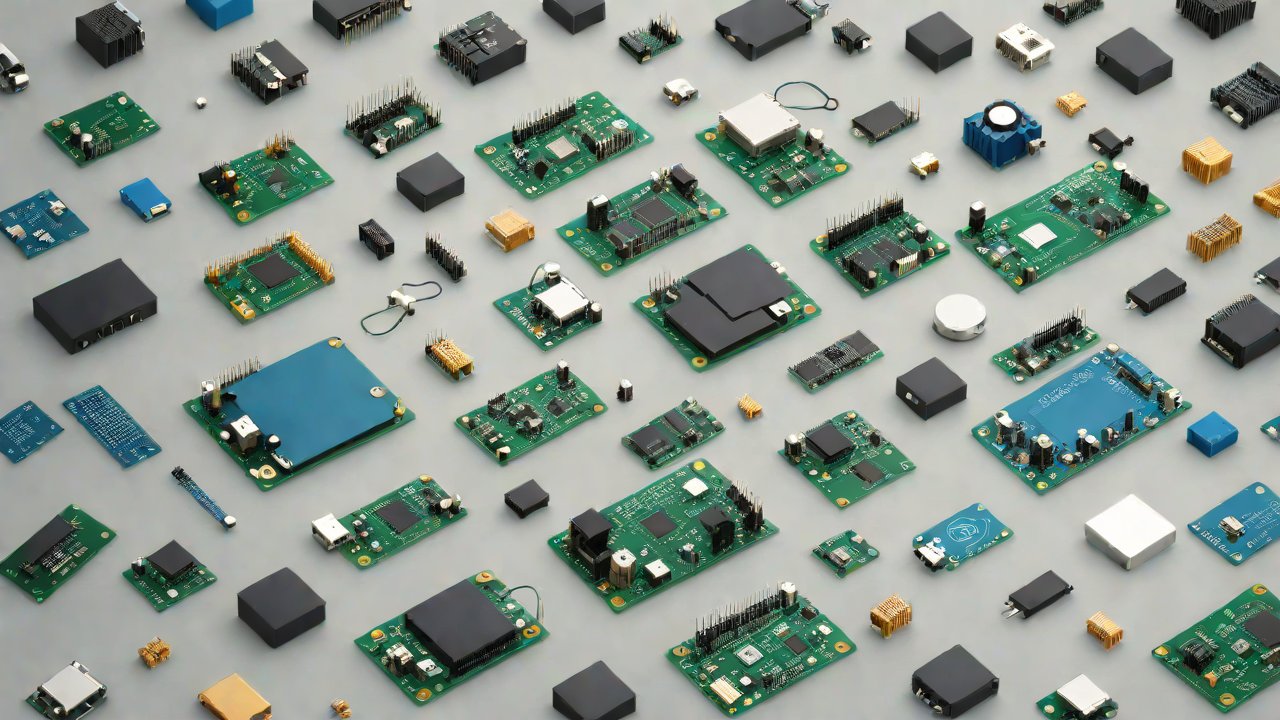
IoT hardware is a critical component of I4.0 solutions, enabling the connection of devices, machines, and sensors to the network. Some common types of IoT hardware used in industry 4.0 applications include:
Table 3: Common IoT Hardware Components
| Component | Description |
|---|---|
| Edge Gateways | Connects devices to the cloud or local networks |
| Sensors (e.g., temperature, pressure, vibration) | Monitor and measure physical parameters in real-time |
| Actuators (e.g., motors, valves) | Control and manipulate equipment or processes |
4. Cost Analysis
The cost of implementing industry 4.0 IoT solutions can be significant, but it is essential to consider the long-term benefits, such as increased productivity and competitiveness. The following table provides a rough estimate of costs associated with different I4.0 components:
Table 4: Estimated Costs of Industry 4.0 Components
| Component | Estimated Cost (€) |
|---|---|
| Edge Gateway | 500-1,000 |
| Sensor Suite (10 sensors) | 2,000-5,000 |
| Actuator System (10 actuators) | 3,000-6,000 |
5. Implementation Roadmap
Implementing industry 4.0 IoT solutions requires a structured approach to ensure successful adoption and return on investment. The following roadmap provides a general outline of the steps involved:
Table 5: Industry 4.0 Implementation Roadmap
| Phase | Description |
|---|---|
| 1. Assessment | Identify business needs, current capabilities, and potential ROI |
| 2. Planning | Develop a detailed implementation plan, including budgeting and resource allocation |
| 3. Design | Define the I4.0 architecture, selecting hardware, software, and protocols |
| 4. Deployment | Install and configure equipment, software, and networks |
| 5. Testing | Validate system performance, functionality, and data quality |
6. Case Studies
Several Italian companies have successfully implemented industry 4.0 IoT solutions, achieving significant benefits in terms of productivity, efficiency, and competitiveness. The following case studies illustrate the adoption of I4.0 technologies in different sectors:
Case Study 1: Automotive Industry
- Company: Fiat Chrysler Automobiles (FCA)
- Solution: Predictive maintenance using IoT sensors and AI algorithms
- Benefits: Reduced downtime by 30%, increased productivity by 25%
Case Study 2: Food Processing Industry
- Company: Barilla Group
- Solution: Real-time monitoring of production processes using IoT sensors and data analytics
- Benefits: Improved quality control, reduced waste by 20%
7. Conclusion
Industry 4.0 IoT solutions have the potential to transform Italian manufacturing industries, enabling increased productivity, competitiveness, and innovation. By understanding the technical insights, protocol implementation, hardware, cost analysis, and best practices outlined in this report, companies can embark on their own I4.0 journey.
FAQ
1. What is Industry 4.0?
Industry 4.0 (I4.0) refers to the fourth industrial revolution, characterized by the integration of digital technologies, such as IoT, AI, robotics, and data analytics, to create a smart manufacturing ecosystem.
2. What are the key features of I4.0?
The key features of I4.0 include IoT sensors, AI/ML algorithms, robotics, and data analytics.
3. Which IoT protocols are commonly used in I4.0 applications?
CoAP, MQTT, and HTTP/2 are some of the most widely used IoT protocols in I4.0 applications.
4. What is the role of edge gateways in I4.0 solutions?
Edge gateways connect devices to the cloud or local networks, enabling data exchange and communication between devices and systems.
5. How can companies benefit from implementing I4.0 solutions?
Companies can benefit from increased productivity, competitiveness, and innovation by adopting I4.0 solutions.
6. What is the estimated cost of implementing I4.0 components?
The estimated costs of I4.0 components range from €500 to €10,000 or more, depending on the specific solution and hardware requirements.
7. How can companies ensure successful adoption of I4.0 solutions?
Companies should develop a structured approach to implementation, including assessment, planning, design, deployment, testing, and continuous improvement.
8. What are some examples of Italian companies that have successfully implemented I4.0 solutions?
Fiat Chrysler Automobiles (FCA) and Barilla Group are two examples of Italian companies that have successfully adopted I4.0 technologies.
9. How can companies select the right hardware for their I4.0 solution?
Companies should consider factors such as device connectivity, data processing capabilities, and security requirements when selecting hardware for their I4.0 solution.
10. What is the role of AI/ML algorithms in I4.0 solutions?
AI/ML algorithms enable predictive maintenance, quality control, and process optimization in I4.0 solutions.
11. How can companies ensure data security in I4.0 solutions?
Companies should implement robust security measures, including encryption, firewalls, and access controls to protect data in their I4.0 solutions.
12. What is the importance of data analytics in I4.0 solutions?
Data analytics enables real-time monitoring, decision-making, and continuous improvement in I4.0 solutions.
13. How can companies measure the ROI of their I4.0 solution?
Companies should track key performance indicators (KPIs), such as productivity, efficiency, and competitiveness, to measure the return on investment of their I4.0 solution.
14. What are some common challenges associated with implementing I4.0 solutions?
Some common challenges include data integration, scalability, and security.
15. How can companies overcome these challenges?
Companies can overcome these challenges by developing a structured approach to implementation, including assessment, planning, design, deployment, testing, and continuous improvement.
16. What is the role of robotics in I4.0 solutions?
Robotics enables automation of tasks, such as assembly, inspection, and packaging, in I4.0 solutions.
17. How can companies select the right robotics system for their I4.0 solution?
Companies should consider factors such as device connectivity, data processing capabilities, and security requirements when selecting a robotics system for their I4.0 solution.
18. What is the importance of IoT sensors in I4.0 solutions?
IoT sensors enable real-time monitoring and control of equipment and processes in I4.0 solutions.
19. How can companies ensure accurate data from IoT sensors?
Companies should implement robust data validation and calibration procedures to ensure accurate data from IoT sensors.
20. What is the role of edge gateways in I4.0 solutions?
Edge gateways connect devices to the cloud or local networks, enabling data exchange and communication between devices and systems.
21. How can companies select the right edge gateway for their I4.0 solution?
Companies should consider factors such as device connectivity, data processing capabilities, and security requirements when selecting an edge gateway for their I4.0 solution.
22. What is the importance of data analytics in I4.0 solutions?
Data analytics enables real-time monitoring, decision-making, and continuous improvement in I4.0 solutions.
23. How can companies measure the ROI of their I4.0 solution?
Companies should track key performance indicators (KPIs), such as productivity, efficiency, and competitiveness, to measure the return on investment of their I4.0 solution.
24. What are some common challenges associated with implementing I4.0 solutions?
Some common challenges include data integration, scalability, and security.
25. How can companies overcome these challenges?
Companies can overcome these challenges by developing a structured approach to implementation, including assessment, planning, design, deployment, testing, and continuous improvement.
IOT Cloud Platform
IOT Cloud Platform is an IoT portal established by a Chinese IoT company, focusing on technical solutions in the fields of agricultural IoT, industrial IoT, medical IoT, security IoT, military IoT, meteorological IoT, consumer IoT, automotive IoT, commercial IoT, infrastructure IoT, smart warehousing and logistics, smart home, smart city, smart healthcare, smart lighting, etc.
The IoT Cloud Platform blog is a top IoT technology stack, providing technical knowledge on IoT, robotics, artificial intelligence (generative artificial intelligence AIGC), edge computing, AR/VR, cloud computing, quantum computing, blockchain, smart surveillance cameras, drones, RFID tags, gateways, GPS, 3D printing, 4D printing, autonomous driving, etc.
Note: This article was professionally generated with the assistance of AIGC and has been fact-checked and manually corrected by IoT expert editor IoTCloudPlatForm.