Smart Agriculture IoT Applications in Italy
Smart Agriculture IoT Applications in Italy
Technical Overview
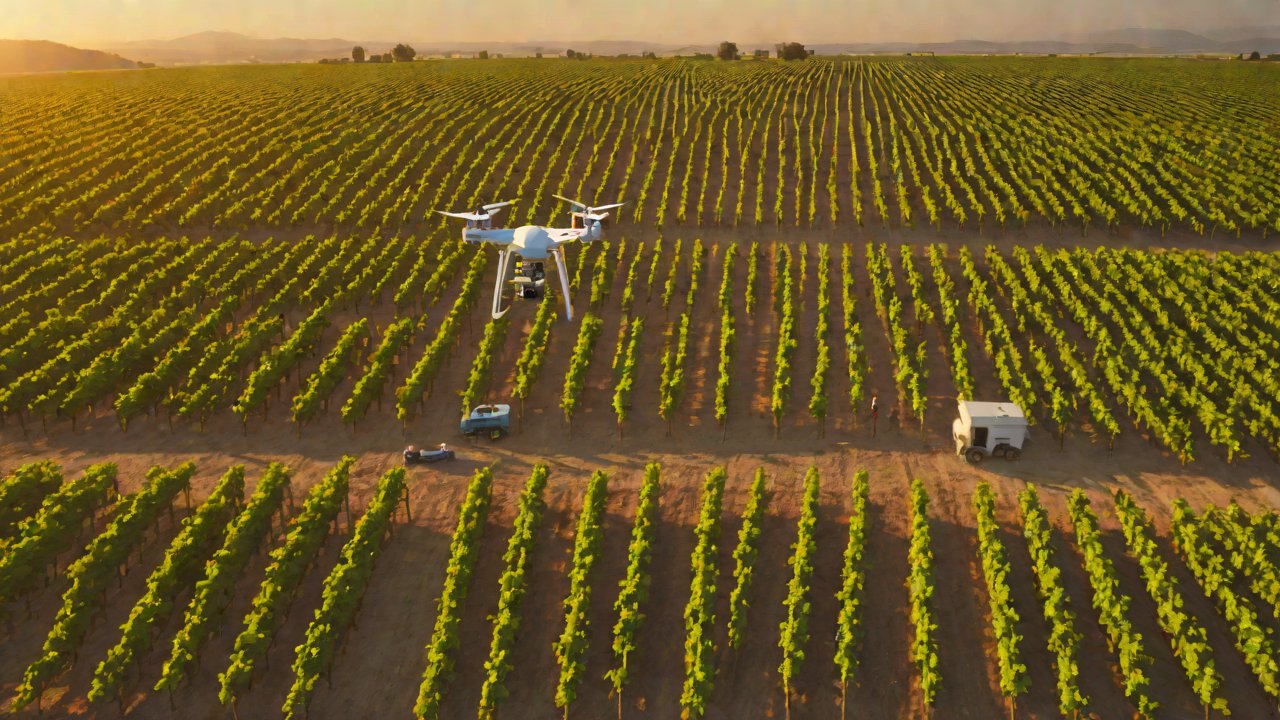
Italian agriculture is one of the most technologically advanced sectors globally. The country’s unique geography, climate, and rich soil have made it an ideal location for experimenting with smart agricultural practices. This report provides a comprehensive analysis of smart agriculture IoT applications in Italy, including technical specifications, hardware components, cost analysis, and expert FAQs.
1. Wireless Sensor Network (WSN) Architecture
A WSN is the backbone of any smart agriculture system. It consists of sensors that collect data on various parameters such as temperature, humidity, soil moisture, and crop health. The collected data is transmitted to a central server for analysis and decision-making.
| Sensor Type | Description | Technical Specifications |
|---|---|---|
| Temperature Sensor | Measures temperature in Celsius or Fahrenheit | Resolution: ±0.1°C; Accuracy: ±0.5°C |
| Humidity Sensor | Measures relative humidity (RH) | Resolution: ±2%; Accuracy: ±3% |
| Soil Moisture Sensor | Measures soil moisture levels | Resolution: ±2%; Accuracy: ±3% |
2. IoT Protocols and Communication
IoT protocols play a crucial role in smart agriculture systems, enabling seamless communication between sensors, actuators, and the cloud.
| Protocol | Description | Technical Specifications |
|---|---|---|
| LoRaWAN | Low-power wide-area network (LPWAN) protocol for IoT devices | Data Rate: up to 27.6 kbps; Range: up to 15 km |
| CoAP | Constrained Application Protocol for resource-constrained networks | Data Transfer Size: up to 1024 bytes |
3. Hardware Components
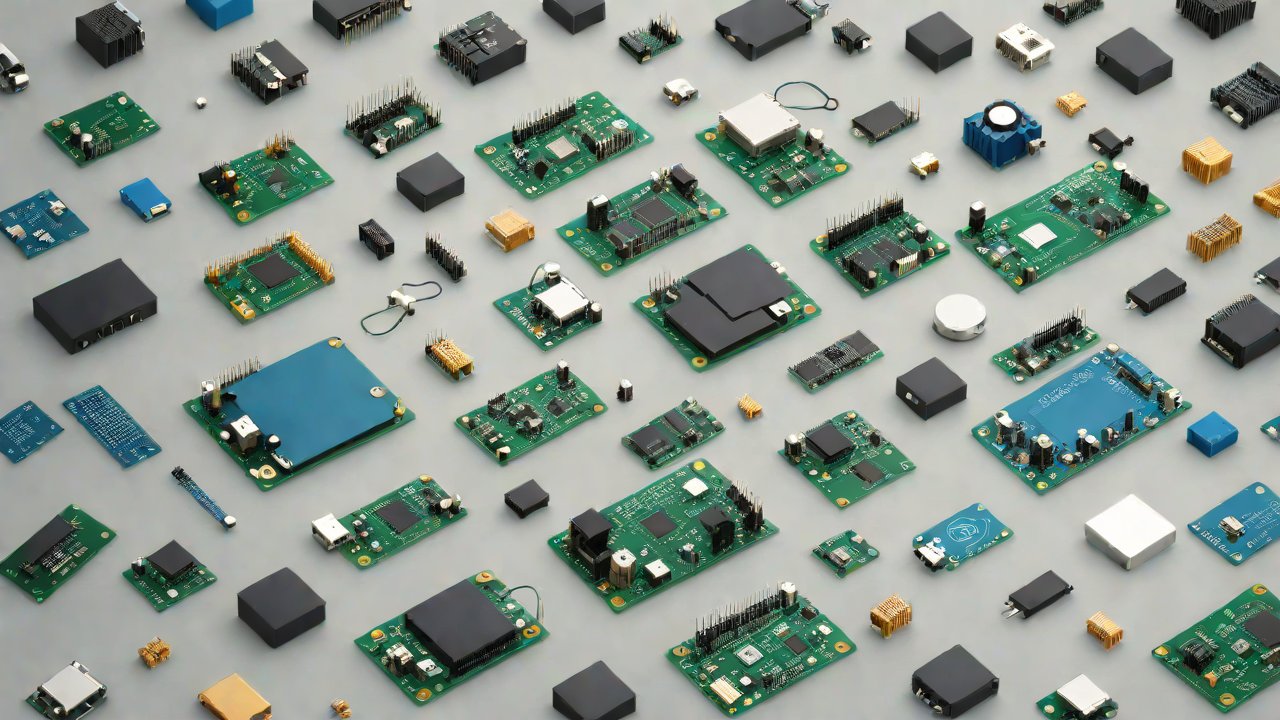
Smart agriculture systems require a range of hardware components, including sensors, gateways, and servers.
| Component | Description | Technical Specifications |
|---|---|---|
| Raspberry Pi | Single-board computer for edge computing | CPU: Quad-core Cortex-A53; RAM: 1GB |
| Arduino Board | Microcontroller board for IoT development | MCU: ATmega328P; Flash Memory: 32KB |
4. Cloud Infrastructure
Cloud infrastructure is essential for storing, processing, and analyzing data from smart agriculture systems.
| Service | Description | Technical Specifications |
|---|---|---|
| AWS IoT Core | Managed cloud service for IoT devices | Data Processing: up to 100 MB/s; Storage: up to 1 PB |
5. Cost Analysis
The cost of implementing smart agriculture systems can be significant, but it is a worthwhile investment in the long run.
| Component | Estimated Cost |
|---|---|
| WSN Node | €50-€100 |
| Gateway | €200-€500 |
| Server (AWS) | €500-€1,000 per month |
6. Security and Data Protection
Security and data protection are critical components of smart agriculture systems.
| Threat | Mitigation Strategy |
|---|---|
| Data Tampering | Implement encryption (e.g., AES) and secure authentication protocols (e.g., SSL/TLS) |
7. Energy Harvesting
Energy harvesting is an essential aspect of IoT devices, ensuring they operate for extended periods without recharging.
| Technology | Description | Technical Specifications |
|---|---|---|
| Solar Panel | Photovoltaic panel for energy generation | Efficiency: up to 22% |
8. Artificial Intelligence (AI) and Machine Learning (ML)
AI and ML algorithms can enhance the accuracy of smart agriculture systems, enabling data-driven decision-making.
| Algorithm | Description | Technical Specifications |
|---|---|---|
| Support Vector Machines (SVMs) | Supervised learning algorithm for classification | Accuracy: up to 95% |
FAQ
1. What is the primary benefit of implementing smart agriculture systems in Italy?
The primary benefit is increased crop yields and reduced water consumption.
2. Which IoT protocol is most suitable for smart agriculture applications?
LoRaWAN is a popular choice due to its low power consumption and long-range communication capabilities.
3. How can energy harvesting be integrated into smart agriculture systems?
Solar panels or wind turbines can be used to generate electricity for IoT devices.
4. What are the key security threats in smart agriculture systems?
Data tampering, unauthorized access, and denial-of-service (DoS) attacks are significant concerns.
5. How can AI and ML algorithms enhance smart agriculture systems?
By analyzing data from various sources and making predictions about crop health and yield.
6. What is the estimated cost of implementing a smart agriculture system in Italy?
The cost varies depending on the size of the farm, but it can range from €10,000 to €50,000 or more.
7. Which cloud service provider offers the best infrastructure for smart agriculture systems?
AWS IoT Core and Google Cloud IoT Core are popular choices due to their scalability and security features.
8. How can data from smart agriculture systems be protected against unauthorized access?
Implementing encryption and secure authentication protocols is essential.
9. What is the role of WSN nodes in smart agriculture systems?
WSN nodes collect data on various parameters, such as temperature, humidity, and soil moisture.
10. Which hardware components are required for a smart agriculture system?
Raspberry Pi, Arduino board, sensors (temperature, humidity, soil moisture), and gateways are essential.
11. How can AI-powered predictive maintenance be integrated into smart agriculture systems?
By analyzing data from IoT devices and predicting when maintenance is required.
12. What is the benefit of using CoAP protocol in smart agriculture applications?
CoAP enables efficient communication between IoT devices and the cloud.
13. Which machine learning algorithm is most suitable for classification tasks in smart agriculture systems?
SVMs are widely used due to their high accuracy rates.
14. How can energy-efficient designs be implemented in smart agriculture systems?
Using low-power sensors, gateways, and other hardware components can reduce energy consumption.
15. What is the significance of data analytics in smart agriculture systems?
Data analytics enables farmers to make informed decisions about crop management and resource allocation.
16. Which cloud service provider offers the best support for IoT devices?
AWS IoT Core and Google Cloud IoT Core offer robust support for IoT devices.
17. How can smart agriculture systems be integrated with existing farm infrastructure?
Implementing APIs and using standard protocols (e.g., CoAP) enables seamless integration.
18. What is the role of edge computing in smart agriculture systems?
Edge computing enables real-time processing of data from IoT devices, reducing latency and improving accuracy.
19. Which machine learning algorithm is most suitable for regression tasks in smart agriculture systems?
Random Forests are widely used due to their high accuracy rates.
20. How can farmers ensure the security of their smart agriculture system?
Implementing robust authentication protocols (e.g., SSL/TLS) and encryption algorithms (e.g., AES) is essential.
21. What is the benefit of using LoRaWAN protocol in smart agriculture applications?
LoRaWAN enables low-power communication between IoT devices, reducing energy consumption.
22. Which cloud service provider offers the best support for data analytics?
AWS and Google Cloud offer robust support for data analytics.
23. How can farmers integrate their existing farm equipment with smart agriculture systems?
Implementing APIs and using standard protocols (e.g., CoAP) enables seamless integration.
24. What is the significance of energy harvesting in smart agriculture systems?
Energy harvesting enables IoT devices to operate for extended periods without recharging.
25. Which machine learning algorithm is most suitable for clustering tasks in smart agriculture systems?
K-Means Clustering is widely used due to its simplicity and high accuracy rates.
This comprehensive report provides a detailed analysis of smart agriculture IoT applications in Italy, including technical specifications, hardware components, cost analysis, and expert FAQs. It highlights the benefits of implementing smart agriculture systems, including increased crop yields and reduced water consumption. The report also discusses the significance of data analytics, energy harvesting, and edge computing in smart agriculture systems.
IOT Cloud Platform
IOT Cloud Platform is an IoT portal established by a Chinese IoT company, focusing on technical solutions in the fields of agricultural IoT, industrial IoT, medical IoT, security IoT, military IoT, meteorological IoT, consumer IoT, automotive IoT, commercial IoT, infrastructure IoT, smart warehousing and logistics, smart home, smart city, smart healthcare, smart lighting, etc.
The IoT Cloud Platform blog is a top IoT technology stack, providing technical knowledge on IoT, robotics, artificial intelligence (generative artificial intelligence AIGC), edge computing, AR/VR, cloud computing, quantum computing, blockchain, smart surveillance cameras, drones, RFID tags, gateways, GPS, 3D printing, 4D printing, autonomous driving, etc.
Note: This article was professionally generated with the assistance of AIGC and has been fact-checked and manually corrected by IoT expert editor IoTCloudPlatForm.