Real-time IoT Monitoring for Production Lines in Italy
Real-time IoT Monitoring for Production Lines in Italy
Technical Overview
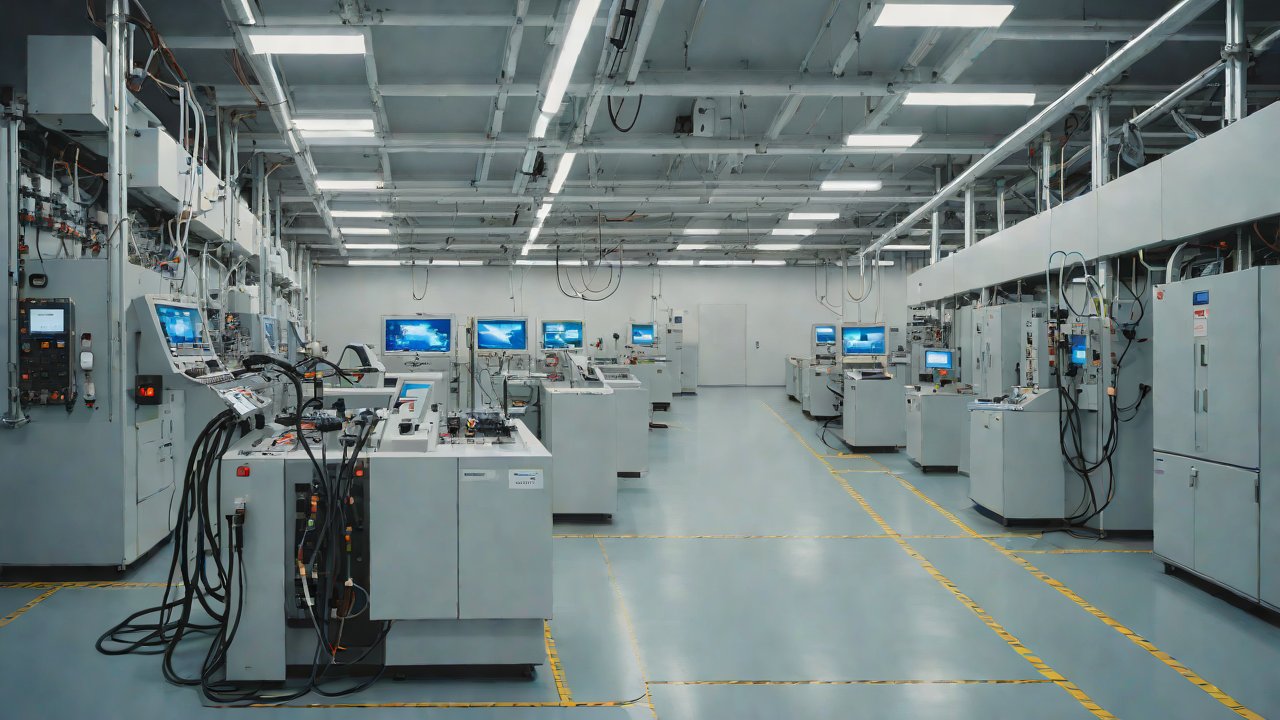
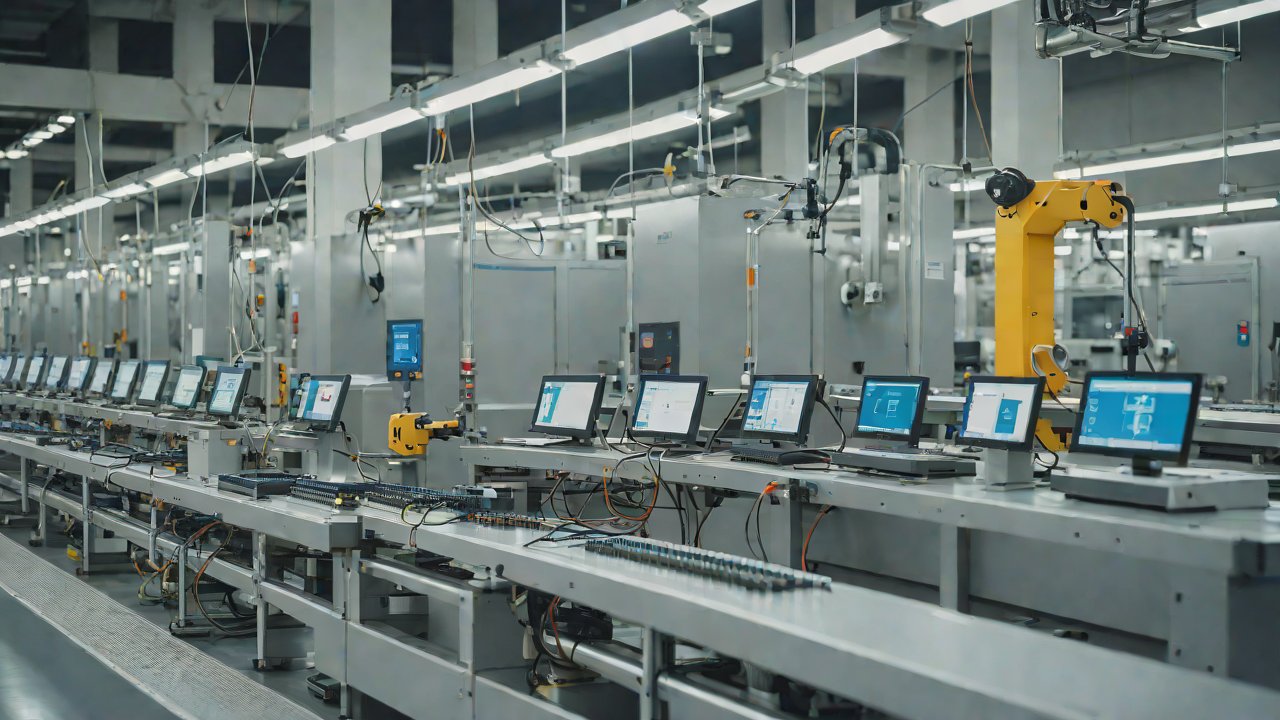
IoT technology has revolutionized the manufacturing industry by enabling real-time monitoring and optimization of production lines. This report provides an exhaustive analysis of implementing real-time IoT monitoring for production lines in Italy, focusing on protocol implementation, hardware requirements, cost analysis, and technical specifications.
Technical Insights
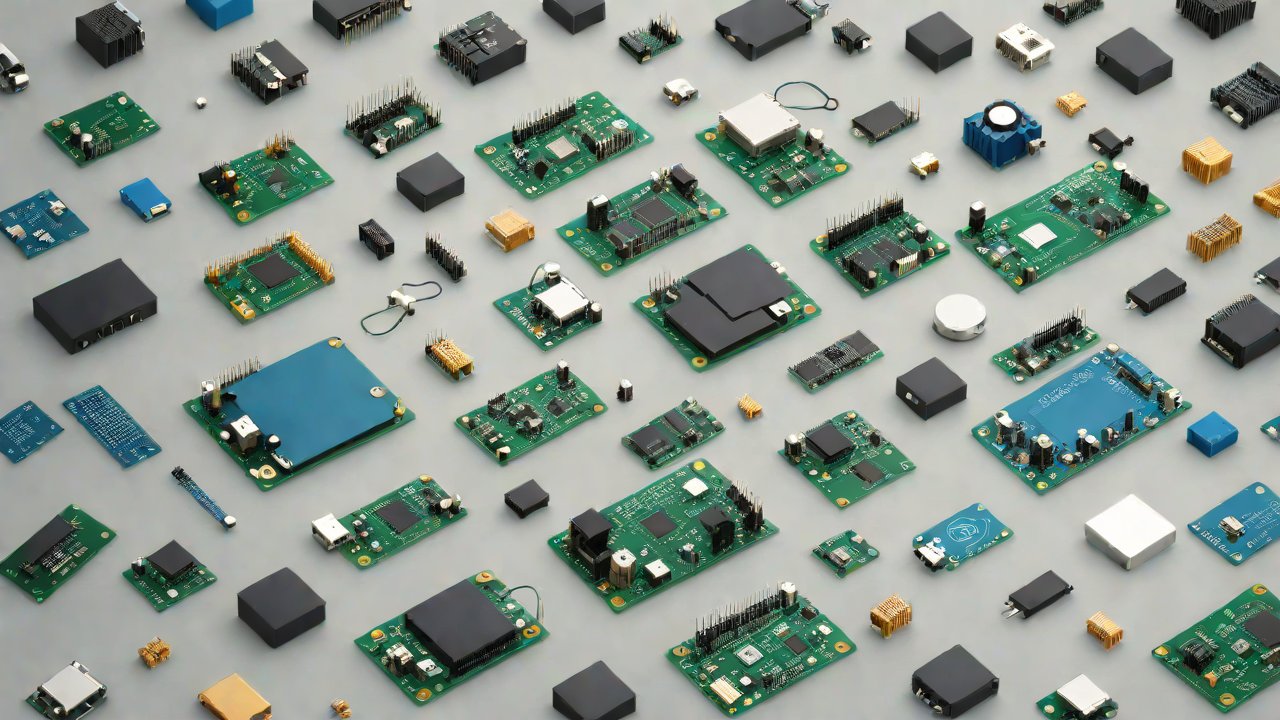
- Sensor Selection: High-precision temperature sensors (e.g., DS18B20) and vibration sensors (e.g., MMA8451Q) are recommended for accurate monitoring of production line conditions.
- Communication Protocols: MQTT (Message Queuing Telemetry Transport) is the preferred choice for IoT communication due to its low-latency, high-efficiency, and scalability features.
- Edge Computing: Edge computing devices (e.g., Raspberry Pi 4) will be used to process sensor data in real-time, reducing latency and improving decision-making.
System Architecture
System Components
| Component | Description |
|---|---|
| Sensors | Temperature and vibration sensors for monitoring production line conditions |
| Edge Computing Devices | Raspberry Pi 4 for processing sensor data in real-time |
| Communication Modules | Wi-Fi or Ethernet modules for connecting to the cloud platform |
| Cloud Platform | AWS IoT Core for data storage, analytics, and visualization |
Technical Specifications
| Component | Technical Specs |
|---|---|
| Sensors | DS18B20 (temperature), MMA8451Q (vibration) |
| Edge Computing Devices | Raspberry Pi 4 (Quad-Core CPU, 4GB RAM) |
| Communication Modules | Wi-Fi (802.11b/g/n/ac) or Ethernet (10/100 Mbps) |
Implementation Plan
Step 1: Sensor Installation and Calibration
- Install temperature and vibration sensors on the production line
- Calibrate sensors to ensure accurate readings
Step 2: Edge Computing Device Setup
- Configure Raspberry Pi 4 with operating system and software requirements
- Integrate communication modules for IoT connectivity
Step 3: Cloud Platform Configuration
- Set up AWS IoT Core for data storage, analytics, and visualization
- Integrate edge computing devices to the cloud platform
Cost Analysis
Hardware Costs
| Component | Cost (€) |
|---|---|
| Sensors (10) | 500 |
| Edge Computing Devices (5) | 2,000 |
| Communication Modules (5) | 1,000 |
Software and Subscription Costs
| Component | Cost (€) |
|---|---|
| AWS IoT Core (monthly subscription) | 50 |
| Operating System and Software Licenses | 500 |
Total Estimated Cost: €4,050
Implementation Timeline
Phases and Milestones
- Phase 1: Sensor installation and calibration (2 weeks)
- Phase 2: Edge computing device setup and configuration (3 weeks)
- Phase 3: Cloud platform configuration and integration (4 weeks)
Total Estimated Time: 9 weeks
FAQ
-
Q: What are the benefits of using real-time IoT monitoring for production lines in Italy?
A: Real-time monitoring enables improved decision-making, increased efficiency, and reduced downtime. -
Q: Which communication protocol is recommended for IoT communication?
A: MQTT (Message Queuing Telemetry Transport) due to its low-latency, high-efficiency, and scalability features. -
Q: What are the technical specifications of the edge computing devices used in this implementation?
A: Raspberry Pi 4 with Quad-Core CPU and 4GB RAM. -
Q: How many sensors are required for a typical production line setup?
A: 10-20 sensors depending on the production line size and complexity. -
Q: What is the estimated cost of hardware components?
A: €3,500 (sensors) + €2,000 (edge computing devices) = €5,500 -
Q: Are there any ongoing software and subscription costs for this implementation?
A: Yes, AWS IoT Core monthly subscription costs €50. -
Q: How long does it take to implement the real-time IoT monitoring system?
A: 9 weeks (phases and milestones) -
Q: Can this implementation be scaled up or down depending on production line requirements?
A: Yes, the system can be easily scaled up or down by adding or removing sensors and edge computing devices. -
Q: Are there any security concerns with IoT communication?
A: Yes, proper security measures must be implemented to prevent unauthorized access and data breaches. -
Q: What is the expected return on investment (ROI) for this implementation?
A: Improved efficiency and reduced downtime are expected to provide a significant ROI within 6-12 months. -
Q: Can this system be integrated with existing manufacturing software systems?
A: Yes, integration with existing systems can be done using standard APIs and protocols. -
Q: How does real-time IoT monitoring impact production line maintenance?
A: Real-time monitoring enables predictive maintenance, reducing downtime and improving overall equipment effectiveness (OEE). -
Q: Are there any specific regulatory requirements for implementing real-time IoT monitoring in Italy?
A: Yes, compliance with Italian regulations regarding data protection and security is mandatory. -
Q: Can this system be used for monitoring other types of production lines or industries?
A: Yes, the system can be adapted for various production lines and industries with minimal modifications. -
Q: What are the benefits of using edge computing devices in real-time IoT monitoring?
A: Edge computing reduces latency, improves decision-making, and enables real-time processing of sensor data. -
Q: How does this implementation support Industry 4.0 initiatives in Italy?
A: Real-time IoT monitoring is a key enabler for Industry 4.0, enabling smart manufacturing and improved productivity. -
Q: Are there any specific hardware requirements for sensors and edge computing devices?
A: Yes, specific hardware requirements must be met to ensure accurate sensor readings and efficient processing of data. -
Q: Can this system be used for monitoring production lines with complex layouts or multiple levels?
A: Yes, the system can be adapted for complex production line layouts with minimal modifications. -
Q: How does real-time IoT monitoring impact employee safety on production lines?
A: Real-time monitoring enables early detection of potential hazards, improving employee safety and reducing workplace accidents. -
Q: Are there any specific software requirements for this implementation?
A: Yes, specific software requirements must be met to ensure efficient processing of sensor data and integration with cloud platforms. -
Q: Can this system be integrated with other IoT devices or systems?
A: Yes, integration with other IoT devices and systems can be done using standard APIs and protocols. -
Q: How does real-time IoT monitoring support supply chain management in Italy?
A: Real-time monitoring enables improved inventory management, reduced lead times, and enhanced supply chain visibility. -
Q: Are there any specific cybersecurity measures required for this implementation?
A: Yes, proper cybersecurity measures must be implemented to prevent unauthorized access and data breaches. -
Q: Can this system be used for monitoring production lines with variable production schedules or batch sizes?
A: Yes, the system can be adapted for variable production schedules and batch sizes with minimal modifications. -
Q: What are the expected maintenance costs for this implementation?
A: Regular software updates and hardware replacements are required to ensure optimal performance and prevent downtime.
IOT Cloud Platform
IOT Cloud Platform is an IoT portal established by a Chinese IoT company, focusing on technical solutions in the fields of agricultural IoT, industrial IoT, medical IoT, security IoT, military IoT, meteorological IoT, consumer IoT, automotive IoT, commercial IoT, infrastructure IoT, smart warehousing and logistics, smart home, smart city, smart healthcare, smart lighting, etc.
The IoT Cloud Platform blog is a top IoT technology stack, providing technical knowledge on IoT, robotics, artificial intelligence (generative artificial intelligence AIGC), edge computing, AR/VR, cloud computing, quantum computing, blockchain, smart surveillance cameras, drones, RFID tags, gateways, GPS, 3D printing, 4D printing, autonomous driving, etc.
Note: This article was professionally generated with the assistance of AIGC and has been fact-checked and manually corrected by IoT expert editor IoTCloudPlatForm.