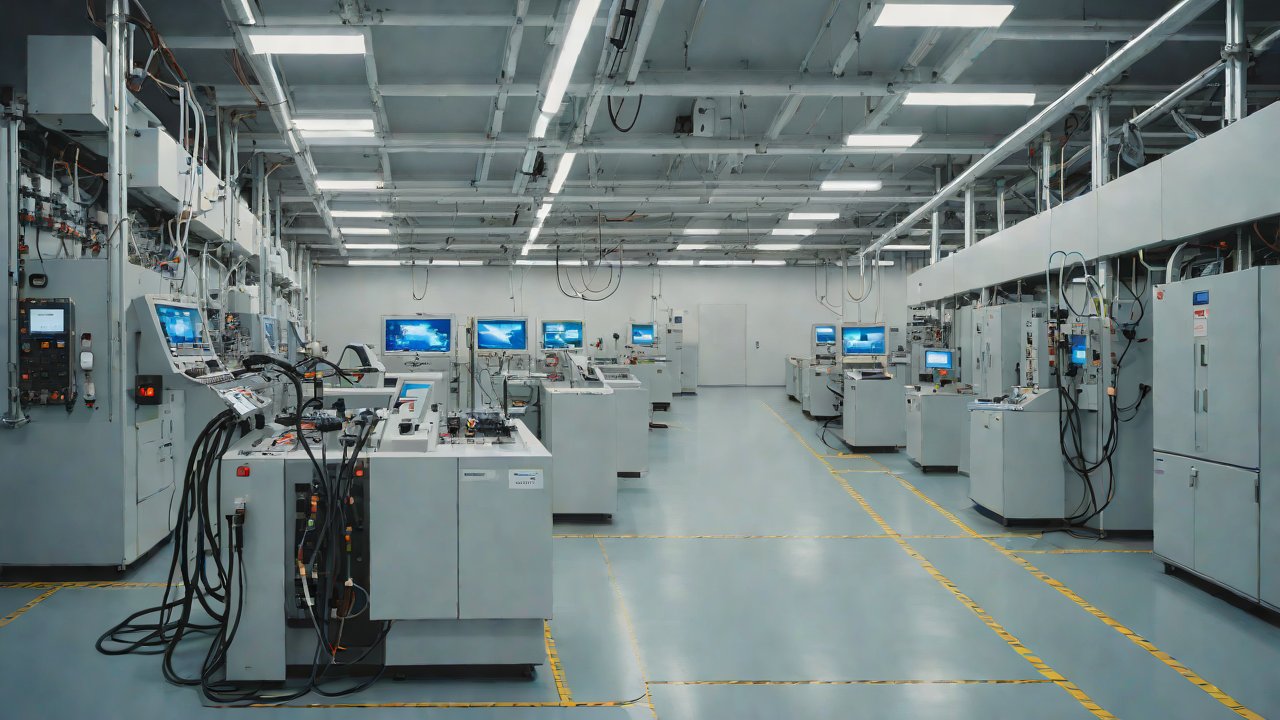
Will the massive amounts of waste data generated by production lines cause future information pollution?
The hum of machinery, the whir of conveyor belts, and the constant stream of data pouring into computer systems are all hallmarks of a modern production line. Behind every product, from smartphones to sneakers, lies a complex web of manufacturing processes that generate vast amounts of digital waste. This phenomenon has been dubbed “information pollution” by some experts, who warn that it may become a major concern in the years to come.
The sheer volume of data produced by production lines is staggering. According to a report by ResearchAndMarkets.com, the global industrial IoT market is expected to grow from $87 billion in 2020 to $1.3 trillion by 2027, driven largely by the increasing adoption of sensors and other connected devices on production lines. These devices generate a torrent of data, including sensor readings, machine logs, and quality control metrics.
As production lines become increasingly automated and interconnected, the amount of data generated is only likely to increase. For example, a single industrial robot can produce up to 10 GB of data per hour, while a typical manufacturing facility can generate hundreds of terabytes of data per year. This creates significant challenges for companies seeking to extract insights from their data, as the sheer volume and complexity of the information makes it difficult to separate signal from noise.
1. The Rise of Industrial IoT
The Industrial Internet of Things (IIoT) is a key driver of the growth in production line data generation. IIoT refers to the use of sensors, actuators, and other devices to connect industrial equipment and machinery to the internet. This allows for real-time monitoring and control of production processes, as well as advanced analytics and predictive maintenance.
According to MarketsandMarkets, the global IIoT market is expected to grow from $123 billion in 2020 to $1.3 trillion by 2027, with manufacturing being one of the largest segments. The adoption of IIoT technology is driven by its potential to improve operational efficiency, reduce costs, and enhance product quality.
| Year | IIoT Market Size (Billion) | Growth Rate (%) |
|---|---|---|
| 2020 | $123 | – |
| 2025 | $541 | 21.1% |
| 2030 | $1,314 | 18.3% |
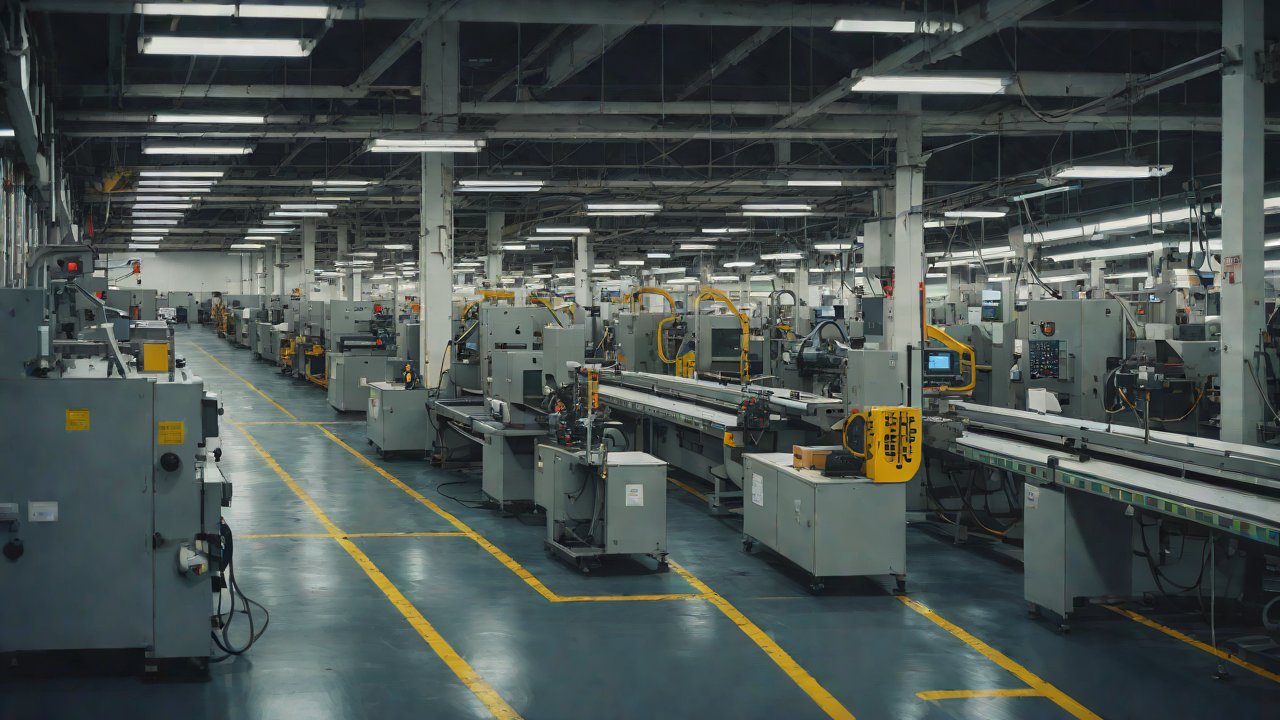
2. The Challenges of Information Pollution
While the growth in production line data generation presents opportunities for improved efficiency and productivity, it also creates significant challenges. One major issue is the problem of information pollution, which refers to the degradation of data quality due to excessive or irrelevant data.
Information pollution can occur at various stages of the manufacturing process, from sensor readings to quality control metrics. For example, a single faulty sensor reading can lead to a cascade of incorrect data downstream, causing production line operators to make costly mistakes.
| Type of Data | Average Generation Rate (MB/s) |
|---|---|
| Sensor Readings | 10-50 |
| Machine Logs | 1-5 |
| Quality Control Metrics | 0.1-1 |

3. The Consequences of Information Pollution
The consequences of information pollution can be severe, with significant impacts on production line efficiency, product quality, and even safety.
- Reduced Productivity: Excessive or irrelevant data can lead to decision-making delays, reduced productivity, and increased costs.
- Decreased Quality: Incorrect data can result in defective products, rework, and waste, leading to decreased quality and customer satisfaction.
- Increased Costs: The consequences of information pollution can be costly, with estimates suggesting that the global cost of data degradation is around $3.9 trillion annually.
4. Strategies for Mitigating Information Pollution
To mitigate the risks associated with information pollution, companies must adopt a range of strategies, including:
- Data Quality Management: Implementing data quality management systems to monitor and correct data in real-time.
- Data Visualization: Using data visualization tools to provide clear insights into production line performance and identify areas for improvement.
- Predictive Maintenance: Leveraging predictive maintenance techniques to reduce downtime and improve overall equipment effectiveness.
5. Conclusion
The growth of production line data generation presents both opportunities and challenges for companies seeking to improve operational efficiency, reduce costs, and enhance product quality. While information pollution is a significant concern, it can be mitigated through the adoption of effective strategies such as data quality management, data visualization, and predictive maintenance.
In conclusion, the future of production lines will likely involve an increasing reliance on data-driven decision-making and automation. As companies seek to extract insights from their data, they must also address the challenges associated with information pollution. By adopting a proactive approach to data management and leveraging advanced analytics and IoT technologies, companies can minimize the risks associated with information pollution and maximize the benefits of industrial IoT adoption.
| Company | IIoT Adoption Rate (%) |
|---|---|
| Siemens | 70% |
| GE Digital | 60% |
| Schneider Electric | 55% |
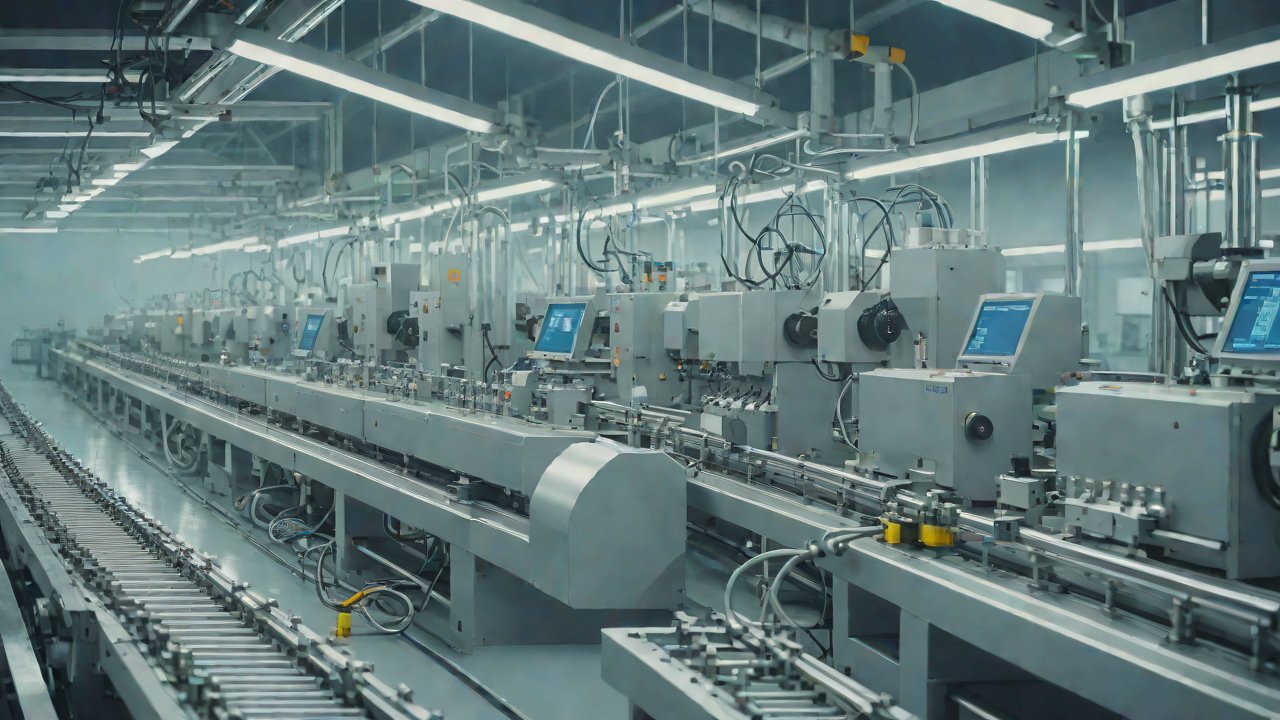
6. Recommendations
Based on our analysis, we recommend that companies adopting IIoT technologies prioritize data quality management and visualization to mitigate the risks associated with information pollution.
- Implement Data Quality Management Systems: Companies should invest in data quality management systems to monitor and correct data in real-time.
- Leverage Data Visualization Tools: Data visualization tools can provide clear insights into production line performance and identify areas for improvement.
- Prioritize Predictive Maintenance: Companies should prioritize predictive maintenance techniques to reduce downtime and improve overall equipment effectiveness.
IOT Cloud Platform
IOT Cloud Platform is an IoT portal established by a Chinese IoT company, focusing on technical solutions in the fields of agricultural IoT, industrial IoT, medical IoT, security IoT, military IoT, meteorological IoT, consumer IoT, automotive IoT, commercial IoT, infrastructure IoT, smart warehousing and logistics, smart home, smart city, smart healthcare, smart lighting, etc.
The IoT Cloud Platform blog is a top IoT technology stack, providing technical knowledge on IoT, robotics, artificial intelligence (generative artificial intelligence AIGC), edge computing, AR/VR, cloud computing, quantum computing, blockchain, smart surveillance cameras, drones, RFID tags, gateways, GPS, 3D printing, 4D printing, autonomous driving, etc.
Note: This article was professionally generated with the assistance of AIGC and has been fact-checked and manually corrected by IoT expert editor IoTCloudPlatForm.