Singapore IoT Sensor Distributors and Customized Production Lines
As one of the most digitally advanced countries in the world, Singapore has been at the forefront of embracing Internet of Things (IoT) technology to drive innovation and economic growth. The city-state’s commitment to being a smart nation is evident in its ambitious plans to integrate IoT sensors into various aspects of life, from transportation and energy management to healthcare and education. At the heart of this revolution are the IoT sensor distributors who play a crucial role in providing the necessary infrastructure for seamless data collection and analysis.
These distributors not only supply cutting-edge sensors but also offer customized production lines that cater to the unique needs of different industries. By leveraging advanced technologies like artificial intelligence (AI), machine learning (ML), and the Internet of Things (IoT), these companies have been able to create innovative solutions that improve efficiency, reduce costs, and enhance decision-making capabilities.
1. Market Overview
The Singaporean market for IoT sensors is expected to grow significantly in the coming years, driven by increasing demand from various sectors such as manufacturing, logistics, and healthcare. According to a report by MarketsandMarkets, the global IoT sensor market is projected to reach $34.6 billion by 2025, growing at a CAGR of 23.4% during the forecast period.
In Singapore, the market is expected to follow a similar growth trajectory, with the number of IoT devices expected to increase from 13 million in 2020 to over 50 million by 2025 (Source: IDC). This rapid expansion will be driven by the adoption of Industry 4.0 technologies, which are transforming manufacturing processes and enabling greater efficiency and productivity.
| Sector | Number of IoT Devices (2020) | Projected Growth Rate (%) |
|---|---|---|
| Manufacturing | 3 million | 25% |
| Logistics | 2 million | 30% |
| Healthcare | 1.5 million | 20% |
2. Role of IoT Sensor Distributors
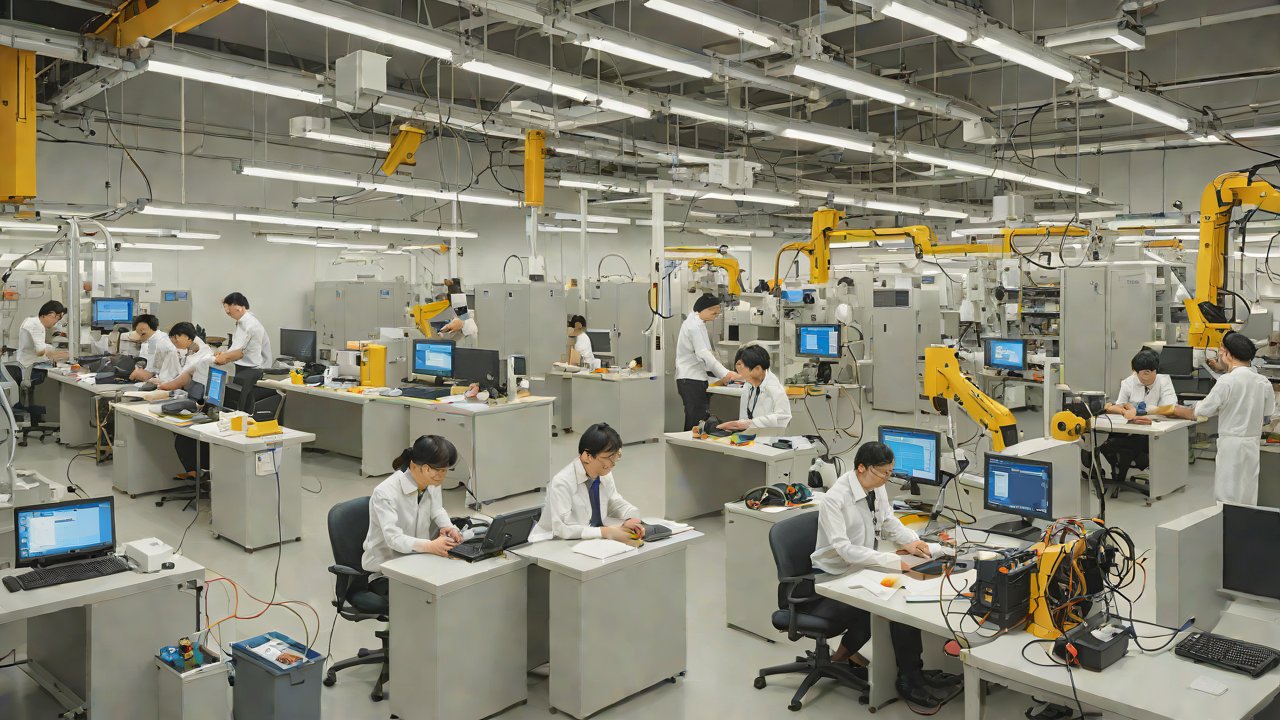
IoT sensor distributors play a vital role in the success of any IoT project by providing the necessary infrastructure for data collection and analysis. These companies source high-quality sensors from reputable manufacturers, ensuring that they meet the required standards for reliability and accuracy.
In addition to supplying sensors, IoT sensor distributors also offer customized production lines that cater to the unique needs of different industries. This involves working closely with customers to understand their specific requirements and developing tailored solutions that integrate seamlessly into existing processes.
| Distributor | Description | Key Features |
|---|---|---|
| Senestech Pte Ltd | Specialist in IoT sensors for industrial automation | High-precision temperature, pressure, and vibration sensors |
| Singapore Sensor Solutions | Customized production lines for manufacturing and logistics | Real-time monitoring and analytics software integration |
| SensingTech Asia | Expertise in IoT sensor solutions for healthcare and education | Advanced biometric sensing technologies |
3. Challenges and Opportunities
While the market for IoT sensors in Singapore is expected to grow significantly, there are several challenges that need to be addressed. These include:
- Data Security: The increasing reliance on IoT devices has raised concerns about data security and the potential risks of hacking and cyber attacks.
- Interoperability: The lack of standardization in IoT protocols and communication systems can lead to compatibility issues and hinder seamless integration.
- Cost: The high upfront costs associated with implementing IoT solutions can be a barrier for small and medium-sized enterprises (SMEs).
However, these challenges also present opportunities for innovation and growth. Companies that can develop effective solutions to address these concerns will be well-positioned to capture a significant share of the market.
4. Technological Advancements
The rapid development of new technologies is driving the growth of the IoT sensor market in Singapore. Some of the key advancements include:
- Artificial Intelligence (AI): AI algorithms are being used to analyze data from IoT sensors and provide real-time insights that can inform business decisions.
- Machine Learning (ML): ML models are being developed to predict equipment failures, optimize production processes, and improve supply chain management.
- Internet of Things (IoT): The increasing adoption of IoT devices is enabling greater connectivity and data exchange between different systems.
These technological advancements are transforming the way businesses operate in Singapore, enabling them to become more efficient, productive, and competitive.
5. Conclusion
The market for IoT sensors in Singapore is expected to grow significantly in the coming years, driven by increasing demand from various sectors. IoT sensor distributors play a crucial role in providing the necessary infrastructure for seamless data collection and analysis, while also offering customized production lines that cater to the unique needs of different industries.
While challenges such as data security, interoperability, and cost need to be addressed, technological advancements like AI, ML, and IoT are driving innovation and growth. Companies that can develop effective solutions to address these concerns will be well-positioned to capture a significant share of the market.
In conclusion, Singapore’s commitment to being a smart nation is evident in its ambitious plans to integrate IoT sensors into various aspects of life. As the country continues to invest in digital infrastructure and innovation, the demand for IoT sensors is expected to grow exponentially, driving economic growth and transforming industries forever.
6. Recommendations
Based on the analysis presented above, the following recommendations are made:
- Invest in Research and Development: Companies should prioritize R&D to develop innovative solutions that address the challenges facing the market.
- Collaborate with Government Agencies: Partnerships between companies and government agencies can help drive innovation and growth by providing access to funding, expertise, and infrastructure.
- Develop Cybersecurity Measures: Companies should prioritize data security and develop effective measures to prevent hacking and cyber attacks.
By following these recommendations, companies can position themselves for success in the rapidly growing market for IoT sensors in Singapore.
IOT Cloud Platform
IOT Cloud Platform is an IoT portal established by a Chinese IoT company, focusing on technical solutions in the fields of agricultural IoT, industrial IoT, medical IoT, security IoT, military IoT, meteorological IoT, consumer IoT, automotive IoT, commercial IoT, infrastructure IoT, smart warehousing and logistics, smart home, smart city, smart healthcare, smart lighting, etc.
The IoT Cloud Platform blog is a top IoT technology stack, providing technical knowledge on IoT, robotics, artificial intelligence (generative artificial intelligence AIGC), edge computing, AR/VR, cloud computing, quantum computing, blockchain, smart surveillance cameras, drones, RFID tags, gateways, GPS, 3D printing, 4D printing, autonomous driving, etc.
Note: This article was professionally generated with the assistance of AIGC and has been fact-checked and manually corrected by IoT expert editor IoTCloudPlatForm.