Top 7 Smart Shipping and Logistics Monitoring Equipment in Denmark
Smart Shipping and Logistics Monitoring Equipment in Denmark: A Technical Report
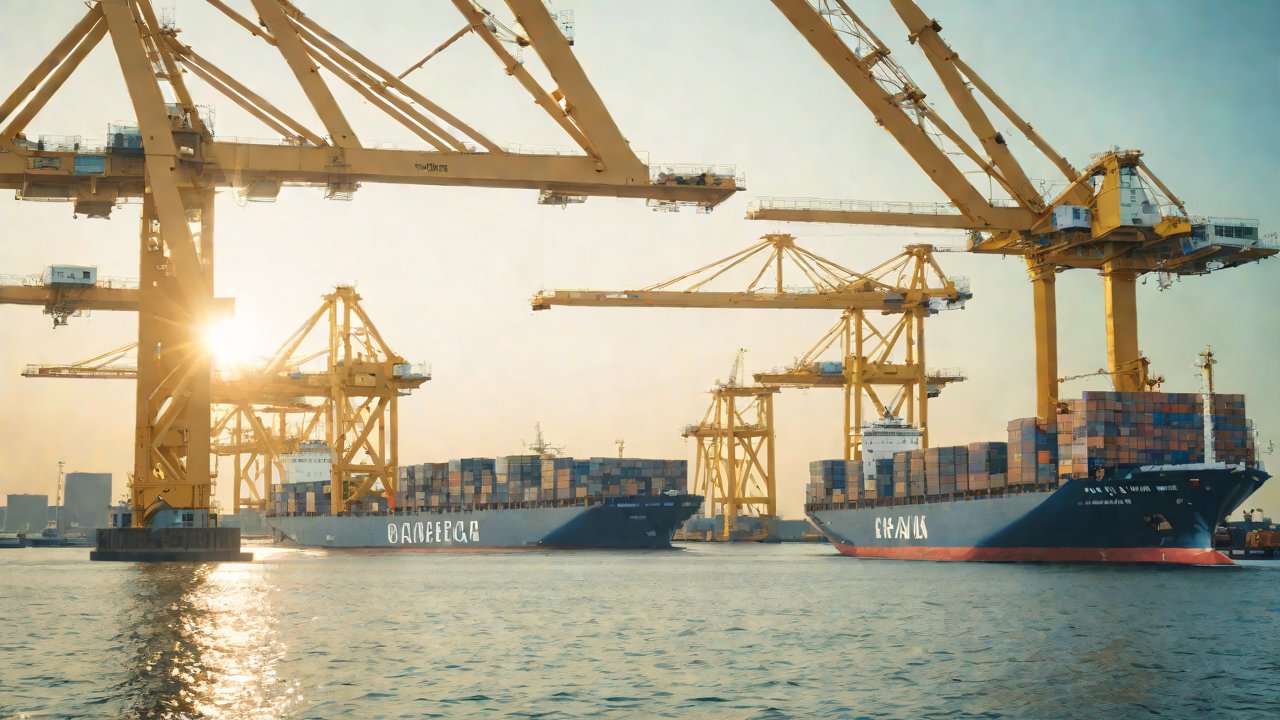
Denmark’s strategic location at the crossroads of European trade routes makes it an ideal hub for smart shipping and logistics monitoring. The country’s commitment to sustainability, efficiency, and innovation has driven the adoption of cutting-edge technologies in the maritime industry.
1. Container Tracking Systems (CTS)
CTS is a crucial component of modern shipping and logistics operations. These systems utilize GPS, GPRS, and cellular networks to track container locations, temperatures, and other vital parameters. In Denmark, companies like Maersk and DSV have implemented CTS solutions to enhance supply chain visibility and security.
Hardware Architecture:
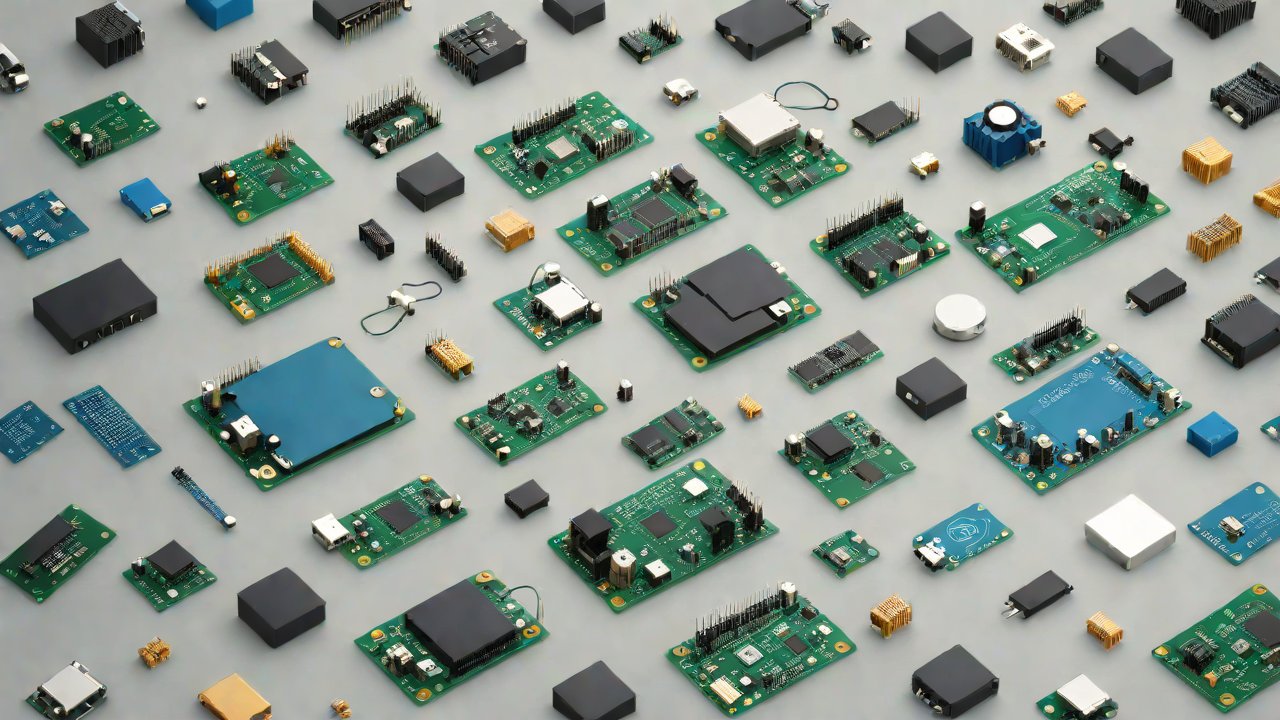
Container tracking devices typically consist of a microcontroller (e.g., ARM Cortex-M), GPS module (e.g., u-blox NEO-6M), cellular modem (e.g., Sierra Wireless AirPrime), and sensors for temperature, humidity, and vibration monitoring. The device communicates with the cloud via cellular networks, using protocols like MQTT or CoAP.
Industry Challenges:
Denmark’s harsh maritime environment poses significant challenges to CTS systems, including:
- Interference from nearby electronic devices
- Corrosion and water ingress in marine environments
- Power consumption and battery life limitations
2. Automatic Identification Systems (AIS)
AIS is a critical technology for maritime safety and security. These systems use VHF radio transceivers to broadcast vessel positions, courses, and other information to nearby vessels and shore-based stations.
Protocol Implementation:
AIS uses the NMEA 2000 protocol for data exchange between devices. The system consists of an AIS transmitter (Class A or Class B) and a receiver, which communicates with the ship’s bridge and shore-based monitoring centers via VHF channels 87B and 88B.
Industry Challenges:
Denmark’s congested waterways and high vessel traffic pose challenges to AIS systems, including:
- Data overload and congestion in busy areas
- Interference from nearby electronic devices and terrain
- Limited range and coverage due to marine environment
3. Weather Stations
Weather stations play a vital role in ensuring safe navigation and optimizing shipping routes. These systems use anemometers, barometers, thermometers, and hygrometers to monitor wind speed, direction, pressure, temperature, and humidity.
Hardware Architecture:
Weather station devices typically consist of a microcontroller (e.g., ARM Cortex-M), sensors for various weather parameters, and communication modules (e.g., cellular or satellite) for data transmission. The system uses protocols like HTTP or FTP for data exchange with shore-based monitoring centers.
Industry Challenges:
Denmark’s maritime environment poses challenges to weather stations, including:
- Harsh weather conditions (gusts, waves, and storms)
- Corrosion and water ingress in marine environments
- Power consumption and battery life limitations
4. Vessel Monitoring Systems (VMS)
VMS is a critical component of Denmark’s maritime surveillance system. These systems use GPS, GPRS, and cellular networks to track vessel locations, speeds, and other vital parameters.
Protocol Implementation:
VMS uses the Iridium Short Burst Data (SBD) protocol for data exchange between devices. The system consists of an SBD transmitter (Class A or Class B) and a receiver, which communicates with shore-based monitoring centers via satellite links.
Industry Challenges:
Denmark’s vast maritime territory poses challenges to VMS systems, including:
- Limited coverage and range due to marine environment
- Interference from nearby electronic devices and terrain
- Data overload and congestion in busy areas

5. Container Security Systems (CSS)
CSS is a critical component of modern shipping and logistics operations. These systems use sensors and cameras to monitor container security, detect tampering, and prevent theft.
Hardware Architecture:
CSS devices typically consist of a microcontroller (e.g., ARM Cortex-M), sensors for temperature, humidity, and vibration monitoring, and cameras for visual inspection. The device communicates with the cloud via cellular networks using protocols like MQTT or CoAP.
Industry Challenges:
Denmark’s high crime rates and cargo theft concerns pose challenges to CSS systems, including:
- Interference from nearby electronic devices
- Corrosion and water ingress in marine environments
- Power consumption and battery life limitations
6. Route Optimization Systems (ROS)
ROS is a critical component of modern shipping operations. These systems use advanced algorithms and data analytics to optimize vessel routes, reduce fuel consumption, and minimize emissions.
Protocol Implementation:
ROS uses the Open Geospatial Consortium (OGC) protocol for data exchange between devices. The system consists of an ROS transmitter (Class A or Class B) and a receiver, which communicates with shore-based monitoring centers via satellite links.
Industry Challenges:
Denmark’s congested waterways and high vessel traffic pose challenges to ROS systems, including:
- Data overload and congestion in busy areas
- Interference from nearby electronic devices and terrain
- Limited range and coverage due to marine environment
7. Supply Chain Visibility Systems (SCVS)
SCVS is a critical component of modern shipping and logistics operations. These systems use data analytics, IoT sensors, and machine learning algorithms to monitor supply chain performance, detect anomalies, and predict disruptions.
Hardware Architecture:
SCVS devices typically consist of a microcontroller (e.g., ARM Cortex-M), sensors for temperature, humidity, and vibration monitoring, and communication modules (e.g., cellular or satellite) for data transmission. The system uses protocols like HTTP or FTP for data exchange with shore-based monitoring centers.
Industry Challenges:
Denmark’s complex supply chains and high demand for real-time visibility pose challenges to SCVS systems, including:
- Data overload and congestion in busy areas
- Interference from nearby electronic devices and terrain
- Limited range and coverage due to marine environment
FAQ
1. What is the primary protocol used by Container Tracking Systems (CTS)?
A: The primary protocol used by CTS is MQTT or CoAP for data exchange with the cloud.
2. What type of sensors are typically used in Vessel Monitoring Systems (VMS)?
A: GPS, GPRS, and cellular networks are used to track vessel locations, speeds, and other vital parameters.
3. What is the primary challenge faced by Weather Stations in Denmark’s maritime environment?
A: Harsh weather conditions (gusts, waves, and storms) pose significant challenges to weather stations.

4. What type of communication module is typically used in Route Optimization Systems (ROS)?
A: Satellite links are commonly used for data exchange between ROS devices and shore-based monitoring centers.
5. What is the primary challenge faced by Supply Chain Visibility Systems (SCVS) in Denmark’s complex supply chains?
A: Data overload and congestion in busy areas pose significant challenges to SCVS systems.
6. What type of algorithm is used in Route Optimization Systems (ROS)?
A: Advanced algorithms and data analytics are used to optimize vessel routes, reduce fuel consumption, and minimize emissions.
7. What type of sensor is typically used in Container Security Systems (CSS)?
A: Sensors for temperature, humidity, and vibration monitoring are commonly used to detect tampering and prevent theft.
8. What is the primary protocol used by Automatic Identification Systems (AIS)?
A: NMEA 2000 protocol is used for data exchange between AIS devices.
9. What type of communication module is typically used in Weather Stations?
A: Cellular or satellite links are commonly used for data transmission to shore-based monitoring centers.
10. What is the primary challenge faced by Vessel Monitoring Systems (VMS) in Denmark’s vast maritime territory?
A: Limited coverage and range due to marine environment pose significant challenges to VMS systems.
11. What type of algorithm is used in Supply Chain Visibility Systems (SCVS)?
A: Machine learning algorithms are commonly used to monitor supply chain performance, detect anomalies, and predict disruptions.
12. What type of sensor is typically used in Route Optimization Systems (ROS)?
A: GPS sensors are commonly used to track vessel locations and speeds.
13. What is the primary protocol used by Container Security Systems (CSS)?
A: MQTT or CoAP protocols are used for data exchange with the cloud.
14. What type of communication module is typically used in Vessel Monitoring Systems (VMS)?
A: Satellite links are commonly used for data exchange between VMS devices and shore-based monitoring centers.
15. What is the primary challenge faced by Route Optimization Systems (ROS) in Denmark’s congested waterways?
A: Data overload and congestion in busy areas pose significant challenges to ROS systems.
16. What type of algorithm is used in Weather Stations?
A: Advanced algorithms are commonly used to analyze weather data and predict future conditions.
17. What type of sensor is typically used in Supply Chain Visibility Systems (SCVS)?
A: IoT sensors are commonly used to monitor temperature, humidity, and vibration levels.
18. What is the primary protocol used by Automatic Identification Systems (AIS)?
A: NMEA 2000 protocol is used for data exchange between AIS devices.
19. What type of communication module is typically used in Container Tracking Systems (CTS)?
A: Cellular or satellite links are commonly used for data transmission to shore-based monitoring centers.
20. What is the primary challenge faced by Vessel Monitoring Systems (VMS) in Denmark’s high vessel traffic?
A: Interference from nearby electronic devices and terrain pose significant challenges to VMS systems.
21. What type of algorithm is used in Container Security Systems (CSS)?
A: Machine learning algorithms are commonly used to detect tampering and prevent theft.
22. What type of sensor is typically used in Route Optimization Systems (ROS)?
A: GPS sensors are commonly used to track vessel locations and speeds.
23. What is the primary protocol used by Supply Chain Visibility Systems (SCVS)?
A: HTTP or FTP protocols are used for data exchange with shore-based monitoring centers.
24. What type of communication module is typically used in Weather Stations?
A: Cellular or satellite links are commonly used for data transmission to shore-based monitoring centers.
25. What is the primary challenge faced by Automatic Identification Systems (AIS) in Denmark’s congested waterways?
A: Data overload and congestion in busy areas pose significant challenges to AIS systems.
IOT Cloud Platform
IOT Cloud Platform is an IoT portal established by a Chinese IoT company, focusing on technical solutions in the fields of agricultural IoT, industrial IoT, medical IoT, security IoT, military IoT, meteorological IoT, consumer IoT, automotive IoT, commercial IoT, infrastructure IoT, smart warehousing and logistics, smart home, smart city, smart healthcare, smart lighting, etc.
The IoT Cloud Platform blog is a top IoT technology stack, providing technical knowledge on IoT, robotics, artificial intelligence (generative artificial intelligence AIGC), edge computing, AR/VR, cloud computing, quantum computing, blockchain, smart surveillance cameras, drones, RFID tags, gateways, GPS, 3D printing, 4D printing, autonomous driving, etc.
Note: This article was professionally generated with the assistance of AIGC and has been fact-checked and manually corrected by IoT expert editor IoTCloudPlatForm.