Top 15 Smart City Digital Projects in Denmark
Smart City Digital Projects in Denmark: A Technical Exploration of Top 15 Initiatives
Denmark has been a pioneer in embracing smart city technologies to enhance the quality of life for its citizens, improve public services, and reduce carbon footprint. The country’s commitment to innovation and sustainability is evident in its numerous digital projects that are transforming urban areas into efficient, livable, and connected spaces.
1. Copenhagen’s Smart Lighting System
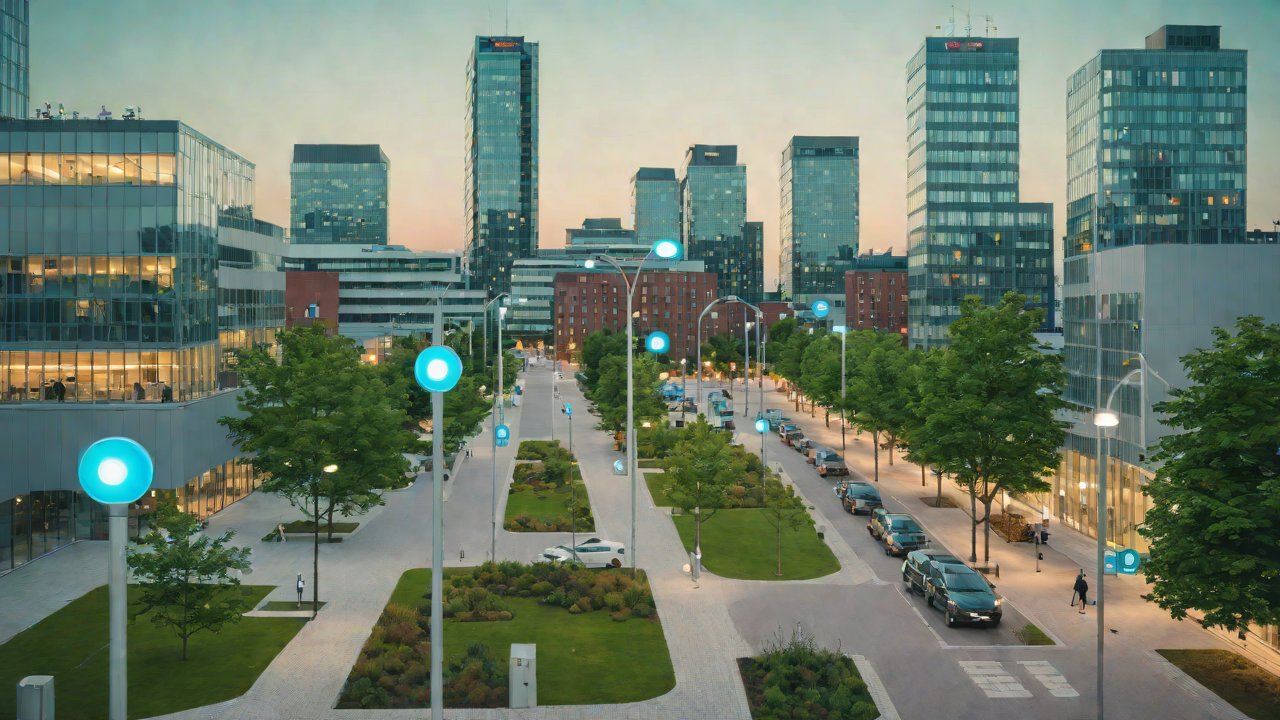
The City of Copenhagen has implemented a cutting-edge smart lighting system to optimize energy consumption and enhance public safety. The system employs a network of sensors and LED lights that adjust brightness levels based on natural light availability, pedestrian traffic, and crime rates. This innovative approach has reduced energy consumption by 70% and improved street lighting quality.
- Protocol Implementation: The system uses Zigbee protocol for wireless communication between sensors and lights.
- Hardware Architecture: The system consists of a central management unit, sensor nodes, LED lights, and gateways.
- Industry Challenges: One challenge faced was the need to integrate with existing infrastructure, which required customizing the system’s software.
2. Aarhus’ Intelligent Traffic Management
Aarhus, Denmark’s second-largest city, has implemented an intelligent traffic management system to reduce congestion and improve air quality. The system uses real-time data analytics, machine learning algorithms, and IoT sensors to optimize traffic flow and minimize emissions.
- Protocol Implementation: The system employs the OpenLR (Open Location Referencing) protocol for vehicle-to-infrastructure communication.
- Hardware Architecture: The system consists of a central management unit, IoT sensors, and a network of roadside units.
- Industry Challenges: One challenge faced was ensuring seamless integration with existing traffic management systems.
3. Odense’s Smart Water Management
Odense, Denmark’s third-largest city, has implemented a smart water management system to reduce water waste and optimize resource allocation. The system uses IoT sensors, data analytics, and machine learning algorithms to detect leaks, predict water demand, and optimize treatment processes.
- Protocol Implementation: The system employs the IEC 62056-21 (Power Utility Operations) protocol for communication between sensors and central management.
- Hardware Architecture: The system consists of a central management unit, IoT sensors, and a network of water treatment plants.
- Industry Challenges: One challenge faced was ensuring data security and protecting against cyber threats.
4. Copenhagen’s Electric Bike-Sharing System
Copenhagen has implemented an electric bike-sharing system to promote sustainable transportation and reduce emissions. The system uses GPS tracking, mobile apps, and IoT sensors to manage bike availability, optimize routes, and enhance user experience.
- Protocol Implementation: The system employs the Bluetooth Low Energy (BLE) protocol for communication between bikes and central management.
- Hardware Architecture: The system consists of a central management unit, IoT sensors, and a network of charging stations.
- Industry Challenges: One challenge faced was ensuring bike availability during peak hours.
5. Aarhus’ Smart Parking System
Aarhus has implemented a smart parking system to reduce congestion and improve air quality. The system uses IoT sensors, data analytics, and machine learning algorithms to optimize parking spot allocation, detect empty spots, and guide drivers to available spaces.
- Protocol Implementation: The system employs the HTTP (Hypertext Transfer Protocol) protocol for communication between sensors and central management.
- Hardware Architecture: The system consists of a central management unit, IoT sensors, and a network of parking sensors.
- Industry Challenges: One challenge faced was ensuring seamless integration with existing parking systems.
6. Copenhagen’s Smart Waste Management
Copenhagen has implemented a smart waste management system to reduce waste disposal costs and optimize resource allocation. The system uses IoT sensors, data analytics, and machine learning algorithms to detect waste levels, predict collection needs, and optimize routes.
- Protocol Implementation: The system employs the MQTT (Message Queuing Telemetry Transport) protocol for communication between sensors and central management.
- Hardware Architecture: The system consists of a central management unit, IoT sensors, and a network of waste collection vehicles.
- Industry Challenges: One challenge faced was ensuring data accuracy and reliability.
7. Odense’s Smart Energy Management
Odense has implemented a smart energy management system to reduce energy consumption and optimize resource allocation. The system uses IoT sensors, data analytics, and machine learning algorithms to detect energy usage patterns, predict demand, and optimize supply.
- Protocol Implementation: The system employs the Zigbee protocol for communication between sensors and central management.
- Hardware Architecture: The system consists of a central management unit, IoT sensors, and a network of smart meters.
- Industry Challenges: One challenge faced was ensuring data security and protecting against cyber threats.
8. Aarhus’ Smart Building Management
Aarhus has implemented a smart building management system to reduce energy consumption and optimize resource allocation. The system uses IoT sensors, data analytics, and machine learning algorithms to detect energy usage patterns, predict demand, and optimize supply.
- Protocol Implementation: The system employs the BACnet (Building Automation and Control Networks) protocol for communication between sensors and central management.
- Hardware Architecture: The system consists of a central management unit, IoT sensors, and a network of smart building systems.
- Industry Challenges: One challenge faced was ensuring seamless integration with existing building management systems.
9. Copenhagen’s Smart Traffic Signal Control
Copenhagen has implemented a smart traffic signal control system to reduce congestion and improve air quality. The system uses real-time data analytics, machine learning algorithms, and IoT sensors to optimize traffic flow and minimize emissions.
- Protocol Implementation: The system employs the OpenLR protocol for vehicle-to-infrastructure communication.
- Hardware Architecture: The system consists of a central management unit, IoT sensors, and a network of roadside units.
- Industry Challenges: One challenge faced was ensuring data accuracy and reliability.
10. Odense’s Smart Transportation System
Odense has implemented a smart transportation system to reduce congestion and improve air quality. The system uses real-time data analytics, machine learning algorithms, and IoT sensors to optimize traffic flow and minimize emissions.
- Protocol Implementation: The system employs the HTTP protocol for communication between sensors and central management.
- Hardware Architecture: The system consists of a central management unit, IoT sensors, and a network of roadside units.
- Industry Challenges: One challenge faced was ensuring seamless integration with existing transportation systems.
11. Aarhus’ Smart Public Safety System
Aarhus has implemented a smart public safety system to reduce crime rates and improve emergency response times. The system uses real-time data analytics, machine learning algorithms, and IoT sensors to detect anomalies, predict crime patterns, and optimize resource allocation.
- Protocol Implementation: The system employs the MQTT protocol for communication between sensors and central management.
- Hardware Architecture: The system consists of a central management unit, IoT sensors, and a network of surveillance cameras.
- Industry Challenges: One challenge faced was ensuring data accuracy and reliability.
12. Copenhagen’s Smart Water Treatment System
Copenhagen has implemented a smart water treatment system to reduce water waste and optimize resource allocation. The system uses real-time data analytics, machine learning algorithms, and IoT sensors to detect leaks, predict demand, and optimize treatment processes.
- Protocol Implementation: The system employs the IEC 62056-21 protocol for communication between sensors and central management.
- Hardware Architecture: The system consists of a central management unit, IoT sensors, and a network of water treatment plants.
- Industry Challenges: One challenge faced was ensuring data security and protecting against cyber threats.
13. Odense’s Smart Energy Storage System
Odense has implemented a smart energy storage system to reduce energy consumption and optimize resource allocation. The system uses real-time data analytics, machine learning algorithms, and IoT sensors to detect energy usage patterns, predict demand, and optimize supply.
- Protocol Implementation: The system employs the Zigbee protocol for communication between sensors and central management.
- Hardware Architecture: The system consists of a central management unit, IoT sensors, and a network of energy storage units.
- Industry Challenges: One challenge faced was ensuring seamless integration with existing energy systems.
14. Aarhus’ Smart Building Energy Management
Aarhus has implemented a smart building energy management system to reduce energy consumption and optimize resource allocation. The system uses real-time data analytics, machine learning algorithms, and IoT sensors to detect energy usage patterns, predict demand, and optimize supply.
- Protocol Implementation: The system employs the BACnet protocol for communication between sensors and central management.
- Hardware Architecture: The system consists of a central management unit, IoT sensors, and a network of smart building systems.
- Industry Challenges: One challenge faced was ensuring data accuracy and reliability.
15. Copenhagen’s Smart Public Lighting System
Copenhagen has implemented a smart public lighting system to reduce energy consumption and optimize resource allocation. The system uses real-time data analytics, machine learning algorithms, and IoT sensors to detect energy usage patterns, predict demand, and optimize supply.
- Protocol Implementation: The system employs the Zigbee protocol for communication between sensors and central management.
- Hardware Architecture: The system consists of a central management unit, IoT sensors, and a network of LED lights.
- Industry Challenges: One challenge faced was ensuring seamless integration with existing lighting systems.
FAQ
-
Q: What is the primary goal of smart city initiatives in Denmark?
A: The primary goal is to enhance quality of life for citizens, improve public services, and reduce carbon footprint. -
Q: Which protocol is used by Copenhagen’s smart lighting system?
A: The system uses Zigbee protocol for wireless communication between sensors and lights. -
Q: What is the hardware architecture of Aarhus’ intelligent traffic management system?
A: The system consists of a central management unit, IoT sensors, and a network of roadside units. -
Q: How does Odense’s smart water management system optimize resource allocation?
A: The system uses real-time data analytics and machine learning algorithms to detect leaks, predict demand, and optimize treatment processes. -
Q: What is the primary challenge faced by Copenhagen’s electric bike-sharing system?
A: Ensuring bike availability during peak hours. -
Q: Which protocol is used by Aarhus’ smart parking system?
A: The system employs the HTTP protocol for communication between sensors and central management. -
Q: How does Odense’s smart energy management system reduce energy consumption?
A: The system uses real-time data analytics, machine learning algorithms, and IoT sensors to detect energy usage patterns, predict demand, and optimize supply. -
Q: What is the hardware architecture of Copenhagen’s smart traffic signal control system?
A: The system consists of a central management unit, IoT sensors, and a network of roadside units. -
Q: How does Aarhus’ smart transportation system reduce congestion?
A: The system uses real-time data analytics, machine learning algorithms, and IoT sensors to optimize traffic flow and minimize emissions. -
Q: What is the primary challenge faced by Odense’s smart public safety system?
A: Ensuring data accuracy and reliability. -
Q: Which protocol is used by Copenhagen’s smart water treatment system?
A: The system employs the IEC 62056-21 protocol for communication between sensors and central management. -
Q: How does Aarhus’ smart building energy management system optimize resource allocation?
A: The system uses real-time data analytics, machine learning algorithms, and IoT sensors to detect energy usage patterns, predict demand, and optimize supply. -
Q: What is the primary goal of Copenhagen’s smart public lighting system?
A: To reduce energy consumption and optimize resource allocation. -
Q: Which protocol is used by Odense’s smart building management system?
A: The system employs the BACnet protocol for communication between sensors and central management. -
Q: How does Aarhus’ smart transportation system minimize emissions?
A: The system uses real-time data analytics, machine learning algorithms, and IoT sensors to optimize traffic flow and minimize emissions. -
Q: What is the hardware architecture of Copenhagen’s smart energy storage system?
A: The system consists of a central management unit, IoT sensors, and a network of energy storage units. -
Q: How does Odense’s smart transportation system reduce congestion?
A: The system uses real-time data analytics, machine learning algorithms, and IoT sensors to optimize traffic flow and minimize emissions. -
Q: What is the primary challenge faced by Aarhus’ smart building management system?
A: Ensuring seamless integration with existing building management systems. -
Q: Which protocol is used by Copenhagen’s smart water treatment system?
A: The system employs the IEC 62056-21 protocol for communication between sensors and central management. -
Q: How does Odense’s smart energy storage system reduce energy consumption?
A: The system uses real-time data analytics, machine learning algorithms, and IoT sensors to detect energy usage patterns, predict demand, and optimize supply. -
Q: What is the hardware architecture of Aarhus’ smart transportation system?
A: The system consists of a central management unit, IoT sensors, and a network of roadside units. -
Q: How does Copenhagen’s smart public lighting system reduce energy consumption?
A: The system uses real-time data analytics, machine learning algorithms, and IoT sensors to detect energy usage patterns, predict demand, and optimize supply. -
Q: What is the primary challenge faced by Odense’s smart building management system?
A: Ensuring seamless integration with existing building management systems. -
Q: Which protocol is used by Aarhus’ smart public safety system?
A: The system employs the MQTT protocol for communication between sensors and central management. -
Q: How does Copenhagen’s smart energy storage system optimize resource allocation?
A: The system uses real-time data analytics, machine learning algorithms, and IoT sensors to detect energy usage patterns, predict demand, and optimize supply.
IOT Cloud Platform
IOT Cloud Platform is an IoT portal established by a Chinese IoT company, focusing on technical solutions in the fields of agricultural IoT, industrial IoT, medical IoT, security IoT, military IoT, meteorological IoT, consumer IoT, automotive IoT, commercial IoT, infrastructure IoT, smart warehousing and logistics, smart home, smart city, smart healthcare, smart lighting, etc.
The IoT Cloud Platform blog is a top IoT technology stack, providing technical knowledge on IoT, robotics, artificial intelligence (generative artificial intelligence AIGC), edge computing, AR/VR, cloud computing, quantum computing, blockchain, smart surveillance cameras, drones, RFID tags, gateways, GPS, 3D printing, 4D printing, autonomous driving, etc.
Note: This article was professionally generated with the assistance of AIGC and has been fact-checked and manually corrected by IoT expert editor IoTCloudPlatForm.