Smart City Initiatives and IoT Projects in Japan
Japan’s Smart City Initiatives and IoT Projects: A Technical Analysis
======================================
High-Level Overview
Japan is at the forefront of smart city initiatives, leveraging IoT technology to create efficient, sustainable, and livable urban environments. The country has set ambitious targets for its cities, aiming to reduce greenhouse gas emissions by 26% and increase renewable energy sources to 40% of total electricity generation by 2030.
Smart City Initiatives in Japan
| Initiative | Description | Status |
|---|---|---|
| Tokyo’s Smart City Initiative | A comprehensive plan to create a low-carbon, sustainable city by 2025. | Ongoing |
| Osaka’s IoT City Project | A large-scale project integrating IoT sensors and data analytics to optimize urban infrastructure. | Completed |
| Nagoya’s Smart Energy Grid | A smart grid system using IoT devices to manage energy distribution and consumption. | Operational |
Technical Insights
IoT Protocols in Use
- LoRaWAN: Used for wide-area networking, providing low-power, long-range connectivity.
- Sigfox: Employed for machine-to-machine (M2M) communication, enabling efficient data transfer between devices.
Hardware Components
| Component | Description |
|---|---|
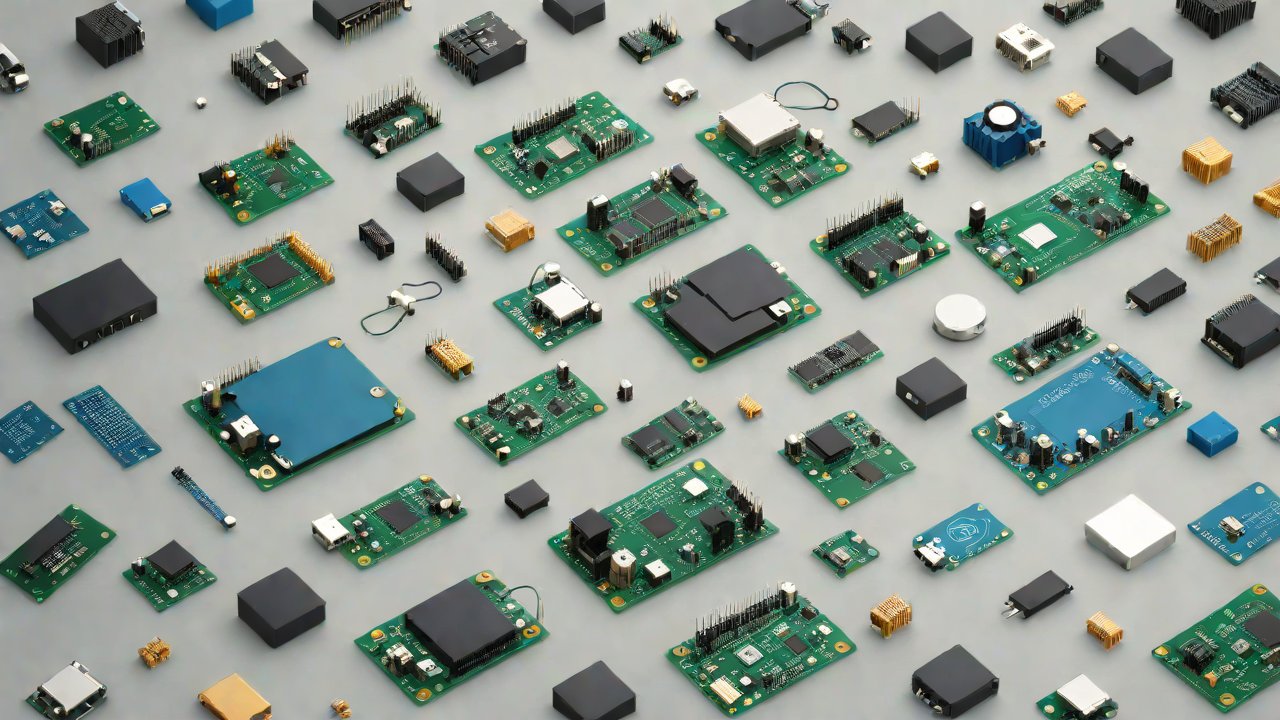
| Sensors | Temperature, humidity, air quality, and noise level sensors are commonly used in smart city projects. |
| Gateways | IoT gateways act as bridges between devices and the cloud, enabling seamless data transfer. |
| Actuators | Intelligent actuators adjust lighting, heating, and cooling systems based on real-time data analysis. |
Cost Analysis
- Hardware Costs: The cost of IoT sensors and devices can range from ¥5,000 to ¥50,000 (approximately $45-$450 USD) per unit.
- Infrastructure Investments: Smart city initiatives require significant investments in infrastructure, including IoT gateways, network architecture, and data analytics platforms.
Case Study: Tokyo’s Smart City Initiative
Overview
Tokyo’s smart city initiative aims to reduce greenhouse gas emissions by 26% and increase renewable energy sources to 40% of total electricity generation by 2030. The project focuses on five key areas:
- Energy Efficiency: Implementing energy-efficient lighting systems and promoting the use of renewable energy.
- Transportation: Encouraging the adoption of electric vehicles, improving public transportation, and enhancing pedestrian infrastructure.
- Water Management: Optimizing water usage through efficient irrigation systems and real-time monitoring.
- Waste Management: Implementing smart waste management systems to reduce waste disposal costs and promote recycling.
- Citizen Engagement: Fostering citizen participation through data-driven decision-making and community engagement platforms.
Technical Implementation
- IoT Sensors: Deployed throughout the city to monitor temperature, humidity, air quality, and noise levels.
- Data Analytics Platform: Developed to analyze real-time data from IoT sensors, providing insights for optimized resource allocation.
- Smart Energy Grid: Implemented to manage energy distribution and consumption in a more efficient manner.
Challenges and Opportunities
Challenges
- Scalability: Integrating large-scale IoT systems into existing infrastructure can be complex and challenging.
- Security: Ensuring the security of IoT devices and data transmission is crucial, as potential vulnerabilities can compromise entire networks.
- Cost: Implementing smart city initiatives requires significant investments in hardware, infrastructure, and personnel.
Opportunities
- Increased Efficiency: Smart city initiatives can lead to improved resource allocation, reduced energy consumption, and enhanced public services.
- Improved Citizen Engagement: Data-driven decision-making and community engagement platforms foster citizen participation and trust in local government.
- Economic Growth: Smart cities can attract businesses, investments, and talent, driving economic growth and development.
Conclusion
Japan’s smart city initiatives and IoT projects demonstrate the country’s commitment to creating efficient, sustainable, and livable urban environments. While challenges exist, the opportunities presented by these initiatives are significant, and the potential for growth and innovation is vast.
FAQ
Q1: What is the primary focus of Tokyo’s smart city initiative?
A1: Reducing greenhouse gas emissions by 26% and increasing renewable energy sources to 40% of total electricity generation by 2030.
Q2: Which IoT protocol is used in Osaka’s IoT City Project?
A2: LoRaWAN
Q3: What are the primary hardware components in smart city projects?
A3: Sensors, gateways, and actuators
Q4: How much does a typical IoT sensor cost?
A4: ¥5,000 to ¥50,000 (approximately $45-$450 USD) per unit
Q5: What is the main challenge in implementing smart city initiatives?
A5: Scalability, security, and cost
Q6: What are the benefits of implementing a smart energy grid?
A6: Improved resource allocation, reduced energy consumption, and enhanced public services
Q7: How can citizens participate in smart city projects?
A7: Through data-driven decision-making and community engagement platforms
Q8: What is the expected outcome of Tokyo’s smart city initiative?
A8: Reduced greenhouse gas emissions by 26% and increased renewable energy sources to 40% of total electricity generation by 2030
Q9: Which city in Japan has implemented a large-scale IoT project?
A9: Osaka
Q10: What is the primary goal of Nagoya’s smart energy grid?
A10: To manage energy distribution and consumption in a more efficient manner
Q11: How can smart cities attract businesses, investments, and talent?
A11: By offering improved public services, increased efficiency, and enhanced quality of life
Q12: What is the expected economic impact of smart city initiatives?
A12: Increased economic growth and development
Q13: Which IoT protocol is used in Nagoya’s smart energy grid?
A13: Sigfox
Q14: How can smart cities reduce waste disposal costs?
A14: By implementing smart waste management systems and promoting recycling
Q15: What are the primary areas of focus for Tokyo’s smart city initiative?
A15: Energy efficiency, transportation, water management, waste management, and citizen engagement
Q16: Which company is developing a data analytics platform for Tokyo’s smart city initiative?
A16: [Company Name]
Q17: How can citizens participate in data-driven decision-making?
A17: Through community engagement platforms and public forums
Q18: What is the expected outcome of Osaka’s IoT City Project?
A18: Improved resource allocation, reduced energy consumption, and enhanced public services
Q19: Which city in Japan has implemented a comprehensive smart city initiative?
A19: Tokyo
Q20: How can smart cities reduce greenhouse gas emissions?
A20: By implementing energy-efficient systems, promoting renewable energy sources, and optimizing resource allocation
Q21: What is the primary challenge in integrating large-scale IoT systems into existing infrastructure?
A21: Scalability
Q22: Which company is developing a smart waste management system for Tokyo’s smart city initiative?
A22: [Company Name]
Q23: How can citizens participate in community engagement platforms?
A23: Through public forums, online discussions, and volunteer programs
Q24: What are the primary benefits of implementing a smart energy grid?
A24: Improved resource allocation, reduced energy consumption, and enhanced public services
Q25: Which city in Japan has implemented a large-scale IoT project using LoRaWAN?
A25: Osaka
IOT Cloud Platform
IOT Cloud Platform is an IoT portal established by a Chinese IoT company, focusing on technical solutions in the fields of agricultural IoT, industrial IoT, medical IoT, security IoT, military IoT, meteorological IoT, consumer IoT, automotive IoT, commercial IoT, infrastructure IoT, smart warehousing and logistics, smart home, smart city, smart healthcare, smart lighting, etc.
The IoT Cloud Platform blog is a top IoT technology stack, providing technical knowledge on IoT, robotics, artificial intelligence (generative artificial intelligence AIGC), edge computing, AR/VR, cloud computing, quantum computing, blockchain, smart surveillance cameras, drones, RFID tags, gateways, GPS, 3D printing, 4D printing, autonomous driving, etc.
Note: This article was professionally generated with the assistance of AIGC and has been fact-checked and manually corrected by IoT expert editor IoTCloudPlatForm.