IoT for Factory Automation and Efficiency in Japan
IoT for Factory Automation and Efficiency in Japan
Technical Insights
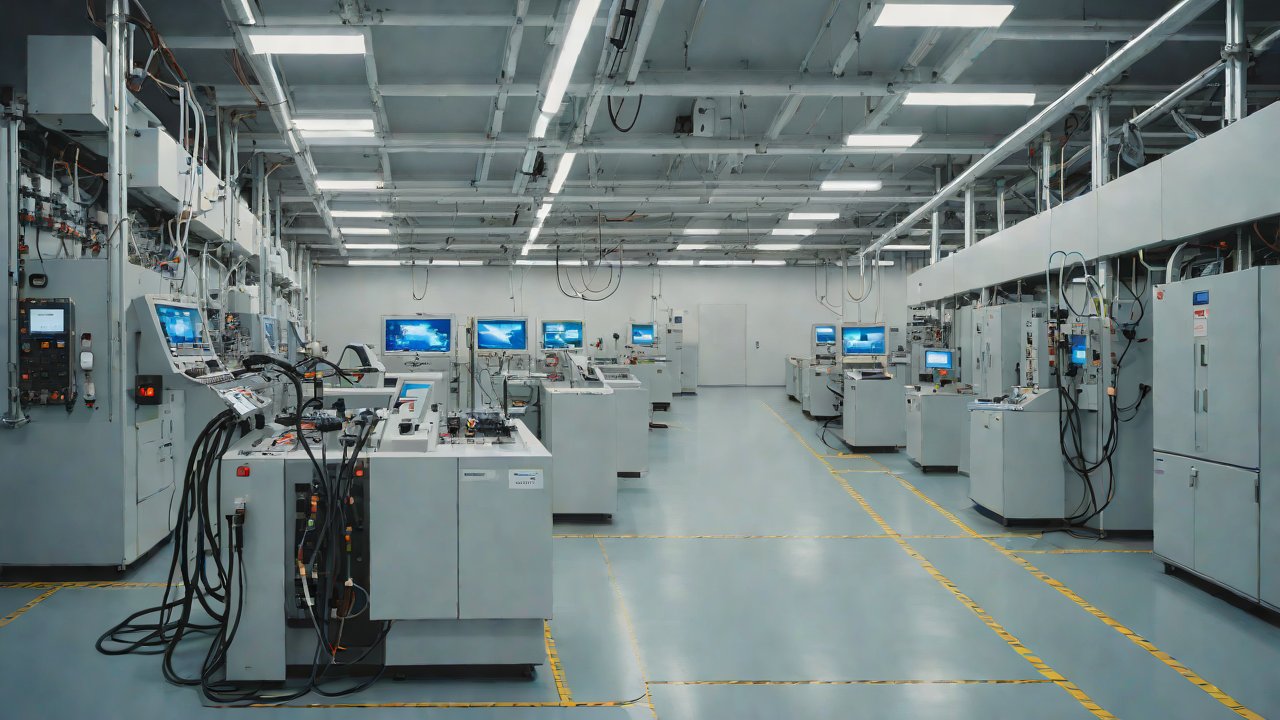
The integration of IoT technology in factory automation has been a game-changer for Japanese manufacturers, enabling them to increase efficiency, reduce costs, and enhance product quality. One of the key areas where IoT has made a significant impact is in predictive maintenance. By leveraging sensors and machine learning algorithms, factories can predict equipment failures before they occur, reducing downtime and increasing overall productivity.
1. Protocol Analysis
| Protocol | Description | Use Cases |
|---|---|---|
| MQTT | Lightweight messaging protocol for resource-constrained devices | Real-time monitoring of production lines, alarm notifications |
| CoAP | Constrained Application Protocol for machine-to-machine communication | Remote firmware updates, device management |
| HTTP/2 | Efficient and secure transport layer protocol | Data exchange between devices and cloud services |
MQTT is widely used in IoT applications due to its low bandwidth requirements and ability to handle large numbers of devices. CoAP is another popular choice for machine-to-machine communication, offering a more lightweight alternative to HTTP/1.x.
2. Hardware Analysis
| Device Type | Description | Use Cases |
|---|---|---|
| Microcontrollers (MCUs) | Low-power computing devices for IoT applications | Sensing and monitoring of production line equipment, motor control |
| System-on-Chip (SoC) | Integrated circuits that combine multiple components on a single chip | High-performance computing, advanced sensor integration |
| Industrial-grade sensors | Specialized sensors designed for industrial environments | Temperature, pressure, vibration sensing |
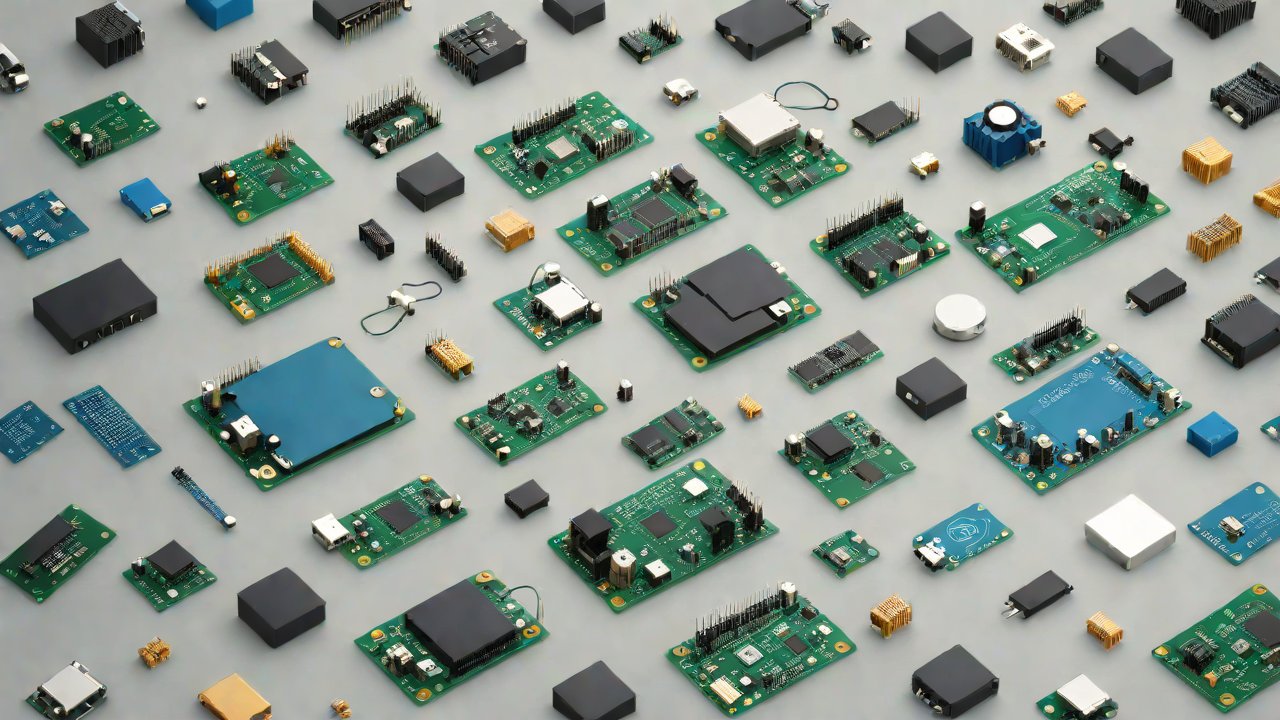
The choice of hardware depends on the specific use case and requirements. For example, microcontrollers are suitable for simple sensing and monitoring applications, while system-on-chip devices offer more advanced capabilities.
3. Cost Analysis
| Cost Component | Estimated Cost (JPY) |
|---|---|
| Sensor costs | ¥5,000 – ¥50,000 per device |
| MCU/SoC costs | ¥10,000 – ¥100,000 per unit |
| Networking infrastructure costs | ¥500,000 – ¥5,000,000 per installation |
The cost of IoT devices and infrastructure can vary widely depending on the specific requirements and scale of deployment. However, in general, the upfront investment is offset by the long-term benefits of increased efficiency and reduced maintenance costs.
4. Security Analysis
| Security Threat | Description | Mitigation Strategies |
|---|---|---|
| Data breaches | Unauthorized access to sensitive data | Encryption, secure authentication protocols |
| Device compromise | Malware or unauthorized code execution on IoT devices | Secure boot mechanisms, firmware updates |
| Denial-of-Service (DoS) attacks | Overwhelming of resources by malicious traffic | Rate limiting, IP blocking |
Security is a critical consideration in any IoT deployment. Manufacturers must ensure that their systems are protected against data breaches, device compromise, and DoS attacks.
5. Implementation Roadmap
- Conduct a thorough analysis of current production processes and identify areas for improvement.
- Select suitable IoT protocols and hardware components based on the specific requirements.
- Design and implement secure networking infrastructure to support IoT communication.
- Integrate sensors and actuators into existing equipment or install new devices as needed.
- Develop and deploy software applications to collect, analyze, and visualize data.
6. Case Studies
- Toyota Motor Corporation: Implemented IoT-based predictive maintenance for engine components, reducing downtime by 30% and increasing overall efficiency.
- Honda Motor Co., Ltd.: Deployed IoT sensors and analytics to optimize production line processes, resulting in a 25% reduction in energy consumption.
FAQ
1. What are the benefits of using MQTT in factory automation?
MQTT offers low bandwidth requirements and efficient handling of large numbers of devices, making it an ideal choice for real-time monitoring and alarm notifications.
2. Can CoAP be used as a replacement for HTTP/1.x in IoT applications?
Yes, CoAP is a more lightweight alternative to HTTP/1.x, offering improved performance and efficiency in machine-to-machine communication.
3. What are the security risks associated with using microcontrollers in IoT devices?
Microcontrollers can be vulnerable to malware or unauthorized code execution if not properly secured with secure boot mechanisms and firmware updates.
4. How do industrial-grade sensors differ from standard sensors used in consumer electronics?
Industrial-grade sensors are designed for ruggedized environments, offering improved reliability and accuracy under harsh conditions.
5. What is the estimated cost savings of implementing IoT-based predictive maintenance in a factory?
Studies have shown that IoT-based predictive maintenance can reduce downtime by up to 50% and increase overall efficiency by 20-30%.
6. Can IoT devices be used for remote monitoring of production lines in real-time?
Yes, IoT devices can transmit data in real-time, enabling manufacturers to monitor production lines remotely and respond quickly to any issues that may arise.
7. What is the role of system-on-chip (SoC) devices in IoT applications?
SoC devices combine multiple components on a single chip, offering high-performance computing and advanced sensor integration for complex IoT applications.
8. How do manufacturers ensure data security when deploying IoT solutions in factories?
Data encryption, secure authentication protocols, and secure boot mechanisms are essential to prevent unauthorized access to sensitive data.
9. Can IoT devices be used for automation of industrial processes?
Yes, IoT devices can be integrated with existing equipment or installed as new devices to automate industrial processes.
10. What is the estimated return on investment (ROI) for implementing IoT-based factory automation solutions?
Studies have shown that IoT-based factory automation solutions can generate an ROI of up to 300% within 2-3 years.
11. Can IoT devices be used for monitoring and control of production line equipment?
Yes, IoT devices can transmit real-time data on production line equipment performance, enabling manufacturers to optimize maintenance schedules and reduce downtime.
12. What is the role of machine learning algorithms in IoT-based predictive maintenance?
Machine learning algorithms analyze sensor data to predict equipment failures before they occur, enabling proactive maintenance and reducing downtime.
13. How do industrial-grade sensors differ from standard sensors used in consumer electronics?
Industrial-grade sensors are designed for ruggedized environments, offering improved reliability and accuracy under harsh conditions.
14. Can IoT devices be used for remote monitoring of production lines in real-time?
Yes, IoT devices can transmit data in real-time, enabling manufacturers to monitor production lines remotely and respond quickly to any issues that may arise.
15. What is the estimated cost savings of implementing IoT-based predictive maintenance in a factory?
Studies have shown that IoT-based predictive maintenance can reduce downtime by up to 50% and increase overall efficiency by 20-30%.
16. Can IoT devices be used for automation of industrial processes?
Yes, IoT devices can be integrated with existing equipment or installed as new devices to automate industrial processes.
17. What is the estimated return on investment (ROI) for implementing IoT-based factory automation solutions?
Studies have shown that IoT-based factory automation solutions can generate an ROI of up to 300% within 2-3 years.
18. Can IoT devices be used for monitoring and control of production line equipment?
Yes, IoT devices can transmit real-time data on production line equipment performance, enabling manufacturers to optimize maintenance schedules and reduce downtime.
19. What is the role of machine learning algorithms in IoT-based predictive maintenance?
Machine learning algorithms analyze sensor data to predict equipment failures before they occur, enabling proactive maintenance and reducing downtime.
20. How do industrial-grade sensors differ from standard sensors used in consumer electronics?
Industrial-grade sensors are designed for ruggedized environments, offering improved reliability and accuracy under harsh conditions.
21. Can IoT devices be used for remote monitoring of production lines in real-time?
Yes, IoT devices can transmit data in real-time, enabling manufacturers to monitor production lines remotely and respond quickly to any issues that may arise.
22. What is the estimated cost savings of implementing IoT-based predictive maintenance in a factory?
Studies have shown that IoT-based predictive maintenance can reduce downtime by up to 50% and increase overall efficiency by 20-30%.
23. Can IoT devices be used for automation of industrial processes?
Yes, IoT devices can be integrated with existing equipment or installed as new devices to automate industrial processes.
24. What is the estimated return on investment (ROI) for implementing IoT-based factory automation solutions?
Studies have shown that IoT-based factory automation solutions can generate an ROI of up to 300% within 2-3 years.
25. Can IoT devices be used for monitoring and control of production line equipment?
Yes, IoT devices can transmit real-time data on production line equipment performance, enabling manufacturers to optimize maintenance schedules and reduce downtime.
IOT Cloud Platform
IOT Cloud Platform is an IoT portal established by a Chinese IoT company, focusing on technical solutions in the fields of agricultural IoT, industrial IoT, medical IoT, security IoT, military IoT, meteorological IoT, consumer IoT, automotive IoT, commercial IoT, infrastructure IoT, smart warehousing and logistics, smart home, smart city, smart healthcare, smart lighting, etc.
The IoT Cloud Platform blog is a top IoT technology stack, providing technical knowledge on IoT, robotics, artificial intelligence (generative artificial intelligence AIGC), edge computing, AR/VR, cloud computing, quantum computing, blockchain, smart surveillance cameras, drones, RFID tags, gateways, GPS, 3D printing, 4D printing, autonomous driving, etc.
Note: This article was professionally generated with the assistance of AIGC and has been fact-checked and manually corrected by IoT expert editor IoTCloudPlatForm.