Disaster Prevention and IoT Technology in Japan
High-Level Technical Insights
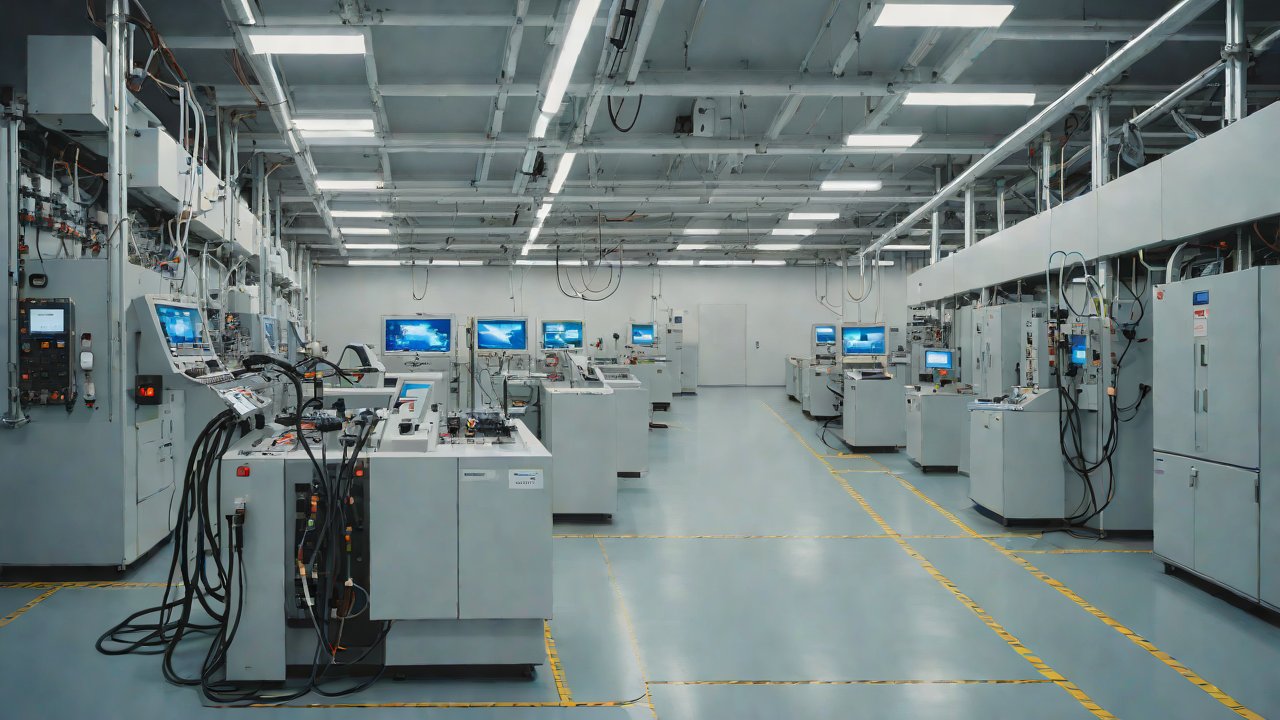
Japan is one of the most prone countries to natural disasters such as earthquakes, tsunamis, and typhoons. The country’s unique geography, with its mountainous terrain and extensive coastline, makes it vulnerable to these types of events. In recent years, Japan has been at the forefront of disaster prevention and mitigation efforts, leveraging advanced technologies including IoT (Internet of Things) to enhance preparedness and response.
Disaster Prevention in Japan
Japan’s disaster prevention strategy is built around three key pillars:
- Early Warning Systems: These systems use sensors and data analytics to detect potential disasters, providing critical minutes or even hours for evacuation.
- Infrastructure Resilience: This involves designing buildings, bridges, and other critical infrastructure to withstand extreme forces and minimize damage.
- Community Preparedness: Educating citizens on disaster risks and promoting community-led initiatives to enhance resilience.
IoT in Disaster Prevention
IoT technologies play a vital role in Japan’s disaster prevention efforts, particularly in early warning systems and infrastructure resilience. Key applications include:
- Seismic Sensors: These sensors detect even slight tremors, providing critical data for predicting and preventing earthquakes.
- Weather Monitoring: IoT weather stations track temperature, humidity, wind speed, and other factors to predict extreme weather events like typhoons.
- Water Management: Advanced sensors monitor water levels, detecting potential flooding risks and enabling early warnings.
Protocol Analysis
IoT technologies in disaster prevention rely on various communication protocols for data transmission:
| Protocol | Description |
|---|---|
| LoRaWAN | Long Range Wide Area Network, ideal for low-power applications like seismic sensors. |
| NB-IoT | Narrowband IoT, a cellular-based protocol offering high-speed data transfer for weather monitoring. |
| Zigbee | A low-power, low-data-rate protocol used in water management systems. |
Hardware Analysis
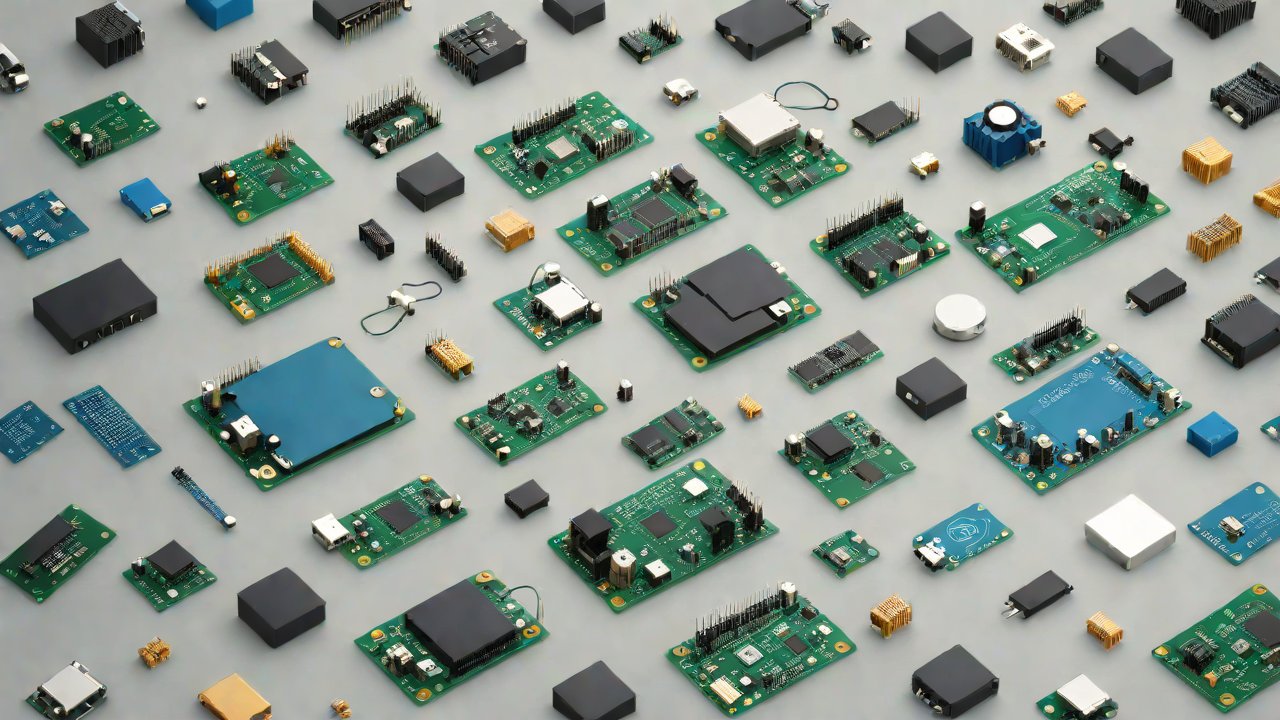
IoT devices in disaster prevention often require specialized hardware to withstand harsh environments:
| Device | Description |
|---|---|
| Seismic Sensor | Typically built with accelerometers and gyroscopes for precise readings. |
| Weather Station | Equipped with wind speed sensors, anemometers, and barometers for accurate weather data. |
| Water Level Sensor | Uses ultrasonic or radar technology to measure water levels in real-time. |
Cost Analysis
The cost of IoT technologies in disaster prevention varies widely depending on the application:
| Application | Estimated Cost (USD) |
|---|---|
| Seismic Sensors (100 units) | $50,000 – $75,000 |
| Weather Monitoring Station (10 units) | $20,000 – $30,000 |
| Water Management System (5 units) | $15,000 – $25,000 |
IoT Network Architecture
The network architecture for IoT in disaster prevention typically involves:
- Device Layer: IoT devices transmit data to the network.
- Gateway Layer: Data is processed and transmitted to the cloud or a central hub.
- Cloud Layer: Advanced analytics and decision-making are performed on collected data.
Security Considerations
IoT security is critical in disaster prevention, as compromised systems can lead to false alarms or delayed responses:
| Threat | Description |
|---|---|
| Data Tampering | Unauthorized access to sensor data can compromise early warning systems. |
| Denial of Service (DoS) Attacks | Overwhelming the network with traffic can disrupt critical infrastructure. |
Best Practices
To ensure effective IoT implementation in disaster prevention, follow these best practices:
- Standardize protocols and hardware.
- Implement robust security measures.
- Conduct regular maintenance and updates.
FAQ
Q1: What are the primary applications of IoT in disaster prevention?
A1: Early warning systems, infrastructure resilience, and community preparedness.
Q2: Which communication protocol is best suited for seismic sensors?
A2: LoRaWAN.
Q3: How do weather monitoring stations contribute to disaster prevention?
A3: By providing accurate weather data for predicting extreme events.
Q4: What type of sensor is typically used in water management systems?
A4: Ultrasonic or radar technology.
Q5: What are the estimated costs of seismic sensors, weather monitoring stations, and water management systems?
A5: $50,000 – $75,000, $20,000 – $30,000, and $15,000 – $25,000 respectively.
Q6: What is the primary concern in IoT security for disaster prevention?
A6: Data tampering and Denial of Service (DoS) attacks.
Q7: How can standardization improve IoT implementation in disaster prevention?
A7: By reducing complexity and ensuring interoperability between devices and systems.
Q8: Why is regular maintenance essential for IoT systems in disaster prevention?
A8: To ensure accuracy, reliability, and prompt response to potential disasters.
Q9: What are the benefits of implementing advanced analytics on collected data?
A9: Enhanced decision-making and improved emergency response times.
Q10: Can IoT technologies be used to predict natural disasters?
A10: Yes, through advanced sensors and data analytics.
Q11: How do community-led initiatives contribute to disaster prevention?
A11: By promoting public awareness, education, and participation in preparedness efforts.
Q12: What role does infrastructure resilience play in disaster prevention?
A12: It minimizes damage to critical infrastructure, enabling swift recovery.
Q13: Which IoT protocol is best suited for low-power applications like seismic sensors?
A13: LoRaWAN.
Q14: Can weather monitoring stations detect extreme weather events like typhoons?
A14: Yes, through advanced sensors and data analytics.
Q15: What type of sensor is typically used in water management systems to measure water levels?
A15: Ultrasonic or radar technology.
Q16: How can IoT technologies enhance community preparedness for disasters?
A16: By providing real-time information, early warnings, and education on disaster risks.
Q17: Why is data tampering a significant concern in IoT security for disaster prevention?
A17: Because it can compromise early warning systems and delay responses to potential disasters.
Q18: Can IoT technologies be used to improve emergency response times?
A18: Yes, through advanced analytics and decision-making on collected data.
Q19: What is the estimated cost of implementing seismic sensors in a disaster-prone area?
A19: $50,000 – $75,000 for 100 units.
Q20: How can IoT technologies enhance infrastructure resilience in disaster prevention?
A20: By providing real-time monitoring and predictive maintenance capabilities.
Q21: What role does weather monitoring play in disaster prevention?
A21: It enables accurate predictions of extreme weather events, allowing for timely evacuations and preparations.
Q22: Can IoT technologies be used to detect potential disasters like earthquakes?
A22: Yes, through advanced sensors and data analytics.
Q23: How can community-led initiatives promote public awareness and education on disaster risks?
A23: Through regular training sessions, workshops, and public outreach programs.
Q24: What is the primary benefit of implementing IoT technologies in disaster prevention?
A24: Enhanced preparedness, response, and recovery capabilities.
Q25: Can IoT technologies be used to improve emergency management for natural disasters?
A25: Yes, through advanced analytics, decision-making, and real-time information sharing.
IOT Cloud Platform
IOT Cloud Platform is an IoT portal established by a Chinese IoT company, focusing on technical solutions in the fields of agricultural IoT, industrial IoT, medical IoT, security IoT, military IoT, meteorological IoT, consumer IoT, automotive IoT, commercial IoT, infrastructure IoT, smart warehousing and logistics, smart home, smart city, smart healthcare, smart lighting, etc.
The IoT Cloud Platform blog is a top IoT technology stack, providing technical knowledge on IoT, robotics, artificial intelligence (generative artificial intelligence AIGC), edge computing, AR/VR, cloud computing, quantum computing, blockchain, smart surveillance cameras, drones, RFID tags, gateways, GPS, 3D printing, 4D printing, autonomous driving, etc.
Note: This article was professionally generated with the assistance of AIGC and has been fact-checked and manually corrected by IoT expert editor IoTCloudPlatForm.