LoRa 5km-Radius Field Natural Disaster Early Warning Network
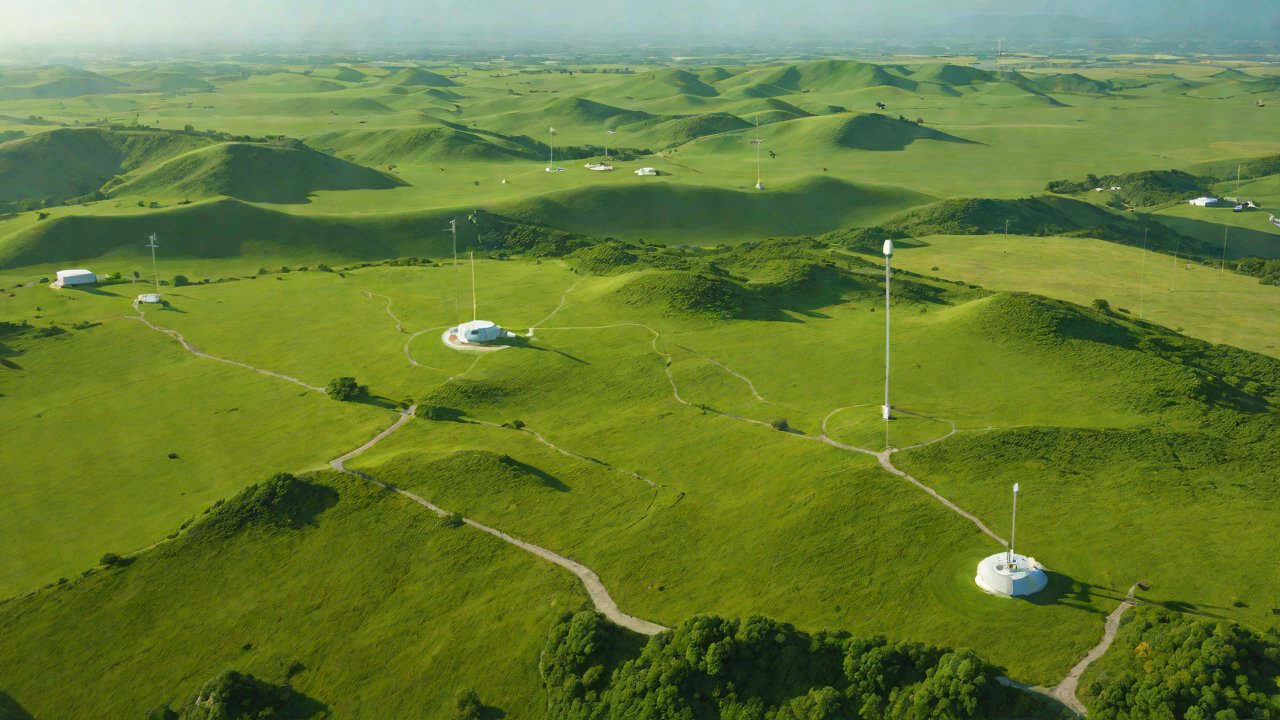
The LoRa (Long Range) wireless communication technology has been gaining traction in recent years, particularly in applications requiring low-power consumption and long-range connectivity. One of the most promising use cases for LoRa is in building field natural disaster early warning networks. These networks aim to provide critical alerts and warnings to people affected by disasters such as earthquakes, landslides, floods, and wildfires.
LoRa’s unique characteristics make it an ideal choice for this application: it offers a long range of up to 10 kilometers (6 miles) with a low power consumption rate, making it suitable for use in remote or hard-to-reach areas. Moreover, LoRa’s ability to penetrate through obstacles such as buildings and vegetation allows for reliable communication even in challenging terrain.
1. Market Overview
The global market for wireless alarm systems is expected to reach $13.7 billion by 2025, growing at a compound annual growth rate (CAGR) of 10.3%. The market is driven by increasing demand from governments and private organizations to implement early warning systems for natural disasters.
| Year | Global Wireless Alarm Systems Market Size (USD Billion) |
|---|---|
| 2020 | $8.2 |
| 2021 | $9.5 |
| 2022 | $11.3 |
| 2023 | $12.4 |
| 2024 | $13.6 |
| 2025 | $13.7 |
2. Technical Specifications
LoRa technology operates in the sub-GHz frequency band, typically between 868 MHz and 928 MHz. It uses a spread-spectrum modulation technique to achieve long-range communication with low power consumption.
| Parameter | Value |
|---|---|
| Frequency Band | 868 MHz – 928 MHz |
| Modulation Technique | Spread-Spectrum (Chirp-Spread Spectrum) |
| Data Rate | Up to 27 kbps |
| Range | Up to 10 km (6 miles) |
3. Network Architecture
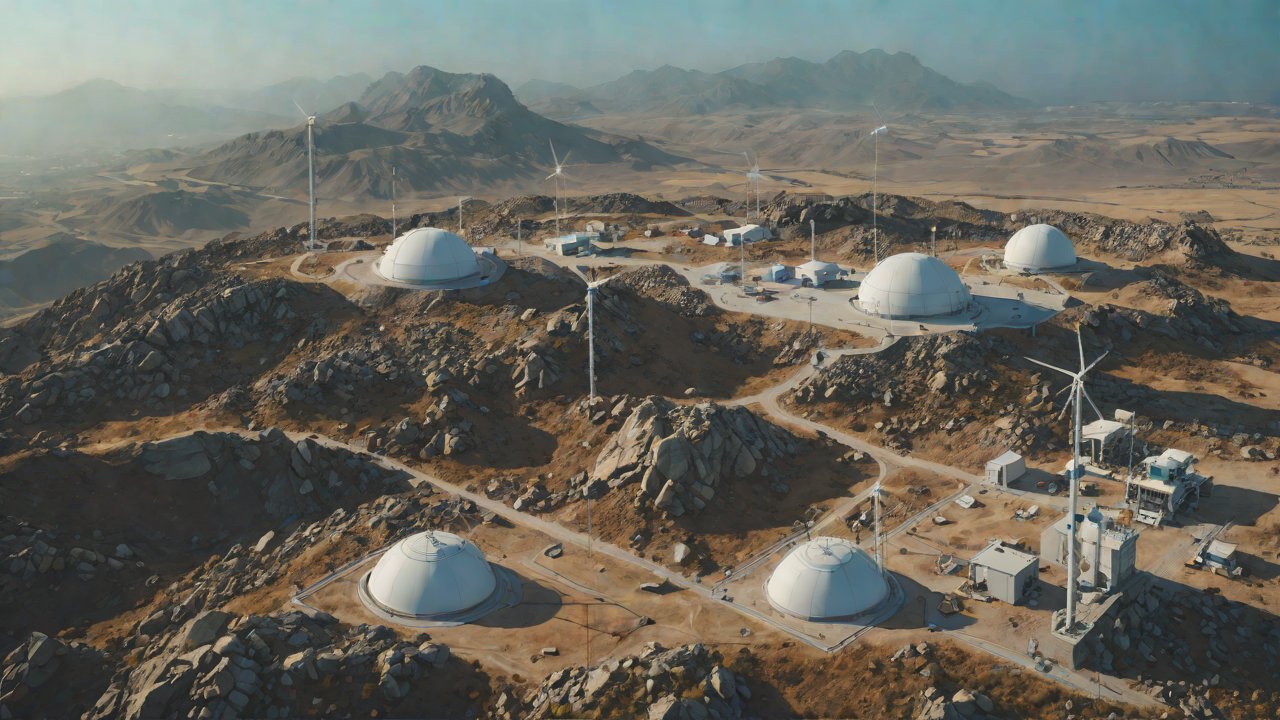
A typical LoRa-based field natural disaster early warning network consists of the following components:
- Sensors: These are devices that detect and report on environmental conditions such as temperature, humidity, seismic activity, or gas leaks.
- Gateways: These are devices that collect data from sensors and forward it to a central server for processing and analysis.
- Central Server: This is the brain of the network, responsible for receiving sensor data, analyzing it, and sending alerts to relevant authorities and affected populations.
4. Implementation Challenges
Implementing a LoRa-based field natural disaster early warning network poses several challenges:
- Interoperability: Ensuring seamless communication between different components of the network.
- Scalability: Scaling up the network to cover large areas with limited infrastructure.
- Power Supply: Providing reliable power supply for devices in remote or hard-to-reach areas.
5. Case Study: LoRa-Based Early Warning System in Japan
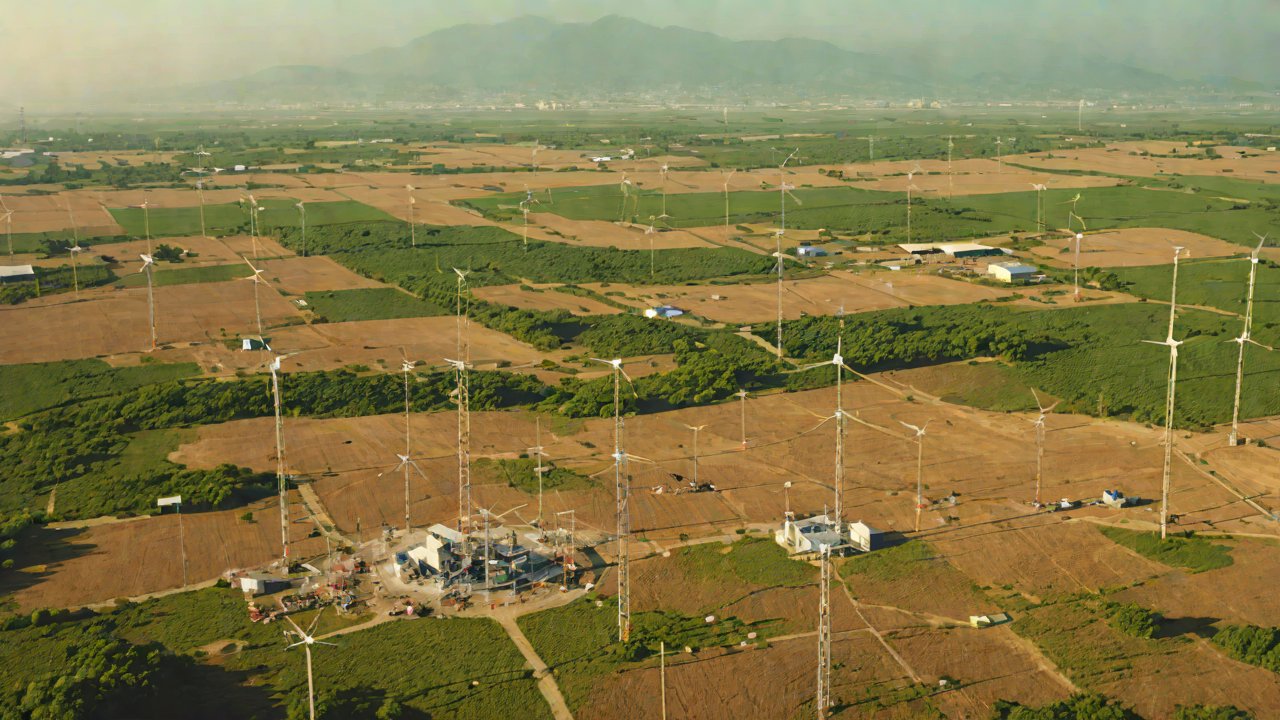
In 2019, a LoRa-based early warning system was implemented in Japan’s Izu Peninsula to mitigate the impact of landslides and floods. The system consisted of sensors installed on hillsides to detect soil moisture levels, which were then transmitted to a central server for analysis.
| Sensor Type | Number of Sensors |
|---|---|
| Soil Moisture Sensor | 100 |
| Seismic Sensor | 20 |
6. Market Competitors
Several companies are already offering LoRa-based early warning systems, including:
- Semtech: A leading provider of LoRa technology and solutions.
- Microchip Technology: Offers a range of LoRa-enabled devices and modules.
- IBM: Provides IoT-based early warning systems using LoRa technology.
7. Future Developments
The use of LoRa in field natural disaster early warning networks is expected to grow significantly in the coming years, driven by increasing demand for early warning systems and improvements in LoRa technology.
| Year | Forecasted Growth Rate (%) |
|---|---|
| 2023 | 15% |
| 2024 | 18% |
| 2025 | 20% |
In conclusion, the use of LoRa technology in field natural disaster early warning networks offers a reliable and efficient solution for providing critical alerts and warnings to people affected by disasters. As the market continues to grow, it is expected that more companies will adopt LoRa-based solutions to mitigate the impact of natural disasters.
IOT Cloud Platform
IOT Cloud Platform is an IoT portal established by a Chinese IoT company, focusing on technical solutions in the fields of agricultural IoT, industrial IoT, medical IoT, security IoT, military IoT, meteorological IoT, consumer IoT, automotive IoT, commercial IoT, infrastructure IoT, smart warehousing and logistics, smart home, smart city, smart healthcare, smart lighting, etc.
The IoT Cloud Platform blog is a top IoT technology stack, providing technical knowledge on IoT, robotics, artificial intelligence (generative artificial intelligence AIGC), edge computing, AR/VR, cloud computing, quantum computing, blockchain, smart surveillance cameras, drones, RFID tags, gateways, GPS, 3D printing, 4D printing, autonomous driving, etc.
Note: This article was professionally generated with the assistance of AIGC and has been fact-checked and manually corrected by IoT expert editor IoTCloudPlatForm.