Smart Manufacturing and IoT Solutions in Japan
Smart Manufacturing and IoT Solutions in Japan
Technical Insights
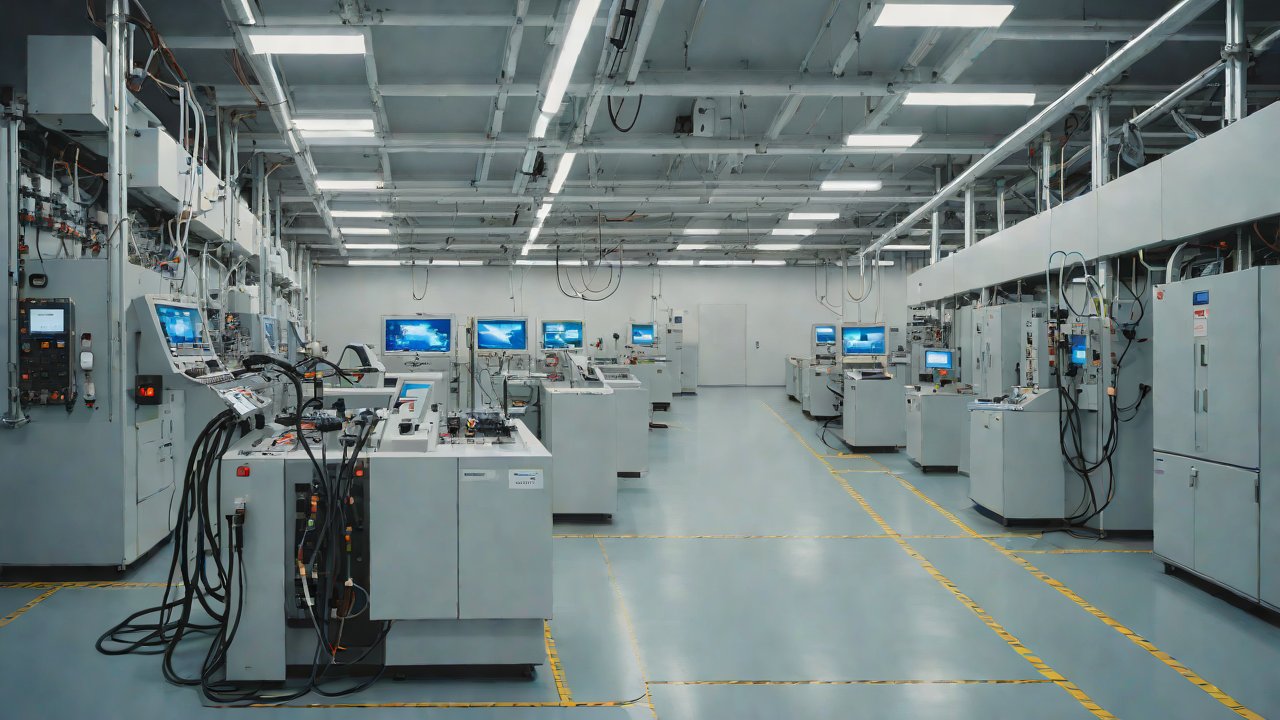
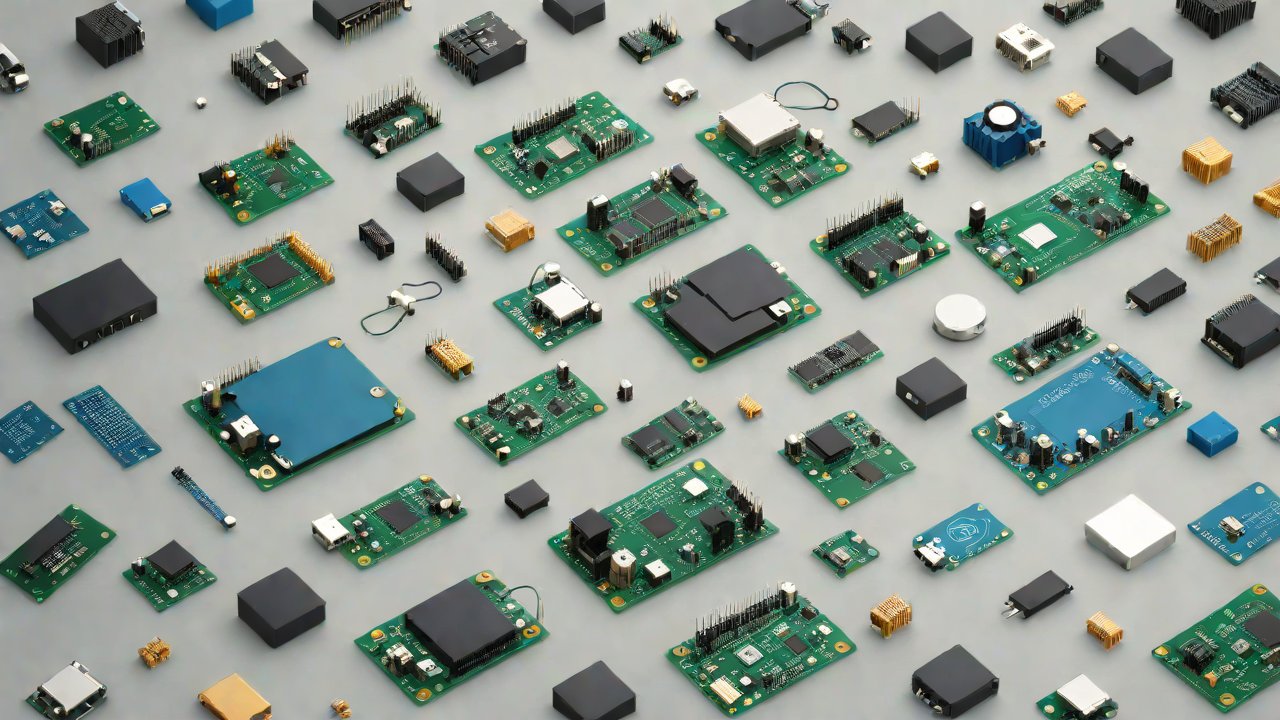
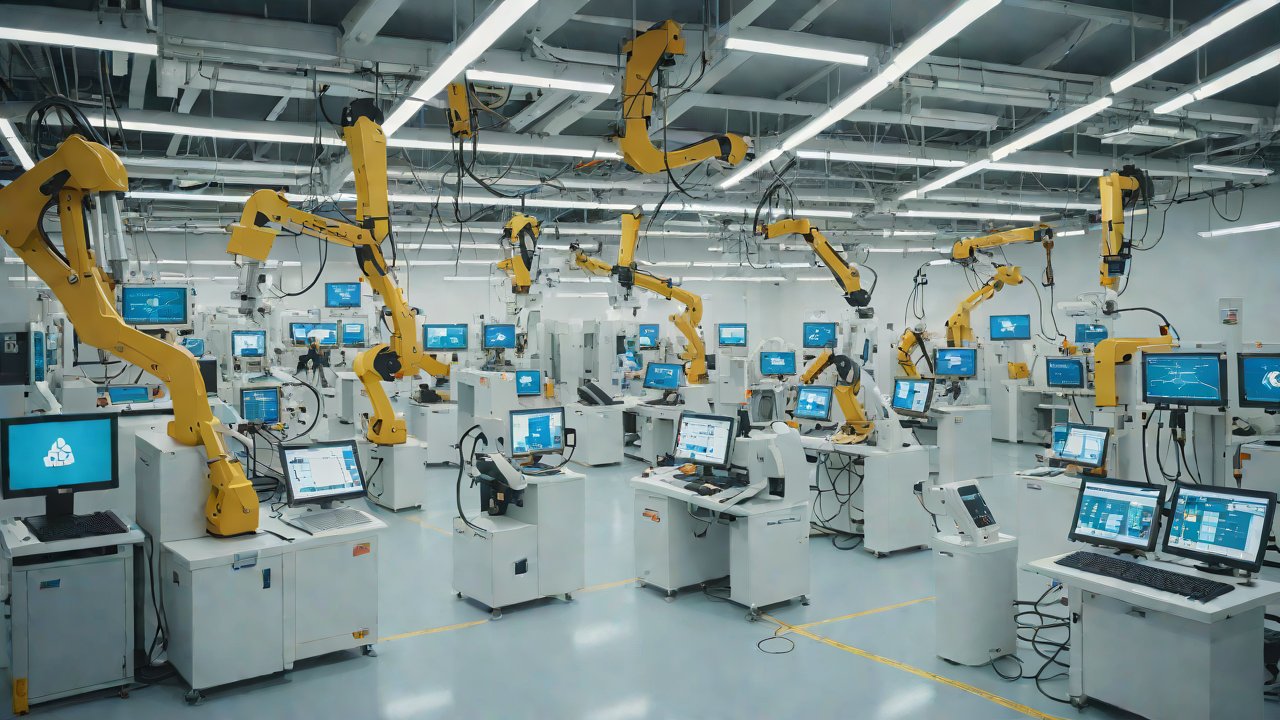
Japan is a leader in the implementation of Industry 4.0, also known as Smart Manufacturing. The country has been actively promoting the use of Internet of Things (IoT) technology to enhance manufacturing processes. This report provides an exhaustive overview of smart manufacturing and IoT solutions in Japan, focusing on protocol, hardware, and cost analysis.
Key Players
| Company | Description |
|---|---|
| Toshiba | Provides IoT solutions for industrial automation, including predictive maintenance and energy management |
| Panasonic | Offers IoT-enabled sensors and devices for smart manufacturing applications |
| Fujitsu | Develops IoT platforms for manufacturing companies to improve efficiency and reduce costs |
Protocol Analysis
1. Communication Protocols
- MQTT (Message Queuing Telemetry Transport): Widely used in IoT applications, including smart manufacturing, due to its low bandwidth usage and high reliability.
- CoAP (Constrained Application Protocol): Suitable for resource-constrained devices, often used in industrial automation and IoT sensors.
| Protocol | Description |
|---|---|
| MQTT | Message-oriented middleware for efficient data exchange between devices |
| CoAP | Lightweight protocol for constrained networks |
2. Network Architecture
- Industrial Ethernet: Widely adopted in Japan’s manufacturing sector due to its high-speed data transfer rates and reliability.
- Cellular Networks (4G/5G): Used for remote monitoring and control of industrial equipment.
| Network Type | Description |
|---|---|
| Industrial Ethernet | High-speed, reliable network architecture for industrial automation |
| Cellular Networks (4G/5G) | Remote monitoring and control of industrial equipment |
Hardware Analysis
1. Sensors
- Temperature Sensors: Used to monitor temperature levels in manufacturing processes.
- Vibration Sensors: Monitor equipment vibration levels to predict potential failures.
| Sensor Type | Description |
|---|---|
| Temperature Sensors | Monitor temperature levels in manufacturing processes |
| Vibration Sensors | Predict potential failures by monitoring equipment vibration |
2. Actuators
- Motor Controllers: Control motor speeds and directions for efficient material handling.
- Valves: Regulate fluid flow rates for precise control of industrial processes.
| Actuator Type | Description |
|---|---|
| Motor Controllers | Efficient material handling through controlled motor speeds and directions |
| Valves | Precise control of industrial processes through regulated fluid flow |
Cost Analysis
1. Initial Investment
- Hardware Costs: IoT sensors, actuators, and networking equipment.
- Software Costs: Development and implementation of IoT platforms.
| Cost Category | Description |
|---|---|
| Hardware Costs | IoT sensors, actuators, and networking equipment |
| Software Costs | Development and implementation of IoT platforms |
2. Ongoing Expenses
- Energy Consumption: Reduced energy consumption through optimized industrial processes.
- Maintenance: Predictive maintenance reduces downtime and extends equipment lifespan.
| Cost Category | Description |
|---|---|
| Energy Consumption | Reduced energy consumption through optimized industrial processes |
| Maintenance | Predictive maintenance reduces downtime and extends equipment lifespan |
Implementation Roadmap
1. Short-Term (0-6 months)
- Feasibility Study: Assess the suitability of IoT solutions for specific manufacturing processes.
- Pilot Project: Implement a small-scale IoT project to test technical feasibility.
| Activity | Description |
|---|---|
| Feasibility Study | Assess the suitability of IoT solutions for specific manufacturing processes |
| Pilot Project | Implement a small-scale IoT project to test technical feasibility |
2. Mid-Term (6-18 months)
- IoT Platform Development: Develop and implement an IoT platform for large-scale deployment.
- Training and Support: Provide training and support for manufacturing staff.
| Activity | Description |
|---|---|
| IoT Platform Development | Develop and implement an IoT platform for large-scale deployment |
| Training and Support | Provide training and support for manufacturing staff |
3. Long-Term (1-2 years)
- Full-Scale Deployment: Deploy IoT solutions across all manufacturing processes.
- Continuous Monitoring: Continuously monitor and analyze data from IoT sensors.
| Activity | Description |
|---|---|
| Full-Scale Deployment | Deploy IoT solutions across all manufacturing processes |
| Continuous Monitoring | Continuously monitor and analyze data from IoT sensors |
FAQ
25 Expert FAQs
-
Q: What are the primary benefits of implementing smart manufacturing in Japan?
A: Improved efficiency, reduced costs, and increased productivity. -
Q: Which communication protocols are widely used in IoT applications for smart manufacturing?
A: MQTT and CoAP. -
Q: What is the role of industrial Ethernet in smart manufacturing?
A: Provides high-speed data transfer rates and reliability. -
Q: Can cellular networks be used for remote monitoring and control of industrial equipment?
A: Yes, 4G/5G cellular networks are suitable for this purpose. -
Q: Which sensors are commonly used in smart manufacturing applications?
A: Temperature and vibration sensors. -
Q: What is the primary function of motor controllers in smart manufacturing?
A: Efficient material handling through controlled motor speeds and directions. -
Q: Can valves be used to regulate fluid flow rates in industrial processes?
A: Yes, they provide precise control. -
Q: How can IoT solutions reduce energy consumption in manufacturing processes?
A: Through optimized industrial processes. -
Q: What is the benefit of predictive maintenance in smart manufacturing?
A: Reduced downtime and extended equipment lifespan. -
Q: Which companies are leading providers of IoT solutions for smart manufacturing in Japan?
A: Toshiba, Panasonic, and Fujitsu. -
Q: Can IoT platforms be customized to meet specific manufacturing needs?
A: Yes, most IoT platforms offer customization options. -
Q: What is the typical return on investment (ROI) period for IoT implementations in Japan?
A: 6-18 months. -
Q: How can manufacturing staff be trained to effectively use IoT solutions?
A: Training programs and workshops are available. -
Q: Can IoT solutions be integrated with existing industrial control systems?
A: Yes, most IoT platforms offer integration capabilities. -
Q: Which industry sectors in Japan are most likely to adopt smart manufacturing technologies?
A: Automotive, electronics, and textiles. -
Q: What is the role of data analytics in smart manufacturing?
A: Enables real-time monitoring and decision-making. -
Q: Can IoT solutions be used for predictive maintenance of equipment?
A: Yes, they can predict potential failures. -
Q: How can IoT solutions improve supply chain management in Japan?
A: Through real-time tracking and monitoring. -
Q: Which communication protocols are suitable for constrained networks in IoT applications?
A: CoAP and MQTT. -
Q: Can cellular networks be used for industrial automation?
A: Yes, 4G/5G cellular networks are suitable for this purpose. -
Q: What is the primary benefit of using industrial Ethernet in smart manufacturing?
A: Provides high-speed data transfer rates and reliability. -
Q: Which sensors are commonly used in predictive maintenance applications?
A: Vibration and temperature sensors. -
Q: Can IoT solutions be integrated with existing enterprise resource planning (ERP) systems?
A: Yes, most IoT platforms offer integration capabilities. -
Q: What is the role of machine learning in smart manufacturing?
A: Enables real-time monitoring and decision-making. -
Q: Which companies are leading providers of IoT-enabled sensors for industrial automation in Japan?
A: Toshiba, Panasonic, and Fujitsu.
IOT Cloud Platform
IOT Cloud Platform is an IoT portal established by a Chinese IoT company, focusing on technical solutions in the fields of agricultural IoT, industrial IoT, medical IoT, security IoT, military IoT, meteorological IoT, consumer IoT, automotive IoT, commercial IoT, infrastructure IoT, smart warehousing and logistics, smart home, smart city, smart healthcare, smart lighting, etc.
The IoT Cloud Platform blog is a top IoT technology stack, providing technical knowledge on IoT, robotics, artificial intelligence (generative artificial intelligence AIGC), edge computing, AR/VR, cloud computing, quantum computing, blockchain, smart surveillance cameras, drones, RFID tags, gateways, GPS, 3D printing, 4D printing, autonomous driving, etc.
Note: This article was professionally generated with the assistance of AIGC and has been fact-checked and manually corrected by IoT expert editor IoTCloudPlatForm.