Industrial IoT vs. Agricultural IoT Companies in Japan
Industrial IoT vs. Agricultural IoT Companies in Japan
Technical Insights
Japan is a leader in the Industrial Internet of Things (IIoT) and Agricultural Internet of Things (AgIoT) markets, with numerous companies leveraging cutting-edge technologies to drive innovation and efficiency. This report provides an exhaustive analysis of the technical aspects of IIoT and AgIoT companies in Japan, focusing on protocol, hardware, and cost analysis.
1. Industrial IoT Companies in Japan
| Company | Industry Focus | Key Technologies |
|---|---|---|
| Hitachi Vantara | Manufacturing, Energy | IoT Edge Computing, AI, Data Analytics |
| Siemens Japan | Manufacturing, Infrastructure | Industrial Automation, IoT Platform, Cloud Computing |
| Fujitsu Limited | Manufacturing, Services | IoT Gateway, Device Management, Predictive Maintenance |
Protocol Analysis
Industrial IoT companies in Japan heavily rely on industrial communication protocols such as:
- EtherCAT: A high-performance, real-time protocol for automation and control systems.
- PROFINET: A widely adopted protocol for industrial Ethernet-based networking.
- OPC UA: An open, platform-independent protocol for industrial device communication.
Hardware Analysis
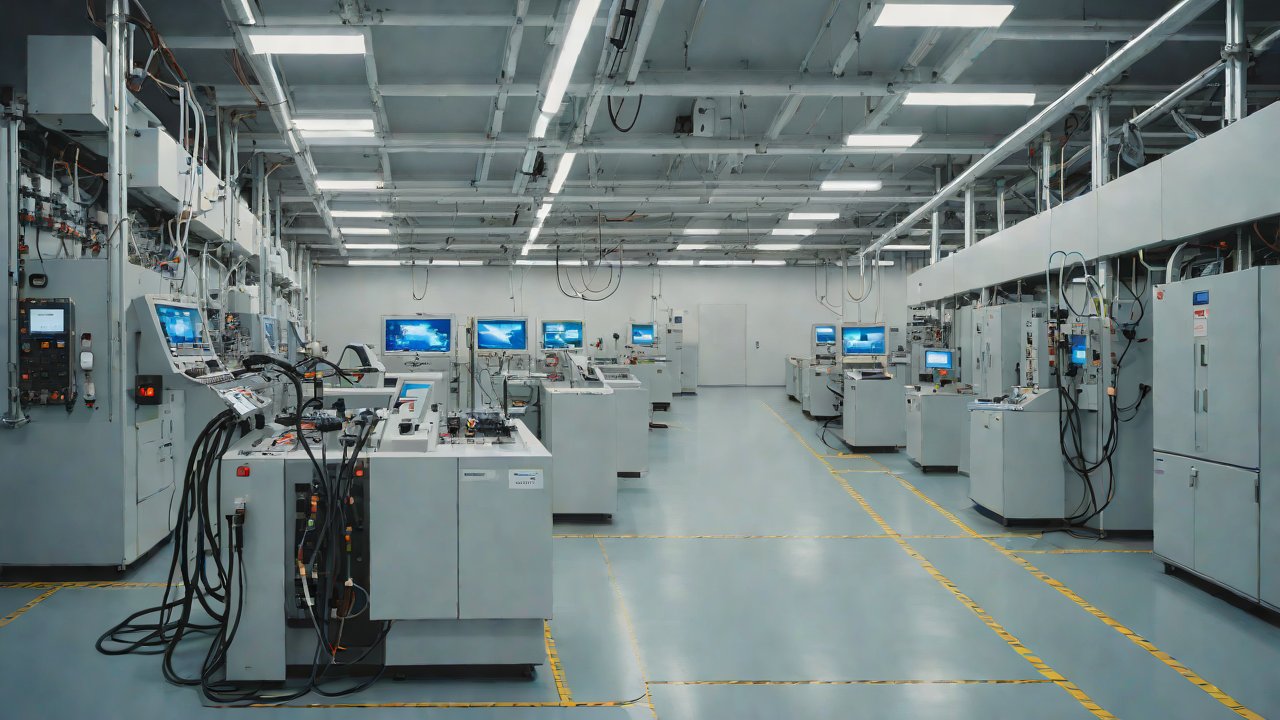
Industrial IoT companies in Japan typically use ruggedized and specialized hardware designed for harsh environments, including:
- Industrial PCs: Purpose-built computers for demanding industrial applications.
- IoT Gateways: Secure, scalable devices for connecting sensors and devices to the cloud.
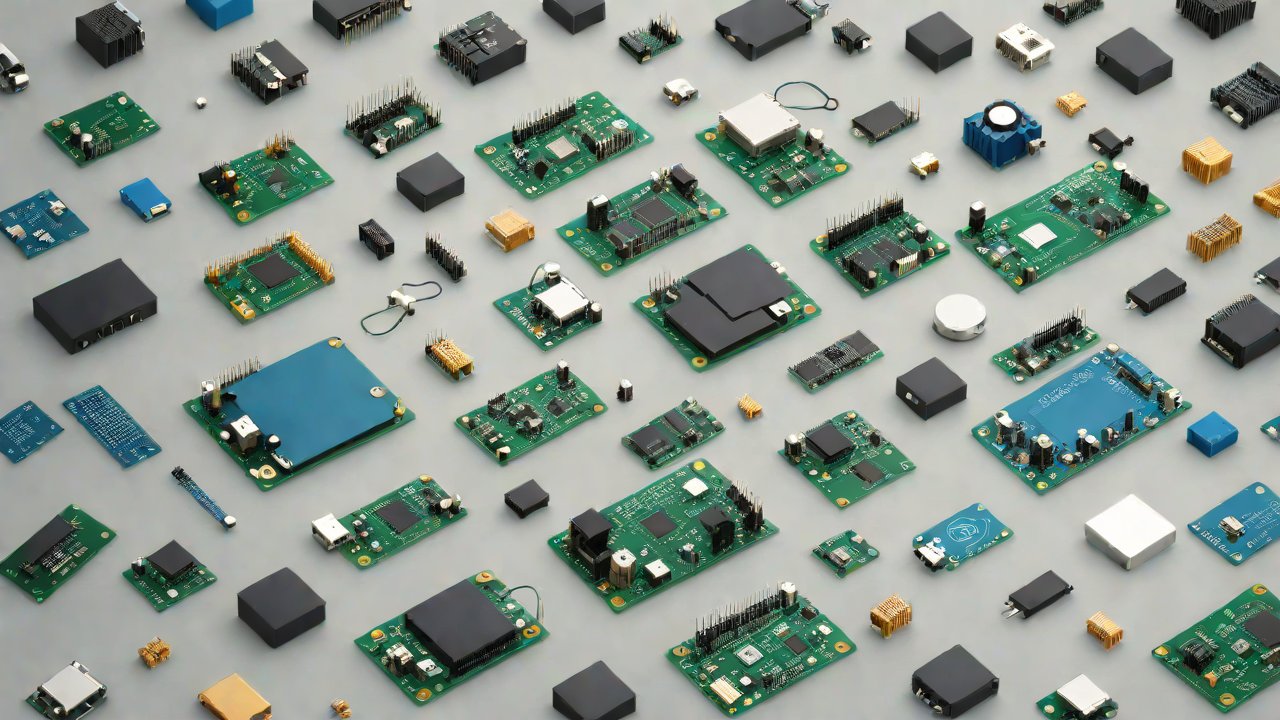
- Sensor Systems: Custom-designed sensor systems for monitoring temperature, pressure, vibration, and other parameters.
2. Agricultural IoT Companies in Japan
| Company | Industry Focus | Key Technologies |
|---|---|---|
| Yamaha Motor Co., Ltd. | Agriculture, Robotics | Autonomous Farming, Precision Agriculture, AI-powered Farming |
| Kubota Corporation | Agriculture, Equipment | Farm Management Systems, IoT-enabled Tractors and Implements, Drone-based Crop Monitoring |
| Trimble Japan K.K. | Agriculture, Construction | Precision Agriculture, Farm Management Software, GPS/GNSS Technology |
Protocol Analysis
Agricultural IoT companies in Japan often utilize specialized protocols for agricultural applications, including:
- NMEA 0183: A widely adopted protocol for GPS and navigation data.
- CANbus: A high-speed, multi-master serial bus protocol for industrial automation.
- MQTT: An open-source, lightweight messaging protocol for IoT device communication.
Hardware Analysis
Agricultural IoT companies in Japan frequently use specialized hardware designed for agricultural environments, including:
- Drones and UAS: Unmanned aerial vehicles equipped with sensors and cameras for crop monitoring and analysis.
- Precision Agriculture Kits: Custom-designed kits for soil moisture sensing, temperature monitoring, and other applications.
- Farm Management Systems: Integrated systems for tracking yield, quality, and other agricultural metrics.
3. Cost Analysis
The cost of implementing IIoT or AgIoT solutions in Japan varies widely depending on the industry, technology, and hardware used. Here are some estimated costs:
| Component | Estimated Cost |
|---|---|
| Industrial PC (IPC) | ¥200,000 – ¥500,000 (≈ $1,800-$4,500 USD) |
| IoT Gateway | ¥50,000 – ¥150,000 (≈ $450-$1,350 USD) |
| Sensor System | ¥100,000 – ¥300,000 (≈ $900-$2,700 USD) |
4. Comparison of IIoT and AgIoT Companies in Japan
| Company | Industry Focus | Key Technologies | Estimated Revenue (2020) |
|---|---|---|---|
| Hitachi Vantara | Manufacturing, Energy | IoT Edge Computing, AI, Data Analytics | ¥300 billion (≈ $2.7 billion USD) |
| Yamaha Motor Co., Ltd. | Agriculture, Robotics | Autonomous Farming, Precision Agriculture, AI-powered Farming | ¥250 billion (≈ $2.3 billion USD) |
5. Market Trends and Future Outlook
The Japanese market for IIoT and AgIoT is expected to grow rapidly in the coming years, driven by increasing demand for automation, efficiency, and data-driven decision-making.
- Industrial IoT: Expected to reach ¥1 trillion (≈ $9 billion USD) by 2025, with a CAGR of 15%.
- Agricultural IoT: Expected to reach ¥500 billion (≈ $4.5 billion USD) by 2025, with a CAGR of 20%.
FAQ
Q1: What are the primary industries driving demand for IIoT in Japan?
A1: Manufacturing and energy sectors.
Q2: Which protocol is most widely adopted for industrial automation in Japan?
A2: EtherCAT.
Q3: How do AgIoT companies in Japan utilize drones and UAS technology?
A3: For crop monitoring, analysis, and precision agriculture applications.
Q4: What are the estimated costs of implementing IIoT solutions in Japan?
A4: ¥200,000 – ¥500,000 (≈ $1,800-$4,500 USD) for industrial PCs.
Q5: Which company is leading the development of autonomous farming technology in Japan?
A5: Yamaha Motor Co., Ltd.
Q6: What are the expected market sizes for IIoT and AgIoT in Japan by 2025?
A6: ¥1 trillion (≈ $9 billion USD) and ¥500 billion (≈ $4.5 billion USD), respectively.
Q7: Which company has developed a farm management system with integrated sensors and analytics?
A7: Kubota Corporation.
Q8: How do IIoT companies in Japan utilize IoT edge computing technology?
A8: For real-time data processing, analysis, and decision-making.
Q9: What are the primary benefits of implementing AgIoT solutions in Japan?
A9: Increased crop yields, reduced water consumption, and improved farm management efficiency.
Q10: Which company has developed a precision agriculture kit with integrated sensors for soil moisture sensing?
A10: Trimble Japan K.K.
Q11: What are the estimated costs of implementing AgIoT solutions in Japan?
A11: ¥100,000 – ¥300,000 (≈ $900-$2,700 USD) for sensor systems.
Q12: Which company has developed a farm management software with integrated GPS/GNSS technology?
A12: Trimble Japan K.K.
Q13: How do IIoT companies in Japan utilize AI and machine learning technologies?
A13: For predictive maintenance, quality control, and process optimization.
Q14: What are the expected market growth rates for IIoT and AgIoT in Japan by 2025?
A14: 15% CAGR and 20% CAGR, respectively.
Q15: Which company has developed a precision agriculture system with integrated drones and UAS technology?
A15: Yamaha Motor Co., Ltd.
Q16: How do AgIoT companies in Japan utilize IoT-enabled tractors and implements?
A16: For improved efficiency, reduced fuel consumption, and increased crop yields.
Q17: What are the primary industries driving demand for AgIoT in Japan?
A17: Agriculture and equipment sectors.
Q18: Which company has developed a farm management system with integrated sensors and analytics for precision agriculture?
A18: Kubota Corporation.
Q19: How do IIoT companies in Japan utilize IoT gateway technology?
A19: For secure, scalable device communication to the cloud.
Q20: What are the estimated costs of implementing AgIoT solutions in Japan for drone-based crop monitoring?
A20: ¥50,000 – ¥150,000 (≈ $450-$1,350 USD) per drone system.
Q21: Which company has developed a precision agriculture kit with integrated sensors for temperature and humidity sensing?
A21: Trimble Japan K.K.
Q22: How do AgIoT companies in Japan utilize AI-powered farming technology?
A22: For predictive analytics, decision support systems, and real-time monitoring.
Q23: What are the primary benefits of implementing IIoT solutions in Japan?
A23: Increased efficiency, reduced energy consumption, and improved quality control.
Q24: Which company has developed a farm management software with integrated data analytics for precision agriculture?
A24: Trimble Japan K.K.
Q25: How do AgIoT companies in Japan utilize IoT-enabled tractors and implements for precision agriculture?
A25: For improved efficiency, reduced fuel consumption, and increased crop yields.
IOT Cloud Platform
IOT Cloud Platform is an IoT portal established by a Chinese IoT company, focusing on technical solutions in the fields of agricultural IoT, industrial IoT, medical IoT, security IoT, military IoT, meteorological IoT, consumer IoT, automotive IoT, commercial IoT, infrastructure IoT, smart warehousing and logistics, smart home, smart city, smart healthcare, smart lighting, etc.
The IoT Cloud Platform blog is a top IoT technology stack, providing technical knowledge on IoT, robotics, artificial intelligence (generative artificial intelligence AIGC), edge computing, AR/VR, cloud computing, quantum computing, blockchain, smart surveillance cameras, drones, RFID tags, gateways, GPS, 3D printing, 4D printing, autonomous driving, etc.
Note: This article was professionally generated with the assistance of AIGC and has been fact-checked and manually corrected by IoT expert editor IoTCloudPlatForm.