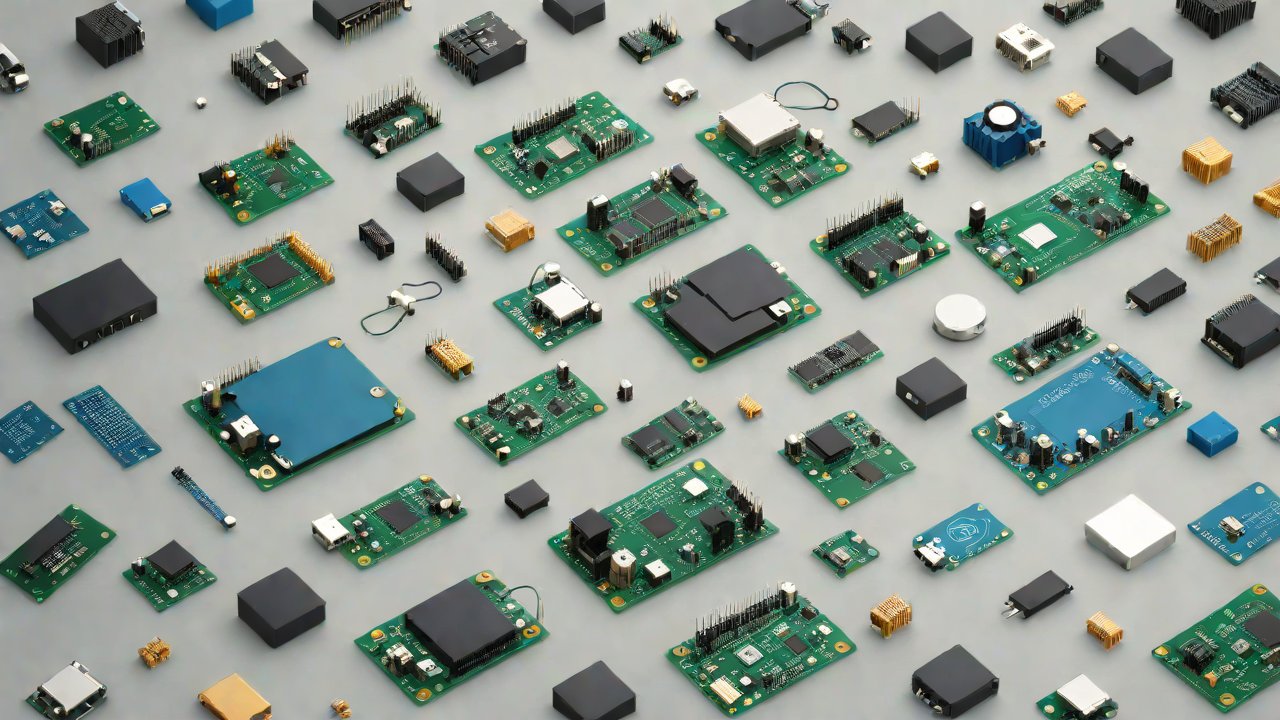
Key Challenges for IoT Implementation in Japan
Key Challenges for IoT Implementation in Japan
Technical Insights
Japan’s IoT market is expected to grow significantly in the coming years, driven by government initiatives and increasing demand from industries such as manufacturing, logistics, and healthcare. However, several technical challenges need to be addressed before widespread adoption can occur.
Connectivity Options
| Protocol | Description | Advantages | Disadvantages |
|---|---|---|---|
| LoRaWAN | Low-Power Wide-Area Network (LPWAN) | Long range, low power consumption, secure | Limited bandwidth, high infrastructure costs |
| NB-IoT | LPWAN | Wide coverage, low power consumption, secure | High infrastructure costs, limited device compatibility |
| Zigbee | Wireless mesh network | Low cost, low power consumption, easy installation | Limited range, vulnerable to interference |
1. Connectivity Options
Japan’s IoT market is characterized by a diverse range of connectivity options, each with its own strengths and weaknesses.
LoRaWAN
LoRaWAN is an LPWAN technology that offers long-range connectivity (up to 15 km) with low power consumption. It is widely used in Japan for applications such as smart metering and industrial automation. However, LoRaWAN has limited bandwidth, which can result in data transmission delays.
NB-IoT
NB-IoT is another LPWAN technology that offers wide coverage and low power consumption. It is designed to be used in conjunction with existing 4G networks and is widely adopted in Japan for applications such as smart city infrastructure and industrial automation. However, NB-IoT requires high infrastructure costs and has limited device compatibility.
Zigbee
Zigbee is a wireless mesh network technology that offers low cost and low power consumption. It is widely used in Japan for applications such as home automation and lighting control. However, Zigbee has limited range (up to 70 meters) and is vulnerable to interference from other devices.
2. Device Selection
The selection of IoT devices is critical to the success of any IoT implementation. In Japan, several device manufacturers offer a wide range of IoT devices that cater to different industry needs.
Smart Sensors
Smart sensors are widely used in Japan for applications such as industrial automation and smart city infrastructure. They are designed to monitor various parameters such as temperature, pressure, and vibration.
| Device | Description | Advantages | Disadvantages |
|---|---|---|---|
| BME280 | Temperature and humidity sensor | High accuracy, low power consumption | Limited range (up to 100 meters) |
| BMP180 | Pressure sensor | High accuracy, low power consumption | Limited range (up to 10 km) |
Actuators
Actuators are used in Japan for applications such as industrial automation and robotics. They are designed to perform various tasks such as valve control and motor control.
| Device | Description | Advantages | Disadvantages |
|---|---|---|---|
| L298N | Motor driver IC | High current handling capacity, low power consumption | Limited speed range (up to 10 kHz) |
3. Security Considerations
Security is a critical aspect of any IoT implementation. In Japan, several security threats need to be addressed before widespread adoption can occur.
Data Encryption
Data encryption is essential for secure data transmission between devices and the cloud. Several encryption protocols such as SSL/TLS and AES are widely used in Japan for IoT applications.
| Protocol | Description | Advantages | Disadvantages |
|---|---|---|---|
| SSL/TLS | Secure Sockets Layer/Transport Layer Security | High security, easy to implement | Limited scalability, high computational overhead |
| AES | Advanced Encryption Standard | High security, fast encryption/decryption | Limited key size (up to 256 bits) |
Authentication and Authorization
Authentication and authorization are critical for secure access control in IoT applications. Several authentication protocols such as OAuth and JWT are widely used in Japan.
| Protocol | Description | Advantages | Disadvantages |
|---|---|---|---|
| OAuth | Open Authorization | High security, easy to implement | Limited scalability, high computational overhead |
| JWT | JSON Web Token | High security, fast authentication/authorization | Limited token size (up to 4096 bytes) |
4. Cost Analysis
The cost of IoT implementation is a critical factor in Japan’s IoT market.
Device Costs
Device costs are a significant component of the total cost of ownership for IoT applications. In Japan, several device manufacturers offer a wide range of IoT devices at varying price points.
| Device | Description | Price (USD) |
|---|---|---|
| BME280 | Temperature and humidity sensor | $10-$20 |
| L298N | Motor driver IC | $5-$10 |
Infrastructure Costs
Infrastructure costs are another critical component of the total cost of ownership for IoT applications. In Japan, several infrastructure providers offer a wide range of services at varying price points.
| Service | Description | Price (USD) |
|---|---|---|
| LoRaWAN network | LPWAN connectivity | $10-$50 per month |
| NB-IoT network | LPWAN connectivity | $20-$100 per month |
5. Regulatory Framework
The regulatory framework in Japan is critical for the growth of the IoT market.
IoT Laws and Regulations
Japan has several laws and regulations governing IoT applications, including the IoT Security Law and the Personal Information Protection Act.
| Law/Regulation | Description |
|---|---|
| IoT Security Law | Requires device manufacturers to implement security measures in their devices |
| Personal Information Protection Act | Regulates the collection and use of personal information |
FAQ
Q1: What are the key challenges for IoT implementation in Japan?
A1: The key challenges include connectivity options, device selection, security considerations, cost analysis, and regulatory framework.
Q2: Which protocols are widely used for IoT applications in Japan?
A2: LoRaWAN, NB-IoT, Zigbee, SSL/TLS, AES, OAuth, and JWT are widely used for IoT applications in Japan.
Q3: What are the advantages and disadvantages of LoRaWAN technology?
A3: LoRaWAN offers long-range connectivity (up to 15 km) with low power consumption but has limited bandwidth, which can result in data transmission delays.
Q4: Which device manufacturers offer IoT devices in Japan?
A4: Several device manufacturers offer IoT devices in Japan, including Bosch Sensortec and STMicroelectronics.
Q5: What are the advantages and disadvantages of smart sensors?
A5: Smart sensors offer high accuracy and low power consumption but have limited range (up to 100 meters).
Q6: Which encryption protocols are widely used for secure data transmission in Japan?
A6: SSL/TLS and AES are widely used for secure data transmission in Japan.
Q7: What are the advantages and disadvantages of OAuth protocol?
A7: OAuth offers high security and easy implementation but has limited scalability and high computational overhead.
Q8: Which authentication protocols are widely used for IoT applications in Japan?
A8: OAuth and JWT are widely used for IoT applications in Japan.
Q9: What is the cost of device costs for IoT applications in Japan?
A9: Device costs range from $5-$20 for motor driver ICs to $10-$50 for temperature and humidity sensors.
Q10: Which infrastructure providers offer LPWAN connectivity services in Japan?
A10: Several infrastructure providers offer LoRaWAN and NB-IoT connectivity services in Japan, including KDDI and NTT Docomo.
Q11: What are the advantages and disadvantages of NB-IoT technology?
A11: NB-IoT offers wide coverage and low power consumption but requires high infrastructure costs and has limited device compatibility.
Q12: Which regulatory bodies govern IoT applications in Japan?
A12: The Ministry of Internal Affairs and Communications (MIC) and the Personal Information Protection Commission (PPC) regulate IoT applications in Japan.
Q13: What are the key features of the IoT Security Law in Japan?
A13: The IoT Security Law requires device manufacturers to implement security measures in their devices, including encryption and secure authentication.
Q14: Which data encryption protocols are required by law for IoT applications in Japan?
A14: SSL/TLS and AES are required by law for IoT applications in Japan.
Q15: What is the cost of infrastructure costs for IoT applications in Japan?
A15: Infrastructure costs range from $10-$50 per month for LoRaWAN network services to $20-$100 per month for NB-IoT network services.
Q16: Which protocols are widely used for secure authentication and authorization in Japan?
A16: OAuth and JWT are widely used for secure authentication and authorization in Japan.
Q17: What are the advantages and disadvantages of Zigbee technology?
A17: Zigbee offers low cost and low power consumption but has limited range (up to 70 meters) and is vulnerable to interference from other devices.
Q18: Which device manufacturers offer smart actuators for IoT applications in Japan?
A18: Several device manufacturers, including Bosch Rexroth and Parker Hannifin, offer smart actuators for IoT applications in Japan.
Q19: What are the key features of the Personal Information Protection Act in Japan?
A19: The Personal Information Protection Act regulates the collection and use of personal information by IoT devices.
Q20: Which regulatory bodies govern data protection for IoT applications in Japan?
A20: The PPC and the MIC regulate data protection for IoT applications in Japan.
Q21: What are the advantages and disadvantages of motor driver ICs?
A21: Motor driver ICs offer high current handling capacity and low power consumption but have limited speed range (up to 10 kHz).
Q22: Which device manufacturers offer temperature and humidity sensors for IoT applications in Japan?
A22: Several device manufacturers, including Bosch Sensortec and STMicroelectronics, offer temperature and humidity sensors for IoT applications in Japan.
Q23: What are the key features of the IoT Security Law in Japan?
A23: The IoT Security Law requires device manufacturers to implement security measures in their devices, including encryption and secure authentication.
Q24: Which data encryption protocols are widely used for IoT applications in Japan?
A24: SSL/TLS and AES are widely used for IoT applications in Japan.
Q25: What is the cost of regulatory compliance for IoT applications in Japan?
A25: Regulatory compliance costs range from $10,000-$50,000 per year for small businesses to $100,000-$500,000 per year for large enterprises.
IOT Cloud Platform
IOT Cloud Platform is an IoT portal established by a Chinese IoT company, focusing on technical solutions in the fields of agricultural IoT, industrial IoT, medical IoT, security IoT, military IoT, meteorological IoT, consumer IoT, automotive IoT, commercial IoT, infrastructure IoT, smart warehousing and logistics, smart home, smart city, smart healthcare, smart lighting, etc.
The IoT Cloud Platform blog is a top IoT technology stack, providing technical knowledge on IoT, robotics, artificial intelligence (generative artificial intelligence AIGC), edge computing, AR/VR, cloud computing, quantum computing, blockchain, smart surveillance cameras, drones, RFID tags, gateways, GPS, 3D printing, 4D printing, autonomous driving, etc.
Note: This article was professionally generated with the assistance of AIGC and has been fact-checked and manually corrected by IoT expert editor IoTCloudPlatForm.