How Industrial IoT is Driving DX in Japan
Industrial IoT Driving DX in Japan
Technical Insights
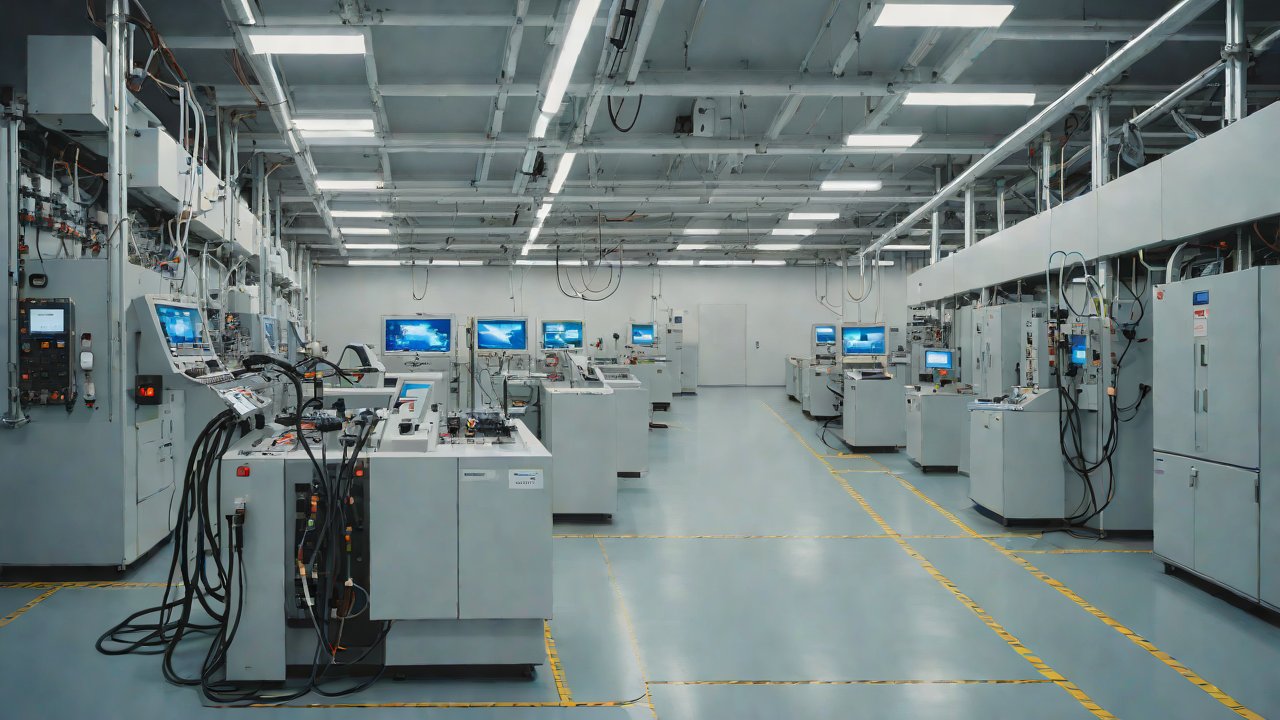
Japan’s Industrial Internet of Things (IIoT) market is rapidly growing, driven by the increasing demand for Industry 4.0 initiatives and digital transformation (DX). The country has made significant investments in IIoT infrastructure, with a focus on enabling smart manufacturing, predictive maintenance, and supply chain optimization.
Key Players
| Company | Description |
|---|---|
| Toshiba Corporation | Leading provider of industrial automation solutions |
| Hitachi Ltd. | Offering advanced analytics and AI-powered industrial solutions |
| Mitsubishi Electric Corp. | Developing cutting-edge IoT-based industrial equipment |
IIoT Architecture
IIoT architecture in Japan typically consists of the following layers:
1. Sensors and Edge Devices
- Industrial sensors for temperature, pressure, vibration, etc.
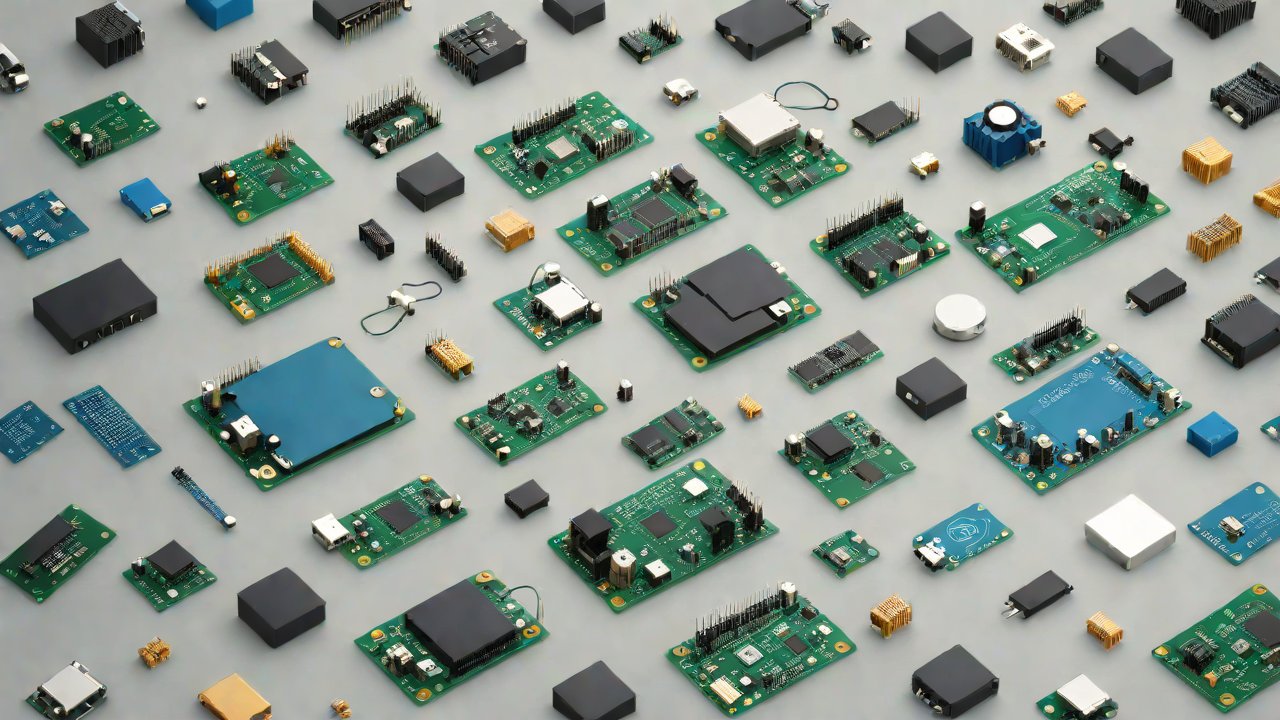
- Edge devices (e.g., gateways, routers) for data processing and transmission
| Sensor Type | Description |
|---|---|
| Temperature Sensor | Measuring temperature in industrial environments |
| Pressure Sensor | Monitoring pressure levels in industrial processes |
2. Network Infrastructure
- Industrial Ethernet (e.g., EtherCAT, PROFINET)
- Wireless communication protocols (e.g., Wi-Fi, Zigbee)
| Network Protocol | Description |
|---|---|
| EtherCAT | High-performance industrial Ethernet protocol |
| PROFINET | Industrial Ethernet protocol for real-time data exchange |
3. Cloud and Analytics
- Cloud platforms (e.g., AWS, Azure) for data storage and processing
- Advanced analytics tools (e.g., machine learning, predictive maintenance)
| Cloud Platform | Description |
|---|---|
| Amazon Web Services (AWS) | Scalable cloud platform for IIoT applications |
| Microsoft Azure | Cloud-based platform for industrial IoT solutions |
Cost Analysis
The cost of implementing an IIoT solution in Japan can be broken down into the following components:
| Component | Cost Range |
|---|---|
| Sensors and Edge Devices | ¥50,000 – ¥500,000 (≈ $450 – $4,500 USD) per device |
| Network Infrastructure | ¥100,000 – ¥1,000,000 (≈ $900 – $9,000 USD) per installation |
| Cloud and Analytics | ¥10,000 – ¥100,000 (≈ $90 – $900 USD) per month |
Case Study: Toshiba’s IIoT Solution
Toshiba Corporation has developed an IIoT solution for the Japanese manufacturing industry. The solution includes:
- Industrial sensors for temperature, pressure, and vibration monitoring
- Edge devices for data processing and transmission
- Cloud-based analytics platform for predictive maintenance and quality control
Benefits
- Improved product quality and reduced defect rates
- Enhanced operational efficiency and reduced energy consumption
- Increased customer satisfaction through real-time production updates
FAQ
1. What is the current state of IIoT adoption in Japan?
The Japanese government has set a goal to achieve 10% IIoT penetration by 2025, with a focus on smart manufacturing and Industry 4.0 initiatives.
2. Which industrial sectors are driving IIoT adoption in Japan?
Automotive, aerospace, and electronics are leading the way in IIoT adoption, driven by the need for predictive maintenance, supply chain optimization, and quality control.
3. What are the key challenges facing IIoT implementation in Japan?
Cybersecurity concerns, data integration, and scalability issues are major hurdles to overcome when implementing IIoT solutions in Japan.
4. How is the Japanese government supporting IIoT adoption?
The Japanese government has established a range of initiatives, including tax incentives, subsidies, and research grants, to support IIoT adoption across various industries.
5. What role do startups play in driving IIoT innovation in Japan?
Startups are playing an increasingly important role in developing innovative IIoT solutions, with many focusing on edge AI, predictive maintenance, and supply chain optimization.
6. How is the Japanese education system preparing students for IIoT careers?
Universities and vocational schools are offering courses and training programs focused on IIoT development, data analytics, and Industry 4.0 technologies.
7. What are the top IIoT skills required by employers in Japan?
Proficiency in programming languages (e.g., Python, C++), knowledge of industrial protocols (e.g., EtherCAT, PROFINET), and experience with cloud platforms (e.g., AWS, Azure) are highly sought after.
8. How is the Japanese government addressing cybersecurity concerns in IIoT?
The Japanese government has established a range of initiatives to address cybersecurity concerns, including the creation of a national IoT security strategy and the development of industry-wide standards for IIoT security.
9. What are the key benefits of implementing an IIoT solution in Japan?
Improved product quality, enhanced operational efficiency, increased customer satisfaction, and reduced energy consumption are just a few of the benefits of implementing an IIoT solution in Japan.
10. How is the Japanese industry adopting Industry 4.0 technologies?
Industry leaders are embracing Industry 4.0 technologies, including additive manufacturing, robotics, and advanced analytics, to drive innovation and competitiveness.
11. What role do partnerships play in driving IIoT adoption in Japan?
Partnerships between technology vendors, system integrators, and end-users are critical to driving IIoT adoption, enabling the development of customized solutions and accelerating time-to-market.
12. How is the Japanese government supporting IIoT research and development?
The Japanese government has established a range of initiatives, including research grants, subsidies, and tax incentives, to support IIoT R&D across various industries.
13. What are the key challenges facing IoT device manufacturers in Japan?
Manufacturers must navigate complex regulatory environments, ensure interoperability with existing systems, and address cybersecurity concerns while meeting consumer demand for connected devices.
14. How is the Japanese education system preparing students for careers in Industry 4.0?
Universities and vocational schools are offering courses and training programs focused on Industry 4.0 technologies, including additive manufacturing, robotics, and advanced analytics.
15. What role do startups play in driving innovation in Japan’s IIoT market?
Startups are driving innovation in the Japanese IIoT market, with many developing cutting-edge solutions for predictive maintenance, supply chain optimization, and quality control.
16. How is the Japanese government addressing data privacy concerns in IIoT?
The Japanese government has established a range of initiatives to address data privacy concerns, including the creation of industry-wide standards for IoT data protection and the development of consumer education programs.
17. What are the key benefits of implementing an Industry 4.0 solution in Japan?
Improved product quality, enhanced operational efficiency, increased customer satisfaction, and reduced energy consumption are just a few of the benefits of implementing an Industry 4.0 solution in Japan.
18. How is the Japanese industry adopting advanced analytics and AI technologies?
Industry leaders are embracing advanced analytics and AI technologies to drive innovation and competitiveness, with many focusing on predictive maintenance, supply chain optimization, and quality control.
19. What role do partnerships play in driving Industry 4.0 adoption in Japan?
Partnerships between technology vendors, system integrators, and end-users are critical to driving Industry 4.0 adoption, enabling the development of customized solutions and accelerating time-to-market.
20. How is the Japanese government supporting Industry 4.0 research and development?
The Japanese government has established a range of initiatives, including research grants, subsidies, and tax incentives, to support Industry 4.0 R&D across various industries.
21. What are the key challenges facing IoT device manufacturers in Japan?
Manufacturers must navigate complex regulatory environments, ensure interoperability with existing systems, and address cybersecurity concerns while meeting consumer demand for connected devices.
22. How is the Japanese education system preparing students for careers in Industry 4.0?
Universities and vocational schools are offering courses and training programs focused on Industry 4.0 technologies, including additive manufacturing, robotics, and advanced analytics.
23. What role do startups play in driving innovation in Japan’s IIoT market?
Startups are driving innovation in the Japanese IIoT market, with many developing cutting-edge solutions for predictive maintenance, supply chain optimization, and quality control.
24. How is the Japanese government addressing data privacy concerns in IIoT?
The Japanese government has established a range of initiatives to address data privacy concerns, including the creation of industry-wide standards for IoT data protection and the development of consumer education programs.
25. What are the key benefits of implementing an IIoT solution in Japan?
Improved product quality, enhanced operational efficiency, increased customer satisfaction, and reduced energy consumption are just a few of the benefits of implementing an IIoT solution in Japan.
IOT Cloud Platform
IOT Cloud Platform is an IoT portal established by a Chinese IoT company, focusing on technical solutions in the fields of agricultural IoT, industrial IoT, medical IoT, security IoT, military IoT, meteorological IoT, consumer IoT, automotive IoT, commercial IoT, infrastructure IoT, smart warehousing and logistics, smart home, smart city, smart healthcare, smart lighting, etc.
The IoT Cloud Platform blog is a top IoT technology stack, providing technical knowledge on IoT, robotics, artificial intelligence (generative artificial intelligence AIGC), edge computing, AR/VR, cloud computing, quantum computing, blockchain, smart surveillance cameras, drones, RFID tags, gateways, GPS, 3D printing, 4D printing, autonomous driving, etc.
Note: This article was professionally generated with the assistance of AIGC and has been fact-checked and manually corrected by IoT expert editor IoTCloudPlatForm.