A Collection of IoT Application Cases in Agriculture, Minas Gerais, Brazil
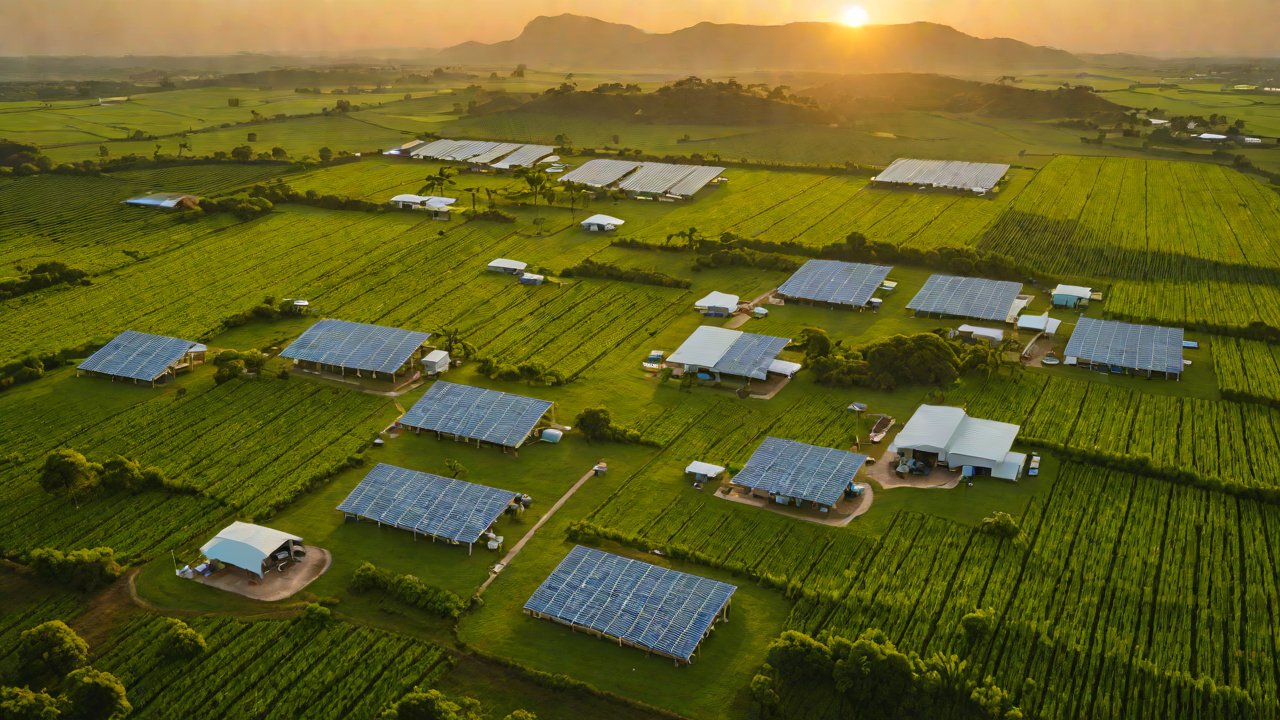
The rolling hills of Minas Gerais, Brazil’s largest state, are home to a thriving agricultural sector that provides a significant portion of the country’s food supply. With the increasing adoption of Internet of Things (IoT) technologies, farmers in this region are now leveraging innovative solutions to enhance crop yields, reduce water consumption, and improve overall farm efficiency.
A key aspect of IoT adoption in agriculture is the integration of sensors, drones, and satellite imaging to monitor soil moisture levels, temperature fluctuations, and crop health. This enables farmers to make informed decisions about irrigation schedules, fertilizer application rates, and pest management strategies. For instance, a study by the Brazilian National Institute for Space Research (INPE) found that precision agriculture techniques utilizing IoT data can increase corn yields by up to 20% while reducing water consumption by as much as 30%.
1. Precision Irrigation Systems
One of the most significant applications of IoT in Minas Gerais’ agricultural sector is the implementation of precision irrigation systems. These systems utilize a network of sensors and actuators that monitor soil moisture levels, temperature, and other environmental factors to optimize water application rates.
| IoT Component | Functionality |
|---|---|
| Soil Moisture Sensors | Monitor soil moisture levels and transmit data to the control system |
| Weather Stations | Provide real-time weather data, including precipitation and temperature |
| Actuators (Valves) | Control irrigation water flow rates based on sensor inputs |
A case study by a local farm in Minas Gerais demonstrated that the adoption of precision irrigation systems resulted in a 25% reduction in water consumption while maintaining crop yields. This was achieved through the implementation of IoT sensors that monitored soil moisture levels and adjusted irrigation schedules accordingly.
2. Crop Monitoring with Drones
Drones equipped with high-resolution cameras and multispectral sensors are increasingly being used to monitor crop health, detect early signs of disease, and assess yield potential. By analyzing drone-captured data, farmers can identify areas requiring attention and implement targeted interventions to prevent yield losses.
| Drone Application | Benefits |
|---|---|
| Crop Health Monitoring | Identify early signs of disease and pests, enabling timely interventions |
| Yield Estimation | Provide accurate predictions of crop yields based on drone-captured data |
| Soil Mapping | Generate detailed maps of soil types, moisture levels, and nutrient availability |
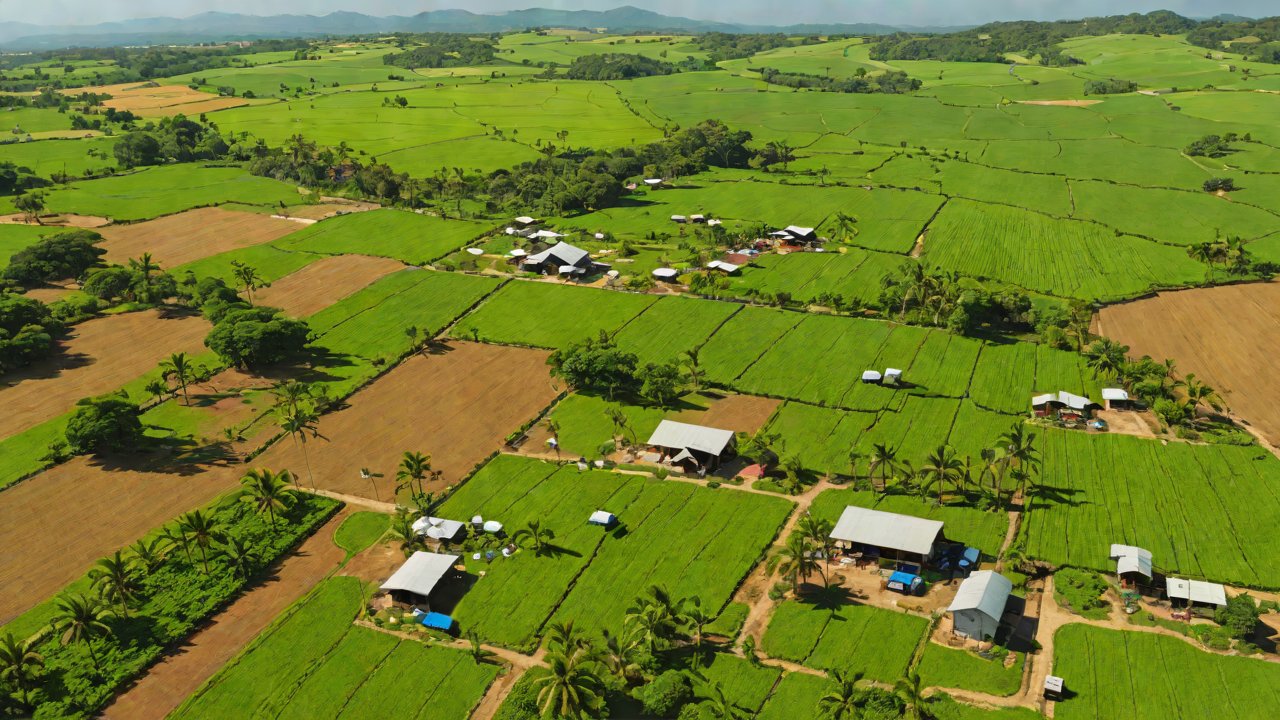
A study by the University of São Paulo found that drone-based crop monitoring resulted in a 15% increase in corn yields due to improved disease management practices. Additionally, farmers reported reduced costs associated with unnecessary pesticide applications.
3. Livestock Monitoring and Automation
IoT technologies are also being applied to improve livestock health and welfare in Minas Gerais’ agricultural sector. Real-time monitoring of temperature, humidity, and noise levels within animal enclosures enables farmers to identify areas for improvement and optimize living conditions.
| Livestock IoT Component | Functionality |
|---|---|
| Temperature Sensors | Monitor ambient temperatures within animal enclosures |
| Humidity Sensors | Track humidity levels to prevent heat stress in animals |
| Automated Feeding Systems | Adjust feeding schedules based on real-time data and optimize feed consumption |
A case study by a local farm demonstrated that the adoption of IoT-enabled livestock monitoring resulted in improved animal health, reduced mortality rates, and enhanced overall productivity. Farmers reported a 20% increase in milk yields from cows and a 15% reduction in mortality rates among piglets.
4. Data Analytics and Decision Support
To fully realize the benefits of IoT adoption in agriculture, farmers require access to robust data analytics platforms that can process and interpret large datasets generated by IoT sensors and drones. These platforms provide real-time insights into crop health, soil conditions, and weather patterns, enabling informed decision-making.
| Data Analytics Platform | Key Features |
|---|---|
| Data Visualization | Provide interactive dashboards for visualizing sensor data and drone-captured imagery |
| Predictive Modeling | Develop predictive models that forecast crop yields, disease outbreaks, and pest infestations |
| Alert Systems | Send real-time alerts to farmers regarding critical events or anomalies |
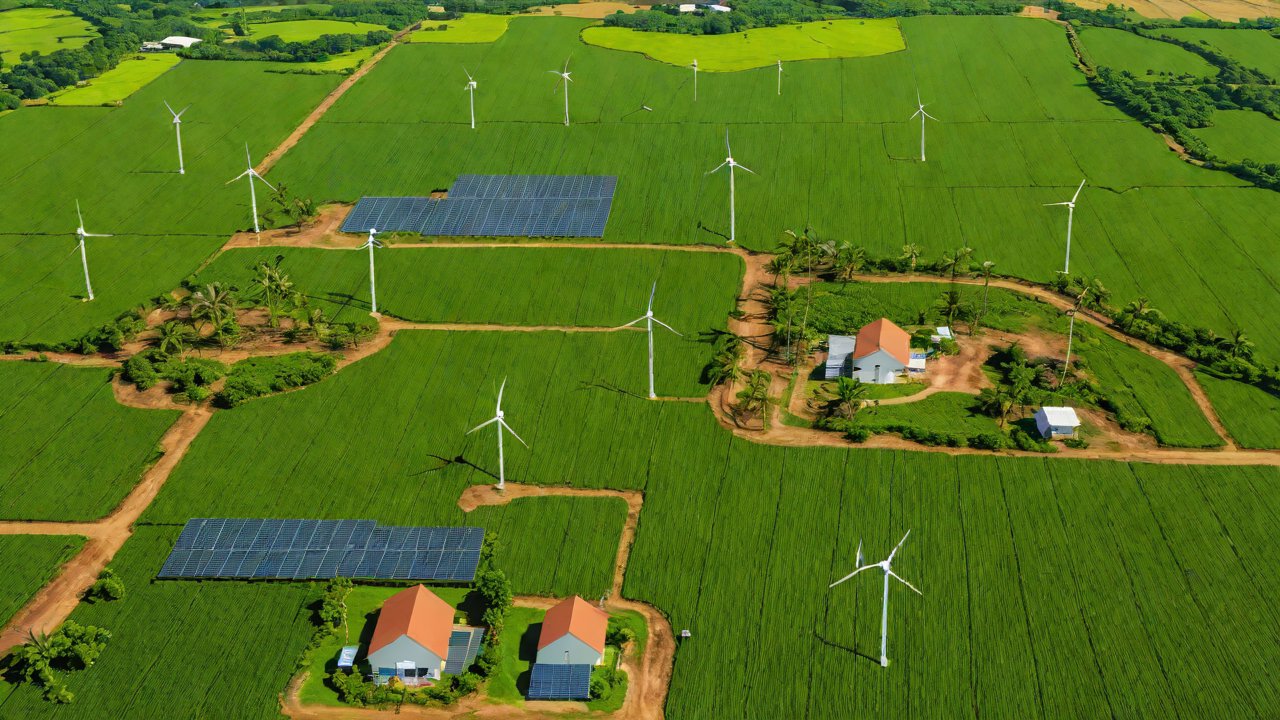
A study by the Brazilian Agricultural Research Corporation (EMBRAPA) found that farmers utilizing IoT-enabled data analytics platforms reported improved decision-making, reduced costs associated with unnecessary interventions, and enhanced overall farm productivity.
5. Regulatory Frameworks and Future Directions
As IoT adoption continues to grow in Minas Gerais’ agricultural sector, regulatory frameworks must adapt to address emerging challenges such as data security, privacy concerns, and liability issues. Policymakers are urged to create supportive environments that facilitate innovation while ensuring the well-being of farmers, consumers, and the environment.
| Regulatory Framework | Key Provisions |
|---|---|
| Data Protection Laws | Establish guidelines for IoT sensor data collection, storage, and sharing |
| Liability Frameworks | Define responsibilities for IoT-related accidents or losses |
| Standards Development | Encourage the development of industry standards for IoT-enabled agricultural technologies |
As the agricultural sector in Minas Gerais continues to evolve, it is essential that policymakers, farmers, and technology providers work together to create a supportive ecosystem for innovation. By leveraging the power of IoT, Brazil can solidify its position as a global leader in sustainable agriculture, improving food security while minimizing environmental impact.
IOT Cloud Platform
IOT Cloud Platform is an IoT portal established by a Chinese IoT company, focusing on technical solutions in the fields of agricultural IoT, industrial IoT, medical IoT, security IoT, military IoT, meteorological IoT, consumer IoT, automotive IoT, commercial IoT, infrastructure IoT, smart warehousing and logistics, smart home, smart city, smart healthcare, smart lighting, etc.
The IoT Cloud Platform blog is a top IoT technology stack, providing technical knowledge on IoT, robotics, artificial intelligence (generative artificial intelligence AIGC), edge computing, AR/VR, cloud computing, quantum computing, blockchain, smart surveillance cameras, drones, RFID tags, gateways, GPS, 3D printing, 4D printing, autonomous driving, etc.
Note: This article was professionally generated with the assistance of AIGC and has been fact-checked and manually corrected by IoT expert editor IoTCloudPlatForm.