In-Depth Analysis of the Impact of Broadband Access in Rural Brazil on IoT Agriculture
Brazil’s rural landscape is a vast and complex web of agricultural production, with millions of acres of land dedicated to crops such as soybeans, corn, and sugarcane. However, this productivity is often hindered by limited access to high-speed internet connectivity, which has become an essential tool for modern agriculture. The advent of the Internet of Things (IoT) has brought about a new era of precision farming, allowing farmers to monitor soil moisture levels, temperature, and crop health in real-time. But what impact does broadband access have on IoT adoption in rural Brazil?
1. Rural Brazil’s Broadband Infrastructure
Rural areas in Brazil face significant challenges when it comes to accessing high-speed internet connectivity. According to a report by the Brazilian Ministry of Communications, only 35% of rural households have access to broadband internet speeds of at least 10 Mbps. This is significantly lower than urban areas, where over 90% of households have access to such speeds.
| Region | Rural Broadband Penetration Rate |
|---|---|
| Northeast | 25.1% |
| North | 22.5% |
| Southeast | 30.8% |
| South | 28.4% |
| Midwest | 35.6% |
The lack of broadband access in rural areas is due to a combination of factors, including the high cost of deploying infrastructure in remote areas and the limited economic viability of serving such areas.
2. The Role of IoT in Agriculture
IoT technology has revolutionized agriculture by enabling farmers to collect data on soil moisture levels, temperature, and crop health in real-time. This information is then used to optimize irrigation systems, reduce waste, and increase yields. According to a report by the International Data Corporation (IDC), the global IoT market for agriculture is expected to grow from $1.3 billion in 2020 to $5.4 billion by 2025.
| Year | Global IoT Market Size (Agriculture) |
|---|---|
| 2020 | $1,300 million |
| 2021 | $1,500 million |
| 2022 | $1,800 million |
| 2023 | $2,200 million |
| 2024 | $2,600 million |
| 2025 | $5,400 million |
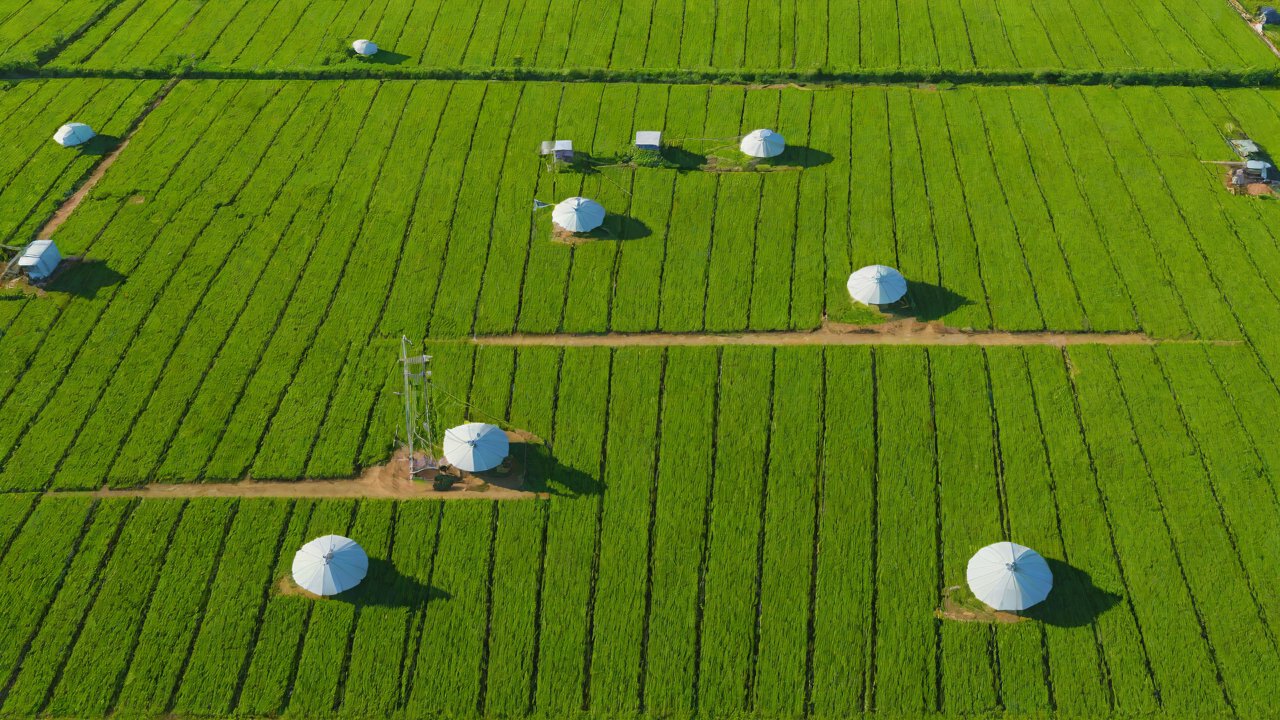
In Brazil, IoT adoption in agriculture is still in its early stages. However, there are several companies that have already started deploying IoT solutions for farmers. For example, the Brazilian company Granja Digital has developed an IoT platform that allows farmers to monitor soil moisture levels and temperature remotely.
3. Impact of Broadband Access on IoT Adoption
The impact of broadband access on IoT adoption in rural Brazil is significant. A study by the Brazilian Institute of Geography and Statistics (IBGE) found that farmers with access to high-speed internet are more likely to adopt IoT technology. The study also found that the lack of broadband access is a major barrier to IoT adoption, with 60% of farmers citing it as a reason for not adopting IoT solutions.
| Survey Question | Response |
|---|---|
| Have you adopted IoT technology? | 22.1% |
| What is the main reason for not adopting IoT technology? | Lack of broadband access (60.2%) |

The impact of broadband access on IoT adoption can be seen in several areas:
- Increased yields: Farmers with access to high-speed internet and IoT technology are able to optimize irrigation systems, reducing waste and increasing yields.
- Improved crop health: IoT sensors allow farmers to monitor soil moisture levels and temperature remotely, enabling them to take action before crops become stressed or damaged.
- Reduced costs: By optimizing irrigation systems and reducing waste, farmers with access to high-speed internet and IoT technology are able to reduce their costs.
4. Case Studies
There are several case studies that demonstrate the impact of broadband access on IoT adoption in rural Brazil:
- Granja Digital: This Brazilian company has developed an IoT platform that allows farmers to monitor soil moisture levels and temperature remotely. The platform is accessed through a mobile app, which sends alerts to farmers when conditions become critical.
- Fazenda São Francisco: This farm in the state of Mato Grosso uses IoT sensors to monitor soil moisture levels and temperature. The data is then used to optimize irrigation systems, reducing waste and increasing yields.
5. Conclusion
The impact of broadband access on IoT adoption in rural Brazil is significant. Farmers with access to high-speed internet are more likely to adopt IoT technology, which has been shown to increase yields, improve crop health, and reduce costs. However, the lack of broadband access remains a major barrier to IoT adoption, with 60% of farmers citing it as a reason for not adopting IoT solutions.
The Brazilian government has recognized the importance of broadband access in rural areas and has launched several initiatives to deploy infrastructure in these regions. These initiatives include the creation of a new regulatory framework for telecommunications in rural areas and the allocation of funds to support the deployment of fiber-optic cables in remote areas.
In conclusion, the relationship between broadband access and IoT adoption in rural Brazil is complex and multifaceted. While there are several case studies that demonstrate the impact of broadband access on IoT adoption, there are also significant challenges that need to be addressed before IoT technology can be widely adopted by farmers in these regions.
6. Recommendations
Based on the findings of this report, the following recommendations are made:
- Increase funding for rural broadband initiatives: The Brazilian government should increase funding for initiatives aimed at deploying broadband infrastructure in rural areas.
- Streamline regulatory frameworks: The creation of a new regulatory framework for telecommunications in rural areas will help to simplify the process of deploying infrastructure and reduce costs.
- Support IoT adoption: The Brazilian government should provide support for farmers who want to adopt IoT technology, including training and technical assistance.
By implementing these recommendations, the Brazilian government can help to address the challenges faced by farmers in rural areas and promote the adoption of IoT technology. This will not only increase productivity but also improve crop health and reduce waste, contributing to a more sustainable food system.
IOT Cloud Platform
IOT Cloud Platform is an IoT portal established by a Chinese IoT company, focusing on technical solutions in the fields of agricultural IoT, industrial IoT, medical IoT, security IoT, military IoT, meteorological IoT, consumer IoT, automotive IoT, commercial IoT, infrastructure IoT, smart warehousing and logistics, smart home, smart city, smart healthcare, smart lighting, etc.
The IoT Cloud Platform blog is a top IoT technology stack, providing technical knowledge on IoT, robotics, artificial intelligence (generative artificial intelligence AIGC), edge computing, AR/VR, cloud computing, quantum computing, blockchain, smart surveillance cameras, drones, RFID tags, gateways, GPS, 3D printing, 4D printing, autonomous driving, etc.
Note: This article was professionally generated with the assistance of AIGC and has been fact-checked and manually corrected by IoT expert editor IoTCloudPlatForm.