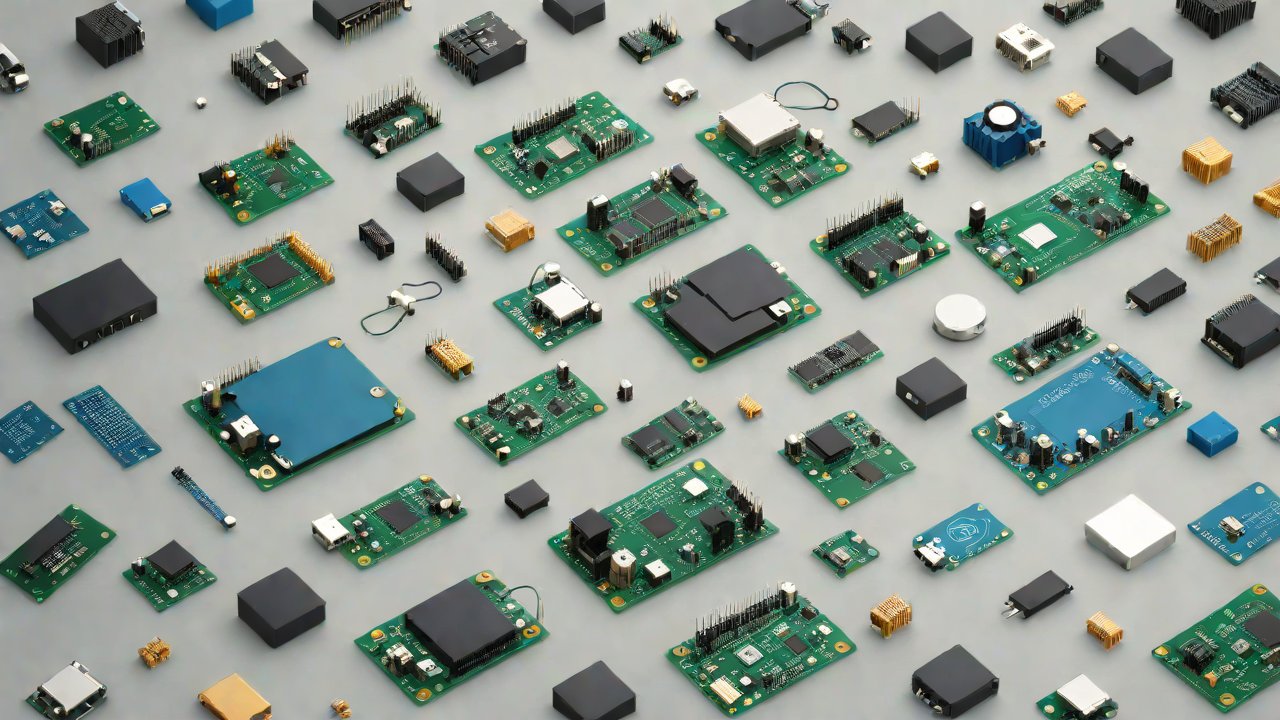
Resource-Constrained Hardware AES-CCM End-to-End Encryption Architecture
As we navigate the complex landscape of modern computing, one critical aspect that often goes underappreciated is the importance of end-to-end encryption in ensuring data security and confidentiality. In this era where connectivity has become ubiquitous, the need for robust encryption mechanisms has never been more pressing. Among various encryption protocols, Advanced Encryption Standard with Counter Mode and CBC-MAC (AES-CCM) stands out as a reliable and efficient choice. However, its implementation on resource-constrained hardware poses significant challenges.
The world of IoT devices is rapidly expanding, comprising everything from smartphones to smart home appliances. Each of these devices comes equipped with limited computing resources, memory, and power. Meeting the computational demands of AES-CCM encryption within such constraints has become a pressing concern for developers. The stakes are high: without effective end-to-end encryption, sensitive data can fall prey to unauthorized access.
1. Background on AES-CCM
AES-CCM is an encryption protocol that combines the flexibility and high performance of Advanced Encryption Standard (AES) with the integrity check capabilities of Counter Mode and CBC-MAC (CMAC). It operates by dividing a plaintext into blocks, encrypting each block independently using AES in counter mode, and then appending a message authentication code (MAC) to ensure data integrity. This protocol’s strength lies in its efficiency, as it requires less computational overhead compared to other encryption protocols.
AES-CCM Key Features:
| Feature | Description |
|---|---|
| Efficient | Low computational overhead |
| Secure | High level of security through AES and MAC |
| Flexible | Supports variable block sizes |
2. Challenges in Implementing AES-CCM on Resource-Constrained Hardware
Implementing AES-CCM on devices with limited resources poses several challenges:
- Computational Power: AES-CCM requires significant computational power, which can be a challenge for devices with low processing capabilities.
- Memory Constraints: The protocol’s need for additional memory to store the MAC and encryption keys adds to the memory burden on resource-constrained hardware.
- Power Consumption: High-power encryption algorithms like AES-CCM consume more power, which is critical in battery-operated devices.
3. AIGC Technical Perspectives

From an Artificial Intelligence and General Computing (AIGC) perspective, incorporating machine learning techniques can enhance the efficiency of AES-CCM on resource-constrained hardware:
- Optimization Techniques: Applying optimization algorithms to reduce computational overhead and memory usage.
- Hardware Acceleration: Utilizing specialized hardware accelerators for cryptographic operations.
4. Market Data Analysis
The market demand for secure communication protocols like AES-CCM is increasing due to the growing need for data protection in IoT applications:
- According to a report by MarketsandMarkets, the global IoT security market size is projected to grow from $9.2 billion in 2020 to $35.3 billion by 2025.
- The same report highlights that encryption and decryption techniques are expected to be the largest segment of the IoT security market.
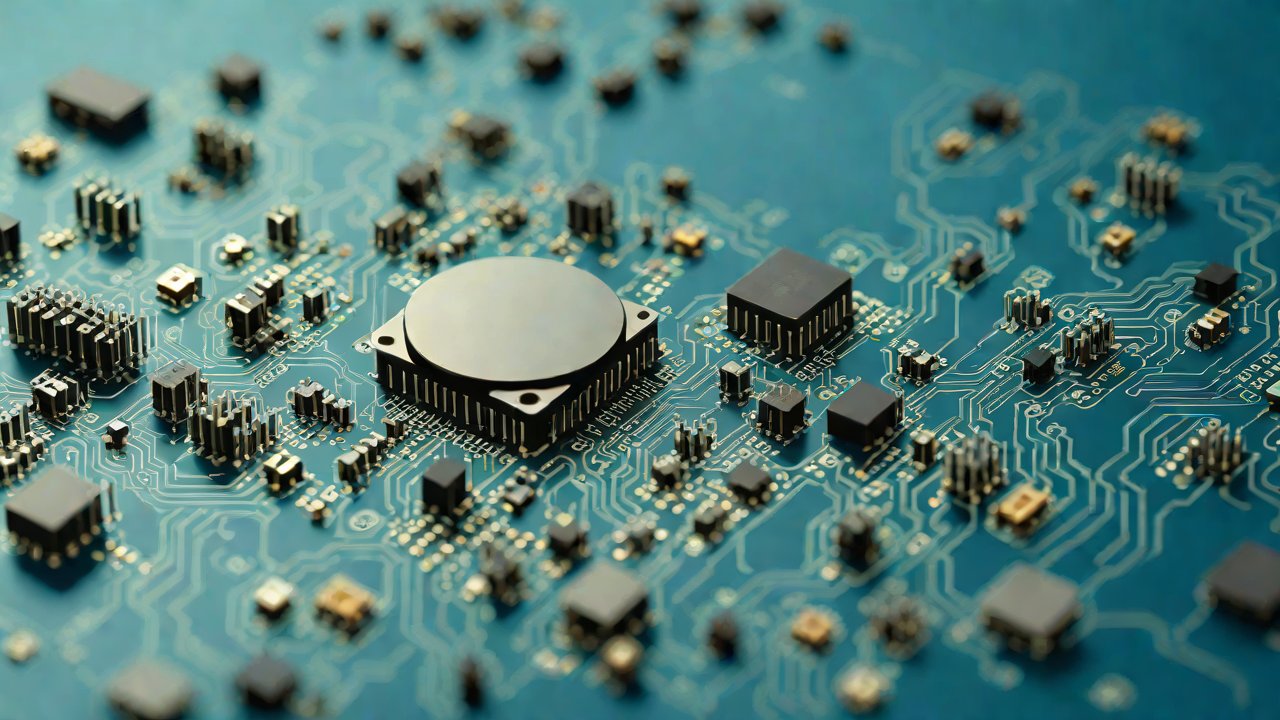
5. Solution Architecture
To address the challenges mentioned earlier, a custom solution architecture can be designed:
- Hybrid Approach: Combining software-based AES-CCM with hardware acceleration for high-performance operations.
- Dynamic Resource Allocation: Adjusting resource allocation based on real-time system requirements.
Solution Architecture Components:
| Component | Description |
|---|---|
| Hardware Accelerator | Specialized hardware for efficient encryption and decryption |
| Dynamic Resource Manager | Software component adjusting resource allocation in real-time |
6. Implementation Considerations
When implementing AES-CCM on resource-constrained hardware, the following considerations should be taken into account:
- Platform-specific optimizations: Tailor the implementation to take advantage of specific platform features.
- Power management: Implement power-saving techniques to minimize energy consumption.
Implementation Roadmap:
| Phase | Description |
|---|---|
| Requirements Gathering | Define project scope, identify platform constraints |
| Design and Prototyping | Develop custom solution architecture, implement hybrid approach |
7. Conclusion
Implementing AES-CCM on resource-constrained hardware poses significant challenges due to the protocol’s computational demands and memory requirements. However, leveraging AIGC techniques like optimization and hardware acceleration can enhance efficiency. By understanding market trends and developing a custom solution architecture, developers can effectively implement end-to-end encryption in IoT applications.
8. Future Work
Future research directions include:
- Advanced Optimization Techniques: Investigating novel algorithms for further reducing computational overhead.
- Hardware Customization: Exploring the possibility of designing specialized hardware accelerators for AES-CCM operations.
By addressing these challenges and staying abreast of emerging technologies, we can ensure that end-to-end encryption remains a reliable safeguard against data breaches in IoT applications.
IOT Cloud Platform
IOT Cloud Platform is an IoT portal established by a Chinese IoT company, focusing on technical solutions in the fields of agricultural IoT, industrial IoT, medical IoT, security IoT, military IoT, meteorological IoT, consumer IoT, automotive IoT, commercial IoT, infrastructure IoT, smart warehousing and logistics, smart home, smart city, smart healthcare, smart lighting, etc.
The IoT Cloud Platform blog is a top IoT technology stack, providing technical knowledge on IoT, robotics, artificial intelligence (generative artificial intelligence AIGC), edge computing, AR/VR, cloud computing, quantum computing, blockchain, smart surveillance cameras, drones, RFID tags, gateways, GPS, 3D printing, 4D printing, autonomous driving, etc.
Note: This article was professionally generated with the assistance of AIGC and has been fact-checked and manually corrected by IoT expert editor IoTCloudPlatForm.