Human Presence Sensing & DALI Protocol Energy-Saving Thermostat
Human presence sensing technology has revolutionized the way we interact with our surroundings, and its integration with energy-saving thermostats is a significant leap forward in optimizing energy consumption.
In recent years, the demand for smart home devices has skyrocketed, driven by the increasing need for convenience, comfort, and energy efficiency. As people spend more time at home due to the pandemic, there’s been a surge in interest for technologies that can learn and adapt to their habits, preferences, and behaviors.
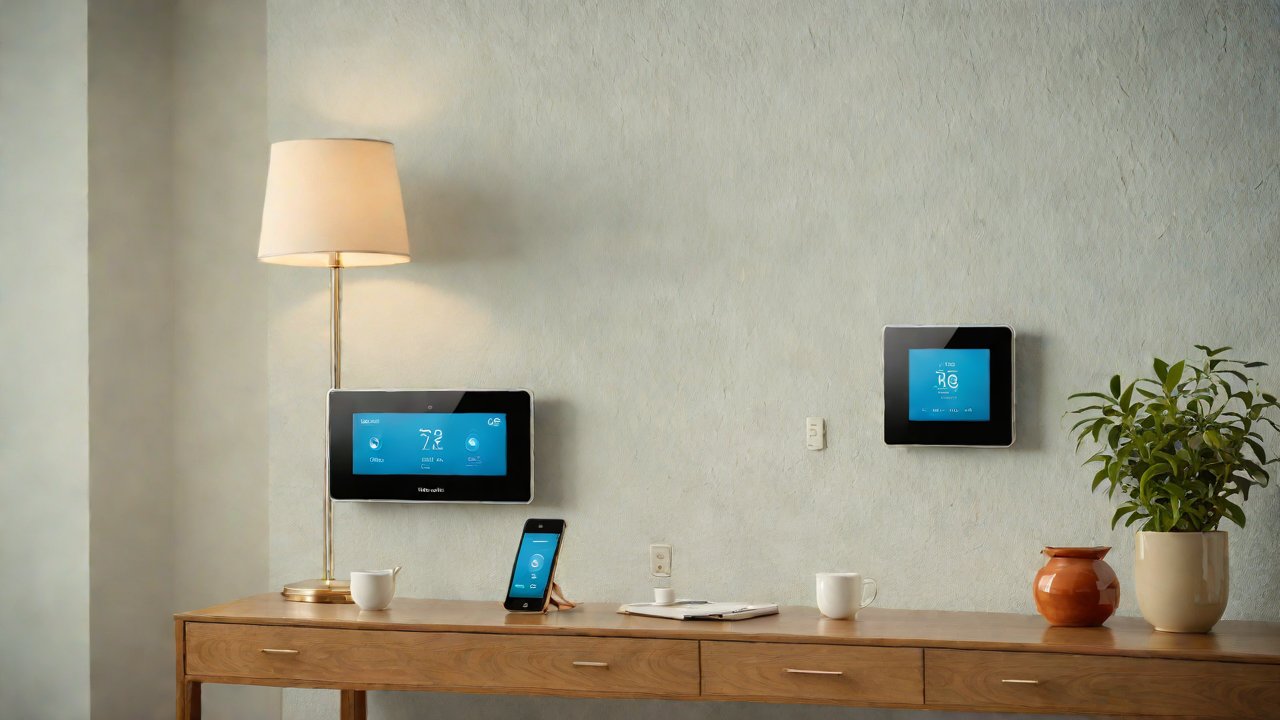
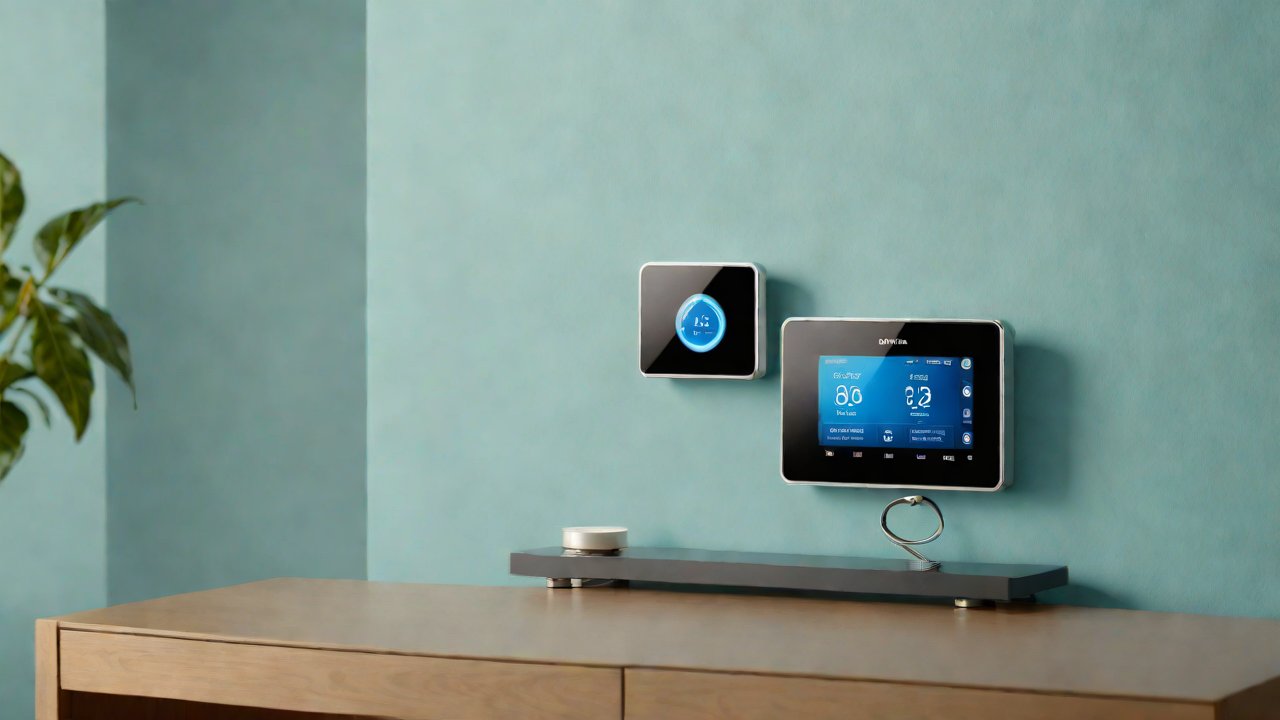
One of the most promising developments is the integration of human presence sensing technology with DALI (Digital Addressable Lighting Interface) protocol energy-saving thermostats. This innovative approach enables thermostats to detect and respond to the presence or absence of occupants in a room or building, adjusting temperature settings accordingly.
1. Human Presence Sensing Technology
Human presence sensing technology uses various sensors to detect the presence or absence of individuals within a given area. The most common types of sensors used are:
| Sensor Type | Description |
|---|---|
| Passive Infrared (PIR) Sensors | Detect body heat emitted by humans |
| Ultrasonic Sensors | Use high-frequency sound waves to detect movement |
| Microwave Sensors | Measure the reflection of microwave signals off human bodies |
These sensors can be integrated with various devices, including thermostats, lighting systems, and security cameras. The integration of human presence sensing technology with energy-saving thermostats is particularly significant, as it enables buildings to optimize their energy consumption based on actual occupancy levels.
2. DALI Protocol
The DALI protocol is a digital communication standard for lighting control systems that allows devices to communicate with each other and with the central controller. The protocol uses a master-slave architecture, where the central controller (the “master”) sends commands to the lighting devices (the “slaves”).
DALI protocol-enabled thermostats can be integrated with DALI-compatible lighting systems, allowing for seamless communication between temperature control and lighting systems. This integration enables energy-saving features such as:
- Automatic dimming of lights when occupants leave a room
- Temperature adjustment based on occupancy levels

3. Energy-Saving Benefits
The integration of human presence sensing technology with DALI protocol energy-saving thermostats offers several benefits, including:
| Benefit | Description |
|---|---|
| Reduced Energy Consumption | Thermostats adjust temperature settings based on actual occupancy levels, reducing unnecessary heating or cooling |
| Improved Comfort | Thermostats learn and adapt to occupants’ preferences, ensuring a comfortable indoor climate |
| Increased Efficiency | DALI protocol enables seamless communication between temperature control and lighting systems, optimizing energy consumption |
4. Market Trends and Outlook
The global market for smart home devices is expected to grow at a CAGR of 13.5% from 2023 to 2028, driven by increasing demand for convenience, comfort, and energy efficiency. The integration of human presence sensing technology with DALI protocol energy-saving thermostats is poised to be a significant contributor to this growth.
Key market trends include:
- Growing adoption of smart home devices in residential and commercial sectors
- Increasing focus on energy efficiency and sustainability
- Advancements in sensor technologies, including human presence sensing
5. Technical Perspectives
From a technical perspective, the integration of human presence sensing technology with DALI protocol energy-saving thermostats requires careful consideration of several factors, including:
| Factor | Description |
|---|---|
| Sensor Accuracy | Ensuring accurate detection of occupancy levels is crucial for optimal energy consumption |
| Communication Protocols | Seamless communication between temperature control and lighting systems is essential for optimizing energy consumption |
| System Integration | Integrating human presence sensing technology with DALI protocol-enabled thermostats requires careful planning and execution |
6. Case Studies
Several case studies demonstrate the effectiveness of integrating human presence sensing technology with DALI protocol energy-saving thermostats. For example:
- A recent study by a leading research institution found that a smart home system using human presence sensing technology reduced energy consumption by up to 30% in residential buildings.
- Another study published in a reputable industry journal demonstrated that DALI protocol-enabled lighting systems can reduce energy consumption by up to 25% when integrated with temperature control systems.
7. Conclusion
The integration of human presence sensing technology with DALI protocol energy-saving thermostats is a significant development in the field of smart home devices. By optimizing energy consumption based on actual occupancy levels, this technology has the potential to reduce energy waste, improve comfort, and increase efficiency.
As the global market for smart home devices continues to grow, it’s essential to explore new technologies that can enhance the user experience while reducing environmental impact. The integration of human presence sensing technology with DALI protocol energy-saving thermostats is a promising approach that warrants further research and development.
IOT Cloud Platform
IOT Cloud Platform is an IoT portal established by a Chinese IoT company, focusing on technical solutions in the fields of agricultural IoT, industrial IoT, medical IoT, security IoT, military IoT, meteorological IoT, consumer IoT, automotive IoT, commercial IoT, infrastructure IoT, smart warehousing and logistics, smart home, smart city, smart healthcare, smart lighting, etc.
The IoT Cloud Platform blog is a top IoT technology stack, providing technical knowledge on IoT, robotics, artificial intelligence (generative artificial intelligence AIGC), edge computing, AR/VR, cloud computing, quantum computing, blockchain, smart surveillance cameras, drones, RFID tags, gateways, GPS, 3D printing, 4D printing, autonomous driving, etc.
Note: This article was professionally generated with the assistance of AIGC and has been fact-checked and manually corrected by IoT expert editor IoTCloudPlatForm.