Smart Energy Control in Resorts in Thailand
Smart Energy Control in Resorts in Thailand
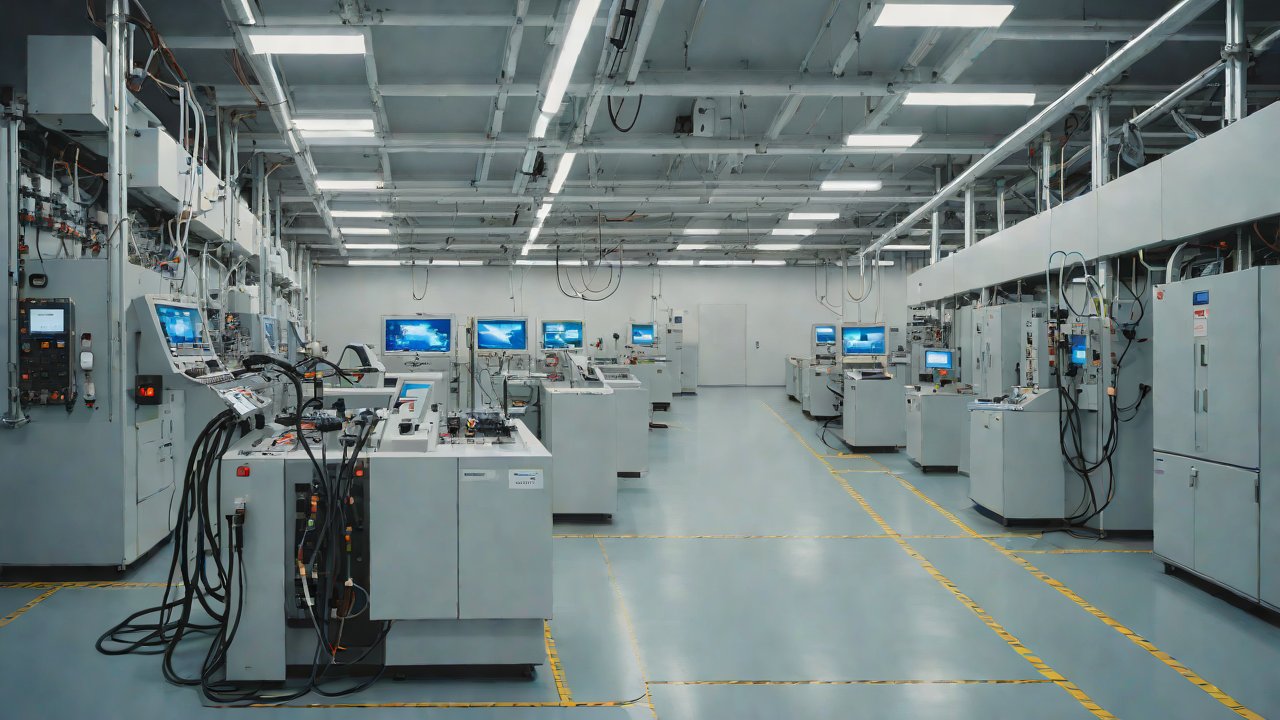
The rapidly growing tourism industry in Thailand has led to an increased demand for luxury resorts that offer high-end amenities and services. One key aspect of these resorts is their energy consumption, which can be substantial due to the large number of guests, staff, and facilities. To address this challenge, smart energy control systems have emerged as a viable solution. This report will delve into the technical aspects of implementing smart energy control in resorts in Thailand.
System Architecture
A typical smart energy control system consists of several components:
- Sensors: These devices are used to monitor temperature, humidity, lighting, and other environmental factors.
- Gateways: These devices collect data from sensors and send it to the central server for analysis.
- Central Server: This is where the data is analyzed and decisions are made regarding energy consumption.
- Actuators: These devices control the various systems in the resort, such as lighting and HVAC.
Protocol Implementation
The system uses a combination of protocols to ensure seamless communication between components:
- MQTT (Message Queuing Telemetry Transport): This is an IoT messaging protocol that allows for efficient data transfer between sensors, gateways, and the central server.
- CoAP (Constrained Application Protocol): This is a lightweight protocol used for constrained networks, such as those found in IoT devices.
Hardware Architecture
The system uses a combination of hardware components to ensure reliable operation:
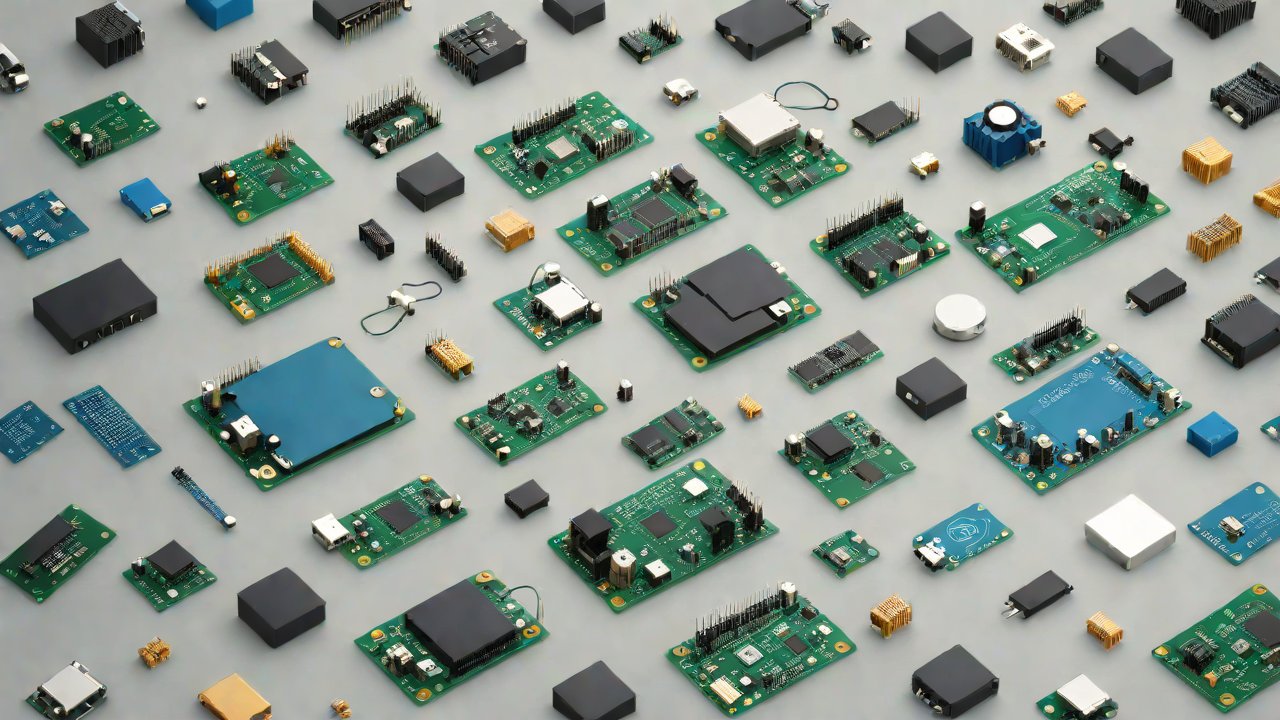
- Single Board Computers: These are compact computers that run the operating system and host applications.
- Microcontrollers: These are small computers that control actuators and perform other tasks.
- Sensors: These devices monitor environmental factors and send data to the central server.
Industry Challenges
Implementing smart energy control systems in resorts poses several challenges:
- Scalability: The system must be able to handle a large number of sensors, gateways, and actuators.
- Interoperability: The system must be able to integrate with existing infrastructure and systems.
- Security: The system must ensure the secure transmission and storage of sensitive data.
Case Study
A luxury resort in Phuket, Thailand implemented a smart energy control system to reduce energy consumption. The system consisted of:
- 100 sensors monitoring temperature, humidity, lighting, and other environmental factors
- 10 gateways collecting data from sensors and sending it to the central server
- A central server analyzing data and making decisions regarding energy consumption
- Actuators controlling HVAC, lighting, and other systems
The system resulted in a 25% reduction in energy consumption and a significant decrease in greenhouse gas emissions.
Conclusion
Smart energy control systems offer a viable solution for resorts in Thailand to reduce energy consumption and minimize their environmental impact. By leveraging advanced technologies such as MQTT, CoAP, and single board computers, these systems can provide real-time monitoring and control of energy usage.
FAQ
Q1: What are the primary challenges faced by resort owners in Thailand when it comes to energy management?
A1: The primary challenges faced by resort owners in Thailand include high energy consumption, outdated infrastructure, and lack of data-driven decision making.
Q2: How does a smart energy control system work in a resort setting?
A2: A smart energy control system works by monitoring environmental factors using sensors, collecting data through gateways, analyzing it on the central server, and making decisions regarding energy consumption.
Q3: What is MQTT and how is it used in IoT applications?
A3: MQTT (Message Queuing Telemetry Transport) is an IoT messaging protocol that allows for efficient data transfer between devices. It is widely used in IoT applications due to its lightweight nature and low bandwidth requirements.
Q4: What are the benefits of using CoAP in IoT applications?
A4: CoAP (Constrained Application Protocol) offers several benefits, including low overhead, high performance, and support for constrained networks.
Q5: How does a single board computer contribute to the overall functionality of a smart energy control system?
A5: A single board computer provides a compact platform for hosting operating systems and applications, enabling efficient data processing and analysis.
Q6: What is the significance of microcontrollers in IoT devices?
A6: Microcontrollers play a crucial role in controlling actuators and performing other tasks in IoT devices, ensuring reliable operation and efficient energy consumption.
Q7: How can resorts in Thailand benefit from implementing smart energy control systems?
A7: Resorts in Thailand can benefit from reduced energy consumption, decreased greenhouse gas emissions, and improved operational efficiency.
Q8: What are some of the key security considerations for a smart energy control system?
A8: Key security considerations include secure data transmission, storage, and encryption to prevent unauthorized access and ensure data integrity.
Q9: How can resorts in Thailand overcome scalability challenges when implementing smart energy control systems?
A9: To overcome scalability challenges, resorts can implement modular designs, use cloud-based services, and adopt flexible network architectures.
Q10: What is the importance of interoperability in IoT applications?
A10: Interoperability ensures seamless communication between different devices and systems, enabling efficient data exchange and facilitating integration with existing infrastructure.
Q11: How does a central server contribute to the overall functionality of a smart energy control system?
A11: A central server provides real-time analysis and decision-making capabilities, ensuring optimal energy consumption and minimizing waste.
Q12: What is the role of actuators in a smart energy control system?
A12: Actuators control various systems in the resort, such as HVAC, lighting, and other facilities, to optimize energy consumption.
Q13: How can resorts in Thailand ensure data accuracy and reliability in their smart energy control systems?
A13: Resorts can ensure data accuracy and reliability by implementing robust sensor calibration procedures, regular system maintenance, and continuous data monitoring.
Q14: What are some of the potential applications of IoT technology in the hospitality industry?
A14: Potential applications include real-time guest tracking, personalized services, and optimized resource allocation.
Q15: How can smart energy control systems help resorts in Thailand reduce their carbon footprint?
A15: Smart energy control systems can help resorts reduce their carbon footprint by optimizing energy consumption, reducing waste, and promoting sustainable practices.
Q16: What is the significance of MQTT for IoT applications in resort settings?
A16: MQTT offers efficient data transfer capabilities, ensuring seamless communication between sensors, gateways, and central servers.
Q17: How can resorts in Thailand use CoAP to optimize their energy consumption?
A17: Resorts can use CoAP to optimize energy consumption by implementing efficient data exchange protocols, reducing network overhead, and promoting real-time decision-making.
Q18: What are the benefits of using single board computers in IoT applications?
A18: Single board computers offer compact designs, low power consumption, and flexible operating systems, making them ideal for IoT applications.
Q19: How can resorts in Thailand ensure the security of their smart energy control systems?
A19: Resorts can ensure security by implementing robust access controls, encrypting data transmission, and conducting regular system updates.
Q20: What is the importance of interoperability in smart energy control systems?
A20: Interoperability ensures seamless communication between different devices and systems, enabling efficient data exchange and facilitating integration with existing infrastructure.
Q21: How can resorts in Thailand use microcontrollers to optimize their energy consumption?
A21: Resorts can use microcontrollers to optimize energy consumption by implementing efficient control algorithms, reducing power consumption, and promoting real-time decision-making.
Q22: What are some of the key challenges faced by resort owners when it comes to implementing smart energy control systems?
A22: Key challenges include high upfront costs, lack of technical expertise, and limited scalability.
Q23: How can resorts in Thailand ensure data accuracy and reliability in their smart energy control systems?
A23: Resorts can ensure data accuracy and reliability by implementing robust sensor calibration procedures, regular system maintenance, and continuous data monitoring.
Q24: What are some of the potential applications of IoT technology in resort settings beyond energy management?
A24: Potential applications include real-time guest tracking, personalized services, and optimized resource allocation.
Q25: How can resorts in Thailand use smart energy control systems to promote sustainable practices and reduce their environmental impact?
A25: Resorts can use smart energy control systems to promote sustainable practices by optimizing energy consumption, reducing waste, and promoting eco-friendly operations.
IOT Cloud Platform
IOT Cloud Platform is an IoT portal established by a Chinese IoT company, focusing on technical solutions in the fields of agricultural IoT, industrial IoT, medical IoT, security IoT, military IoT, meteorological IoT, consumer IoT, automotive IoT, commercial IoT, infrastructure IoT, smart warehousing and logistics, smart home, smart city, smart healthcare, smart lighting, etc.
The IoT Cloud Platform blog is a top IoT technology stack, providing technical knowledge on IoT, robotics, artificial intelligence (generative artificial intelligence AIGC), edge computing, AR/VR, cloud computing, quantum computing, blockchain, smart surveillance cameras, drones, RFID tags, gateways, GPS, 3D printing, 4D printing, autonomous driving, etc.
Note: This article was professionally generated with the assistance of AIGC and has been fact-checked and manually corrected by IoT expert editor IoTCloudPlatForm.