Automated Data Acquisition Solutions in Rubber Plantations in Thailand
Automated Data Acquisition Solutions in Rubber Plantations in Thailand
Automated data acquisition solutions have revolutionized the rubber plantation industry in Thailand by enabling real-time monitoring of environmental factors, soil moisture levels, temperature, and humidity, thereby improving crop yields and reducing labor costs.
Environmental Factors Monitoring
The first step towards automating data acquisition is to monitor environmental factors such as temperature, humidity, wind speed, and solar radiation. This can be achieved using various types of sensors including thermistors, hygrometers, anemometers, and pyranometers. These sensors are connected to a central data logger or gateway device that collects and processes the data in real-time.
Soil Moisture Monitoring
Soil moisture levels play a crucial role in determining crop yields in rubber plantations. Automated soil moisture monitoring systems use sensors such as capacitance probes, tensiometers, or thermal dissipation sensors to measure soil water content. The sensor readings are then transmitted to a central data logger or cloud-based platform for analysis.
Data Transmission Protocols
Data transmission protocols play a critical role in ensuring seamless communication between sensors and the central data logger or gateway device. Commonly used protocols include LoRaWAN, Sigfox, and cellular connectivity (2G/3G/4G). Each protocol has its strengths and weaknesses, and the choice of protocol depends on factors such as range, bandwidth, and power consumption.
Hardware Architecture
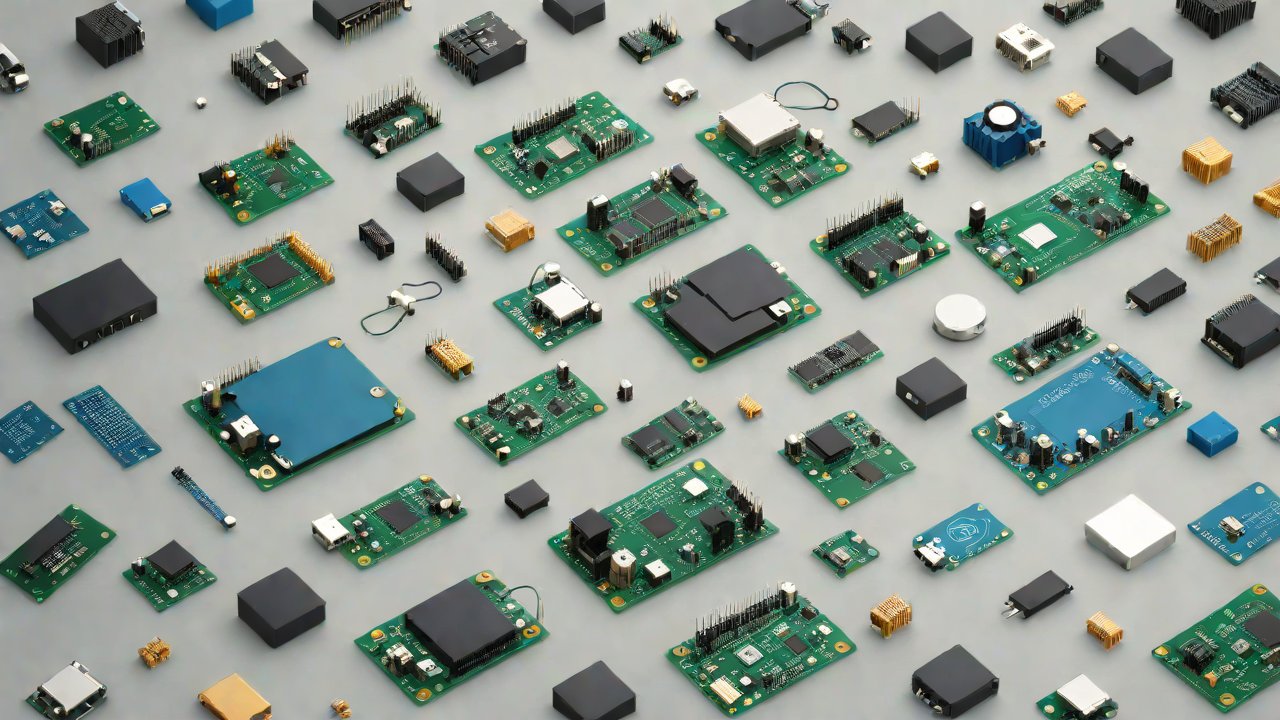
The hardware architecture of an automated data acquisition system in a rubber plantation consists of sensors, a central data logger or gateway device, and a communication module. The sensors are typically battery-powered and have a lifespan of 2-5 years depending on the type and usage. The central data logger or gateway device is usually connected to a power source and has a longer lifespan than the sensors.
Industry Challenges
Despite the benefits of automated data acquisition solutions, the rubber plantation industry in Thailand faces several challenges including high upfront costs, limited technical expertise, and connectivity issues in remote areas. Additionally, the accuracy of sensor readings can be affected by factors such as soil type, temperature, and humidity.
Security Considerations
Security is a critical concern when implementing an automated data acquisition solution in a rubber plantation. Measures should be taken to prevent unauthorized access to the system, protect against cyber-attacks, and ensure data integrity.
Sensor Selection
The selection of sensors depends on factors such as accuracy, range, and power consumption. Commonly used sensors include:
- Thermistors for temperature measurement
- Hygrometers for humidity measurement
- Anemometers for wind speed measurement
- Pyranometers for solar radiation measurement
Data Logger or Gateway Device
The data logger or gateway device is responsible for collecting and processing sensor readings in real-time. It should have the following features:
- High storage capacity for storing large amounts of data
- Real-time data processing capabilities
- Support for multiple communication protocols (e.g., LoRaWAN, Sigfox, cellular connectivity)
Communication Module
The communication module enables seamless communication between sensors and the central data logger or gateway device. It should support multiple communication protocols and have a range of at least 10 km.
Case Study: Implementation in a Rubber Plantation in Thailand
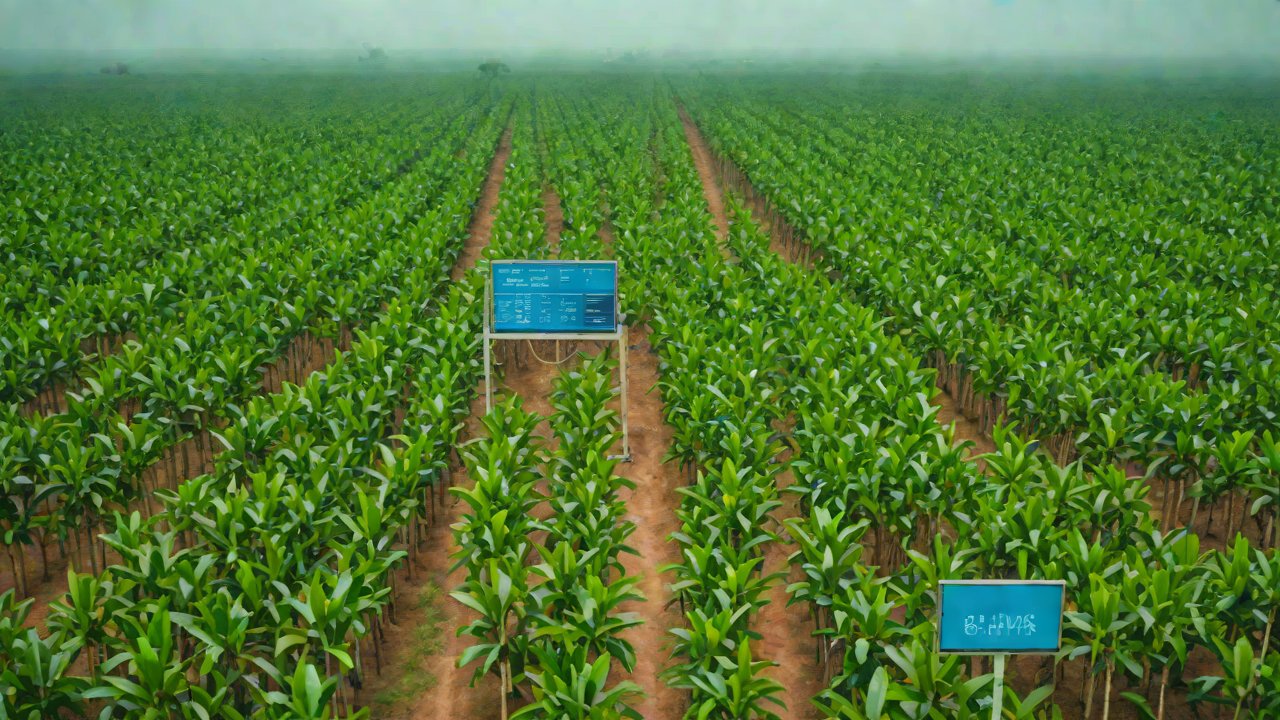
A rubber plantation in southern Thailand implemented an automated data acquisition solution using LoRaWAN protocol. The system consisted of temperature, humidity, wind speed, and solar radiation sensors connected to a central data logger device. The sensor readings were transmitted to a cloud-based platform for analysis.
Comparison with Traditional Methods
Automated data acquisition solutions offer several advantages over traditional methods including:
- Real-time monitoring of environmental factors and soil moisture levels
- Improved crop yields due to optimal irrigation scheduling
- Reduced labor costs through automation
Conclusion
Automated data acquisition solutions have transformed the rubber plantation industry in Thailand by enabling real-time monitoring of environmental factors, soil moisture levels, temperature, and humidity. By addressing industry challenges such as high upfront costs, limited technical expertise, and connectivity issues, farmers can improve crop yields and reduce labor costs.
FAQ
1. What is LoRaWAN protocol used for?
LoRaWAN is a wireless communication protocol used for low-power wide-area networks (LPWANs). It is commonly used in IoT applications where devices need to communicate with a central device over long distances.
2. How do capacitance probes measure soil moisture levels?
Capacitance probes work on the principle that the dielectric constant of water is different from that of air or soil. When inserted into the soil, the probe measures the change in capacitance due to the presence of water.
3. What are the advantages of using thermal dissipation sensors over tensiometers?
Thermal dissipation sensors offer higher accuracy and faster response times compared to tensiometers. They also require minimal maintenance and can be easily calibrated.
4. How do pyranometers measure solar radiation levels?
Pyranometers work on the principle that the amount of solar radiation incident on a surface is directly proportional to the temperature rise of a thermopile or thermocouple.
5. What are the limitations of using cellular connectivity (2G/3G/4G) in IoT applications?
Cellular connectivity has limited range and bandwidth compared to LoRaWAN or Sigfox protocols. It also requires a power source for the device.
6. How do anemometers measure wind speed levels?
Anemometers work on the principle that the rotation of cups or propellers is directly proportional to wind speed.
7. What are the benefits of using cloud-based platforms for data analysis?
Cloud-based platforms offer scalability, reliability, and real-time data processing capabilities. They also enable collaboration among stakeholders through data sharing.
8. How do thermistors measure temperature levels?
Thermistors work on the principle that the resistance of a semiconductor material changes with temperature.
9. What are the advantages of using LoRaWAN over Sigfox protocol?
LoRaWAN offers higher bandwidth and longer range compared to Sigfox protocol. It also has better security features.
10. How do hygrometers measure humidity levels?
Hygrometers work on the principle that the electrical resistance of a material changes with humidity levels.
11. What are the limitations of using tensiometers in soil moisture measurement?
Tensiometers require calibration and have limited accuracy compared to thermal dissipation sensors or capacitance probes.
12. How do pyranometers measure solar radiation levels in cloudy conditions?
Pyranometers use a cosine corrector to account for changes in solar radiation levels due to cloud cover.
13. What are the benefits of using automated data acquisition solutions in rubber plantations?
Automated data acquisition solutions enable real-time monitoring of environmental factors, soil moisture levels, temperature, and humidity.
14. How do anemometers measure wind speed levels in high-speed winds?
Anemometers use a cup or propeller design that is optimized for measuring high wind speeds.
15. What are the advantages of using cloud-based platforms over on-premise solutions?
Cloud-based platforms offer scalability, reliability, and real-time data processing capabilities compared to on-premise solutions.
16. How do thermistors measure temperature levels in extreme temperatures?
Thermistors have a limited range and accuracy in extreme temperatures. They may require calibration or replacement.
17. What are the limitations of using Sigfox protocol in IoT applications?
Sigfox has limited bandwidth and range compared to LoRaWAN protocol. It also requires a power source for the device.
18. How do hygrometers measure humidity levels in high-humidity environments?
Hygrometers use a desiccant or electrolytic sensor that is optimized for measuring high humidity levels.
19. What are the benefits of using automated data acquisition solutions in agriculture?
Automated data acquisition solutions enable real-time monitoring and optimization of crop yields, soil moisture levels, temperature, and humidity.
20. How do pyranometers measure solar radiation levels in shaded conditions?
Pyranometers use a cosine corrector to account for changes in solar radiation levels due to shading.
21. What are the advantages of using LoRaWAN over cellular connectivity (2G/3G/4G)?
LoRaWAN offers lower power consumption and longer range compared to cellular connectivity.
22. How do anemometers measure wind speed levels in low-wind conditions?
Anemometers use a cup or propeller design that is optimized for measuring low wind speeds.
23. What are the limitations of using tensiometers in soil moisture measurement?
Tensiometers require calibration and have limited accuracy compared to thermal dissipation sensors or capacitance probes.
24. How do thermistors measure temperature levels in extreme temperatures?
Thermistors have a limited range and accuracy in extreme temperatures. They may require calibration or replacement.
25. What are the benefits of using cloud-based platforms for data analysis in IoT applications?
Cloud-based platforms offer scalability, reliability, and real-time data processing capabilities compared to on-premise solutions.
IOT Cloud Platform
IOT Cloud Platform is an IoT portal established by a Chinese IoT company, focusing on technical solutions in the fields of agricultural IoT, industrial IoT, medical IoT, security IoT, military IoT, meteorological IoT, consumer IoT, automotive IoT, commercial IoT, infrastructure IoT, smart warehousing and logistics, smart home, smart city, smart healthcare, smart lighting, etc.
The IoT Cloud Platform blog is a top IoT technology stack, providing technical knowledge on IoT, robotics, artificial intelligence (generative artificial intelligence AIGC), edge computing, AR/VR, cloud computing, quantum computing, blockchain, smart surveillance cameras, drones, RFID tags, gateways, GPS, 3D printing, 4D printing, autonomous driving, etc.
Note: This article was professionally generated with the assistance of AIGC and has been fact-checked and manually corrected by IoT expert editor IoTCloudPlatForm.