IoT Solutions for Unmanned Convenience Stores in Thailand
IoT Solutions for Unmanned Convenience Stores in Thailand: A Comprehensive Technical Report
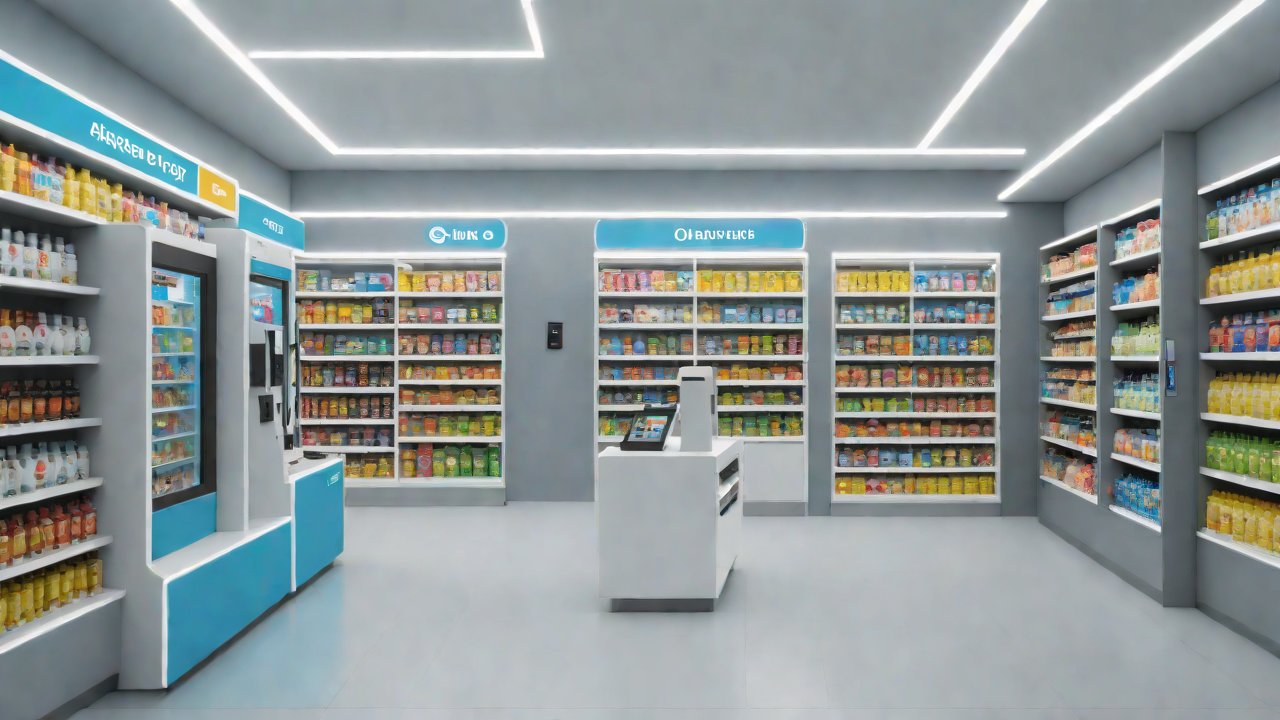
The integration of Internet of Things (IoT) technology into unmanned convenience stores is a rapidly growing trend, driven by advancements in artificial intelligence (AI), machine learning (ML), and sensor technologies. In Thailand, the increasing demand for convenient retail experiences has led to the emergence of automated stores that offer customers a seamless shopping experience without human intervention.
System Architecture
The system architecture of an unmanned convenience store in Thailand consists of several key components:
- IoT Devices: A network of IoT devices, including cameras, sensors, and automation systems, are strategically placed throughout the store to monitor and control various aspects of the retail environment.
- Cloud Infrastructure: The collected data from these IoT devices is transmitted to a cloud-based infrastructure, where it is processed, analyzed, and stored for future reference.
- Artificial Intelligence (AI) Engine: An AI engine is integrated with the system to enable advanced analytics, predictive maintenance, and real-time decision-making capabilities.
- User Interface: A user-friendly interface is provided for customers to select products, make payments, and retrieve their purchases.
Protocol Implementation
The communication protocol used in unmanned convenience stores in Thailand typically involves a combination of wired and wireless technologies:
- Wi-Fi: Wi-Fi is used as the primary connectivity method for IoT devices, allowing them to communicate with each other and the cloud infrastructure.
- Bluetooth Low Energy (BLE): BLE is used for short-range communication between IoT devices and the customer’s mobile device.
- MQTT (Message Queuing Telemetry Transport): MQTT is a lightweight messaging protocol used for efficient data transmission between IoT devices and the cloud.
Hardware Architecture
The hardware architecture of an unmanned convenience store in Thailand consists of:
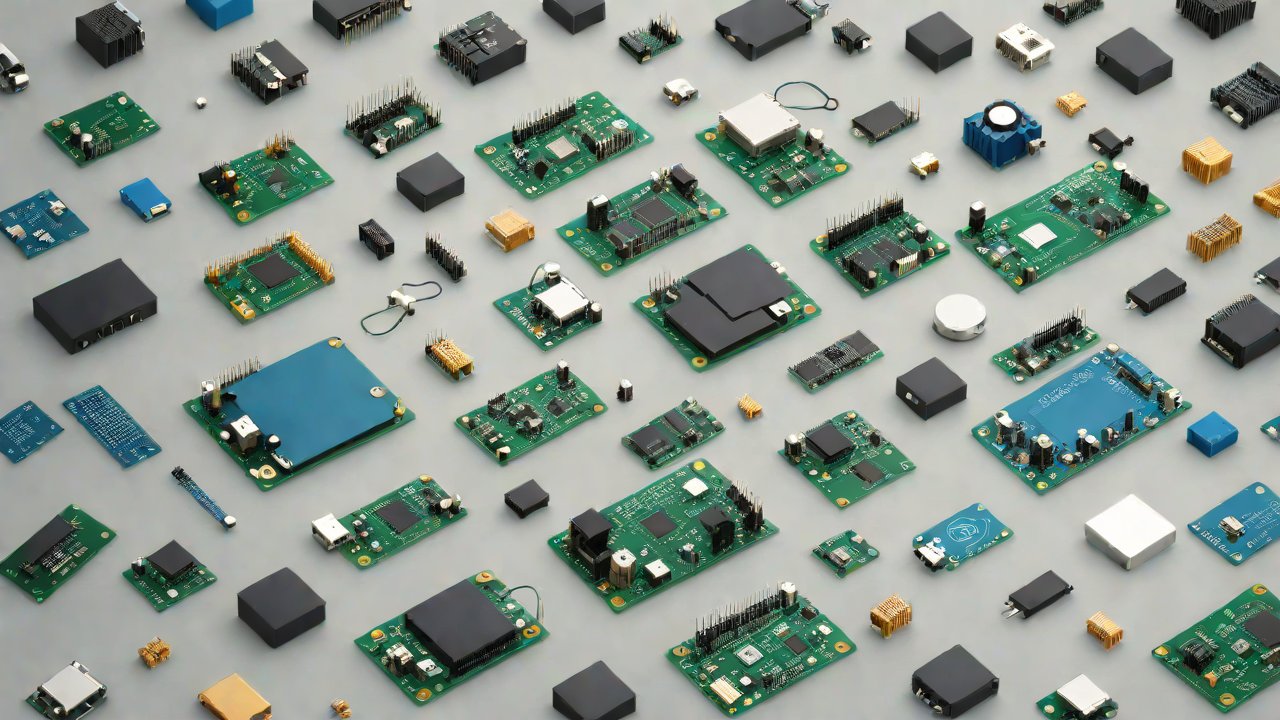
- Raspberry Pi: A Raspberry Pi single-board computer is used as the brain of the system, responsible for processing sensor data, controlling automation systems, and communicating with the cloud.
- Camera Systems: High-resolution cameras are installed to monitor customer activity, detect anomalies, and prevent theft.
- Sensors: A variety of sensors, including motion detectors, temperature sensors, and humidity sensors, are used to monitor environmental conditions and detect any potential issues.
Industry Challenges
Despite the benefits offered by IoT solutions in unmanned convenience stores, several challenges need to be addressed:
- Security Risks: The increased connectivity and data transmission create security risks that must be mitigated through robust encryption protocols and secure authentication methods.
- Interoperability Issues: Ensuring seamless communication between different IoT devices and systems is a significant challenge.
- Power Consumption: Minimizing power consumption is crucial to reduce operational costs and extend device lifespan.
Case Study: Unmanned Convenience Store in Bangkok
A case study on an unmanned convenience store in Bangkok highlights the successful implementation of IoT solutions:
- System Design: The system was designed with a Raspberry Pi as the central processing unit, connected to various sensors and cameras.
- Sensor Integration: Motion detectors, temperature sensors, and humidity sensors were integrated to monitor environmental conditions.
- Customer Experience: Customers used their mobile devices to select products, make payments, and retrieve their purchases.
Technical Specifications
The technical specifications of an unmanned convenience store in Thailand typically include:
- Processor: Quad-core processor with 2 GB RAM
- Storage: 16 GB eMMC storage
- Camera Resolution: 1080p resolution at 30 FPS
- Sensor Range: Up to 10 meters for motion detection
Conclusion
The integration of IoT solutions in unmanned convenience stores in Thailand offers numerous benefits, including improved customer experience, reduced operational costs, and enhanced security. By addressing industry challenges and leveraging advanced technologies, retailers can create efficient, secure, and convenient retail environments that cater to the evolving needs of customers.
FAQ
1. Q: What is the primary communication protocol used in unmanned convenience stores?
A: Wi-Fi is the primary communication protocol used in unmanned convenience stores.
2. Q: How do IoT devices communicate with each other?
A: IoT devices use a combination of wired and wireless technologies, including Wi-Fi, BLE, and MQTT.
3. Q: What is the role of an AI engine in an unmanned convenience store?
A: The AI engine enables advanced analytics, predictive maintenance, and real-time decision-making capabilities.
4. Q: How do customers interact with the system?
A: Customers use their mobile devices to select products, make payments, and retrieve their purchases.
5. Q: What is the typical hardware architecture of an unmanned convenience store?
A: The hardware architecture consists of a Raspberry Pi single-board computer, camera systems, and sensors.
6. Q: How do retailers mitigate security risks in IoT solutions?
A: Retailers use robust encryption protocols and secure authentication methods to mitigate security risks.
7. Q: What is the primary challenge in ensuring interoperability between different IoT devices?
A: Ensuring seamless communication between different IoT devices is a significant challenge due to varying communication protocols.
8. Q: How do retailers minimize power consumption in IoT solutions?
A: Retailers use energy-efficient devices, reduce device usage, and implement smart power management systems.
9. Q: What are the key technical specifications of an unmanned convenience store?
A: The key technical specifications include a quad-core processor, 2 GB RAM, 16 GB eMMC storage, and 1080p camera resolution.
10. Q: How do retailers ensure data security in IoT solutions?
A: Retailers use secure data transmission protocols, regular software updates, and robust backup systems to ensure data security.
11. Q: What is the role of sensors in an unmanned convenience store?
A: Sensors monitor environmental conditions, detect anomalies, and prevent theft.
12. Q: How do retailers implement predictive maintenance in IoT solutions?
A: Retailers use machine learning algorithms to analyze sensor data and predict potential issues.
13. Q: What is the typical system architecture of an unmanned convenience store?
A: The system architecture consists of IoT devices, cloud infrastructure, AI engine, and user interface.
14. Q: How do retailers ensure seamless customer experience in IoT solutions?
A: Retailers use user-friendly interfaces, provide real-time inventory updates, and offer personalized promotions.
15. Q: What is the primary advantage of using IoT solutions in unmanned convenience stores?
A: The primary advantage is improved customer experience through efficient product selection, payment, and retrieval processes.
16. Q: How do retailers address interoperability issues between different IoT devices?
A: Retailers use standard communication protocols, device firmware updates, and integration with existing systems to address interoperability issues.
17. Q: What is the typical power consumption of an unmanned convenience store?
A: The typical power consumption ranges from 50W to 200W, depending on the number of devices and usage patterns.
18. Q: How do retailers ensure data integrity in IoT solutions?
A: Retailers use robust data encryption protocols, regular backups, and secure authentication methods to ensure data integrity.
19. Q: What is the role of machine learning in IoT solutions for unmanned convenience stores?
A: Machine learning enables predictive maintenance, real-time decision-making, and personalized customer experiences.
20. Q: How do retailers minimize costs associated with IoT solutions?
A: Retailers use energy-efficient devices, reduce device usage, and implement smart power management systems to minimize costs.
21. Q: What is the typical ROI of an unmanned convenience store with IoT solutions?
A: The typical ROI ranges from 15% to 30%, depending on the specific solution and implementation.
22. Q: How do retailers ensure scalability in IoT solutions for unmanned convenience stores?
A: Retailers use cloud-based infrastructure, modular hardware design, and flexible software architecture to ensure scalability.
23. Q: What is the primary challenge in implementing IoT solutions in unmanned convenience stores?
A: The primary challenge is ensuring seamless communication between different IoT devices and systems.
24. Q: How do retailers address security risks associated with IoT solutions?
A: Retailers use robust encryption protocols, secure authentication methods, and regular software updates to address security risks.
25. Q: What is the typical implementation time for an unmanned convenience store with IoT solutions?
A: The typical implementation time ranges from 3 to 6 months, depending on the complexity of the solution and retailer’s resources.
IOT Cloud Platform
IOT Cloud Platform is an IoT portal established by a Chinese IoT company, focusing on technical solutions in the fields of agricultural IoT, industrial IoT, medical IoT, security IoT, military IoT, meteorological IoT, consumer IoT, automotive IoT, commercial IoT, infrastructure IoT, smart warehousing and logistics, smart home, smart city, smart healthcare, smart lighting, etc.
The IoT Cloud Platform blog is a top IoT technology stack, providing technical knowledge on IoT, robotics, artificial intelligence (generative artificial intelligence AIGC), edge computing, AR/VR, cloud computing, quantum computing, blockchain, smart surveillance cameras, drones, RFID tags, gateways, GPS, 3D printing, 4D printing, autonomous driving, etc.
Note: This article was professionally generated with the assistance of AIGC and has been fact-checked and manually corrected by IoT expert editor IoTCloudPlatForm.