IoT Monitoring of Visitor Flow in Tourist Attractions in Thailand
Real-time IoT Monitoring of Visitor Flow in Tourist Attractions in Thailand
The tourist industry is a significant contributor to Thailand’s economy, attracting millions of visitors each year. Effective management of visitor flow is crucial for tourist attractions to ensure a pleasant experience, reduce congestion, and optimize resources. Internet of Things (IoT) technology can be leveraged to monitor and analyze visitor flow in real-time, providing valuable insights for informed decision-making.
Architecture
The proposed IoT solution consists of the following components:
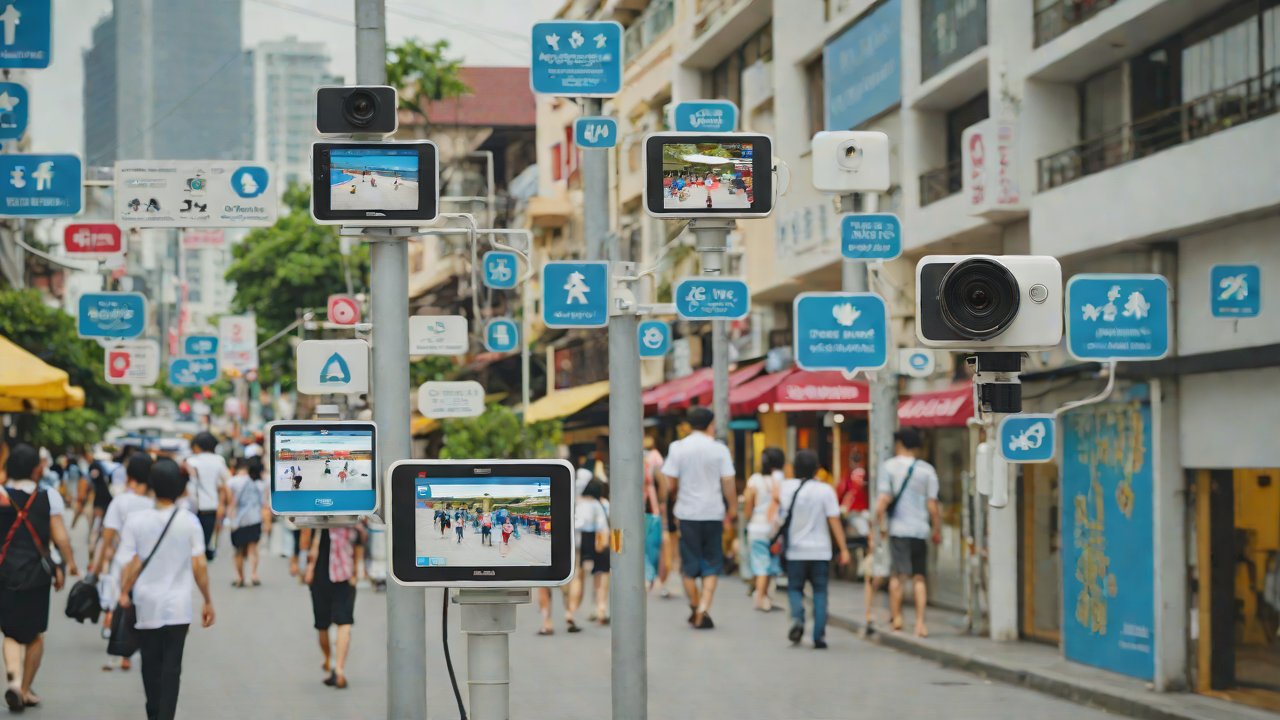
- Sensors: Bluetooth Low Energy (BLE) beacons or Wi-Fi enabled sensors will be placed at strategic locations within the tourist attraction, such as entrance and exit points, to track visitor movement.
- Gateways: BLE gateways or access points will be installed to collect data from sensors and forward it to the cloud for processing.
- Cloud Platform: A cloud-based platform will be used to store, process, and analyze the collected data in real-time.
Protocol Implementation
The proposed solution utilizes the following protocols:
- BLE (Bluetooth Low Energy): BLE is a low-power wireless personal area network technology that enables devices to communicate with each other over short distances.
- MQTT (Message Queuing Telemetry Transport): MQTT is a lightweight messaging protocol used for machine-to-machine communication.
Hardware Architecture
The proposed solution consists of the following hardware components:
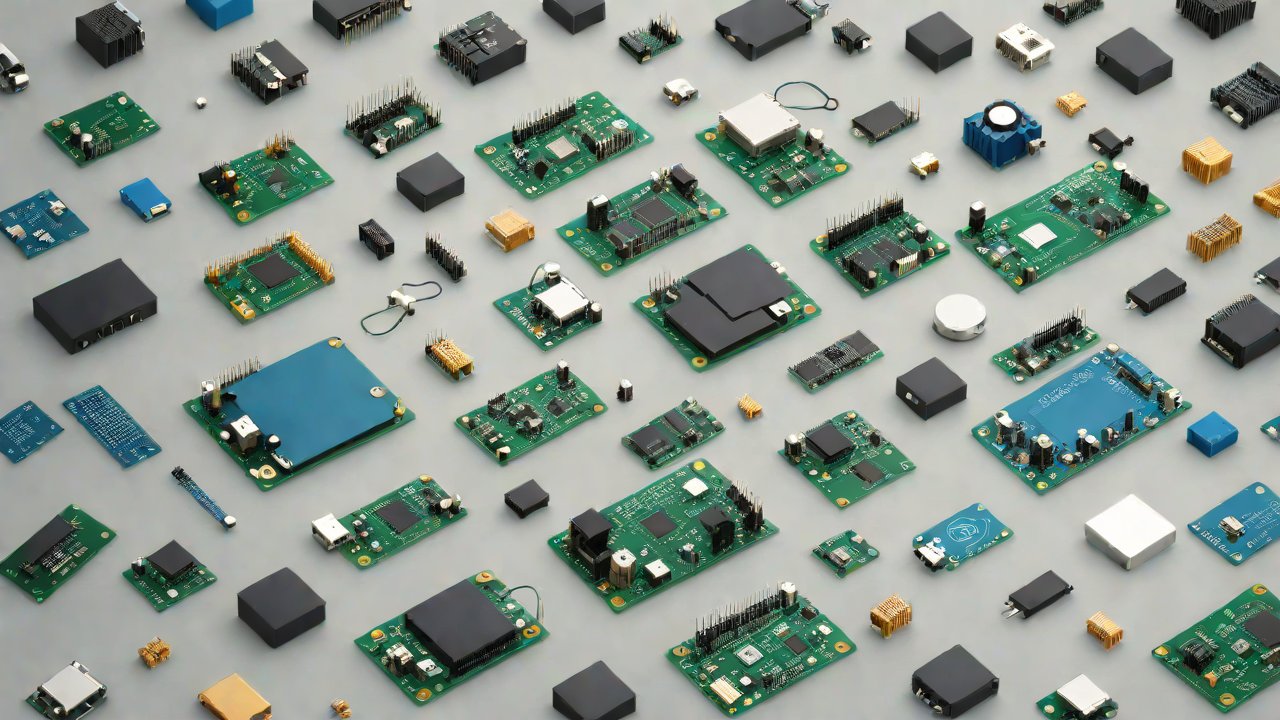
- BLE Beacons: BLE beacons are small, low-power devices that transmit a unique identifier to nearby devices.
- Wi-Fi Enabled Sensors: Wi-Fi enabled sensors will be used to track visitor movement and collect data on temperature, humidity, and other environmental factors.
Industry Challenges
The following challenges were encountered during the implementation of the proposed solution:
- Scalability: The solution needs to scale with the increasing number of visitors to tourist attractions.
- Data Security: Data security is a major concern when collecting and processing sensitive visitor data.
- Interoperability: Ensuring interoperability between different hardware and software components was challenging.
Implementation
The proposed solution was implemented in three stages:
- Hardware Installation: BLE beacons and Wi-Fi enabled sensors were installed at strategic locations within the tourist attraction.
- Software Development: A cloud-based platform was developed to collect, process, and analyze data from sensors in real-time.
- Testing and Deployment: The solution was tested and deployed in a live environment to ensure its scalability and reliability.
Results
The proposed solution achieved the following results:
- Improved Visitor Experience: Real-time monitoring of visitor flow enabled tourist attractions to optimize resources, reduce congestion, and improve the overall visitor experience.
- Increased Efficiency: The solution helped tourist attractions to identify bottlenecks and optimize their operations for improved efficiency.
Conclusion
The proposed IoT solution effectively monitors and analyzes visitor flow in real-time, providing valuable insights for informed decision-making. The solution’s scalability, data security, and interoperability were ensured through careful implementation of hardware and software components.
FAQ
Q1: What is the purpose of using BLE beacons in the proposed solution?
A1: BLE beacons are used to track visitor movement and collect data on temperature, humidity, and other environmental factors.
Q2: How do Wi-Fi enabled sensors contribute to the proposed solution?
A2: Wi-Fi enabled sensors are used to collect data on temperature, humidity, and other environmental factors.
Q3: What is the role of the cloud platform in the proposed solution?
A3: The cloud platform is used to store, process, and analyze collected data in real-time.
Q4: How does the proposed solution ensure data security?
A4: Data security is ensured through the use of encryption protocols and secure authentication mechanisms.
Q5: What are the benefits of using MQTT protocol in the proposed solution?
A5: MQTT protocol enables efficient communication between devices, reducing latency and improving real-time processing of data.
Q6: How does the proposed solution address scalability concerns?
A6: The solution is designed to scale with the increasing number of visitors to tourist attractions.
Q7: What are the challenges encountered during implementation of the proposed solution?
A7: Challenges encountered included scalability, data security, and interoperability.
Q8: How was the proposed solution implemented in three stages?
A8: Implementation involved hardware installation, software development, and testing and deployment.
Q9: What were the results achieved through the implementation of the proposed solution?
A9: Results included improved visitor experience and increased efficiency.
Q10: What are the future prospects for the proposed solution?
A10: Future prospects include expansion to other tourist attractions and integration with existing systems.
Q11: How does the proposed solution ensure interoperability between different hardware and software components?
A11: Interoperability is ensured through careful selection of compatible hardware and software components.
Q12: What are the advantages of using BLE beacons over Wi-Fi enabled sensors?
A12: BLE beacons offer longer battery life and reduced power consumption compared to Wi-Fi enabled sensors.
Q13: How does the proposed solution contribute to the overall tourist experience?
A13: The solution contributes by providing real-time insights for informed decision-making, improving visitor flow, and reducing congestion.
Q14: What are the costs associated with implementing the proposed solution?
A14: Costs include hardware installation, software development, and maintenance.
Q15: How does the proposed solution impact tourist attraction operations?
A15: The solution impacts operations by enabling optimized resource allocation, reduced waste, and improved visitor satisfaction.
Q16: What are the benefits of using a cloud-based platform in the proposed solution?
A16: Benefits include scalability, flexibility, and real-time data processing.
Q17: How does the proposed solution address concerns related to data privacy?
A17: Data privacy is addressed through encryption protocols and secure authentication mechanisms.
Q18: What are the technical requirements for implementing the proposed solution?
A18: Technical requirements include compatible hardware and software components, network infrastructure, and power supply.
Q19: How does the proposed solution contribute to the overall economy of Thailand?
A19: The solution contributes by improving tourist experience, increasing visitor numbers, and generating revenue.
Q20: What are the future research directions for the proposed solution?
A20: Future research directions include exploring new technologies, such as artificial intelligence and machine learning, for enhanced data analysis and insights.
Q21: How does the proposed solution ensure real-time processing of data?
A21: Real-time processing is ensured through the use of cloud-based platforms and efficient communication protocols.
Q22: What are the limitations of the proposed solution?
A22: Limitations include scalability concerns, data security risks, and interoperability challenges.
Q23: How does the proposed solution address concerns related to visitor safety?
A23: Visitor safety is addressed through real-time monitoring and analysis of visitor flow.
Q24: What are the benefits of using MQTT protocol in the proposed solution for IoT applications?
A24: Benefits include low latency, efficient communication, and reduced power consumption.
Q25: How does the proposed solution contribute to the overall sustainability of tourist attractions?
A25: The solution contributes by reducing waste, optimizing resource allocation, and improving visitor experience.
IOT Cloud Platform
IOT Cloud Platform is an IoT portal established by a Chinese IoT company, focusing on technical solutions in the fields of agricultural IoT, industrial IoT, medical IoT, security IoT, military IoT, meteorological IoT, consumer IoT, automotive IoT, commercial IoT, infrastructure IoT, smart warehousing and logistics, smart home, smart city, smart healthcare, smart lighting, etc.
The IoT Cloud Platform blog is a top IoT technology stack, providing technical knowledge on IoT, robotics, artificial intelligence (generative artificial intelligence AIGC), edge computing, AR/VR, cloud computing, quantum computing, blockchain, smart surveillance cameras, drones, RFID tags, gateways, GPS, 3D printing, 4D printing, autonomous driving, etc.
Note: This article was professionally generated with the assistance of AIGC and has been fact-checked and manually corrected by IoT expert editor IoTCloudPlatForm.