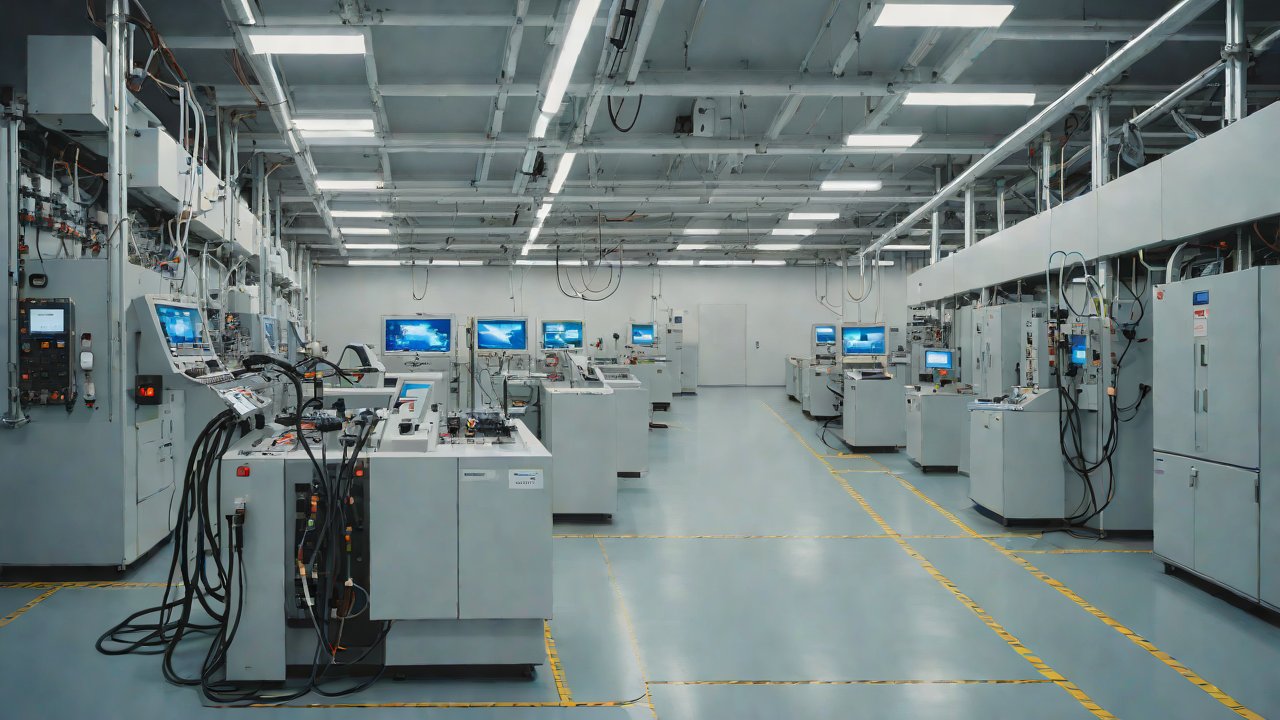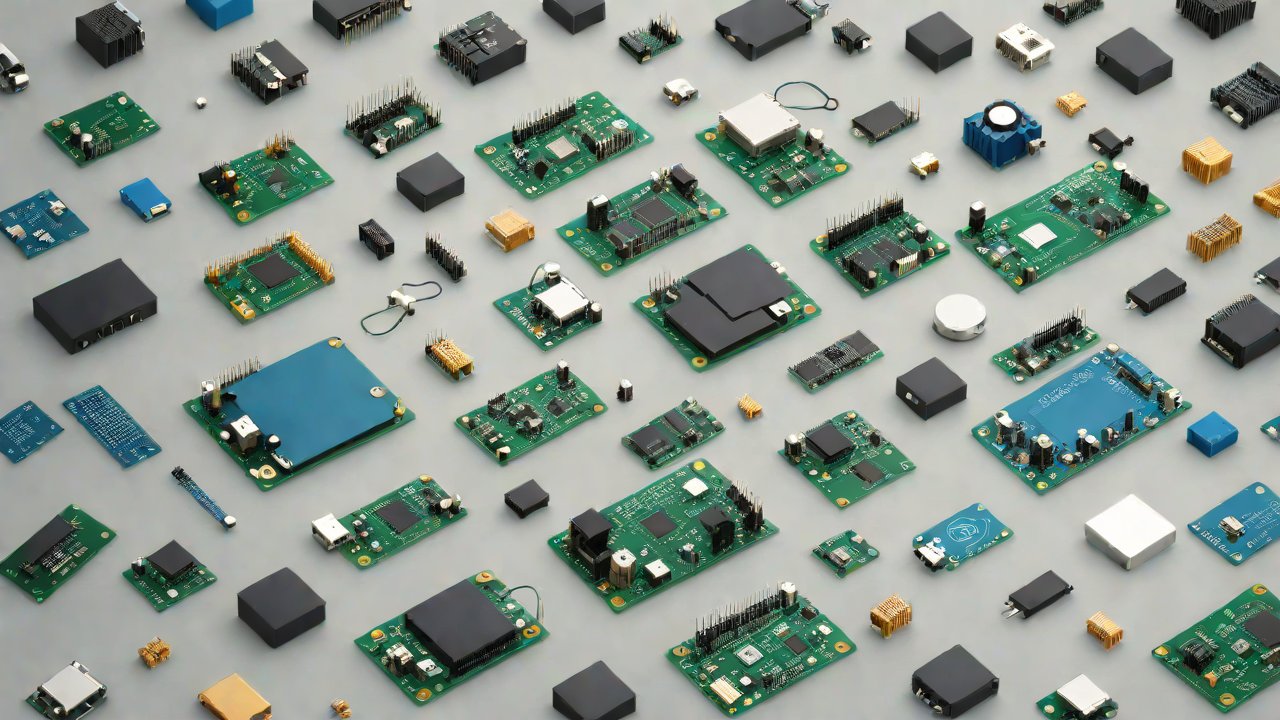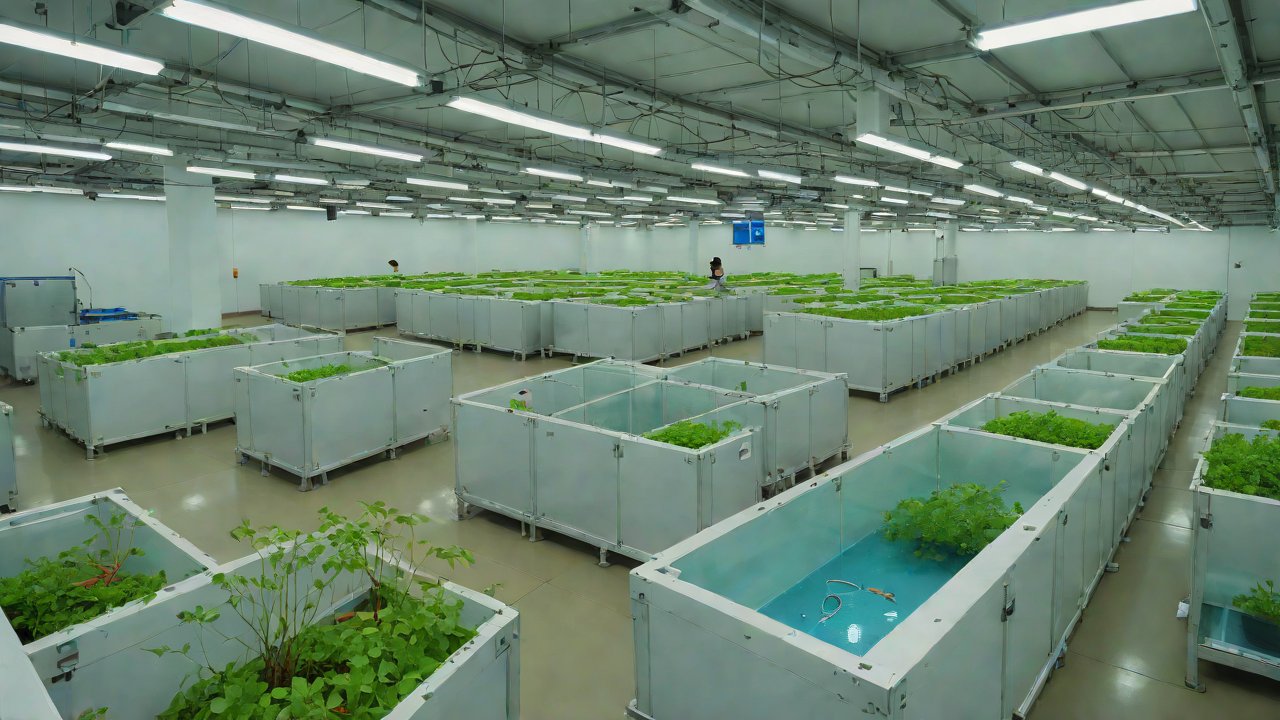
IoT Monitoring for Indoor Aquaculture in Thailand
IoT Monitoring for Indoor Aquaculture in Thailand: A Technical Deep Dive
The indoor aquaculture industry in Thailand has witnessed a significant surge in recent years due to increasing demand for sustainable seafood production. However, monitoring and maintaining optimal water quality conditions remain major challenges for farmers, often resulting in reduced yields and increased operational costs. The integration of Internet of Things (IoT) technology can address these issues by providing real-time monitoring and control capabilities.
IoT Architecture
The proposed IoT solution for indoor aquaculture in Thailand will employ a distributed architecture consisting of the following components:
Sensor Network
- Water quality sensors: pH, ammonia, nitrite, and temperature
- Aquatic life count sensors (e.g., fish counters)
- Energy consumption monitoring sensors
- Environmental parameters (temperature, humidity)
These sensors will be strategically placed throughout the indoor aquaculture facility to provide comprehensive real-time data on water quality and environmental conditions.
Gateway and Communication
- IoT gateway: responsible for collecting sensor data from the network, processing it, and transmitting it to the cloud
- Cellular connectivity (4G/5G): provides secure communication between the gateway and cloud services
The selected IoT platform will utilize a standardized protocol stack consisting of:
- CoAP (Constrained Application Protocol) or MQTT (Message Queuing Telemetry Transport)
- HTTP/2 for data exchange with external services
- DTLS (Datagram Transport Layer Security) for secure communication
Cloud and Data Analytics
- Cloud infrastructure: Amazon Web Services (AWS), Microsoft Azure, Google Cloud Platform (GCP), or similar cloud providers
- Data analytics platform: utilizes machine learning algorithms to analyze sensor data and provide actionable insights on water quality and aquatic life health
Hardware Architecture
The hardware architecture will consist of the following components:
IoT Gateway
- Microcontroller Unit (MCU): e.g., ESP32, ESP8266
- Memory and Storage: e.g., flash memory, SD card slots
- Connectivity Options: Wi-Fi, Ethernet, cellular connectivity
- Operating System: e.g., FreeRTOS, Zephyr
Sensor Network
- Sensor modules: temperature, pH, ammonia, nitrite, and aquatic life count sensors
- Data transmission protocol: e.g., Zigbee, Bluetooth Low Energy (BLE)
- Power supply: battery-powered or connected to the main power grid
Industry Challenges
The implementation of IoT monitoring for indoor aquaculture in Thailand will face several challenges:
Data Quality
Ensuring accurate and reliable data from sensors is crucial. Regular calibration and maintenance of sensor equipment are essential.
Cybersecurity
Protecting against cyber threats, ensuring secure communication between devices, and preventing unauthorized access to sensitive data are critical concerns.
Scalability
The solution must be scalable to accommodate varying facility sizes and complexity levels.
Protocol Implementation
The implementation of IoT protocols for indoor aquaculture in Thailand will follow the standard protocol stack:
- CoAP or MQTT: used for communication between devices
- HTTP/2: used for data exchange with external services
- DTLS: used for secure communication
CoAP
CoAP is a lightweight, constrained application protocol designed for resource-constrained networks. It provides similar functionality to HTTP but with lower overhead.
MQTT
MQTT is a lightweight messaging broker that enables devices to communicate with each other efficiently. It uses publish-subscribe patterns and supports multiple quality of service levels.
Future Development
The following features will be integrated into the solution:
- Predictive maintenance: utilizing machine learning algorithms to predict equipment failures
- Real-time monitoring: providing alerts for critical water quality conditions or aquatic life anomalies
- Automated control: enabling automated adjustments to water quality parameters based on real-time sensor data
Conclusion
The integration of IoT technology in indoor aquaculture facilities in Thailand can significantly improve operational efficiency, reduce costs, and enhance the overall health of aquatic life. By providing a comprehensive understanding of the technical requirements and challenges involved, this report aims to facilitate the successful implementation of IoT monitoring systems for indoor aquaculture.
FAQ
1. What is the primary challenge faced by farmers in indoor aquaculture?
The primary challenge is maintaining optimal water quality conditions.
2. Which sensors will be used for monitoring aquatic life count?
Aquatic life count sensors (e.g., fish counters) will be utilized.
3. How will data from various sources be integrated and analyzed?
Data from various sources will be integrated using a standardized protocol stack, and analyzed utilizing machine learning algorithms on the cloud-based analytics platform.
4. What is the recommended IoT protocol for this application?
CoAP or MQTT are recommended for communication between devices due to their lightweight nature and efficient use of bandwidth.
5. How will data quality issues be addressed?
Regular calibration and maintenance of sensor equipment will ensure accurate and reliable data from sensors.
6. What security measures will be implemented to prevent cyber threats?
Secure communication protocols (e.g., DTLS) will be used, and regular software updates will be applied to devices to prevent unauthorized access to sensitive data.
7. How will the solution be scalable for varying facility sizes and complexity levels?
The solution is designed to accommodate various facility sizes and complexity levels by utilizing a distributed architecture with multiple gateways and cloud-based analytics platform.
8. What is the recommended operating system for the IoT gateway?
FreeRTOS or Zephyr are recommended due to their efficiency, scalability, and support for resource-constrained devices.
9. How will energy consumption be monitored?
Energy consumption monitoring sensors will be used to track power usage in real-time.
10. Can the solution integrate with external services (e.g., weather forecasting)?
Yes, the solution can integrate with external services using standardized protocols like HTTP/2.
11. What is the recommended approach for addressing data quality issues?
Regular calibration and maintenance of sensor equipment will ensure accurate and reliable data from sensors.
12. How will predictive maintenance be implemented?
Machine learning algorithms will be used to analyze historical data and predict potential equipment failures, enabling proactive maintenance.
13. Can the solution integrate with existing infrastructure (e.g., SCADA systems)?
Yes, the solution can integrate with existing infrastructure using standardized protocols like CoAP or MQTT.
14. How will real-time monitoring be implemented?
Real-time monitoring will be achieved through continuous data streaming from sensors to the cloud-based analytics platform.
15. Can the solution provide automated control capabilities?
Yes, the solution can provide automated adjustments to water quality parameters based on real-time sensor data.
16. What is the recommended approach for addressing cybersecurity concerns?
Secure communication protocols (e.g., DTLS) will be used, and regular software updates will be applied to devices to prevent unauthorized access to sensitive data.
17. How will the solution handle scalability requirements?
The distributed architecture with multiple gateways and cloud-based analytics platform ensures that the solution can scale with varying facility sizes and complexity levels.
18. Can the solution integrate with other IoT devices (e.g., sensors, actuators)?
Yes, the solution can integrate with other IoT devices using standardized protocols like CoAP or MQTT.
19. How will data storage be addressed?
Data storage will be handled by the cloud-based analytics platform, which provides scalable and secure storage solutions.
20. Can the solution provide historical data analysis capabilities?
Yes, the solution can provide historical data analysis capabilities through the cloud-based analytics platform.
21. What is the recommended approach for addressing data quality issues in aquatic life count sensors?
Regular calibration and maintenance of sensor equipment will ensure accurate and reliable data from sensors.
22. How will predictive maintenance be implemented for aquatic life health?
Machine learning algorithms will be used to analyze historical data and predict potential anomalies in aquatic life health, enabling proactive measures to prevent disease outbreaks.
23. Can the solution provide real-time alerts for critical water quality conditions or aquatic life anomalies?
Yes, the solution can provide real-time alerts through continuous monitoring of sensor data and cloud-based analytics platform.
24. How will automated control capabilities be implemented for water quality parameters?
Automated adjustments to water quality parameters will be enabled based on real-time sensor data analysis using machine learning algorithms on the cloud-based analytics platform.
25. What is the recommended approach for addressing cybersecurity concerns in the solution?
Secure communication protocols (e.g., DTLS) will be used, and regular software updates will be applied to devices to prevent unauthorized access to sensitive data.
IOT Cloud Platform
IOT Cloud Platform is an IoT portal established by a Chinese IoT company, focusing on technical solutions in the fields of agricultural IoT, industrial IoT, medical IoT, security IoT, military IoT, meteorological IoT, consumer IoT, automotive IoT, commercial IoT, infrastructure IoT, smart warehousing and logistics, smart home, smart city, smart healthcare, smart lighting, etc.
The IoT Cloud Platform blog is a top IoT technology stack, providing technical knowledge on IoT, robotics, artificial intelligence (generative artificial intelligence AIGC), edge computing, AR/VR, cloud computing, quantum computing, blockchain, smart surveillance cameras, drones, RFID tags, gateways, GPS, 3D printing, 4D printing, autonomous driving, etc.
Note: This article was professionally generated with the assistance of AIGC and has been fact-checked and manually corrected by IoT expert editor IoTCloudPlatForm.