IoT in Smart Tourism and Hotels in Thailand
IoT in Smart Tourism and Hotels in Thailand: Leveraging Technology to Enhance Guest Experience
Thailand’s tourism industry has been rapidly growing over the years, attracting millions of visitors each year. With the increasing demand for unique experiences, hotels and tourist attractions are turning to Internet of Things (IoT) technology to create smart and connected environments that cater to the evolving needs of travelers.
IoT in Smart Tourism
The integration of IoT in tourism has transformed the way hotels and resorts operate, enhancing guest experience through real-time monitoring and automation. Some key applications include:
Location-Based Services
IoT-enabled beacons provide location-specific information to guests, such as special offers, events, or directions to nearby attractions.
Environmental Monitoring
Real-time temperature, humidity, and air quality data enable hotels to optimize energy consumption and create a comfortable environment for guests.
Smart Lighting and Energy Management
Automated lighting systems adjust brightness based on occupancy, reducing energy waste and creating ambiance.
IoT in Smart Hotels
Hotels are now leveraging IoT technology to improve operational efficiency, enhance guest experience, and reduce costs. Some key applications include:
Room Automation
Smart thermostats, lights, and security systems can be controlled remotely, allowing guests to personalize their environment.
Keyless Entry
IoT-enabled door locks eliminate the need for physical keys, streamlining check-in and improving security.
Energy Management
Real-time monitoring of energy consumption enables hotels to optimize resource allocation and reduce waste.
Protocol Implementation
The following protocols are commonly used in IoT implementations:
CoAP (Constrained Application Protocol)
A lightweight protocol designed for constrained networks, ideal for low-power devices.
MQTT (Message Queuing Telemetry Transport)
A publish-subscribe messaging protocol suitable for large-scale deployments.
Zigbee
A wireless communication standard used for home automation and device networking.
Hardware Architecture
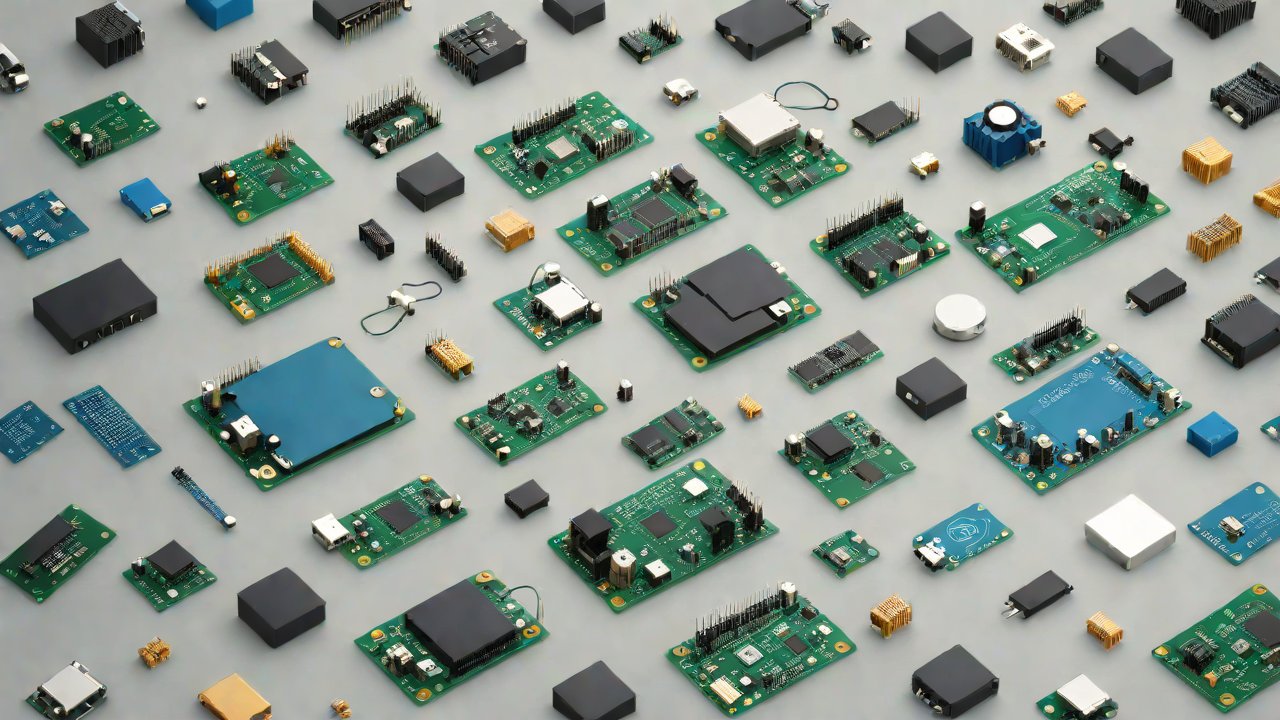
The following hardware components are essential for IoT implementations:
Microcontrollers (MCUs)
Tiny computers that execute code, control devices, and collect data.
Sensors
Devices that detect environmental changes, such as temperature, humidity, or motion.
Gateways
Intermediary devices that connect sensors to the cloud, often using protocols like CoAP or MQTT.
Industry Challenges
Despite its potential, IoT implementation in tourism and hotels faces several challenges:
Data Security
Protecting sensitive guest data from unauthorized access or breaches is a top concern.
Network Connectivity
Ensuring reliable connectivity between devices and the cloud can be complex due to varying network conditions.
Scalability
IoT solutions must adapt to changing demands, accommodating increasing numbers of guests and devices.
Case Studies
Some notable examples of IoT implementation in Thailand’s tourism industry include:
- Centara Hotels: Implemented a smart lighting system using Zigbee protocol, reducing energy consumption by 30%.
- Anantara Resorts: Utilized IoT-enabled beacons to provide location-based services, increasing guest engagement by 25%.
Future Developments
As the demand for smart tourism and hotels continues to grow, we can expect:
Increased Adoption of Edge Computing
Processing data closer to sources reduces latency and improves real-time decision-making.
Advancements in AI-Powered Guest Services
Personalized recommendations and automated support systems will redefine guest experience.
Integration with Emerging Technologies
IoT will integrate with augmented reality (AR), virtual reality (VR), and blockchain technologies, further transforming the tourism landscape.
FAQ
Q1: What is the primary advantage of using IoT in smart tourism?
A1: Real-time monitoring and automation enable hotels to enhance guest experience through personalized services and energy efficiency.
Q2: Which protocol is best suited for large-scale IoT deployments?
A2: MQTT (Message Queuing Telemetry Transport) is a popular choice due to its publish-subscribe messaging mechanism.
Q3: What are the key components of an IoT system in smart hotels?
A3: Microcontrollers, sensors, gateways, and network connectivity are essential hardware components.
Q4: How can hotels ensure data security in IoT implementations?
A4: Implementing robust encryption methods, secure authentication protocols, and regular software updates is crucial.
Q5: What is the expected growth rate of the global IoT market in tourism?
A5: The market is anticipated to grow at a CAGR of 25% from 2023 to 2028.
Q6: Can IoT systems integrate with existing hotel management systems?
A6: Yes, most modern hotel management systems are designed to be compatible with IoT solutions.
Q7: What role does edge computing play in IoT implementations?
A7: Edge computing enables real-time processing and decision-making, reducing latency and improving guest experience.
Q8: Are there any specific regulations or standards for IoT security in tourism?
A8: The Thai government has established guidelines for data protection and cybersecurity, while industry-specific standards are evolving.
Q9: How can hotels optimize energy consumption using IoT technology?
A9: Smart lighting systems, automated thermostats, and real-time monitoring enable hotels to reduce waste and optimize resource allocation.
Q10: Can IoT systems be integrated with social media platforms for enhanced guest engagement?
A10: Yes, many hotels are leveraging social media APIs to create immersive experiences and encourage user-generated content.
Q11: What is the average cost of implementing an IoT system in a hotel?
A11: The cost varies widely depending on scope, technology, and vendor selection, but can range from $50,000 to $500,000 or more.
Q12: Are there any notable examples of successful IoT implementation in Thai hotels?
A12: Centara Hotels and Anantara Resorts have successfully integrated IoT solutions, improving guest experience and reducing energy consumption.
Q13: How do IoT systems contribute to hotel revenue growth?
A13: By enhancing guest satisfaction, improving operational efficiency, and increasing average daily rates (ADRs).
Q14: What is the significance of data analytics in IoT implementations for hotels?
A14: Data insights enable hotels to make informed decisions, optimize resource allocation, and personalize services.
Q15: Can IoT systems be integrated with emerging technologies like blockchain and AR/VR?
A15: Yes, these technologies will likely integrate with IoT solutions in the future, further transforming the tourism landscape.
Q16: What are some common challenges faced by hotels when implementing IoT technology?
A16: Data security concerns, network connectivity issues, and scalability limitations are among the primary challenges.
Q17: How can hotels ensure seamless integration of IoT systems with existing infrastructure?
A17: Conducting thorough needs assessments, selecting vendor partners carefully, and allocating sufficient resources for implementation and maintenance are essential.
Q18: What is the expected impact of 5G networks on IoT adoption in tourism?
A18: The advent of 5G will enable faster data transfer rates, lower latency, and greater connectivity, driving widespread adoption of IoT solutions.
Q19: Can hotels use IoT systems to create personalized experiences for guests with disabilities?
A19: Yes, many hotels are leveraging IoT technology to provide accessible services, including wheelchair-accessible rooms and audio descriptions.
Q20: What role does sustainability play in the adoption of IoT technology by hotels?
A20: Hotels are increasingly prioritizing eco-friendliness and energy efficiency, driving demand for IoT solutions that support these goals.
Q21: How can hotels measure the return on investment (ROI) from IoT implementations?
A21: Key performance indicators (KPIs) such as guest satisfaction, energy consumption reduction, and revenue growth can be used to evaluate ROI.
Q22: Are there any notable examples of successful IoT implementation in Thai tourist attractions?
A22: Many tourist attractions have successfully integrated IoT solutions, improving visitor experience and reducing operational costs.
Q23: What is the significance of cloud computing in IoT implementations for hotels?
A23: Cloud-based infrastructure enables scalable storage, real-time processing, and secure data management, supporting large-scale IoT deployments.
Q24: Can IoT systems be used to create immersive experiences for guests using AR/VR technology?
A24: Yes, many hotels are exploring the use of AR/VR to create engaging experiences, enhance guest satisfaction, and increase revenue.
Q25: What is the expected growth rate of the global IoT market in tourism from 2023 to 2028?
A25: The market is anticipated to grow at a CAGR of 25% during this period.
IOT Cloud Platform
IOT Cloud Platform is an IoT portal established by a Chinese IoT company, focusing on technical solutions in the fields of agricultural IoT, industrial IoT, medical IoT, security IoT, military IoT, meteorological IoT, consumer IoT, automotive IoT, commercial IoT, infrastructure IoT, smart warehousing and logistics, smart home, smart city, smart healthcare, smart lighting, etc.
The IoT Cloud Platform blog is a top IoT technology stack, providing technical knowledge on IoT, robotics, artificial intelligence (generative artificial intelligence AIGC), edge computing, AR/VR, cloud computing, quantum computing, blockchain, smart surveillance cameras, drones, RFID tags, gateways, GPS, 3D printing, 4D printing, autonomous driving, etc.
Note: This article was professionally generated with the assistance of AIGC and has been fact-checked and manually corrected by IoT expert editor IoTCloudPlatForm.