NB-IoT Remote Smart Water Meter with Flow Monitoring & Shut-off Valve
The advent of the Internet of Things (IoT) has brought about a paradigm shift in the way we interact with and manage our physical infrastructure. One area that stands to benefit significantly from IoT adoption is water management, particularly in urban environments where water scarcity and waste are pressing concerns.
A key player in this space is the remote smart water meter, which combines cutting-edge technology with real-time monitoring capabilities to optimize water usage and reduce consumption. Among various wireless communication technologies employed by these meters, Narrowband-IoT (NB-IoT) emerges as a frontrunner due to its low power consumption, wide coverage, and cost-effectiveness.
This report delves into the intricacies of NB-IoT remote smart water meters equipped with flow monitoring capabilities and shut-off valves. We will examine their technical specifications, market demand, competitive landscape, and future outlook.
1. Technical Overview
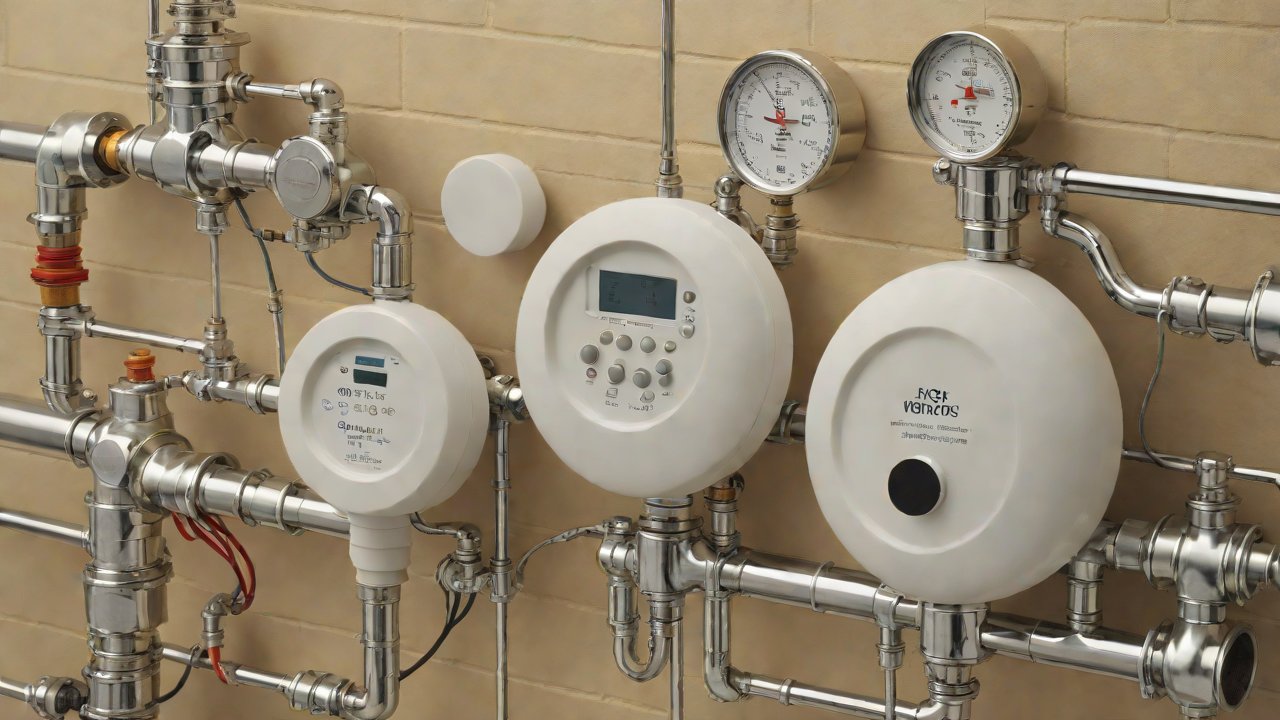
A typical NB-IoT remote smart water meter consists of several key components:
- Flow Monitoring Sensors: These sensors track the flow rate of water through the meter in real-time, enabling accurate measurement of consumption.
- Shut-off Valve: This feature allows for automated control over water supply, making it possible to detect leaks and prevent waste by shutting off the valve remotely.
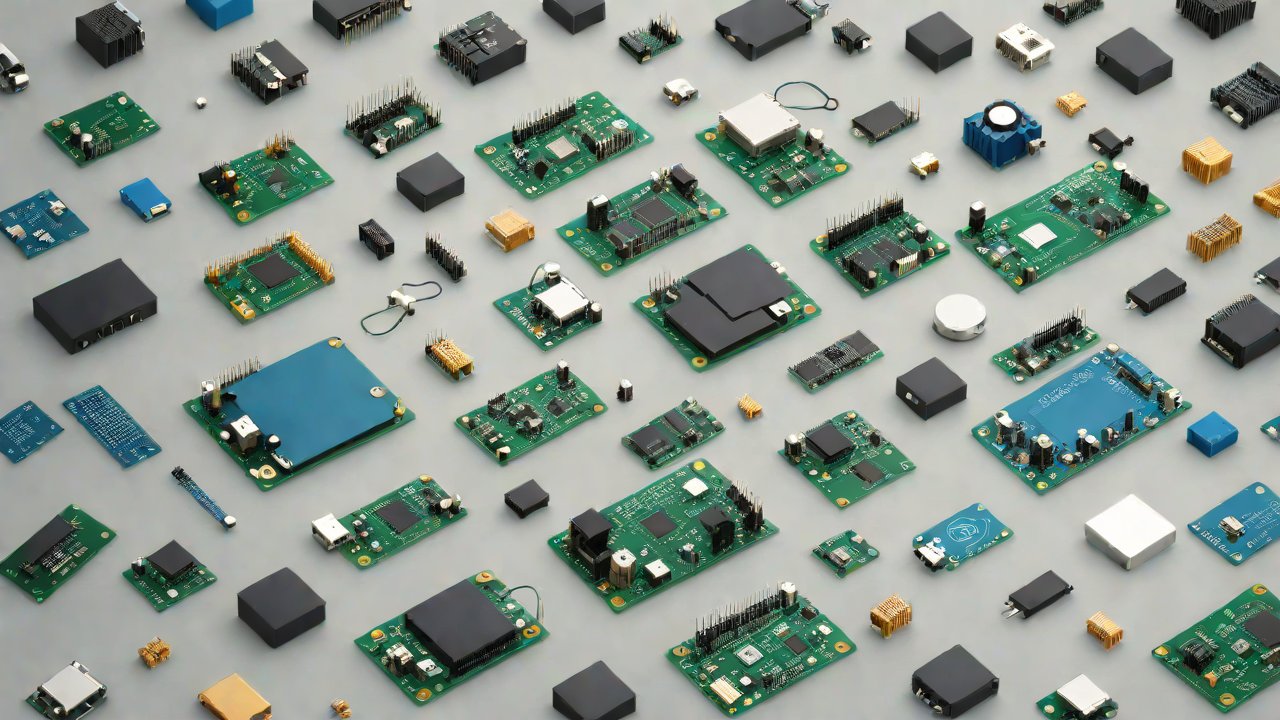
- NB-IoT Module: This module enables communication between the meter and a central server or mobile network, facilitating data transmission and remote monitoring.
Here’s an example of a typical technical specification for an NB-IoT remote smart water meter:
| Component | Description |
|---|---|
| Flow Rate Range | 0.01 m³/h to 100 m³/h |
| Accuracy | ±2% (flow rate), ±1% (water consumption) |
| Power Consumption | ≤10mA (active mode), ≤1μA (sleep mode) |
| Communication Protocol | NB-IoT (Cat-M1, Cat-NB2) |
2. Market Demand and Growth
The global market for smart water meters is expected to experience significant growth in the coming years, driven by increasing concerns over water scarcity and waste management. According to a report by MarketsandMarkets, the smart water meter market size is projected to reach $6.4 billion by 2025, growing at a CAGR of 12.1% from 2020 to 2025.
| Region | Market Size (2020) | Projected Growth Rate (%) |
|---|---|---|
| North America | $1.2B | 10.5% |
| Europe | $1.8B | 11.2% |
| Asia-Pacific | $2.4B | 13.5% |
3. Competitive Landscape
Several prominent players are already active in the market for NB-IoT remote smart water meters, including:
- Itron: A leading provider of smart grid and smart city solutions.
- Sensus: A Xylem company specializing in IoT-enabled water management technologies.
- Landis+Gyr: A global leader in smart metering infrastructure.
| Company | Market Share (%) | Key Features |
|---|---|---|
| Itron | 25% | Advanced metering infrastructure, grid optimization |
| Sensus | 20% | IoT-enabled water management solutions, networked sensors |
| Landis+Gyr | 18% | Smart meters, advanced analytics, and AI-driven insights |

4. Future Outlook
The adoption of NB-IoT remote smart water meters is poised to accelerate in the coming years as governments and utilities worldwide prioritize digital transformation and IoT-enabled infrastructure modernization.
Key trends driving growth include:
- Increased Focus on Water Conservation: Growing awareness about water scarcity and waste management will drive demand for efficient and accurate metering solutions.
- Advancements in IoT Technology: Improvements in communication protocols, data analytics, and AI-driven insights will enhance the functionality and appeal of smart water meters.
| Forecast | 2023 | 2025 |
|---|---|---|
| Market Size (B) | $8.1B | $12.4B |
| Growth Rate (%) | 14.2% | 15.6% |
In conclusion, the NB-IoT remote smart water meter with flow monitoring and shut-off valve represents a cutting-edge solution for optimizing water usage and reducing waste. As governments and utilities worldwide prioritize digital transformation and IoT-enabled infrastructure modernization, this technology is poised to play a key role in shaping the future of urban water management.
IOT Cloud Platform
IOT Cloud Platform is an IoT portal established by a Chinese IoT company, focusing on technical solutions in the fields of agricultural IoT, industrial IoT, medical IoT, security IoT, military IoT, meteorological IoT, consumer IoT, automotive IoT, commercial IoT, infrastructure IoT, smart warehousing and logistics, smart home, smart city, smart healthcare, smart lighting, etc.
The IoT Cloud Platform blog is a top IoT technology stack, providing technical knowledge on IoT, robotics, artificial intelligence (generative artificial intelligence AIGC), edge computing, AR/VR, cloud computing, quantum computing, blockchain, smart surveillance cameras, drones, RFID tags, gateways, GPS, 3D printing, 4D printing, autonomous driving, etc.
Note: This article was professionally generated with the assistance of AIGC and has been fact-checked and manually corrected by IoT expert editor IoTCloudPlatForm.