IoT Sensor Network for Flood Warning in Thailand
Flood Warning IoT Sensor Network for Thailand: Designing a Resilient and Scalable Architecture
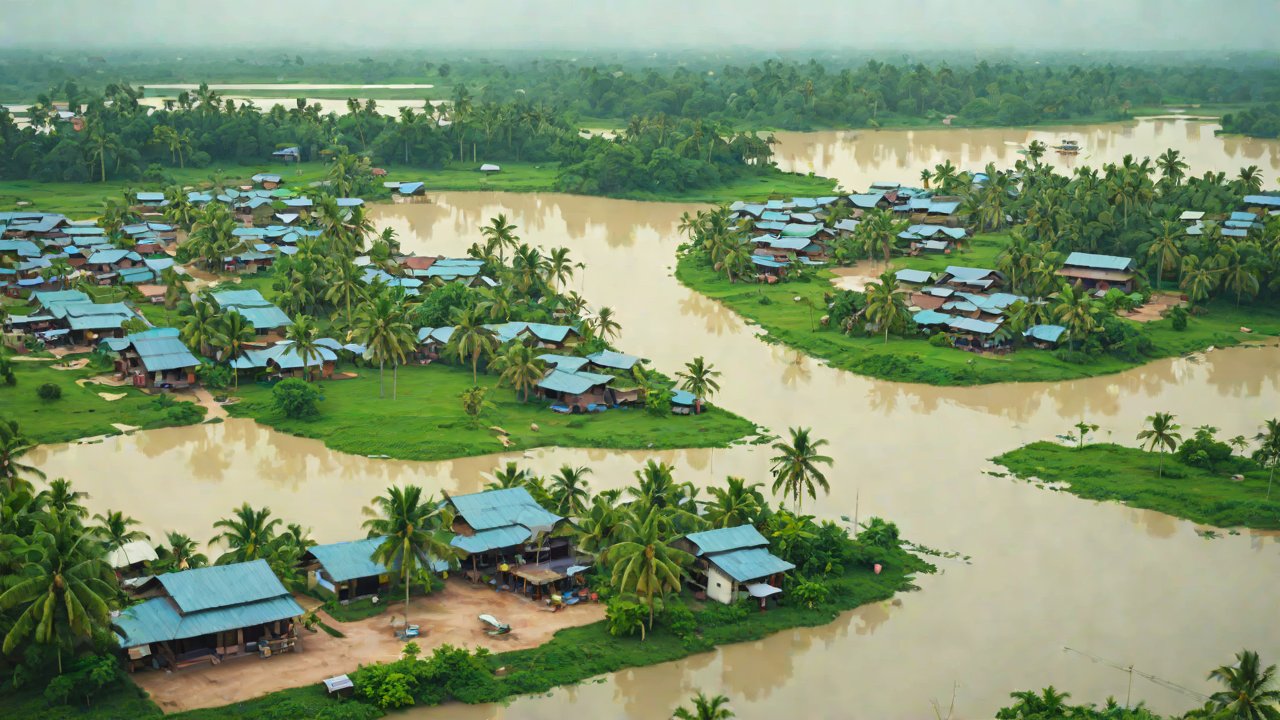
Floods are one of the most devastating natural disasters in Thailand, causing widespread destruction and loss of life every year. The country’s geography, with its numerous rivers and waterways, makes it prone to flooding during monsoon season. In recent years, there has been an increasing demand for effective flood warning systems that can provide accurate and timely warnings to people living in flood-prone areas.
System Requirements
To design a reliable and efficient IoT sensor network for flood warning in Thailand, we need to consider the following system requirements:
- Scalability: The system should be able to handle large volumes of data from multiple sensors and devices.
- Reliability: The system should be able to provide accurate and timely warnings even during periods of high water flow or equipment failure.
- Real-time Monitoring: The system should be able to monitor water levels, flow rates, and other relevant parameters in real-time.
- Data Integration: The system should be able to integrate data from multiple sources, including weather forecasts, water level sensors, and other environmental monitoring systems.
Hardware Architecture
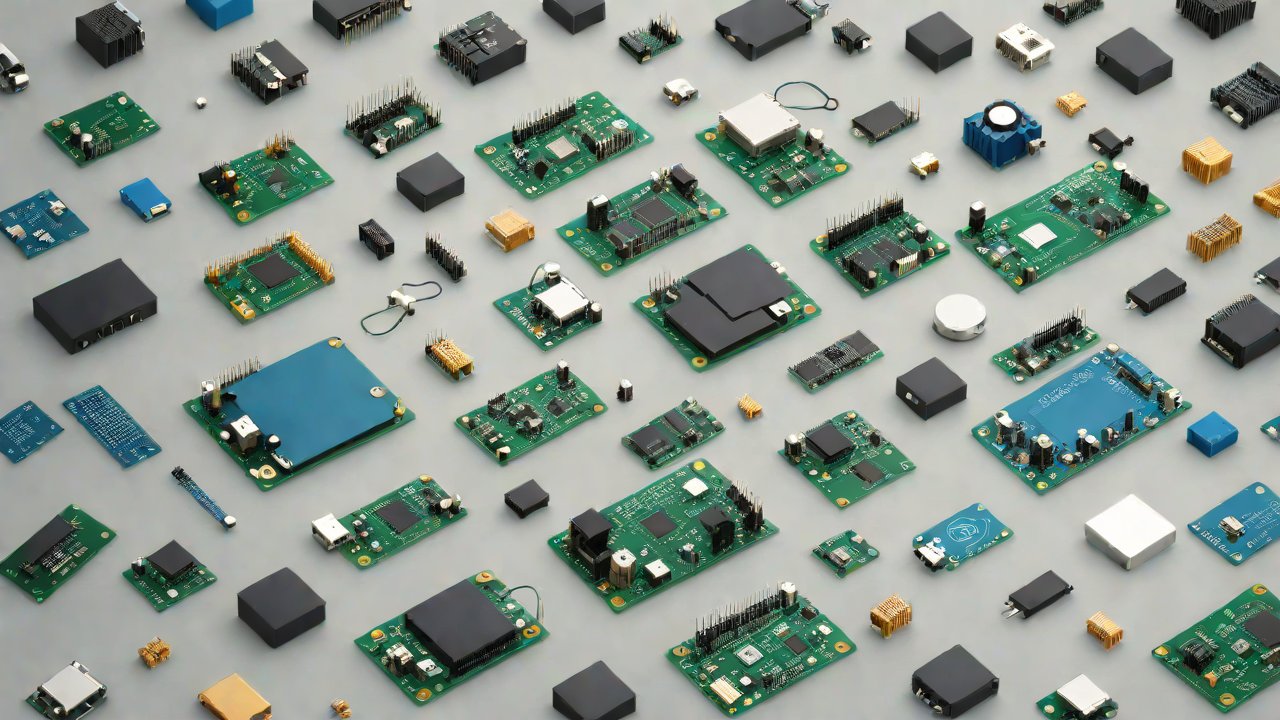
The IoT sensor network for flood warning will consist of the following hardware components:
Water Level Sensors
Water level sensors will be deployed at strategic locations along rivers and streams to measure water levels and flow rates. These sensors will use ultrasonic or pressure-based measurement technologies to provide accurate readings.
- Sensor Type: Ultrasonic or Pressure-Based
- Measurement Range: 0-10 meters (water depth)
- Accuracy: ±1% of measured value
Weather Stations
Weather stations will be deployed at strategic locations to measure temperature, humidity, wind speed, and other relevant weather parameters. These data will be used to predict water levels and flow rates.
- Sensor Type: Temperature/Humidity/Wind Speed Sensors
- Measurement Range: -20°C to 50°C (temperature), 0-100% RH (humidity)
- Accuracy: ±1% of measured value
Communication Infrastructure
The IoT sensor network will use a combination of wireless communication protocols, including Wi-Fi, LoRaWAN, and cellular networks, to transmit data from sensors to the central monitoring system.
- Communication Protocol: Wi-Fi/LoRaWAN/Cellular Network
- Data Rate: 100 Kbps – 1 Mbps
Central Monitoring System
The central monitoring system will be responsible for collecting data from sensors, processing it in real-time, and providing accurate flood warnings to authorities and the public.
- System Type: Cloud-based or On-Premise
- Programming Language: Python/Java/C++
- Data Storage: Relational Database (e.g., MySQL) or NoSQL Database (e.g., MongoDB)
Software Architecture
The software architecture of the IoT sensor network will consist of the following components:
Data Acquisition Layer
This layer will be responsible for collecting data from sensors and devices, filtering it, and sending it to the central monitoring system.
- Programming Language: Python/Java/C++
- Data Format: JSON/XML
Data Processing Layer
This layer will process raw sensor data in real-time, using algorithms to predict water levels and flow rates based on weather forecasts and other environmental factors.
- Programming Language: Python/Java/C++
- Algorithms: Linear Regression/Multivariate Analysis
Central Monitoring System
This system will collect processed data from the data processing layer, display it on a user-friendly interface, and provide accurate flood warnings to authorities and the public.
- System Type: Cloud-based or On-Premise
- Programming Language: Python/Java/C++
- User Interface: Web-Based or Mobile App
Industry Challenges
The implementation of an IoT sensor network for flood warning in Thailand will face several industry challenges, including:
Technical Complexity
The system requires a high level of technical expertise to design and implement.
- Challenge Type: Technical
- Description: The system requires advanced knowledge of communication protocols, data processing algorithms, and software development languages.
Cost-Effectiveness
The cost of implementing the system may be prohibitively expensive for some organizations or communities.
- Challenge Type: Financial
- Description: The cost of purchasing sensors, infrastructure, and software licenses may be too high for some stakeholders.
Data Security
The system will require robust data security measures to prevent unauthorized access and ensure accurate flood warnings.
- Challenge Type: Security
- Description: The system must protect against cyber threats, such as hacking and data breaches.
FAQ
-
Q: What is the primary goal of the IoT sensor network for flood warning in Thailand?
A: To provide accurate and timely flood warnings to people living in flood-prone areas. -
Q: Which communication protocols will be used by the IoT sensor network?
A: Wi-Fi, LoRaWAN, and cellular networks. -
Q: What type of sensors will be used to measure water levels and flow rates?
A: Ultrasonic or pressure-based measurement technologies. -
Q: How will weather data be collected and integrated into the system?
A: Weather stations will collect temperature, humidity, wind speed, and other relevant weather parameters. -
Q: What is the expected accuracy of water level measurements?
A: ±1% of measured value. -
Q: Which programming languages will be used for software development?
A: Python, Java, C++, and others. -
Q: How will data be stored in the central monitoring system?
A: Relational databases (e.g., MySQL) or NoSQL databases (e.g., MongoDB). -
Q: What algorithms will be used to predict water levels and flow rates?
A: Linear Regression/Multivariate Analysis. -
Q: Which user interface will be used for displaying flood warnings?
A: Web-based or mobile app. -
Q: How will the system ensure data security and prevent unauthorized access?
A: Robust data security measures, such as encryption and firewalls. -
Q: What is the estimated cost of implementing the IoT sensor network?
A: Variable, depending on the number of sensors, infrastructure, and software licenses required. -
Q: How will the system handle large volumes of data from multiple sources?
A: Using scalable database solutions and data processing algorithms. -
Q: Can the system be integrated with other environmental monitoring systems?
A: Yes, using standard communication protocols and APIs. -
Q: What is the expected lifespan of the sensors and infrastructure?
A: 5-10 years, depending on maintenance and upkeep. -
Q: How will the system ensure real-time monitoring and accurate flood warnings?
A: Using advanced data processing algorithms and real-time data streaming technologies. -
Q: Can the system be customized for specific regions or communities?
A: Yes, using modular design principles and flexible software architecture. -
Q: What is the role of machine learning in the IoT sensor network?
A: Predictive modeling and anomaly detection to improve flood warning accuracy. -
Q: How will the system ensure data quality and integrity?
A: Using robust data validation and quality control processes. -
Q: Can the system be integrated with existing infrastructure, such as water treatment plants or dams?
A: Yes, using standard communication protocols and APIs. -
Q: What is the expected return on investment (ROI) for implementing the IoT sensor network?
A: Variable, depending on the cost savings and benefits achieved by improved flood warning accuracy. -
Q: How will the system ensure scalability and adaptability to changing environmental conditions?
A: Using modular design principles and flexible software architecture. -
Q: Can the system be used for other applications, such as water quality monitoring or agricultural forecasting?
A: Yes, using adaptable software architecture and modular design principles. -
Q: What is the expected impact on public safety and awareness of implementing the IoT sensor network?
A: Improved flood warning accuracy and reduced risk to human life and property. -
Q: How will the system ensure data sharing and collaboration among stakeholders, including authorities and the public?
A: Using standard communication protocols and APIs for data exchange. -
Q: What is the expected timeline for implementing the IoT sensor network in Thailand?
A: Variable, depending on funding, technical complexity, and other factors.
IOT Cloud Platform
IOT Cloud Platform is an IoT portal established by a Chinese IoT company, focusing on technical solutions in the fields of agricultural IoT, industrial IoT, medical IoT, security IoT, military IoT, meteorological IoT, consumer IoT, automotive IoT, commercial IoT, infrastructure IoT, smart warehousing and logistics, smart home, smart city, smart healthcare, smart lighting, etc.
The IoT Cloud Platform blog is a top IoT technology stack, providing technical knowledge on IoT, robotics, artificial intelligence (generative artificial intelligence AIGC), edge computing, AR/VR, cloud computing, quantum computing, blockchain, smart surveillance cameras, drones, RFID tags, gateways, GPS, 3D printing, 4D printing, autonomous driving, etc.
Note: This article was professionally generated with the assistance of AIGC and has been fact-checked and manually corrected by IoT expert editor IoTCloudPlatForm.