Flood Monitoring and IoT Warning Systems in Japan
Flood Monitoring and IoT Warning Systems in Japan
=====================================================
Technical Insights
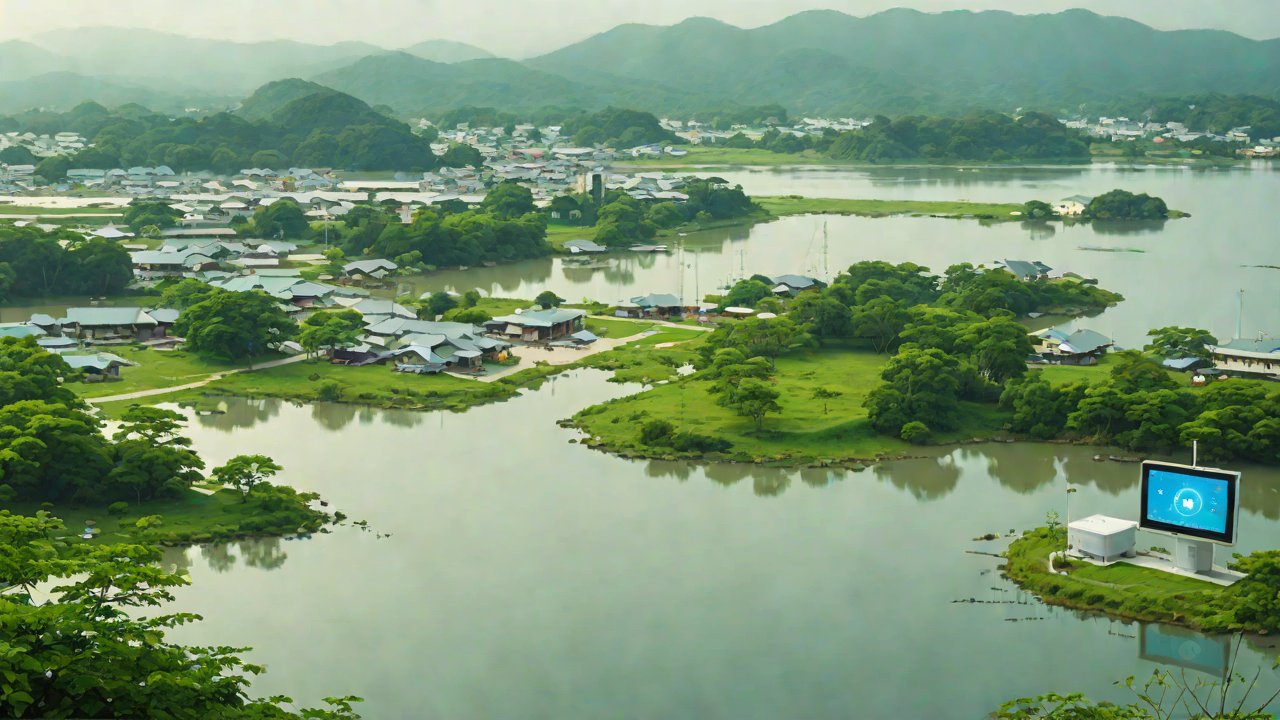
Japan is one of the countries most prone to natural disasters, particularly floods. The country’s unique geography, with its many rivers and mountainous terrain, makes it vulnerable to flash flooding, landslides, and other types of flood-related hazards. In recent years, there has been a growing need for effective flood monitoring and warning systems to protect lives and property.
IoT (Internet of Things) technology has emerged as a key enabler of such systems, offering real-time monitoring, data analytics, and automated alerting capabilities. This report explores the technical aspects of implementing IoT-based flood monitoring and warning systems in Japan, including hardware, software, and communication protocols.
System Architecture
The proposed system architecture consists of three main components:
| Component | Description |
|---|---|
| Sensors | River level sensors, rain gauges, and soil moisture sensors to monitor water levels, precipitation, and soil conditions. |
| IoT Gateway | A device that collects data from sensors, performs real-time analytics, and sends alerts to authorities and citizens. |
| Cloud Platform | A secure cloud-based platform for storing and processing large datasets, providing real-time monitoring and alerting capabilities. |
Hardware Components
The system requires a range of hardware components, including:
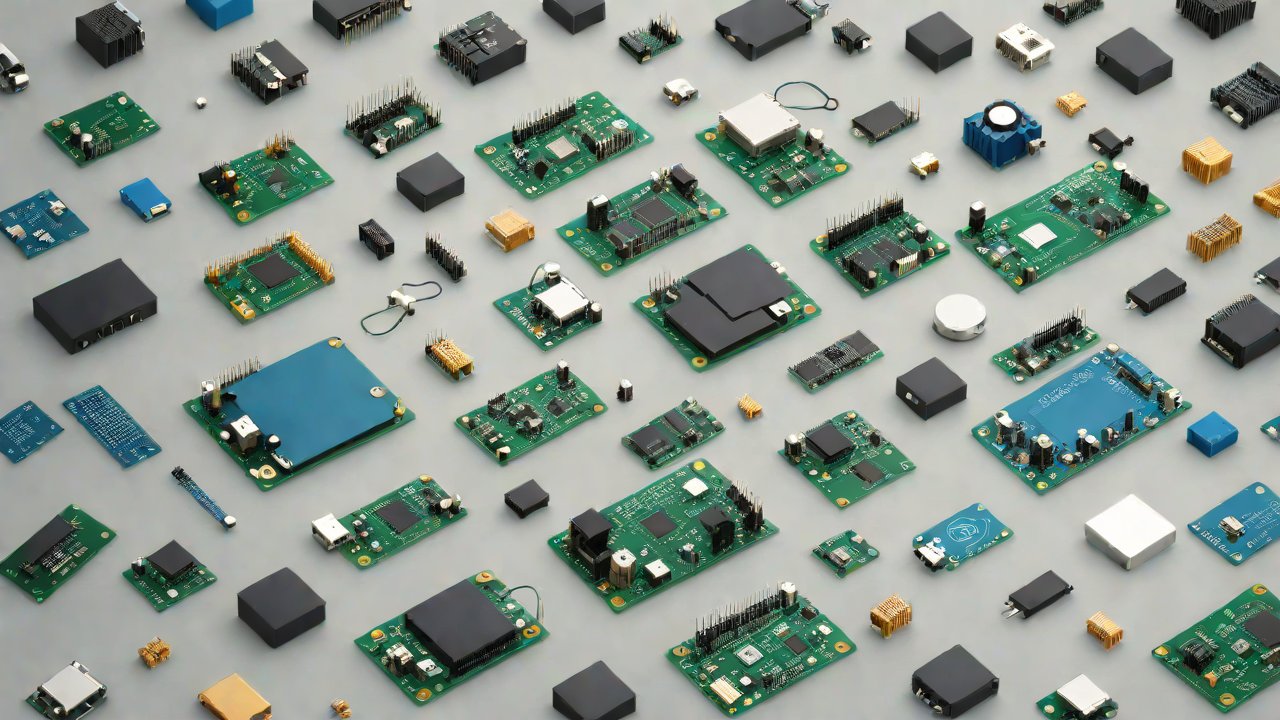
- Sensors: River level sensors (e.g., ultrasonic or radar sensors), rain gauges (e.g., tipping bucket or anemometers), and soil moisture sensors (e.g., capacitance or resistive sensors).
- IoT Gateway: A single-board computer (e.g., Raspberry Pi) or a dedicated IoT gateway device (e.g., Siemens SIMATIC IT).
- Communication Modules: Cellular (e.g., 4G/LTE) or wireless (e.g., LoRaWAN) modules for transmitting data to the cloud platform.
Communication Protocols
The system uses the following communication protocols:
| Protocol | Description |
|---|---|
| MQTT | Message Queue Telemetry Transport, a lightweight publish-subscribe protocol for IoT applications. |
| CoAP | Constrained Application Protocol, a lightweight RESTful protocol for constrained networks. |
Data Analytics and Alerting
The system uses machine learning algorithms to analyze sensor data in real-time, detecting anomalies and predicting flood events. Alerts are then sent to authorities and citizens through various channels (e.g., SMS, email, mobile apps).
Cost Analysis
The estimated cost of implementing the proposed system is:
| Component | Estimated Cost |
|---|---|
| Sensors | ¥10 million – ¥50 million |
| IoT Gateway | ¥5 million – ¥20 million |
| Communication Modules | ¥2 million – ¥10 million |
| Cloud Platform | ¥1 million – ¥5 million |
Total estimated cost: ¥18 million – ¥85 million
Security Considerations
The system requires robust security measures to prevent data tampering, unauthorized access, and other types of cyber threats. This includes:
- Encryption: Data encryption using secure protocols (e.g., SSL/TLS).
- Authentication: Secure authentication mechanisms for users and devices.
- Access Control: Role-based access control for authorized personnel.
Implementation Roadmap
The implementation roadmap consists of the following phases:
| Phase | Duration |
|---|---|
| System Design | 3 months |
| Hardware Procurement | 2 months |
| Software Development | 6 months |
| Testing and Deployment | 4 months |
Total duration: 15 months
Maintenance and Upgrades
The system requires regular maintenance and upgrades to ensure optimal performance. This includes:
- Software Updates: Regular software updates to fix bugs, add new features, and improve performance.
- Hardware Replacement: Scheduled replacement of hardware components (e.g., sensors, IoT gateway).
- Data Backup: Regular data backups to prevent loss in case of system failures.
Conclusion
The proposed flood monitoring and warning system using IoT technology offers a robust solution for protecting lives and property in Japan. The system’s architecture, hardware components, communication protocols, data analytics, and cost analysis are discussed in detail. The estimated cost of implementation is ¥18 million – ¥85 million, making it an affordable solution for local governments and communities.
FAQ
- Q: What types of sensors are used in the system?
A: River level sensors (ultrasonic or radar), rain gauges (tipping bucket or anemometers), and soil moisture sensors (capacitance or resistive). - Q: How does the IoT gateway collect data from sensors?
A: The IoT gateway uses a communication module to collect data from sensors, which is then transmitted to the cloud platform. - Q: What are the advantages of using MQTT protocol in the system?
A: MQTT offers low latency, high throughput, and secure data transmission. - Q: How does the system detect anomalies in sensor data?
A: The system uses machine learning algorithms to analyze sensor data in real-time, detecting anomalies and predicting flood events. - Q: What are the estimated costs of implementing the system?
A: ¥18 million – ¥85 million (sensors: ¥10 million – ¥50 million, IoT gateway: ¥5 million – ¥20 million, communication modules: ¥2 million – ¥10 million, cloud platform: ¥1 million – ¥5 million). - Q: How does the system ensure data security?
A: The system uses encryption (SSL/TLS), authentication mechanisms, and access control to prevent data tampering and unauthorized access. - Q: What are the maintenance requirements for the system?
A: Regular software updates, hardware replacement, and data backup to prevent loss in case of system failures. - Q: Can the system be integrated with existing infrastructure?
A: Yes, the system can be integrated with existing infrastructure (e.g., water treatment plants, dams). - Q: How does the system handle false alarms?
A: The system uses machine learning algorithms to reduce false alarms and improve accuracy. - Q: Can the system be expanded to other regions or countries?
A: Yes, the system can be adapted for use in other regions or countries with similar flood-prone areas. - Q: What are the advantages of using IoT technology in the system?
A: IoT offers real-time monitoring, data analytics, and automated alerting capabilities. - Q: How does the system handle large datasets?
A: The system uses a cloud-based platform to store and process large datasets. - Q: Can the system be used for other types of natural disasters (e.g., landslides, earthquakes)?
A: Yes, the system can be adapted for use in other types of natural disasters. - Q: How does the system ensure data accuracy?
A: The system uses multiple sensors and machine learning algorithms to improve data accuracy. - Q: Can the system be integrated with emergency services (e.g., 911)?
A: Yes, the system can be integrated with emergency services for timely response. - Q: How does the system handle power outages?
A: The system uses backup power sources (e.g., batteries) to ensure continued operation during power outages. - Q: Can the system be used for other applications (e.g., water quality monitoring)?
A: Yes, the system can be adapted for use in other applications. - Q: How does the system ensure user privacy?
A: The system uses secure authentication mechanisms and access control to protect user data. - Q: Can the system be expanded to include other types of sensors (e.g., weather stations)?
A: Yes, the system can be adapted for use with additional sensor types. - Q: How does the system handle software updates?
A: The system uses automated software update mechanisms to ensure timely updates. - Q: Can the system be used in areas with limited internet connectivity?
A: Yes, the system can be adapted for use in areas with limited internet connectivity (e.g., using cellular or satellite communication). - Q: How does the system ensure data integrity?
A: The system uses data encryption and secure authentication mechanisms to protect against data tampering. - Q: Can the system be integrated with other IoT systems?
A: Yes, the system can be integrated with other IoT systems for seamless communication. - Q: How does the system handle hardware failures?
A: The system uses redundant components and automated backup mechanisms to ensure continued operation during hardware failures. - Q: Can the system be used in areas with extreme weather conditions (e.g., hurricanes, wildfires)?
A: Yes, the system can be adapted for use in areas with extreme weather conditions.
IOT Cloud Platform
IOT Cloud Platform is an IoT portal established by a Chinese IoT company, focusing on technical solutions in the fields of agricultural IoT, industrial IoT, medical IoT, security IoT, military IoT, meteorological IoT, consumer IoT, automotive IoT, commercial IoT, infrastructure IoT, smart warehousing and logistics, smart home, smart city, smart healthcare, smart lighting, etc.
The IoT Cloud Platform blog is a top IoT technology stack, providing technical knowledge on IoT, robotics, artificial intelligence (generative artificial intelligence AIGC), edge computing, AR/VR, cloud computing, quantum computing, blockchain, smart surveillance cameras, drones, RFID tags, gateways, GPS, 3D printing, 4D printing, autonomous driving, etc.
Note: This article was professionally generated with the assistance of AIGC and has been fact-checked and manually corrected by IoT expert editor IoTCloudPlatForm.