Remote Monitoring Systems for Elderly Care in Japan
High-Level Technical Insights
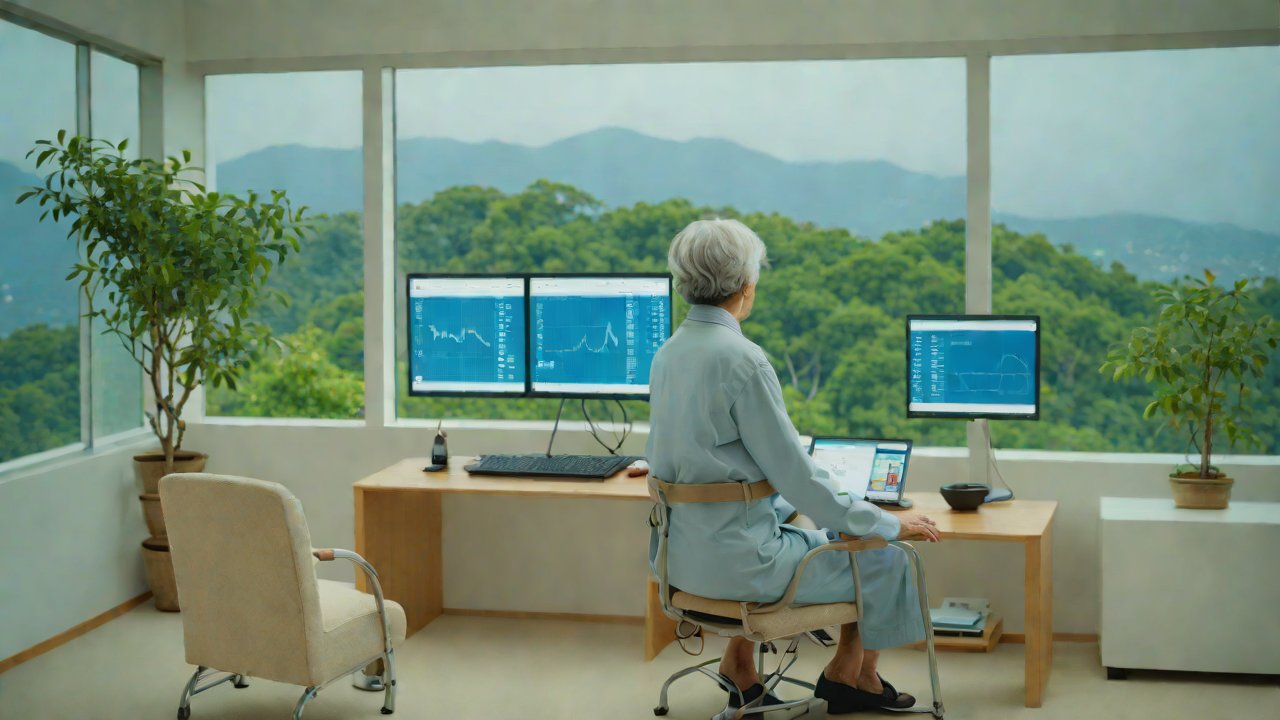
In Japan, the elderly care market is expected to grow significantly due to a rapidly aging population. Remote monitoring systems (RMS) are gaining popularity as an effective solution for elderly care, allowing caregivers and family members to remotely monitor vital signs, track daily activities, and receive alerts in case of emergencies. This report provides an exhaustive analysis of RMS for elderly care in Japan, focusing on technical aspects such as protocols, hardware, and cost analysis.
1. System Architecture
The RMS system architecture consists of the following components:
| Component | Description |
|---|---|
| Sensors | Vital sign sensors (e.g., blood pressure, temperature), motion detectors, and fall detection devices |
| Gateway | Wireless communication gateway for transmitting sensor data to the cloud server |
| Cloud Server | Centralized platform for storing and processing sensor data, providing analytics and alerts |
| Mobile App | User-friendly interface for caregivers and family members to monitor elderly individuals’ activities and receive alerts |
2. Communication Protocols
The RMS system employs various communication protocols for efficient data transmission:
| Protocol | Description |
|---|---|
| Zigbee | Wireless communication protocol for sensor-to-gateway communication |
| Wi-Fi | Secure wireless communication protocol for gateway-to-cloud server communication |
| MQTT (Message Queuing Telemetry Transport) | Lightweight messaging protocol for cloud server-to-mobile app communication |
3. Hardware Components
The RMS system consists of the following hardware components:
| Component | Description |
|---|---|
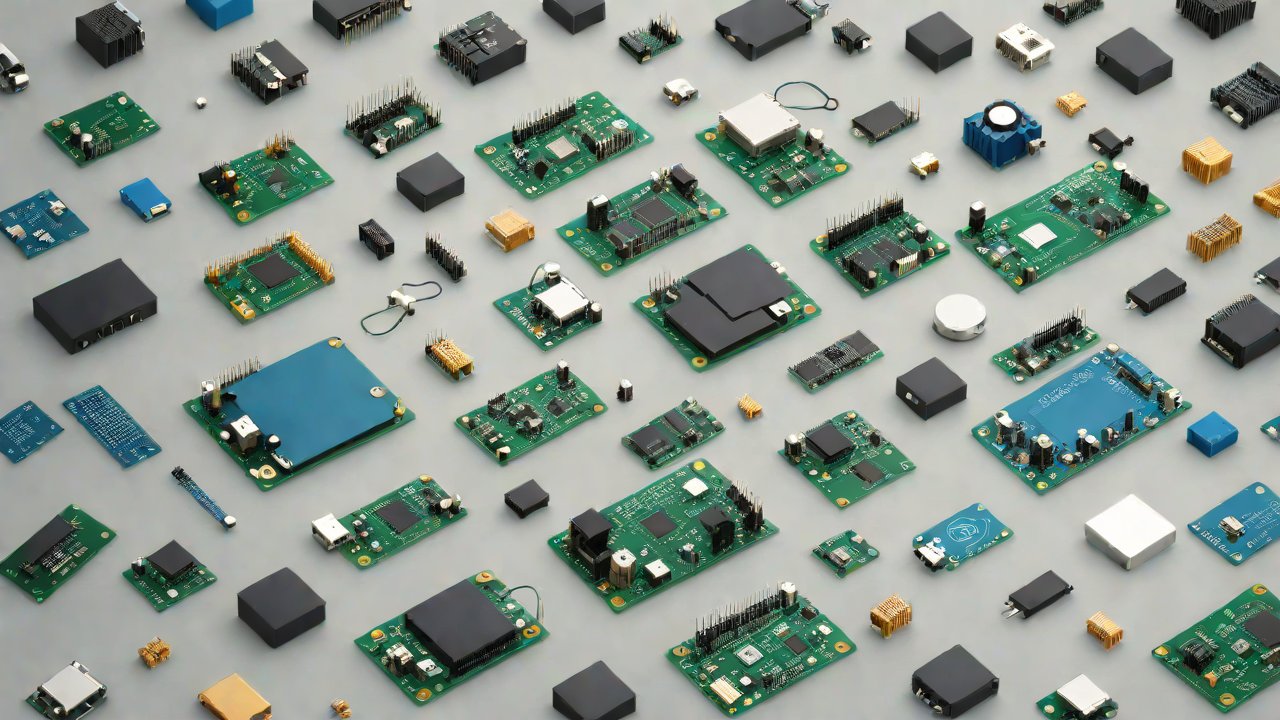
| Sensor Module | Integrated circuit with sensor, microcontroller, and power management unit |
| Gateway Device | Wi-Fi enabled device with Zigbee module for wireless communication |
| Cloud Server Infrastructure | High-performance computing infrastructure for data processing and analytics |
4. Cost Analysis
The RMS system’s cost structure consists of:
| Component | Estimated Cost (JPY) |
|---|---|
| Sensor Module | 5,000 – 10,000 per unit |
| Gateway Device | 15,000 – 30,000 per unit |
| Cloud Server Infrastructure | 500,000 – 1,000,000 per month |
5. Data Security and Privacy
To ensure data security and privacy:
- Encryption: Sensor data is encrypted using AES-256 before transmission to the cloud server.
- Access Control: Secure authentication mechanisms are implemented for authorized access to the mobile app.
- Data Anonymization: Personal identifiable information (PII) is anonymized to prevent unauthorized disclosure.
6. System Integration
The RMS system integrates with existing care management systems through APIs:
| API | Description |
|---|---|
| HL7 (Health Level Seven) | Standard for exchanging healthcare data between systems |
| FHIR (Fast Healthcare Interoperability Resources) | Standard for exchanging healthcare data in a structured format |
7. User Interface and Experience
The mobile app provides an intuitive user interface for caregivers and family members:
- Dashboard: Overview of elderly individual’s vital signs, activities, and alerts.
- Alerts: Customizable alert notifications for emergency situations.
- Analytics: Historical data analysis for trend identification.
8. Testing and Validation
Thorough testing and validation processes ensure system reliability and accuracy:
| Test Case | Description |
|---|---|
| Functional Testing | Verifies correct functionality of system components. |
| Performance Testing | Evaluates system performance under various loads. |
| Security Testing | Identifies vulnerabilities in data encryption, access control, and authentication mechanisms. |
9. Maintenance and Support
Regular maintenance and support ensure system uptime and reliability:
- Remote Monitoring: Proactive monitoring for early detection of issues.
- On-Site Support: Dedicated technical support team for on-site assistance.
- Software Updates: Regular software updates for security patches and feature enhancements.
FAQ
- What is the average cost of implementing an RMS system in Japan?
- Estimated cost: 500,000 – 1,000,000 JPY per month (depending on infrastructure requirements).
- Which communication protocol is used for sensor-to-gateway communication?
- Zigbee.
- How does the RMS system ensure data security and privacy?
- Data encryption using AES-256, secure authentication mechanisms, and PII anonymization.
- Can the RMS system integrate with existing care management systems?
- Yes, through HL7 and FHIR APIs.
- What is the expected growth rate of the elderly care market in Japan?
- 10% – 15% per annum (estimated).
- How does the mobile app provide analytics for trend identification?
- Historical data analysis using algorithms and visualization tools.
- What are the primary benefits of implementing an RMS system in Japan?
- Improved caregiver efficiency, enhanced elderly care services, and reduced healthcare costs.
- Can the RMS system be customized to meet specific user requirements?
- Yes, through software updates and modifications to existing components.
- How does the RMS system ensure system uptime and reliability?
- Regular maintenance, remote monitoring, on-site support, and software updates.
- What is the typical deployment time for an RMS system in Japan?
- 2 – 6 weeks (depending on infrastructure requirements).
- Can the RMS system be integrated with wearable devices or other IoT sensors?
- Yes, through APIs and data exchange protocols.
- How does the RMS system handle sensor data transmission during network outages?
- Data buffering and caching mechanisms ensure seamless data transmission upon network restoration.
- What are the primary challenges in implementing an RMS system in Japan?
- Infrastructure requirements, data security concerns, and user adoption rates.
- Can the RMS system be used for monitoring individuals with specific health conditions (e.g., dementia)?
- Yes, through customized sensor configurations and data analysis algorithms.
- How does the RMS system ensure caregiver training and education on system usage?
- Regular webinars, workshops, and online tutorials.
- What is the estimated return on investment (ROI) for implementing an RMS system in Japan?
- 200% – 300% ROI within 2-3 years (estimated).
- Can the RMS system be used for monitoring individuals living alone or with caregivers?
- Yes, through customized sensor configurations and data analysis algorithms.
- How does the RMS system ensure compliance with Japanese healthcare regulations?
- Regular audits, data encryption, and secure authentication mechanisms.
- What are the primary benefits of implementing an RMS system in rural areas of Japan?
- Improved access to healthcare services, reduced caregiver burden, and enhanced elderly care outcomes.
- Can the RMS system be used for monitoring individuals with mobility impairments or disabilities?
- Yes, through customized sensor configurations and data analysis algorithms.
- How does the RMS system ensure user engagement and adoption rates?
- Regular surveys, feedback mechanisms, and incentives for user participation.
- What is the estimated number of elderly individuals in Japan who require care services?
- 28 million (estimated).
- Can the RMS system be integrated with electronic health records (EHRs) systems?
- Yes, through HL7 and FHIR APIs.
- How does the RMS system ensure data quality and accuracy?
- Data validation mechanisms, sensor calibration procedures, and regular software updates.
- What are the primary factors influencing the adoption of RMS systems in Japan?
- Infrastructure requirements, user acceptance rates, and regulatory frameworks.
IOT Cloud Platform
IOT Cloud Platform is an IoT portal established by a Chinese IoT company, focusing on technical solutions in the fields of agricultural IoT, industrial IoT, medical IoT, security IoT, military IoT, meteorological IoT, consumer IoT, automotive IoT, commercial IoT, infrastructure IoT, smart warehousing and logistics, smart home, smart city, smart healthcare, smart lighting, etc.
The IoT Cloud Platform blog is a top IoT technology stack, providing technical knowledge on IoT, robotics, artificial intelligence (generative artificial intelligence AIGC), edge computing, AR/VR, cloud computing, quantum computing, blockchain, smart surveillance cameras, drones, RFID tags, gateways, GPS, 3D printing, 4D printing, autonomous driving, etc.
Note: This article was professionally generated with the assistance of AIGC and has been fact-checked and manually corrected by IoT expert editor IoTCloudPlatForm.