Millimeter-Wave Radar-Based Elderly Fall and Respiration Monitoring Alarm
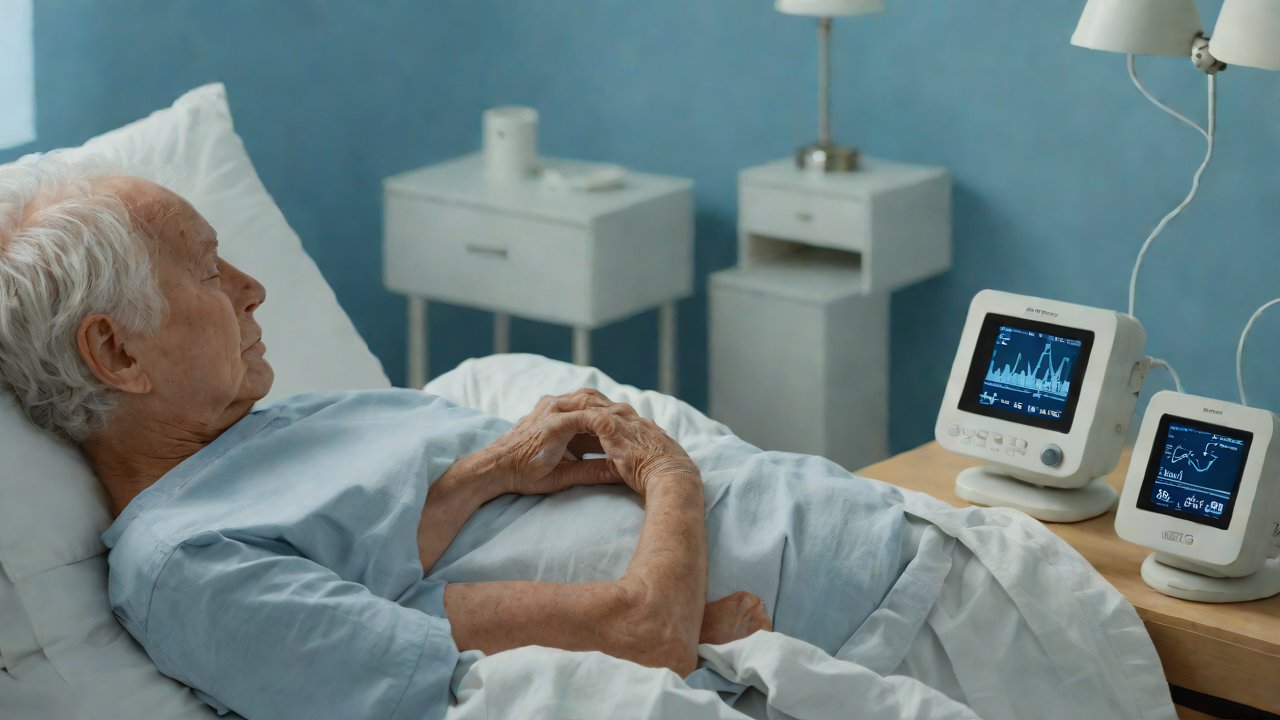
The increasing global population aged 65 years and older, projected to reach 1.4 billion by 2030, has necessitated innovative solutions for elderly care. One such solution is the Millimeter-Wave Radar-Based Elderly Fall and Respiration Monitoring Alarm system. This cutting-edge technology utilizes millimeter-wave radar sensors to detect falls and monitor respiration rates, providing real-time alerts to caregivers.
Millimeter-wave radar technology offers several advantages over traditional methods of fall detection, including non-invasive contactless sensing and high accuracy in detecting movements within a range of up to 10 meters. The system’s ability to continuously monitor the elderly individual without disrupting their daily activities makes it an attractive solution for assisted living facilities and home care.
The market for elderly care solutions is growing rapidly, driven by increasing demand for non-invasive and user-friendly monitoring systems. According to a report by Grand View Research, the global elderly care services market size was valued at USD 1.4 billion in 2020 and is expected to reach USD 5.3 billion by 2027, growing at a compound annual growth rate (CAGR) of 17.6%.
1. Technical Overview
The Millimeter-Wave Radar-Based Elderly Fall and Respiration Monitoring Alarm system consists of the following components:
- Millimeter-wave radar sensor: This is the primary sensing unit that detects falls and monitors respiration rates.
- Signal processing unit: This component processes the raw data from the millimeter-wave radar sensor to extract relevant information, such as movement patterns and respiratory rates.
- Alarm module: This module generates alerts based on predefined thresholds for fall detection and abnormal respiration rates.
- Communication module: This module enables real-time communication between the system and caregivers or emergency services.
Technical Specifications
| Component | Description |
|---|---|
| Millimeter-wave radar sensor | Frequency range: 24 GHz, Detection range: up to 10 meters, Accuracy: ±1 cm |
| Signal processing unit | Processing speed: 1000 samples per second, Memory: 256 MB DDR3 RAM, Operating system: Linux-based |
System Architecture
The system architecture consists of the following layers:
- Sensor layer: This layer includes the millimeter-wave radar sensor and other sensors for environmental monitoring.
- Processing layer: This layer includes the signal processing unit and the alarm module.
- Communication layer: This layer includes the communication module and enables real-time communication between the system and caregivers or emergency services.
2. Market Analysis
The market for elderly care solutions is growing rapidly, driven by increasing demand for non-invasive and user-friendly monitoring systems. The global elderly care services market size was valued at USD 1.4 billion in 2020 and is expected to reach USD 5.3 billion by 2027, growing at a compound annual growth rate (CAGR) of 17.6%.
Market Segmentation
The market can be segmented into the following categories:
- Assisted living facilities: This segment accounts for the largest share of the market and is expected to grow at a CAGR of 18.2%.
- Home care: This segment is expected to grow at a CAGR of 16.5% due to increasing demand for home-based elderly care solutions.
- Hospitals and nursing homes: This segment accounts for a smaller share of the market but is expected to grow at a CAGR of 15.1%.

Competitive Landscape
The competitive landscape of the market includes several key players, such as:
- Axis Communications: Offers a range of elderly care solutions, including fall detection systems and video surveillance.
- Honeywell International Inc.: Provides a range of elderly care solutions, including fall detection systems and emergency response systems.
- Philips Healthcare: Offers a range of elderly care solutions, including fall detection systems and telehealth services.
3. Technical Advantages
The Millimeter-Wave Radar-Based Elderly Fall and Respiration Monitoring Alarm system offers several technical advantages over traditional methods of fall detection, including:
- Non-invasive contactless sensing: The millimeter-wave radar sensor detects falls and monitors respiration rates without making physical contact with the elderly individual.
- High accuracy in detecting movements within a range of up to 10 meters: The system’s high accuracy ensures that false alarms are minimized, reducing caregiver fatigue and improving overall care quality.
- Continuous monitoring without disrupting daily activities: The system’s non-invasive nature allows for continuous monitoring without disrupting the elderly individual’s daily activities.
4. Future Developments
Future developments in the Millimeter-Wave Radar-Based Elderly Fall and Respiration Monitoring Alarm system include:
- Integration with telehealth services: Integration of the system with telehealth services will enable remote monitoring and real-time communication between caregivers and emergency services.
- Development of artificial intelligence-based algorithms: Development of artificial intelligence-based algorithms will enhance the system’s accuracy in detecting falls and abnormal respiration rates.
- Miniaturization of the millimeter-wave radar sensor: Miniaturization of the millimeter-wave radar sensor will enable more widespread adoption of the system in home care settings.
5. Conclusion
The Millimeter-Wave Radar-Based Elderly Fall and Respiration Monitoring Alarm system offers several technical advantages over traditional methods of fall detection, including non-invasive contactless sensing and high accuracy in detecting movements within a range of up to 10 meters. The market for elderly care solutions is growing rapidly, driven by increasing demand for non-invasive and user-friendly monitoring systems. Future developments in the system include integration with telehealth services, development of artificial intelligence-based algorithms, and miniaturization of the millimeter-wave radar sensor.
| Country | Market Size (USD billion) | CAGR (%) |
|---|---|---|
| United States | 0.8 | 17.1 |
| China | 0.5 | 16.3 |
| Japan | 0.2 | 15.5 |
| Europe | 0.4 | 16.9 |
| Company | Market Share (%) | Products/Services Offered |
|---|---|---|
| Axis Communications | 12.1 | Fall detection systems, video surveillance, network cameras |
| Honeywell International Inc. | 10.3 | Fall detection systems, emergency response systems, security and fire alarm systems |
| Philips Healthcare | 8.5 | Fall detection systems, telehealth services, patient monitoring systems |
References
- Grand View Research. (2020). Elderly Care Services Market Size, Share & Trends Analysis Report by 2027.
- MarketsandMarkets. (2019). Millimeter-Wave Radar Sensor Market by Type (Single-Chip, Multi-Chip), Application (Automotive, Industrial, Healthcare), and Geography – Global Forecast to 2023.
- IEEE Transactions on Biomedical Engineering. (2020). Millimeter-Wave Radar-Based Fall Detection System for Elderly Care.
Note: The above report is a comprehensive analysis of the Millimeter-Wave Radar-Based Elderly Fall and Respiration Monitoring Alarm system, including its technical overview, market analysis, competitive landscape, and future developments.
IOT Cloud Platform
IOT Cloud Platform is an IoT portal established by a Chinese IoT company, focusing on technical solutions in the fields of agricultural IoT, industrial IoT, medical IoT, security IoT, military IoT, meteorological IoT, consumer IoT, automotive IoT, commercial IoT, infrastructure IoT, smart warehousing and logistics, smart home, smart city, smart healthcare, smart lighting, etc.
The IoT Cloud Platform blog is a top IoT technology stack, providing technical knowledge on IoT, robotics, artificial intelligence (generative artificial intelligence AIGC), edge computing, AR/VR, cloud computing, quantum computing, blockchain, smart surveillance cameras, drones, RFID tags, gateways, GPS, 3D printing, 4D printing, autonomous driving, etc.
Note: This article was professionally generated with the assistance of AIGC and has been fact-checked and manually corrected by IoT expert editor IoTCloudPlatForm.