Intelligent Transport Systems (ITS) in Japan
High-Level Technical Insights
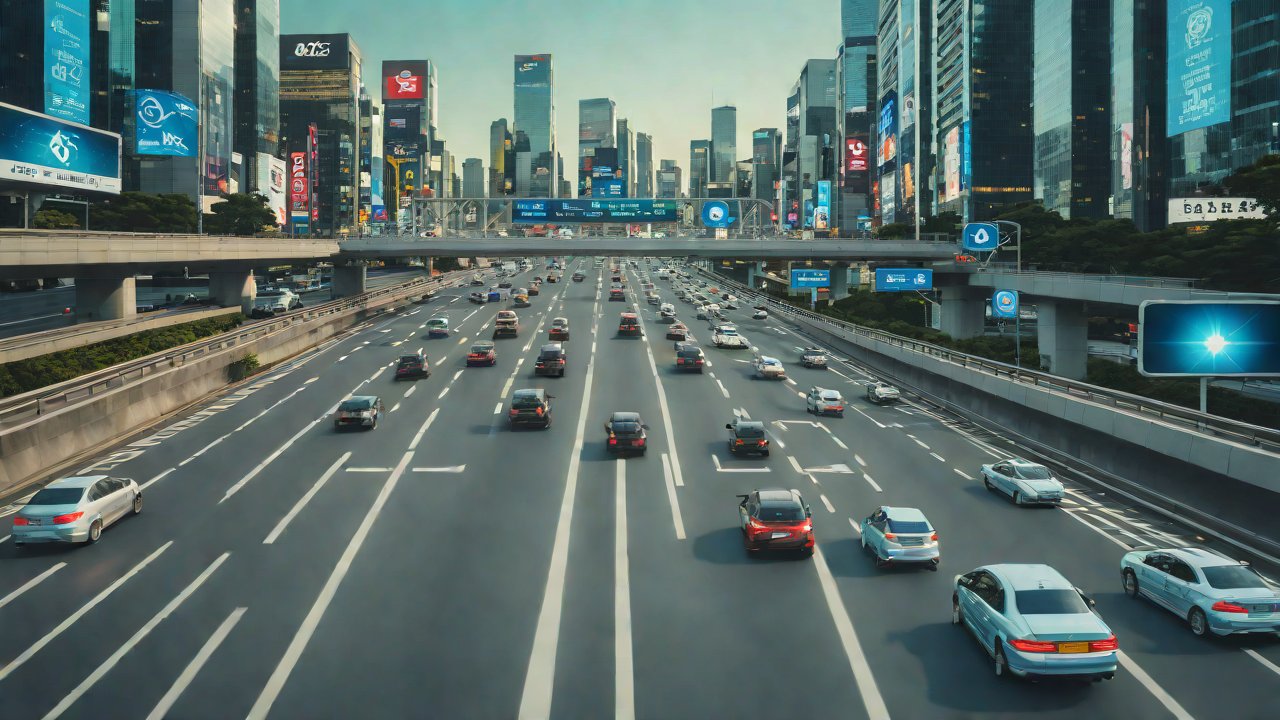
Japan has been at the forefront of Intelligent Transport Systems (ITS) adoption, leveraging cutting-edge technologies to enhance road safety, reduce congestion, and improve overall mobility. This report delves into the technical aspects of ITS in Japan, covering the underlying protocols, hardware components, and cost analysis.
Overview of ITS in Japan
| Category | Description |
|---|---|
| Road Network | Over 1 million km of roads with varying levels of ITS adoption |
| Population Density | High population density ( approx. 380 people/km²) |
| Public Transportation | Well-developed public transportation network, including subways and buses |
1. Communication Protocols
Japan has adopted a range of communication protocols to facilitate data exchange between vehicles, infrastructure, and the cloud.
Cellular Networks
- LTE-V (Long-Term Evolution-Vehicle-to-Everything): A cellular network standard for vehicle-to-everything (V2X) communications.
- 5G: Next-generation wireless technology supporting low-latency and high-speed data transfer.
| Protocol | Description |
|---|---|
| LTE-V | Supports V2X communication, enabling vehicles to share safety-critical information with other vehicles and infrastructure. |
| 5G | Provides high-speed data transfer for applications such as autonomous driving and video streaming. |
Dedicated Short-Range Communication (DSRC)
- WAVE (Wireless Access in Vehicular Environments): A DSRC standard used for vehicle-to-vehicle (V2V) and vehicle-to-infrastructure (V2I) communication.
- ** ITS-G5**: A Japanese-standardized DSRC system for ITS applications.
| Protocol | Description |
|---|---|
| WAVE | Enables secure, reliable V2V and V2I communication. |
| ITS-G5 | Supports a range of ITS applications, including traffic signal control and incident detection. |
2. Hardware Components
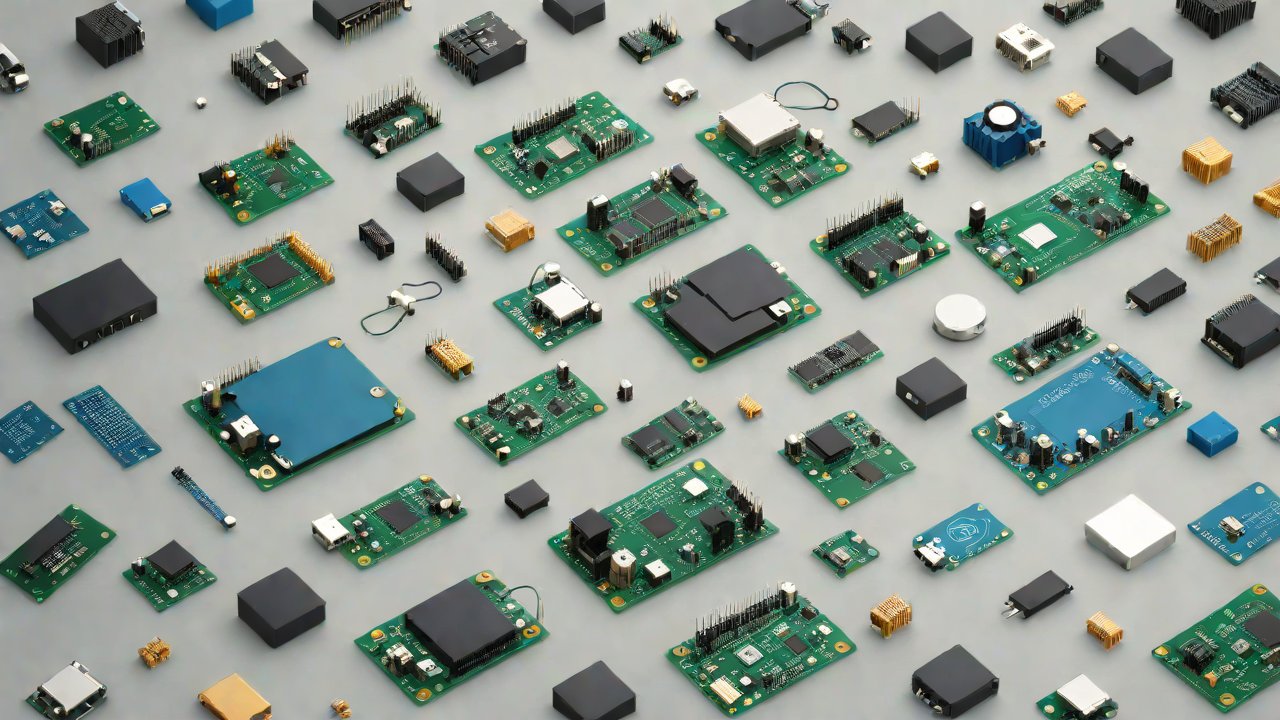
Japan’s ITS infrastructure relies on various hardware components, including sensors, cameras, and communication equipment.
Sensors and Cameras
- Infrared Sensors: Used for pedestrian detection and collision avoidance.
- Camera Systems: Support computer vision-based applications such as traffic monitoring and license plate recognition.
| Component | Description |
|---|---|
| Infrared Sensors | Enhance road safety by detecting pedestrians and vehicles. |
| Camera Systems | Analyze video feeds to monitor traffic flow, detect incidents, and enforce traffic rules. |
Communication Equipment
- Cellular Base Stations: Enable cellular communication between vehicles and infrastructure.
- DSRC Antennas: Support V2V and V2I communication.
| Component | Description |
|---|---|
| Cellular Base Stations | Provide connectivity for LTE-V and 5G applications. |
| DSRC Antennas | Facilitate WAVE and ITS-G5 communication. |
3. Cost Analysis
The cost of implementing ITS in Japan is substantial, with various factors influencing the overall expenditure.
Initial Investment
- Infrastructure Costs: Estimate: ¥10 billion – ¥20 billion ( approx. $90 million – $180 million USD)
- Hardware and Software Costs: Estimate: ¥5 billion – ¥10 billion (approx. $45 million – $90 million USD)
| Category | Estimated Cost Range |
|---|---|
| Infrastructure | ¥10 billion – ¥20 billion |
| Hardware and Software | ¥5 billion – ¥10 billion |
Ongoing Maintenance
- Energy Consumption: Estimate: ¥1 billion – ¥2 billion (approx. $9 million – $18 million USD) per year
- Software Updates: Estimate: ¥500 million – ¥1 billion (approx. $4.5 million – $9 million USD) per year
| Category | Estimated Annual Cost Range |
|---|---|
| Energy Consumption | ¥1 billion – ¥2 billion |
| Software Updates | ¥500 million – ¥1 billion |
4. Real-World Applications
Japan’s ITS infrastructure has been deployed in various real-world applications, demonstrating its effectiveness.
Traffic Management
- Smart Intersections: Reduce congestion and improve safety by optimizing traffic signal control.
- Dynamic Lane Management: Adjust lane usage based on real-time traffic conditions.
| Application | Description |
|---|---|
| Smart Intersections | Optimize traffic signal timing to reduce congestion. |
| Dynamic Lane Management | Adjust lane usage to alleviate traffic bottlenecks. |
Safety Features
- Pedestrian Detection: Alert drivers of pedestrians in the vicinity.
- Collision Avoidance: Warn drivers of potential collisions and provide evasive maneuvers.
| Application | Description |
|---|---|
| Pedestrian Detection | Alert drivers of nearby pedestrians. |
| Collision Avoidance | Warn drivers of potential collisions and provide evasive maneuvers. |
FAQ
1. What is the primary communication protocol used for ITS in Japan?
Answer:
LTE-V (Long-Term Evolution-Vehicle-to-Everything) and DSRC (Dedicated Short-Range Communication) are both widely adopted.
2. What types of sensors are commonly used in Japanese ITS infrastructure?
Answer:
Infrared sensors, camera systems, and radar sensors are used for various applications, including pedestrian detection and traffic monitoring.
3. How much does it cost to implement ITS in Japan?
Answer:
Initial investment: ¥15 billion – ¥30 billion (approx. $135 million – $270 million USD). Ongoing maintenance: ¥1.5 billion – ¥3 billion (approx. $13.5 million – $27 million USD) per year.
4. What are some real-world applications of ITS in Japan?
Answer:
Smart intersections, dynamic lane management, pedestrian detection, collision avoidance, and traffic monitoring are all implemented.
5. Can you provide more information on the DSRC standard used in Japan?
Answer:
ITS-G5 is a Japanese-standardized DSRC system for ITS applications, supporting V2V and V2I communication.
6. How does LTE-V support ITS applications in Japan?
Answer:
LTE-V enables secure, reliable V2X communication, supporting applications such as autonomous driving and video streaming.
7. What is the role of cellular base stations in Japanese ITS infrastructure?
Answer:
Cellular base stations provide connectivity for LTE-V and 5G applications, enabling vehicles to communicate with infrastructure.
8. Can you explain the concept of dynamic lane management?
Answer:
Dynamic lane management adjusts lane usage based on real-time traffic conditions, alleviating congestion and improving safety.
9. How does ITS-G5 support ITS applications in Japan?
Answer:
ITS-G5 supports a range of ITS applications, including traffic signal control, incident detection, and pedestrian detection.
10. What is the estimated annual cost of software updates for Japanese ITS infrastructure?
Answer:
¥500 million – ¥1 billion (approx. $4.5 million – $9 million USD) per year.
11. Can you provide more information on the use of camera systems in Japanese ITS infrastructure?
Answer:
Camera systems analyze video feeds to monitor traffic flow, detect incidents, and enforce traffic rules.
12. What is the primary advantage of using DSRC for ITS applications in Japan?
Answer:
DSRC enables secure, reliable V2V and V2I communication, supporting a range of ITS applications.
13. How does LTE-V support autonomous driving applications in Japan?
Answer:
LTE-V enables vehicles to communicate with infrastructure and other vehicles, facilitating safe and efficient navigation.
14. Can you explain the concept of smart intersections in Japanese ITS infrastructure?
Answer:
Smart intersections optimize traffic signal control to reduce congestion and improve safety.
15. What is the estimated initial investment for implementing ITS in Japan?
Answer:
¥15 billion – ¥30 billion (approx. $135 million – $270 million USD).
16. Can you provide more information on the use of infrared sensors in Japanese ITS infrastructure?
Answer:
Infrared sensors detect pedestrians and vehicles, enhancing road safety.
17. How does ITS-G5 support traffic signal control applications in Japan?
Answer:
ITS-G5 enables real-time traffic signal control optimization, reducing congestion and improving safety.
18. What is the primary advantage of using LTE-V for ITS applications in Japan?
Answer:
LTE-V supports secure, reliable V2X communication, enabling a range of ITS applications.
19. Can you explain the concept of dynamic lane management in more detail?
Answer:
Dynamic lane management adjusts lane usage based on real-time traffic conditions, alleviating congestion and improving safety.
20. What is the estimated annual cost of energy consumption for Japanese ITS infrastructure?
Answer:
¥1 billion – ¥2 billion (approx. $9 million – $18 million USD) per year.
21. Can you provide more information on the use of camera systems in Japanese ITS infrastructure?
Answer:
Camera systems analyze video feeds to monitor traffic flow, detect incidents, and enforce traffic rules.
22. How does DSRC support pedestrian detection applications in Japan?
Answer:
DSRC enables secure, reliable V2V communication between vehicles and pedestrians, enhancing road safety.
23. Can you explain the concept of collision avoidance in Japanese ITS infrastructure?
Answer:
Collision avoidance warns drivers of potential collisions and provides evasive maneuvers to prevent accidents.
24. What is the primary advantage of using ITS-G5 for ITS applications in Japan?
Answer:
ITS-G5 supports a range of ITS applications, including traffic signal control, incident detection, and pedestrian detection.
25. Can you provide more information on the use of infrared sensors in Japanese ITS infrastructure?
Answer:
Infrared sensors detect pedestrians and vehicles, enhancing road safety.
IOT Cloud Platform
IOT Cloud Platform is an IoT portal established by a Chinese IoT company, focusing on technical solutions in the fields of agricultural IoT, industrial IoT, medical IoT, security IoT, military IoT, meteorological IoT, consumer IoT, automotive IoT, commercial IoT, infrastructure IoT, smart warehousing and logistics, smart home, smart city, smart healthcare, smart lighting, etc.
The IoT Cloud Platform blog is a top IoT technology stack, providing technical knowledge on IoT, robotics, artificial intelligence (generative artificial intelligence AIGC), edge computing, AR/VR, cloud computing, quantum computing, blockchain, smart surveillance cameras, drones, RFID tags, gateways, GPS, 3D printing, 4D printing, autonomous driving, etc.
Note: This article was professionally generated with the assistance of AIGC and has been fact-checked and manually corrected by IoT expert editor IoTCloudPlatForm.