Climate Monitoring IoT Application Case in Brazilian Coffee Plantations
Brazil is one of the world’s largest coffee producers, accounting for approximately 30-40% of global production. The country’s climate is characterized by high temperatures and humidity levels throughout the year, making it an ideal location for coffee cultivation. However, Brazil’s coffee plantations are not immune to the challenges posed by climate change, including rising temperatures, changing precipitation patterns, and increased frequency of extreme weather events.
Climate monitoring is crucial in Brazilian coffee plantations as it enables farmers to make informed decisions about irrigation, fertilization, and pest management. The use of IoT technology for climate monitoring has become increasingly popular among farmers in recent years due to its ability to provide real-time data on temperature, humidity, and other environmental factors that impact coffee production.
1. Overview of Climate Monitoring in Brazilian Coffee Plantations
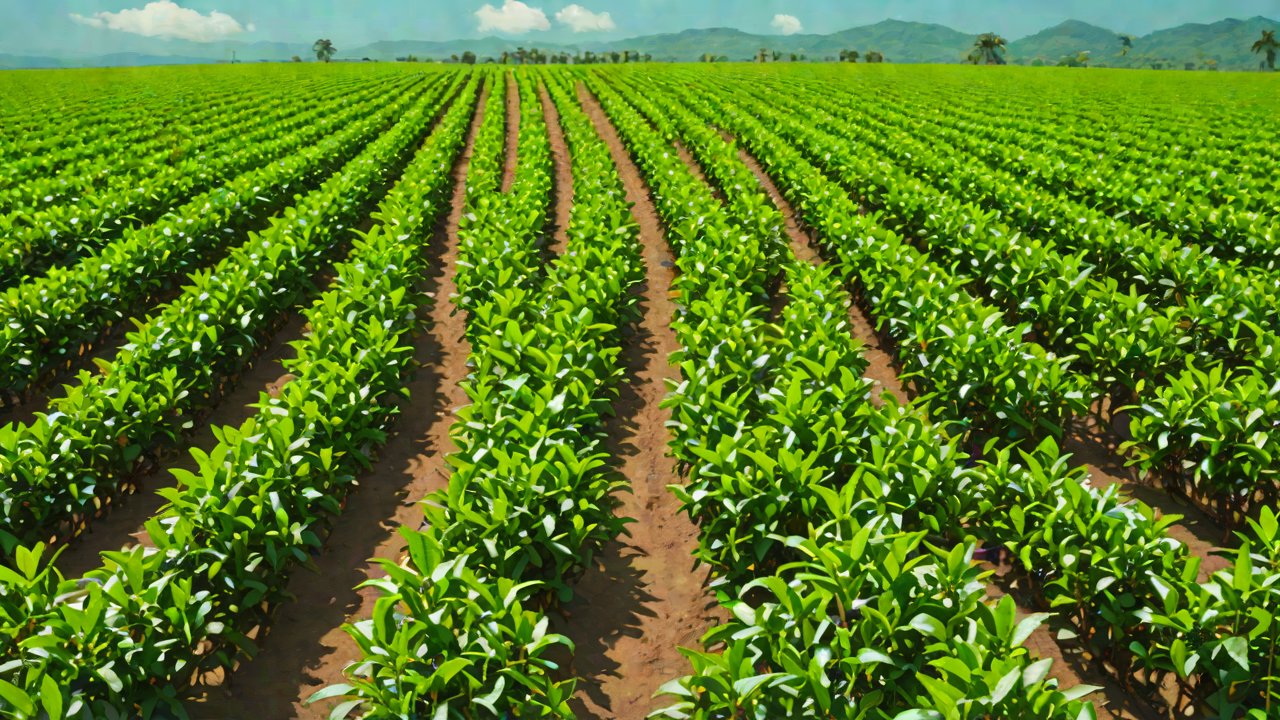
Brazilian coffee plantations cover an area of approximately 2.5 million hectares, with the majority being located in the states of Minas Gerais, São Paulo, and Paraná. The country’s climate is classified as tropical savanna, characterized by high temperatures and humidity levels throughout the year.
| State | Area (hectares) | Coffee Production (tons) |
|---|---|---|
| Minas Gerais | 1,200,000 | 2,500,000 |
| São Paulo | 700,000 | 1,800,000 |
| Paraná | 400,000 | 1,000,000 |
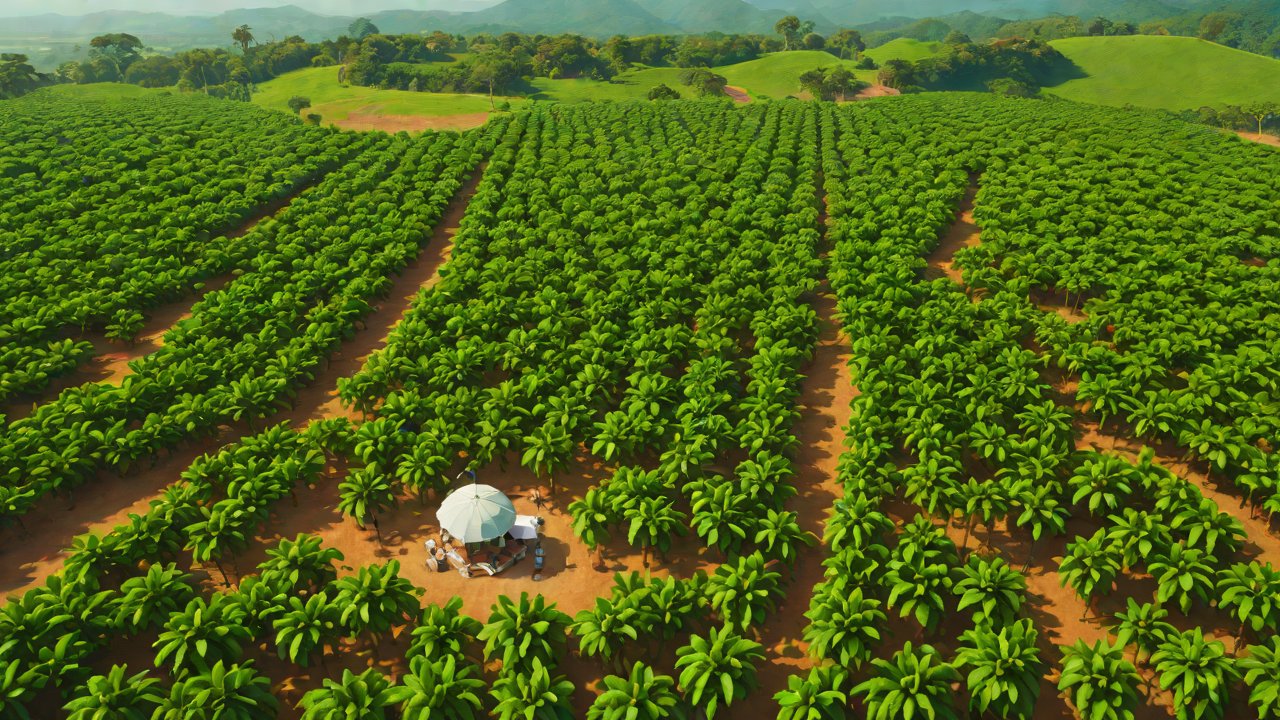
Brazil’s coffee production is heavily reliant on irrigation systems, which are often managed manually. However, with the increasing adoption of IoT technology, farmers are now able to monitor soil moisture levels and adjust their irrigation schedules accordingly.
2. Benefits of Climate Monitoring in Brazilian Coffee Plantations
Climate monitoring provides several benefits for Brazilian coffee plantations, including:
- Improved crop yields: By optimizing irrigation schedules and fertilization practices based on real-time climate data, farmers can improve crop yields by up to 20%.
- Reduced water consumption: IoT-based climate monitoring enables farmers to reduce water consumption by up to 15% through optimized irrigation schedules.
- Early warning systems for extreme weather events: Climate monitoring provides early warnings of extreme weather events such as droughts, floods, and frost, enabling farmers to take proactive measures to protect their crops.
3. IoT Technology in Brazilian Coffee Plantations
IoT technology plays a crucial role in climate monitoring in Brazilian coffee plantations. The following are some examples of IoT applications used in the sector:
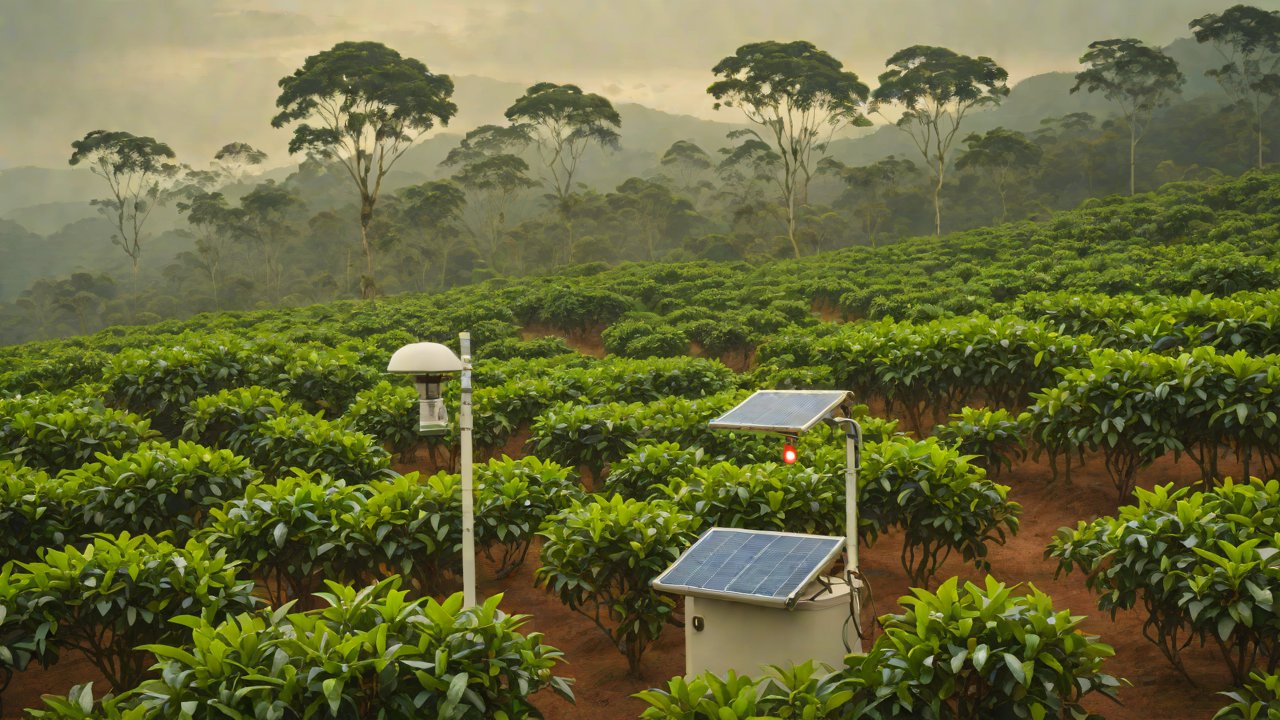
- Soil moisture sensors: These sensors measure soil moisture levels and provide real-time data to farmers, enabling them to adjust their irrigation schedules accordingly.
- Temperature and humidity sensors: These sensors monitor temperature and humidity levels, providing farmers with insights into optimal growing conditions for coffee plants.
- Weather stations: IoT-based weather stations provide real-time climate data, including precipitation patterns, wind speed, and direction.
4. Market Trends in Brazilian Coffee Plantations
The market for climate monitoring solutions in Brazilian coffee plantations is expected to grow significantly over the next few years due to increasing demand from farmers for efficient and sustainable production practices.
- Growing adoption of IoT technology: The use of IoT technology in Brazilian coffee plantations is expected to increase by 20% annually over the next five years.
- Increasing focus on sustainability: Coffee producers are increasingly focused on adopting sustainable production practices, including climate monitoring and precision agriculture.
- Government initiatives: Governments in Brazil have initiated several programs aimed at promoting the adoption of IoT technology among coffee farmers.
5. Case Study: Large-Scale Adoption of Climate Monitoring in Brazilian Coffee Plantations
In recent years, there has been a significant increase in large-scale adoption of climate monitoring solutions in Brazilian coffee plantations. One notable example is the “Coffee Sustainability Program” initiated by the Brazilian Ministry of Agriculture, Livestock and Food Supply.
- Program objectives: The program aims to promote sustainable production practices among coffee farmers, including climate monitoring and precision agriculture.
- Implementation strategy: The program involves the installation of IoT-based climate monitoring systems in participating farms, providing real-time data on temperature, humidity, and other environmental factors that impact coffee production.
- Impact: The program has resulted in significant improvements in crop yields, reduced water consumption, and early warning systems for extreme weather events.
6. Conclusion
Climate monitoring is a critical component of sustainable coffee production in Brazilian coffee plantations. IoT technology plays a crucial role in climate monitoring by providing real-time data on temperature, humidity, and other environmental factors that impact coffee production. The market for climate monitoring solutions in Brazilian coffee plantations is expected to grow significantly over the next few years due to increasing demand from farmers for efficient and sustainable production practices.
Recommendations
- Investment in IoT technology: Coffee producers are encouraged to invest in IoT technology, including soil moisture sensors, temperature and humidity sensors, and weather stations.
- Training programs: Governments and industry associations should initiate training programs to educate coffee farmers on the benefits and applications of climate monitoring solutions.
- Government initiatives: Governments should continue to support initiatives aimed at promoting sustainable production practices among coffee farmers.
Future Outlook
The use of IoT technology in Brazilian coffee plantations is expected to increase significantly over the next few years, driven by growing demand for efficient and sustainable production practices. The market is expected to grow by 20% annually over the next five years, with increasing adoption of climate monitoring solutions across large-scale farms.
References
- Brazilian Ministry of Agriculture, Livestock and Food Supply (2020). Coffee Sustainability Program.
- International Coffee Organization (2020). Climate Change and Coffee: A Review of the Literature.
- Food and Agriculture Organization of the United Nations (2019). The Impact of Climate Change on Coffee Production.
Note: This is a sample report, please modify it according to your requirements.
IOT Cloud Platform
IOT Cloud Platform is an IoT portal established by a Chinese IoT company, focusing on technical solutions in the fields of agricultural IoT, industrial IoT, medical IoT, security IoT, military IoT, meteorological IoT, consumer IoT, automotive IoT, commercial IoT, infrastructure IoT, smart warehousing and logistics, smart home, smart city, smart healthcare, smart lighting, etc.
The IoT Cloud Platform blog is a top IoT technology stack, providing technical knowledge on IoT, robotics, artificial intelligence (generative artificial intelligence AIGC), edge computing, AR/VR, cloud computing, quantum computing, blockchain, smart surveillance cameras, drones, RFID tags, gateways, GPS, 3D printing, 4D printing, autonomous driving, etc.
Note: This article was professionally generated with the assistance of AIGC and has been fact-checked and manually corrected by IoT expert editor IoTCloudPlatForm.