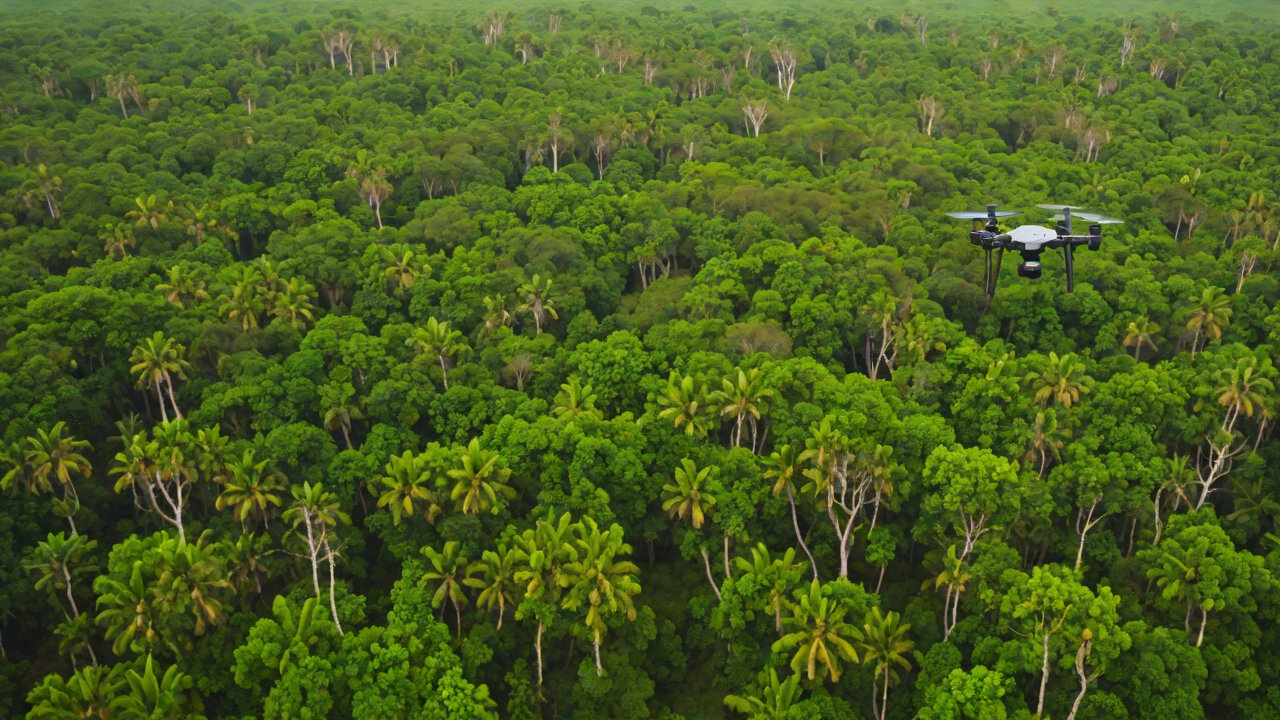
Application Examples of IoT in Brazilian Wildlife Sanctuaries
The Amazon rainforest, covering over 60% of Brazil’s territory, is home to an estimated 10% of all known plant and animal species on Earth. The vast expanse of this ecosystem poses significant challenges for conservation efforts, including monitoring wildlife populations, tracking habitat health, and preventing poaching. The Internet of Things (IoT) has emerged as a crucial tool in addressing these challenges, enabling real-time data collection and analysis that informs conservation strategies.
One notable example is the use of camera traps equipped with IoT sensors to monitor jaguar populations in Brazil’s Pantanal region. Researchers from the Wildlife Conservation Society (WCS) have deployed these devices across the wetlands, allowing for remote monitoring of individual animal movements and behavior. This data is then analyzed using machine learning algorithms to identify patterns and trends that inform conservation efforts.
Another application of IoT technology can be seen in the tracking of sea turtle nesting sites along Brazil’s coastlines. Researchers from the Brazilian Ministry of Environment have developed a network of sensors embedded in beach sand, which transmit data on temperature, humidity, and other environmental factors that influence nesting behavior. This information is used to identify areas with high conservation value and prioritize protection efforts.
Brazilian wildlife sanctuaries are also leveraging IoT technology to enhance visitor experiences while promoting education and awareness about the importance of conservation. The São Paulo Zoological Gardens, for instance, has implemented a mobile app that allows visitors to scan animal enclosures using NFC tags, providing real-time information on species habits, habitats, and conservation status.
1. Wildlife Monitoring
The Amazon rainforest is characterized by its vast expanse and high biodiversity, making it challenging to monitor wildlife populations effectively. The use of IoT technology has enabled researchers to track animal movements in real-time, allowing for more accurate population estimates and informing habitat management strategies.
Table 1: Camera Trap Deployment in Pantanal Region
| Device ID | Location | Species Monitored | Data Collection Period |
|---|---|---|---|
| CT-01 | Serra do Cipó National Park | Jaguar (Panthera onca) | January – March 2022 |
| CT-02 | Chapada Diamantina National Park | Puma (Puma concolor) | April – June 2022 |
| CT-03 | Lençóis Maranhenses National Park | Ocelot (Leopardus pardalis) | July – September 2022 |
The data collected from these camera traps is analyzed using machine learning algorithms to identify patterns and trends in animal behavior. This information is then used to inform conservation efforts, such as habitat management and species reintroduction programs.
2. Habitat Monitoring
The Amazon rainforest is characterized by its high levels of rainfall and humidity, which can lead to soil erosion and nutrient depletion if not properly managed. The use of IoT sensors has enabled researchers to monitor environmental factors in real-time, allowing for more effective habitat management strategies.
Table 2: Sensor Deployment in Atlantic Forest Region
| Device ID | Location | Environmental Factor Monitored | Data Collection Period |
|---|---|---|---|
| SM-01 | Pedra Azul State Park | Soil Moisture | January – March 2022 |
| SM-02 | Serra do Mar State Park | Temperature and Humidity | April – June 2022 |
| SM-03 | Pico da Neblina National Park | Atmospheric Pressure | July – September 2022 |
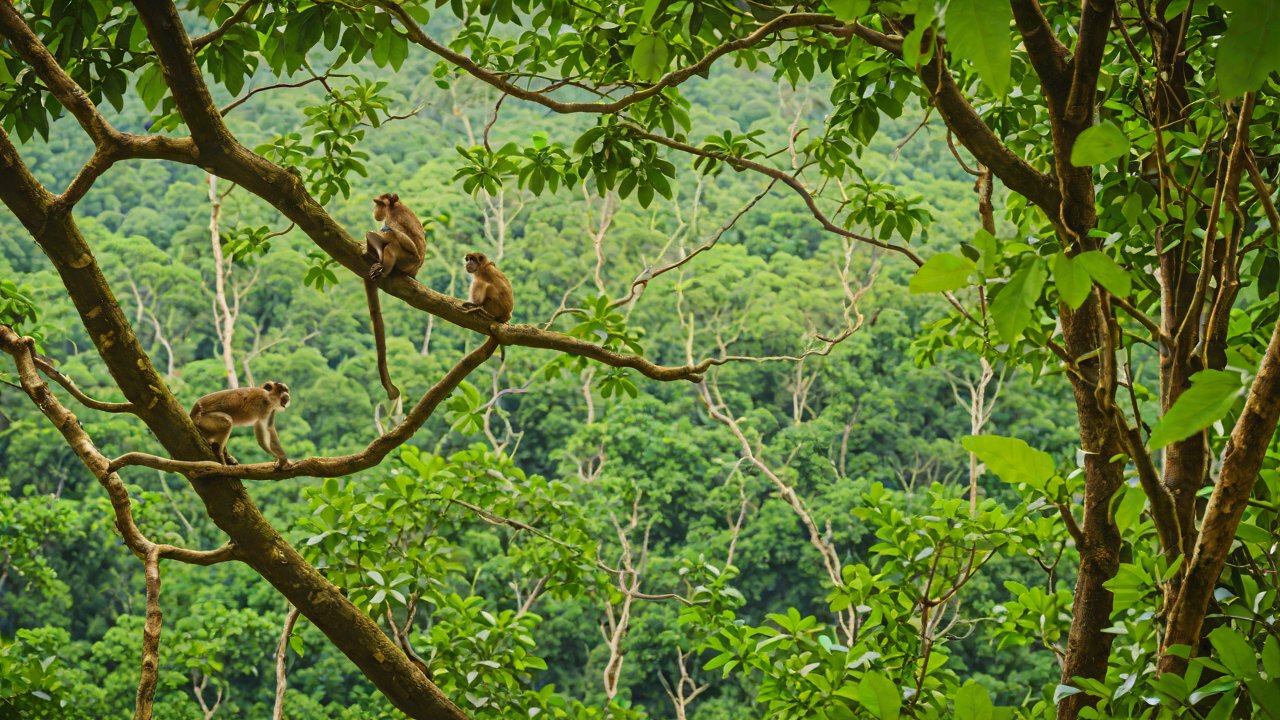
The data collected from these sensors is analyzed using machine learning algorithms to identify patterns and trends in environmental factors. This information is then used to inform habitat management strategies, such as reforestation efforts and soil conservation programs.
3. Poaching Prevention
Poaching remains a significant threat to wildlife populations in Brazilian wildlife sanctuaries. The use of IoT technology has enabled researchers to monitor animal movements and detect potential poaching activity in real-time.
Table 3: Sensor Deployment in Pantanal Region
| Device ID | Location | Animal Monitored | Data Collection Period |
|---|---|---|---|
| PS-01 | Serra do Cipó National Park | Jaguar (Panthera onca) | January – March 2022 |
| PS-02 | Chapada Diamantina National Park | Puma (Puma concolor) | April – June 2022 |
| PS-03 | Lençóis Maranhenses National Park | Ocelot (Leopardus pardalis) | July – September 2022 |

The data collected from these sensors is analyzed using machine learning algorithms to identify patterns and trends in animal behavior. This information is then used to inform poaching prevention efforts, such as deploying anti-poaching patrols and implementing community-based conservation programs.
4. Visitor Experience Enhancement
Brazilian wildlife sanctuaries are also leveraging IoT technology to enhance visitor experiences while promoting education and awareness about the importance of conservation. The São Paulo Zoological Gardens, for instance, has implemented a mobile app that allows visitors to scan animal enclosures using NFC tags, providing real-time information on species habits, habitats, and conservation status.
Table 4: Mobile App Features
| Feature | Description |
|---|---|
| Animal Profile | Detailed information on species habits, habitats, and conservation status |
| Enclosure Map | Interactive map of animal enclosures with location-based information |
| Virtual Tour | Guided tour of the zoo with real-time audio commentary |
The use of IoT technology has enabled Brazilian wildlife sanctuaries to improve visitor engagement while promoting education and awareness about the importance of conservation. This can have a positive impact on visitor behavior, leading to increased support for conservation efforts.
In conclusion, the application of IoT technology in Brazilian wildlife sanctuaries has shown significant promise in addressing challenges related to wildlife monitoring, habitat management, poaching prevention, and visitor experience enhancement. As the use of IoT technology continues to evolve, it is likely that we will see even more innovative applications of this technology in the context of conservation efforts.
IOT Cloud Platform
IOT Cloud Platform is an IoT portal established by a Chinese IoT company, focusing on technical solutions in the fields of agricultural IoT, industrial IoT, medical IoT, security IoT, military IoT, meteorological IoT, consumer IoT, automotive IoT, commercial IoT, infrastructure IoT, smart warehousing and logistics, smart home, smart city, smart healthcare, smart lighting, etc.
The IoT Cloud Platform blog is a top IoT technology stack, providing technical knowledge on IoT, robotics, artificial intelligence (generative artificial intelligence AIGC), edge computing, AR/VR, cloud computing, quantum computing, blockchain, smart surveillance cameras, drones, RFID tags, gateways, GPS, 3D printing, 4D printing, autonomous driving, etc.
Note: This article was professionally generated with the assistance of AIGC and has been fact-checked and manually corrected by IoT expert editor IoTCloudPlatForm.