Automated Networking in Industrial Parks in Thailand
Automated Networking in Industrial Parks in Thailand: A Technical Perspective
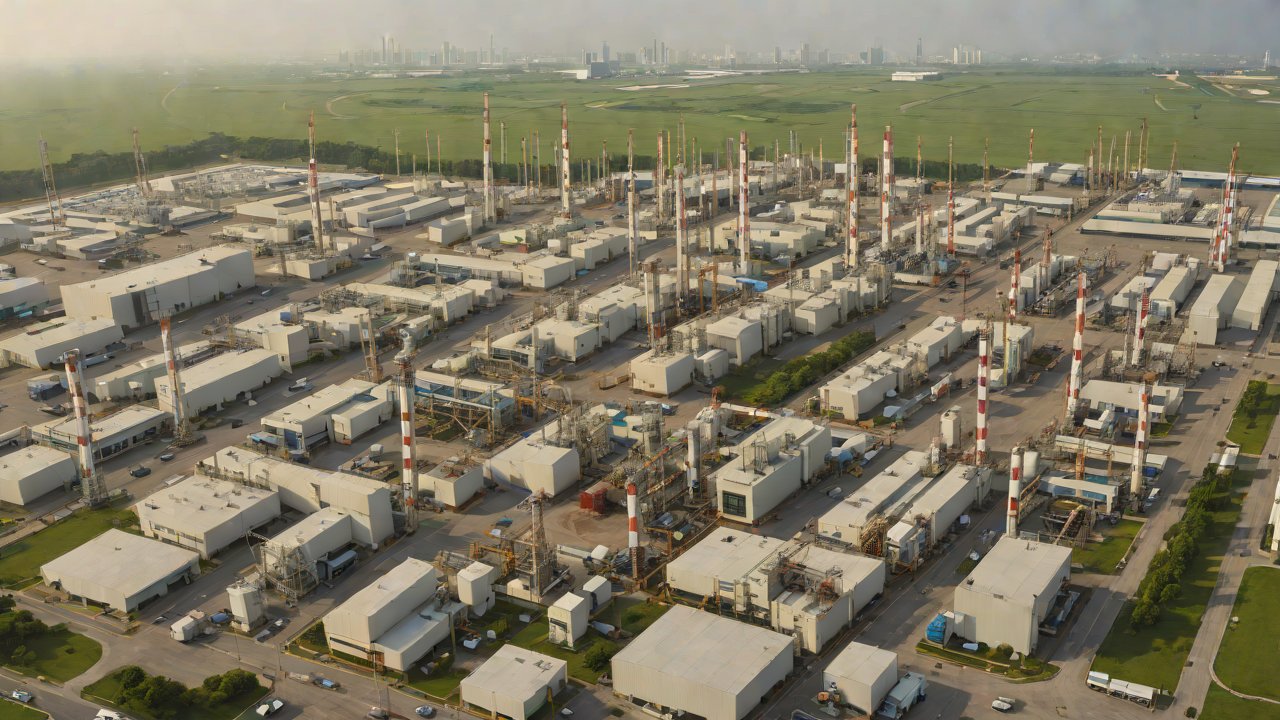
Industrial parks in Thailand are rapidly adopting automated networking solutions to enhance operational efficiency, security, and scalability. This report provides a comprehensive analysis of the technical aspects of implementing automated networking in industrial parks, including protocol implementation, hardware architecture, and industry challenges.
Protocol Implementation
Automated networking in industrial parks relies heavily on standardized protocols that enable seamless communication between devices and systems. The most widely adopted protocols for industrial automation are:
- Modbus: A widely used protocol for communicating between devices over serial lines or Ethernet.
- BACnet: A building automation protocol that enables communication between different systems and devices.
- EtherCAT: An open-source fieldbus system that provides high-speed communication between devices.
These protocols enable data exchange, control, and monitoring of industrial processes, making it possible to automate various tasks such as energy management, security surveillance, and equipment maintenance.
Hardware Architecture
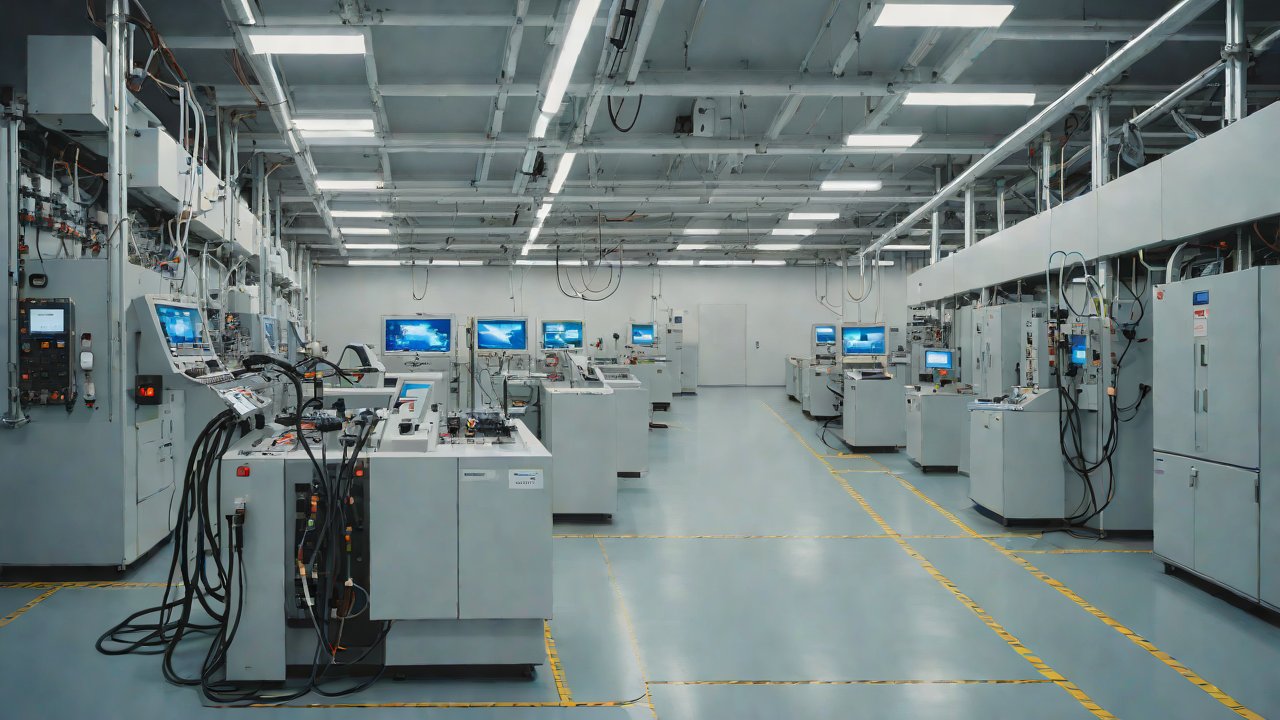
The hardware architecture of automated networking in industrial parks consists of:
- Network Infrastructure: This includes routers, switches, and gateways that connect devices and systems.
- Industrial Ethernet Switches: These switches provide high-speed connectivity between devices and enable the formation of a network backbone.
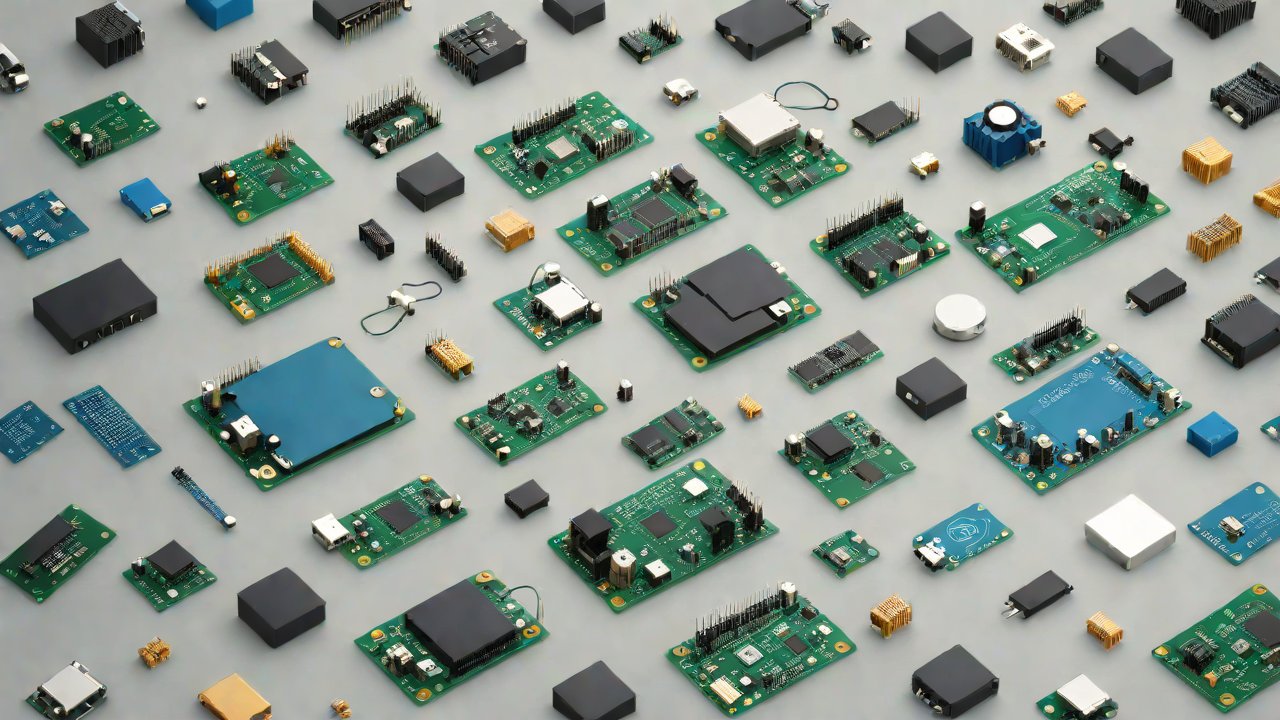
- Wireless Sensors and Actuators: These devices monitor and control industrial processes in real-time.
A typical hardware architecture for automated networking in an industrial park might include:
Network Topology
The network topology is designed to ensure high availability, scalability, and security. This includes:
Ring Topology
Used for connecting devices that require high-speed communication, such as sensors and actuators.
Star Topology
Used for connecting devices that require low-latency communication, such as control systems.
Industry Challenges
Implementing automated networking in industrial parks poses several challenges, including:
- Interoperability: Ensuring seamless communication between different devices and systems from various manufacturers.
- Security: Protecting against cyber threats and ensuring data integrity.
- Scalability: Enabling the network to adapt to changing business needs.
To overcome these challenges, industrial parks can adopt standardized protocols, implement robust security measures, and invest in scalable hardware infrastructure.
Security Considerations
Securing automated networking in industrial parks is critical due to the potential for cyber attacks. Some key considerations include:
- Firewall Configuration: Configuring firewalls to block unauthorized access.
- Encryption: Encrypting data transmitted between devices and systems.
- Regular Updates and Patch Management: Regularly updating software and applying patches to prevent vulnerabilities.
Future Directions
As industrial automation continues to evolve, we can expect to see further advancements in automated networking, including:
- Artificial Intelligence (AI) Integration: Integrating AI with automated networking to enable predictive maintenance and optimized resource allocation.
- Internet of Things (IoT) Adoption: Increasing adoption of IoT devices in industrial parks to enhance operational efficiency.
Case Study: Siam Cement Group
The Siam Cement Group, one of Thailand’s leading industrial conglomerates, has successfully implemented automated networking across its various plants. The project involved:
- Network Infrastructure Upgrade: Upgrading the network infrastructure to enable high-speed communication between devices.
- Protocol Implementation: Implementing standardized protocols such as Modbus and BACnet.
- Security Measures: Implementing robust security measures, including firewalls and encryption.
Conclusion
Automated networking in industrial parks is a critical component of Industry 4.0 initiatives, enabling operational efficiency, security, and scalability. By adopting standardized protocols, investing in scalable hardware infrastructure, and implementing robust security measures, industrial parks can overcome the challenges associated with implementing automated networking.
Expert FAQs
Q1: What are the most widely adopted protocols for industrial automation?
A1: Modbus, BACnet, and EtherCAT are the most widely adopted protocols for industrial automation.
Q2: What is the primary benefit of using standardized protocols in industrial automation?
A2: Standardized protocols enable seamless communication between devices and systems from different manufacturers.
Q3: How do industrial Ethernet switches contribute to automated networking in industrial parks?
A3: Industrial Ethernet switches provide high-speed connectivity between devices, enabling the formation of a network backbone.
Q4: What is the role of wireless sensors and actuators in automated networking?
A4: Wireless sensors and actuators monitor and control industrial processes in real-time, enhancing operational efficiency.
Q5: How can industrial parks overcome interoperability challenges associated with implementing automated networking?
A5: Industrial parks can adopt standardized protocols to ensure seamless communication between devices and systems from different manufacturers.
Q6: What are some key security considerations for securing automated networking in industrial parks?
A6: Firewalls, encryption, and regular updates and patch management are critical for securing automated networking in industrial parks.
Q7: How does AI integration enhance automated networking in industrial parks?
A7: AI integration enables predictive maintenance and optimized resource allocation, enhancing operational efficiency.
Q8: What is the role of IoT devices in industrial automation?
A8: IoT devices enhance operational efficiency by enabling real-time monitoring and control of industrial processes.
Q9: Can you provide an example of a successful automated networking implementation in Thailand?
A9: The Siam Cement Group has successfully implemented automated networking across its various plants, enhancing operational efficiency and security.
Q10: What are some future directions for automated networking in industrial parks?
A10: AI integration, IoT adoption, and advanced data analytics are expected to shape the future of automated networking in industrial parks.
Q11: How can industrial parks ensure high availability and scalability in their network infrastructure?
A11: Industrial parks can adopt redundant systems, implement load balancing, and invest in scalable hardware infrastructure to ensure high availability and scalability.
Q12: What is the role of network topology in ensuring efficient communication between devices in an industrial park?
A12: Network topology plays a critical role in ensuring efficient communication between devices by enabling the formation of a network backbone.
Q13: Can you provide more information on the benefits of using EtherCAT protocol in industrial automation?
A13: EtherCAT provides high-speed communication, enabling real-time monitoring and control of industrial processes.
Q14: How can industrial parks overcome security challenges associated with implementing automated networking?
A14: Industrial parks can implement robust security measures, including firewalls, encryption, and regular updates and patch management.
Q15: What is the primary benefit of using AI in industrial automation?
A15: AI enables predictive maintenance and optimized resource allocation, enhancing operational efficiency.
Q16: Can you provide more information on the role of IoT devices in industrial automation?
A16: IoT devices enable real-time monitoring and control of industrial processes, enhancing operational efficiency.
Q17: What are some key considerations for implementing automated networking in an industrial park?
A17: Interoperability, security, scalability, and high availability are critical considerations when implementing automated networking in an industrial park.
Q18: Can you provide more information on the benefits of using standardized protocols in industrial automation?
A18: Standardized protocols enable seamless communication between devices and systems from different manufacturers, enhancing operational efficiency.
Q19: How can industrial parks ensure interoperability between different devices and systems?
A19: Industrial parks can adopt standardized protocols to ensure seamless communication between devices and systems.
Q20: What is the role of network infrastructure in ensuring efficient communication between devices in an industrial park?
A20: Network infrastructure provides high-speed connectivity between devices, enabling the formation of a network backbone.
Q21: Can you provide more information on the benefits of using EtherCAT protocol in industrial automation?
A21: EtherCAT provides high-speed communication, enabling real-time monitoring and control of industrial processes.
Q22: How can industrial parks overcome scalability challenges associated with implementing automated networking?
A22: Industrial parks can invest in scalable hardware infrastructure, including routers, switches, and gateways.
Q23: What is the primary benefit of using AI in industrial automation?
A23: AI enables predictive maintenance and optimized resource allocation, enhancing operational efficiency.
Q24: Can you provide more information on the role of IoT devices in industrial automation?
A24: IoT devices enable real-time monitoring and control of industrial processes, enhancing operational efficiency.
Q25: What are some future directions for automated networking in industrial parks?
A25: AI integration, IoT adoption, and advanced data analytics are expected to shape the future of automated networking in industrial parks.
IOT Cloud Platform
IOT Cloud Platform is an IoT portal established by a Chinese IoT company, focusing on technical solutions in the fields of agricultural IoT, industrial IoT, medical IoT, security IoT, military IoT, meteorological IoT, consumer IoT, automotive IoT, commercial IoT, infrastructure IoT, smart warehousing and logistics, smart home, smart city, smart healthcare, smart lighting, etc.
The IoT Cloud Platform blog is a top IoT technology stack, providing technical knowledge on IoT, robotics, artificial intelligence (generative artificial intelligence AIGC), edge computing, AR/VR, cloud computing, quantum computing, blockchain, smart surveillance cameras, drones, RFID tags, gateways, GPS, 3D printing, 4D printing, autonomous driving, etc.
Note: This article was professionally generated with the assistance of AIGC and has been fact-checked and manually corrected by IoT expert editor IoTCloudPlatForm.