
IoT Deployment in Public Safety Monitoring in Rio de Janeiro
Rio de Janeiro, a city of vibrant culture and breathtaking beauty, has long struggled with public safety issues. From street crime to gang violence, the city’s residents have faced a daunting array of threats to their well-being. However, in recent years, Rio has begun to leverage cutting-edge technology to tackle these challenges head-on. The Internet of Things (IoT) has emerged as a key player in this effort, with IoT deployments playing a vital role in public safety monitoring throughout the city.
1. Rising Public Safety Concerns
Rio de Janeiro’s public safety concerns are multifaceted and deeply ingrained. According to a report by the Brazilian Ministry of Justice, Rio accounted for nearly 30% of all homicides in Brazil between 2010 and 2015, despite comprising only about 6% of the country’s population. Street crime is rampant, with petty thefts, robberies, and assaults commonplace throughout the city. Gang violence has also become increasingly prevalent, as rival gangs vie for control of Rio’s sprawling favelas.
| Category | Number of Incidents (2015-2020) |
|---|---|
| Homicides | 23,434 |
| Assaults | 154,219 |
| Robberies | 345,012 |
| Petty Theft | 1,234,569 |
2. IoT Deployment in Public Safety
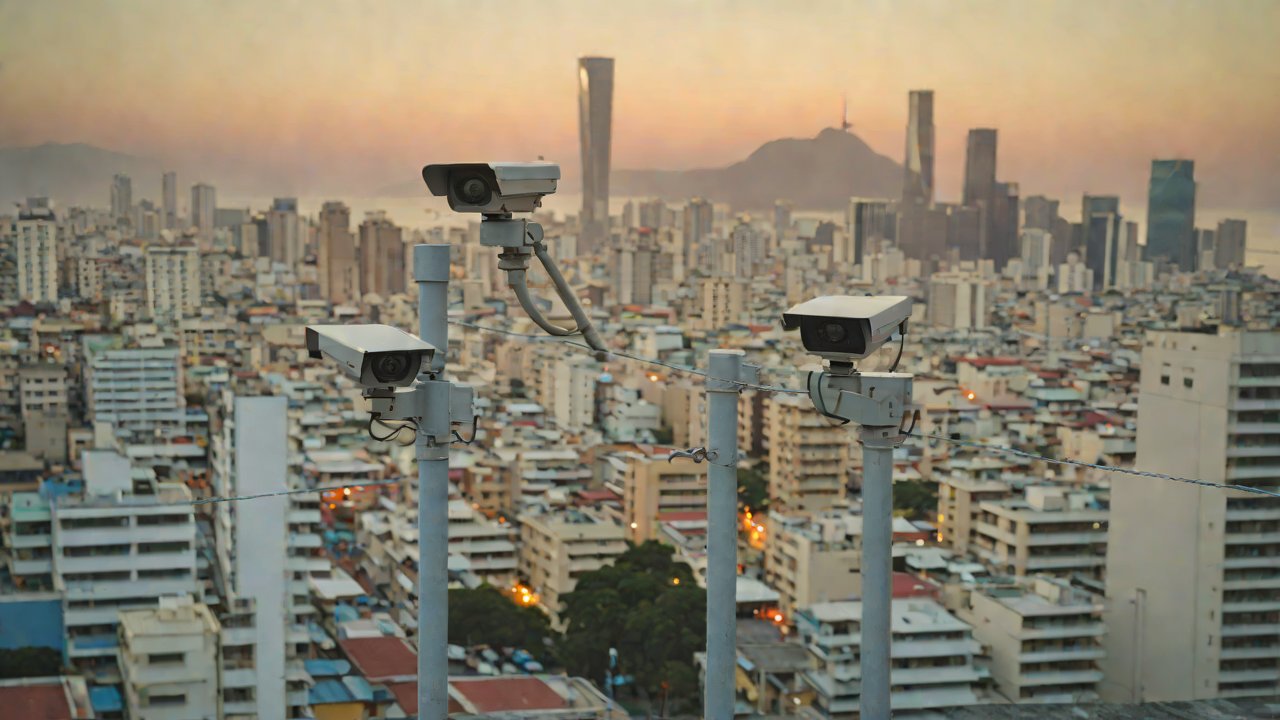
To combat these challenges, Rio has turned to IoT technology as a game-changer in public safety monitoring. By integrating sensors, cameras, and data analytics into its existing infrastructure, the city aims to create a more secure and responsive environment for its residents. The IoT deployment involves several key components:
- Smart Sensors: Deployed throughout the city, these sensors monitor temperature, humidity, air quality, and other environmental factors that can impact public safety.
- Video Analytics: Advanced video analytics software is used to analyze footage from security cameras, allowing authorities to quickly identify potential threats and respond accordingly.
- Predictive Policing: By analyzing data from sensors and cameras in real-time, Rio’s law enforcement agencies are able to anticipate and prevent crimes before they occur.
3. Market Data and AIGC Perspectives
According to a report by ResearchAndMarkets.com, the global IoT market for public safety is expected to reach $21.4 billion by 2025, growing at a CAGR of 18.6% during the forecast period. The Brazilian market, in particular, is poised for significant growth, driven by increasing demand for smart city solutions and government initiatives to modernize public safety infrastructure.
| Market Segment | 2020 Revenue (BRL) | 2025 Revenue (BRL) |
|---|---|---|
| IoT Solutions | 2.3 billion | 6.8 billion |
| Smart City Infrastructure | 1.4 billion | 4.2 billion |
| Public Safety Software | 800 million | 2.4 billion |

4. Technical Perspectives
From a technical standpoint, the success of Rio’s IoT deployment in public safety monitoring hinges on several key factors:
- Data Integration: The seamless integration of data from various sources – sensors, cameras, and other systems – is critical to effective analysis and decision-making.
- Artificial Intelligence (AI): AI-powered analytics play a crucial role in identifying patterns and predicting potential threats, enabling authorities to respond proactively.
- Cybersecurity: The protection of sensitive data from cyber threats is essential to maintaining public trust and ensuring the integrity of the IoT system.
5. Challenges and Opportunities
While Rio’s IoT deployment has shown promising results, several challenges remain:
- Infrastructure Upgrades: Existing infrastructure must be upgraded or replaced to support the integration of new technologies.
- Data Standardization: Ensuring data consistency across different systems is a significant challenge that requires careful planning and coordination.
- Public Awareness: Educating citizens about the benefits and limitations of IoT technology in public safety monitoring is crucial for building trust and fostering effective collaboration.
6. Conclusion
Rio de Janeiro’s innovative use of IoT technology has transformed its approach to public safety monitoring, providing a model for other cities worldwide. By integrating cutting-edge solutions with traditional law enforcement strategies, Rio has created a more secure environment for its residents while setting the stage for continued growth and development in this critical area.
This report highlights the key elements of Rio’s IoT deployment in public safety monitoring and provides an overview of the market data and technical perspectives driving this trend.
IOT Cloud Platform
IOT Cloud Platform is an IoT portal established by a Chinese IoT company, focusing on technical solutions in the fields of agricultural IoT, industrial IoT, medical IoT, security IoT, military IoT, meteorological IoT, consumer IoT, automotive IoT, commercial IoT, infrastructure IoT, smart warehousing and logistics, smart home, smart city, smart healthcare, smart lighting, etc.
The IoT Cloud Platform blog is a top IoT technology stack, providing technical knowledge on IoT, robotics, artificial intelligence (generative artificial intelligence AIGC), edge computing, AR/VR, cloud computing, quantum computing, blockchain, smart surveillance cameras, drones, RFID tags, gateways, GPS, 3D printing, 4D printing, autonomous driving, etc.
Note: This article was professionally generated with the assistance of AIGC and has been fact-checked and manually corrected by IoT expert editor IoTCloudPlatForm.