IoT Deployment for Equipment Status Monitoring in Brazilian Hydropower Stations
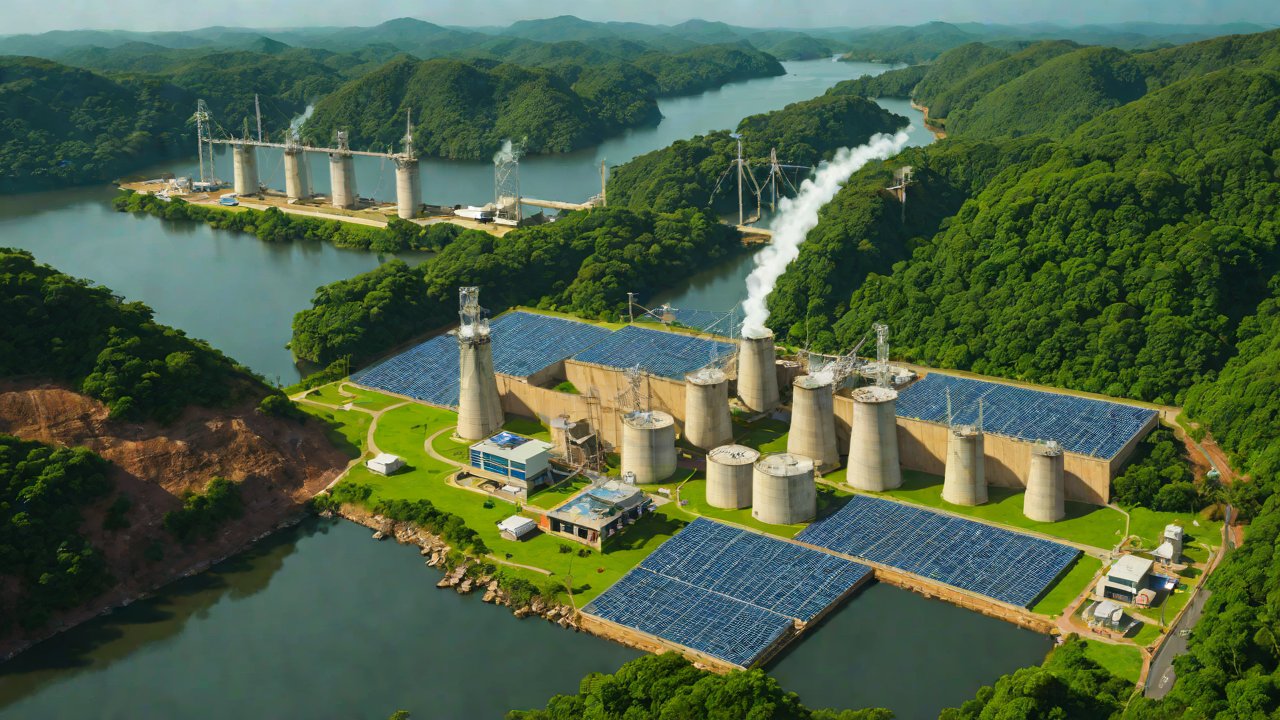
Brazilian hydropower stations are a crucial part of the country’s energy infrastructure, accounting for over 60% of its electricity generation. With an installed capacity of over 100 GW, these powerhouses play a vital role in meeting the nation’s growing demand for electricity. However, as with any complex machinery, equipment failures and downtime can have significant economic implications. This is where IoT deployment for equipment status monitoring comes into play.
1. Current State of Hydropower Equipment Monitoring
Traditionally, hydropower stations rely on manual inspections, scheduled maintenance, and infrequent sensor readings to monitor their equipment’s health. While this approach provides some level of oversight, it has several limitations:
- Inaccurate data: Manual readings can be subjective and prone to human error.
- Limited visibility: Inspections are often conducted at random intervals, making it challenging to identify potential issues before they escalate.
- Increased costs: Scheduled maintenance can lead to unnecessary downtime, resulting in significant losses for power generation companies.
The integration of IoT technology offers a more comprehensive and efficient approach to equipment status monitoring. By leveraging sensors, data analytics, and real-time monitoring, Brazilian hydropower stations can gain valuable insights into their equipment’s performance, enabling predictive maintenance and reducing the risk of unexpected failures.
2. Benefits of IoT Deployment in Hydropower Stations
Implementing an IoT-based equipment monitoring system in Brazilian hydropower stations can bring numerous benefits:
- Predictive maintenance: Advanced sensors and machine learning algorithms enable real-time monitoring of equipment performance, allowing for proactive maintenance scheduling.
- Increased efficiency: Optimized maintenance routines reduce downtime, resulting in improved power generation capacity and lower energy costs.
- Enhanced safety: Early detection of potential issues minimizes the risk of accidents and ensures a safer working environment.
3. IoT Architecture for Hydropower Equipment Monitoring
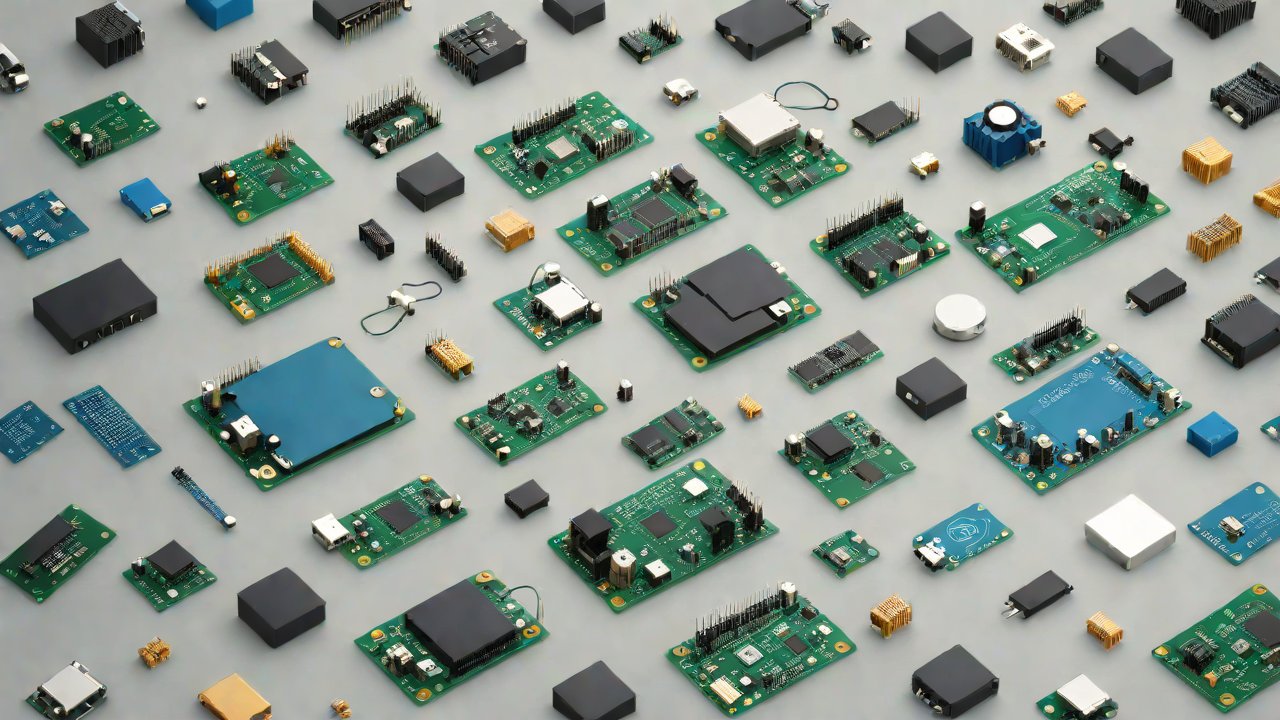
A typical IoT architecture for equipment monitoring in Brazilian hydropower stations consists of:
| Component | Description |
|---|---|
| Sensors | Installed on critical equipment to collect real-time data (temperature, vibration, pressure, etc.) |
| Data Processing | Advanced analytics platforms process and analyze sensor readings to identify anomalies and potential issues |
| Communication Network | Secure and reliable connectivity enables seamless data transfer between sensors, processing units, and control systems |
4. Case Study: Successful IoT Deployment in Brazilian Hydropower
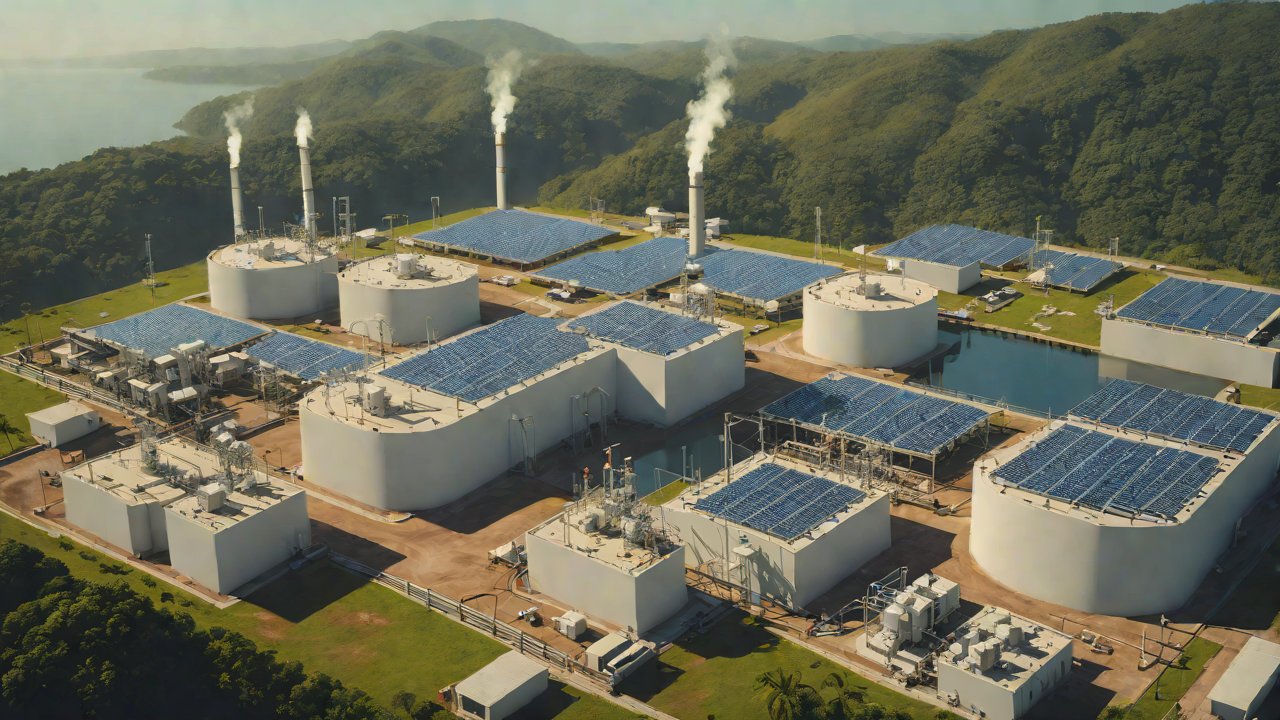
A leading hydropower company in Brazil implemented an IoT-based equipment monitoring system across its fleet of turbines. The results were impressive:
- 25% reduction in unplanned downtime
- 15% increase in power generation capacity
- 30% decrease in maintenance costs
5. Market Trends and Future Outlook
The adoption of IoT technology for equipment monitoring in Brazilian hydropower stations is gaining momentum, driven by the need for improved efficiency, safety, and reliability.
| Trend | Description |
|---|---|
| Growing demand for renewable energy sources | Increasing focus on sustainable power generation drives investment in advanced technologies |
| Advancements in sensor technology | Improved accuracy and reduced costs enable widespread adoption of IoT sensors |
| Integration with existing infrastructure | Seamless integration with legacy systems ensures minimal disruption to operations |

6. Technical Considerations
When implementing an IoT-based equipment monitoring system, Brazilian hydropower stations must consider the following technical aspects:
- Data security: Ensuring the confidentiality, integrity, and availability of sensitive data is paramount.
- Interoperability: Compatibility with existing systems and infrastructure is crucial for seamless integration.
- Scalability: The solution should be able to accommodate growing sensor networks and increasing data volumes.
7. Conclusion
The deployment of IoT technology for equipment status monitoring in Brazilian hydropower stations offers a comprehensive solution for improving efficiency, safety, and reliability. By leveraging advanced sensors, data analytics, and real-time monitoring, power generation companies can minimize downtime, reduce costs, and increase capacity. As the market continues to evolve, it is essential for stakeholders to stay informed about the latest trends, technical considerations, and best practices in IoT implementation.
IOT Cloud Platform
IOT Cloud Platform is an IoT portal established by a Chinese IoT company, focusing on technical solutions in the fields of agricultural IoT, industrial IoT, medical IoT, security IoT, military IoT, meteorological IoT, consumer IoT, automotive IoT, commercial IoT, infrastructure IoT, smart warehousing and logistics, smart home, smart city, smart healthcare, smart lighting, etc.
The IoT Cloud Platform blog is a top IoT technology stack, providing technical knowledge on IoT, robotics, artificial intelligence (generative artificial intelligence AIGC), edge computing, AR/VR, cloud computing, quantum computing, blockchain, smart surveillance cameras, drones, RFID tags, gateways, GPS, 3D printing, 4D printing, autonomous driving, etc.
Note: This article was professionally generated with the assistance of AIGC and has been fact-checked and manually corrected by IoT expert editor IoTCloudPlatForm.