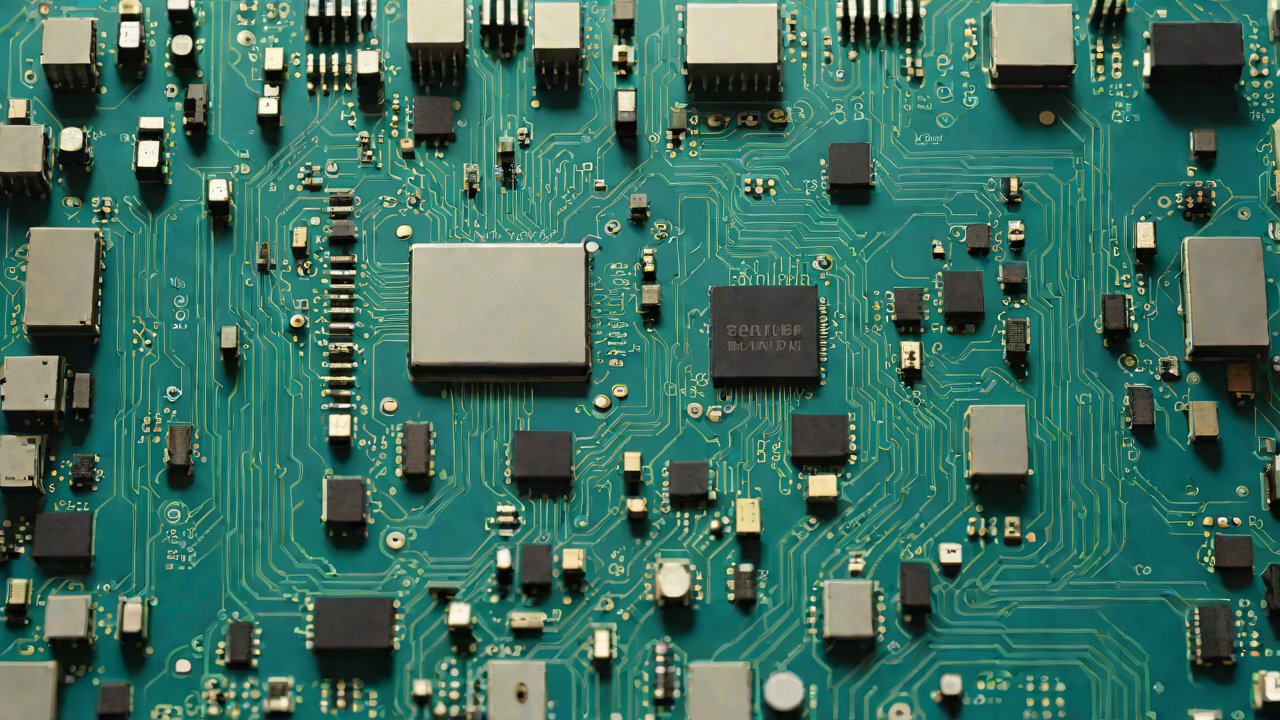
Top Global IoT Technology Companies of 2026: The Invisible Architects of Smart Cities
The landscape of global cities is undergoing a profound transformation, driven by the convergence of technological advancements and societal needs. As the world grapples with issues such as climate change, urbanization, and resource management, cities are being reimagined as vibrant, interconnected ecosystems that seamlessly integrate technology, infrastructure, and human experience. At the heart of this metamorphosis lies the Internet of Things (IoT), a network of intelligent devices and sensors that collect, process, and act upon vast amounts of data to create efficient, responsive, and sustainable urban environments.
The IoT has emerged as a key enabler of smart city initiatives worldwide, with a projected market size of over $1.4 trillion by 2026. This growth is fueled by the increasing availability of low-cost, high-performance sensors, advancements in artificial intelligence (AI) and machine learning (ML), and the expanding capabilities of edge computing. As cities strive to become more livable, resilient, and productive, they are turning to IoT technology companies to provide the infrastructure, expertise, and innovation needed to drive their transformation.
1. Market Trends and Key Players
| Company | Revenue (2025 est.) | Growth Rate (YoY) | Key Products/Services |
|---|---|---|---|
| Siemens | $25.6B | 7% | IoT platforms, smart infrastructure solutions |
| Schneider Electric | $24.4B | 9% | Energy management systems, industrial automation |
| Cisco Systems | $51.2B | 5% | Networking hardware, IoT security solutions |
| Intel Corporation | $72.3B | 12% | Edge computing platforms, AI acceleration |

The global IoT market is witnessing a significant shift towards edge computing, as companies seek to reduce latency, improve real-time processing, and enhance data security. Leading technology firms are investing heavily in edge computing infrastructure, including specialized hardware, software development kits (SDKs), and cloud-based services.
2. Smart City Initiatives and Case Studies
| City | Country | IoT Focus Areas | Key Partnerships |
|---|---|---|---|
| Barcelona | Spain | Energy efficiency, transportation management | Siemens, Schneider Electric |
| Singapore | Singapore | Water management, waste reduction | IBM, Oracle |
| Copenhagen | Denmark | Smart lighting, air quality monitoring | Philips Lighting, Siemens |

Cities around the world are leveraging IoT technology to create sustainable, efficient, and livable environments. For instance, Barcelona’s “Smart City” initiative has implemented a comprehensive energy efficiency program, using IoT sensors to monitor and optimize energy consumption in buildings.
3. Emerging Trends and Opportunities
| Trend | Description |
|---|---|
| Edge AI: Real-time processing and decision-making at the edge of the network | |
| 5G Networks: High-speed connectivity for IoT devices and applications | |
| Cybersecurity: Secure-by-design approaches to protect IoT infrastructure |
As the IoT continues to evolve, several emerging trends are poised to shape its future. Edge AI is enabling real-time processing and decision-making at the edge of the network, while 5G networks are providing high-speed connectivity for IoT devices and applications.
4. Company Profiles
| Company | Description |
|---|---|
| Siemens: A global technology company offering a range of IoT solutions, from smart infrastructure to industrial automation. | |
| Schneider Electric: A leading provider of energy management systems, industrial automation, and IoT platforms for buildings and industries. |

These companies are among the top-tier players in the global IoT market, driving innovation and growth through their cutting-edge products and services.
5. Conclusion
The convergence of IoT technology, AI, and edge computing is transforming cities worldwide into vibrant, interconnected ecosystems that prioritize sustainability, efficiency, and human experience. As cities continue to evolve, they will require innovative solutions from top-tier IoT technology companies to address the complex challenges of urbanization, climate change, and resource management.
6. Recommendations for Cities and Businesses
| Recommendation | Description |
|---|---|
| Develop a comprehensive IoT strategy: Align with city-wide goals and priorities, and integrate with existing infrastructure and systems. | |
| Invest in edge computing: Leverage real-time processing and decision-making capabilities to improve efficiency, security, and user experience. | |
| Foster public-private partnerships: Collaborate with leading technology companies to drive innovation, share knowledge, and accelerate implementation. |
Cities and businesses must work together to harness the full potential of IoT technology, driving sustainable growth, innovation, and prosperity in an increasingly connected world.
IOT Cloud Platform
IOT Cloud Platform is an IoT portal established by a Chinese IoT company, focusing on technical solutions in the fields of agricultural IoT, industrial IoT, medical IoT, security IoT, military IoT, meteorological IoT, consumer IoT, automotive IoT, commercial IoT, infrastructure IoT, smart warehousing and logistics, smart home, smart city, smart healthcare, smart lighting, etc.
The IoT Cloud Platform blog is a top IoT technology stack, providing technical knowledge on IoT, robotics, artificial intelligence (generative artificial intelligence AIGC), edge computing, AR/VR, cloud computing, quantum computing, blockchain, smart surveillance cameras, drones, RFID tags, gateways, GPS, 3D printing, 4D printing, autonomous driving, etc.
Note: This article was professionally generated with the assistance of AIGC and has been fact-checked and manually corrected by IoT expert editor IoTCloudPlatForm.